
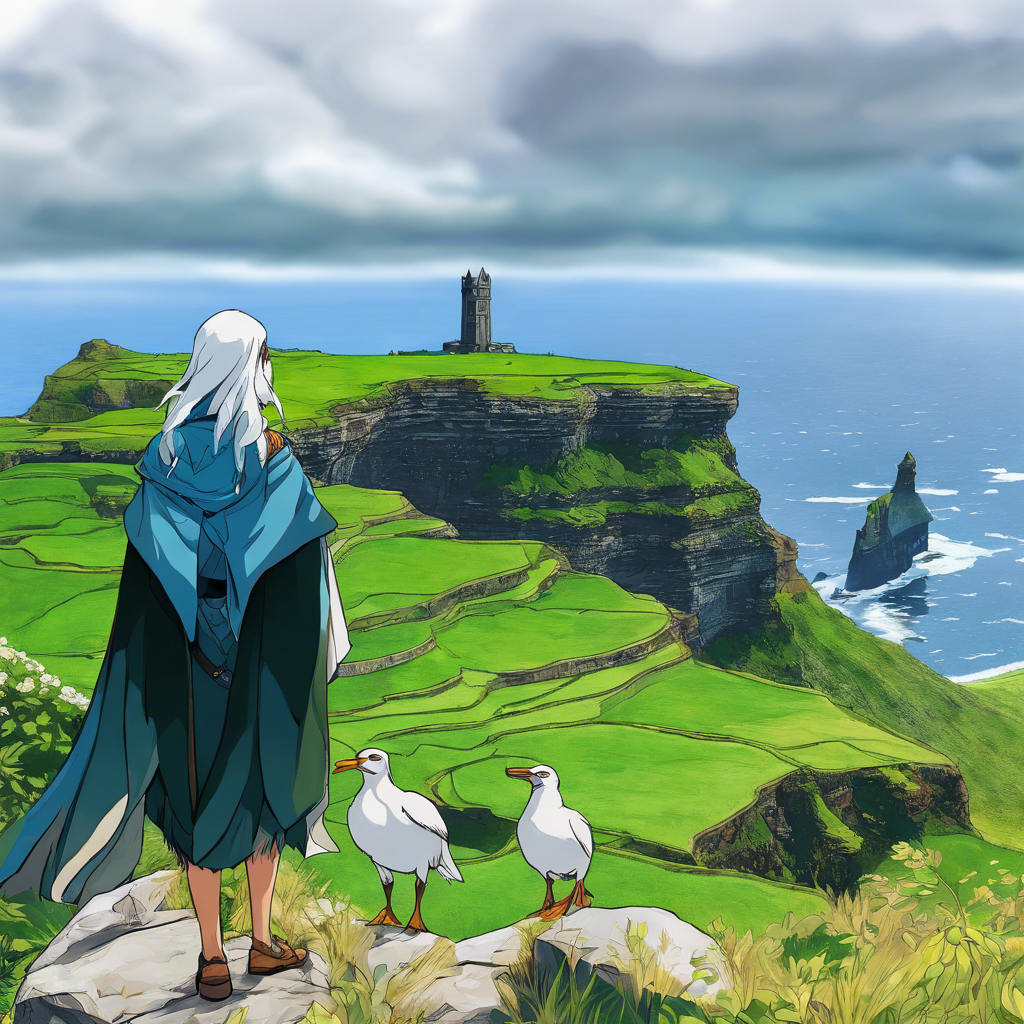
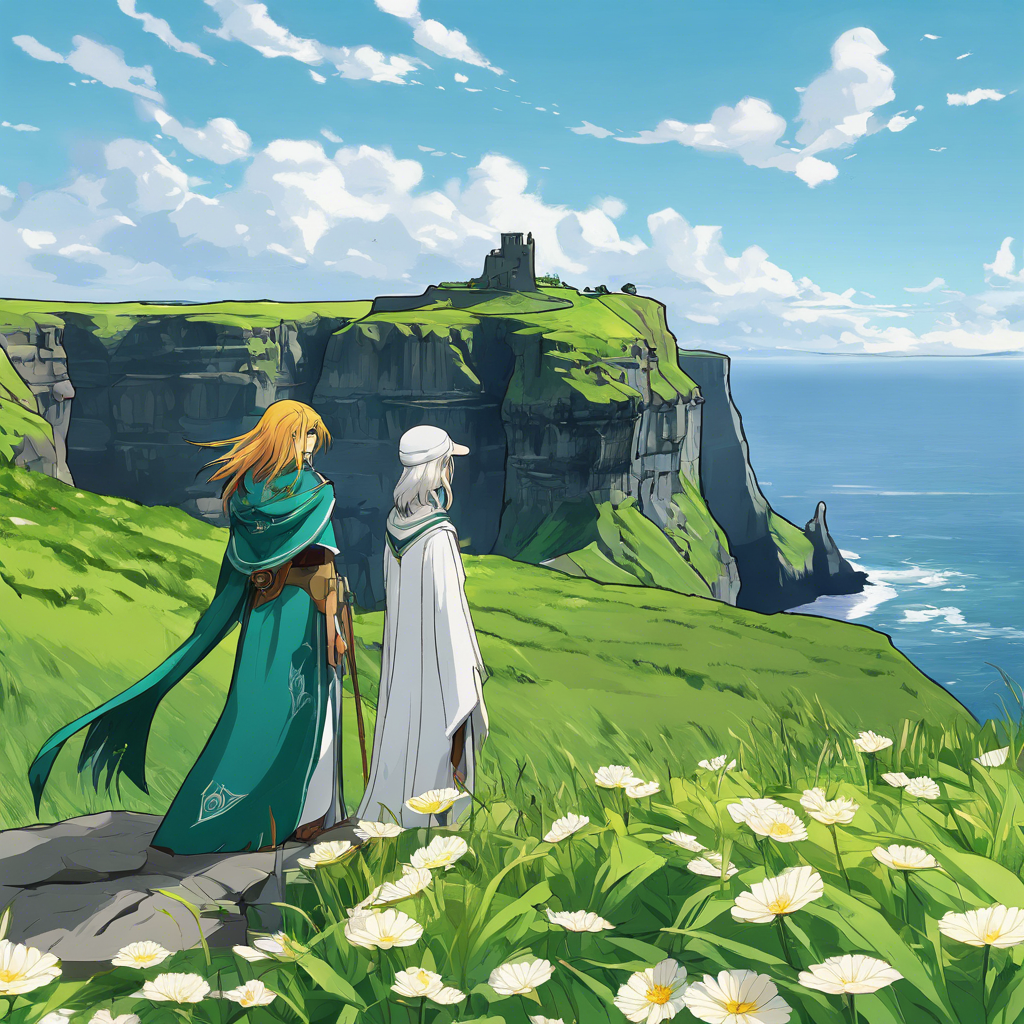
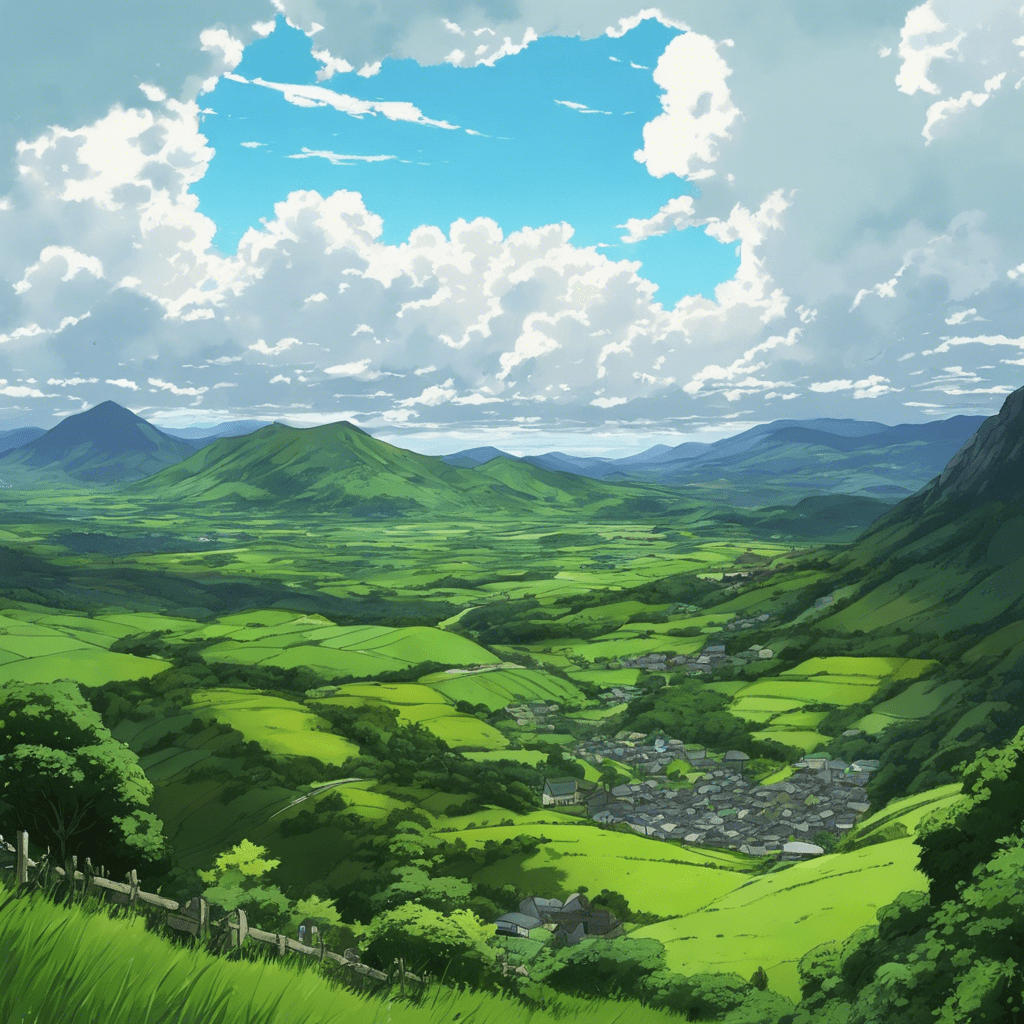
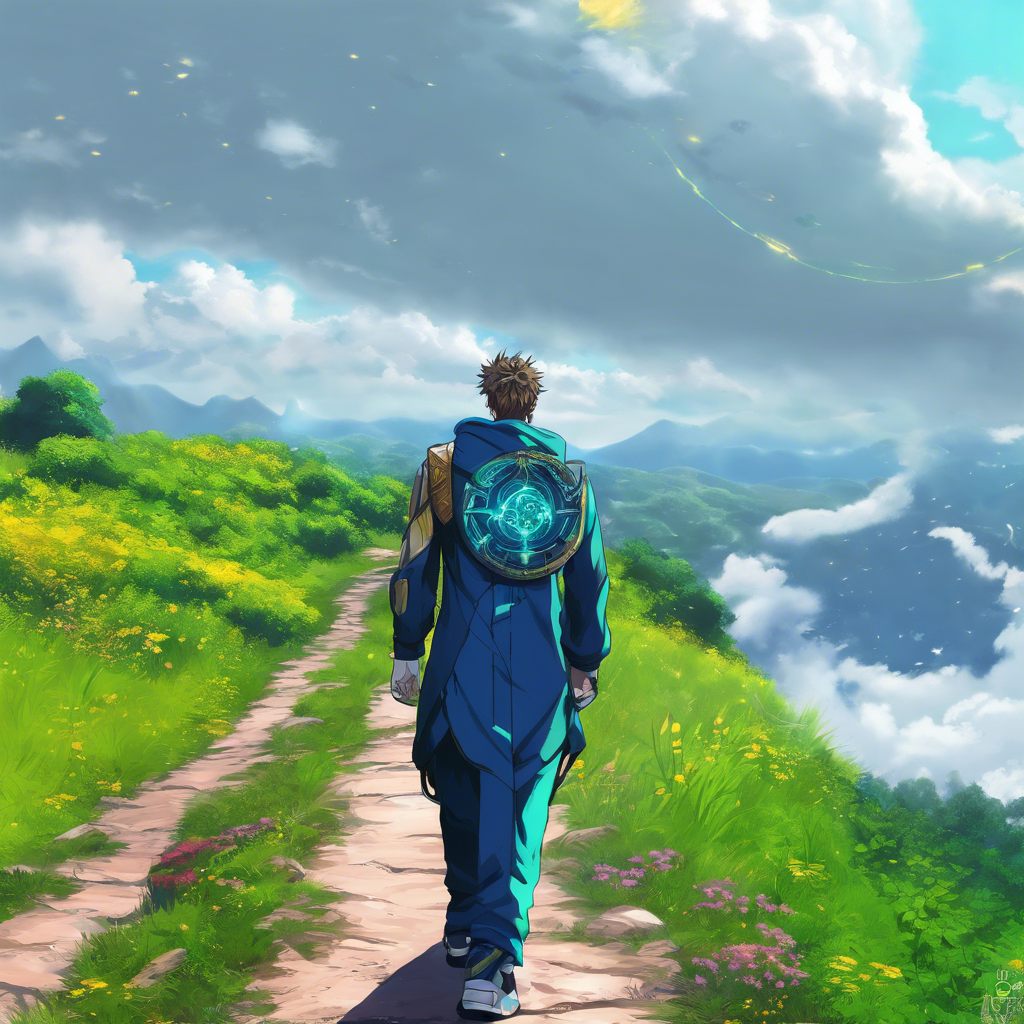
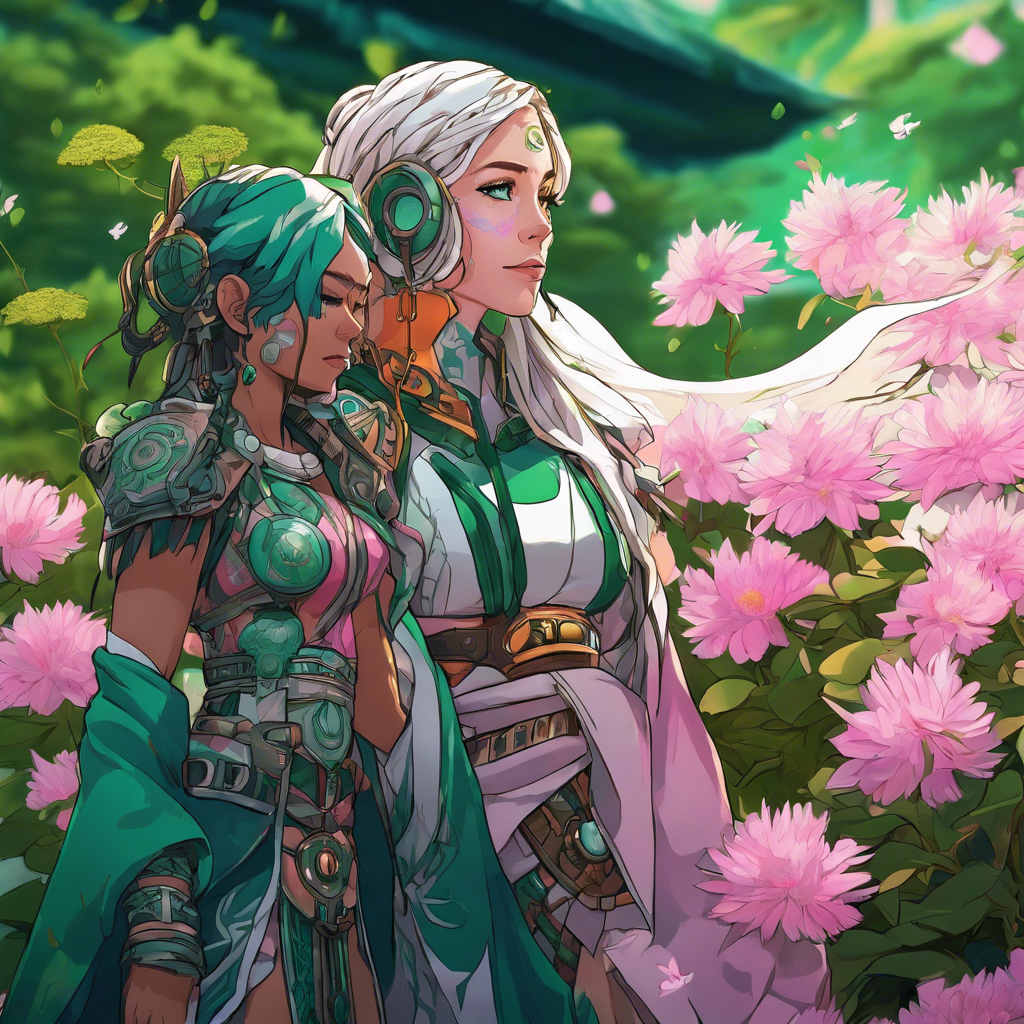
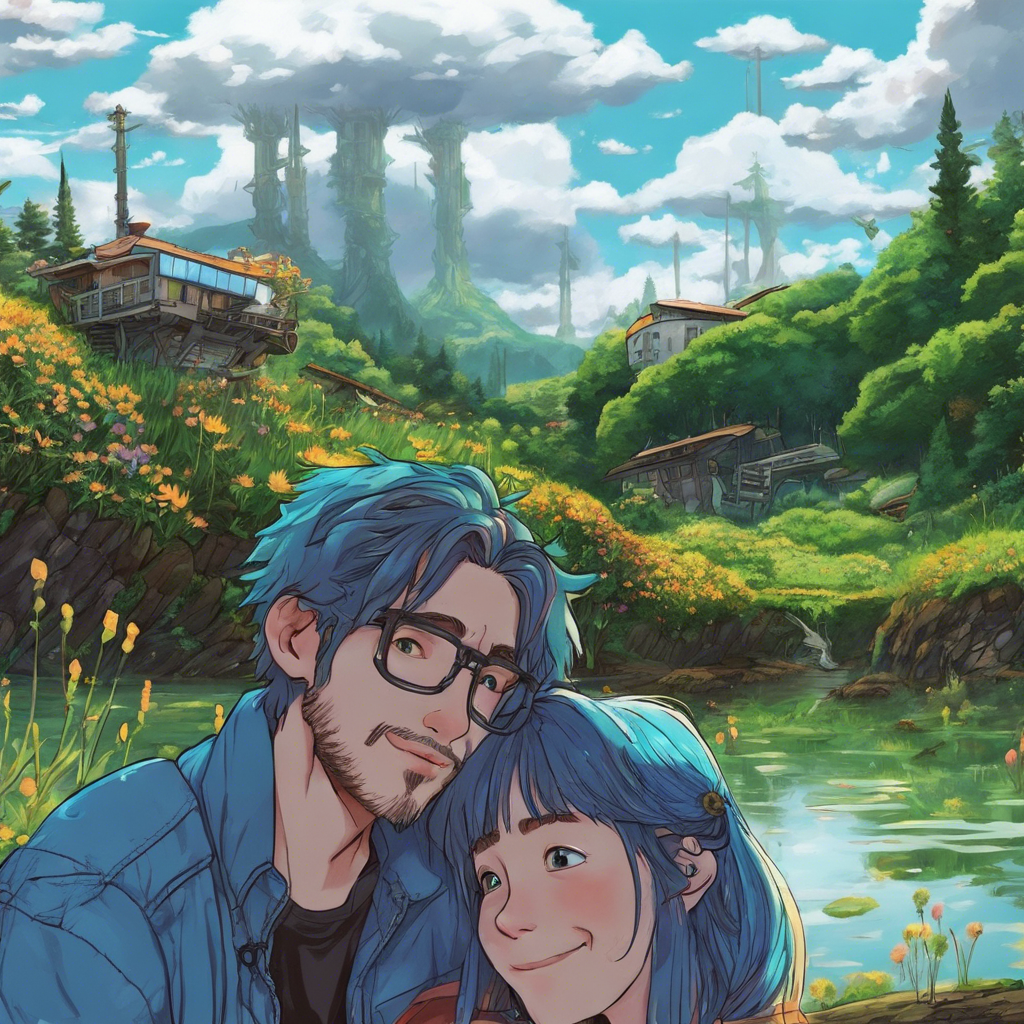
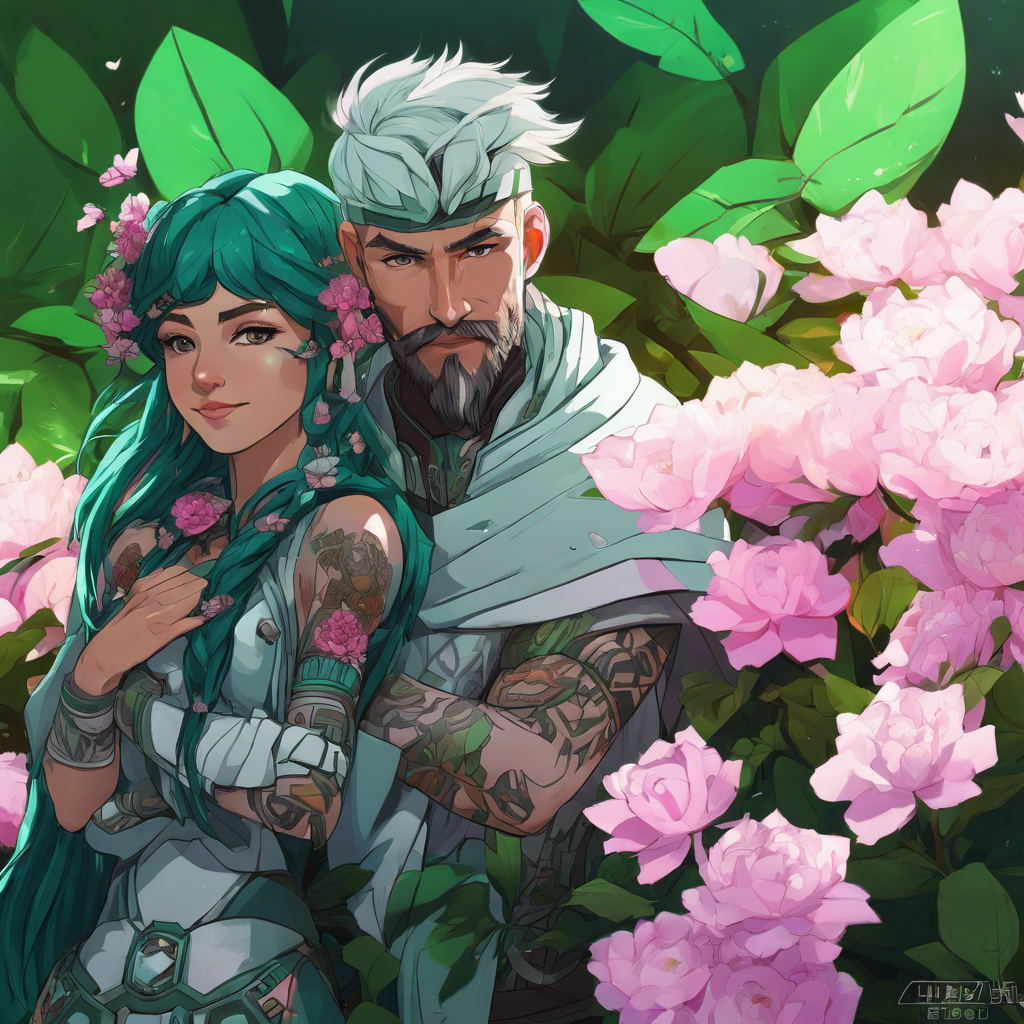
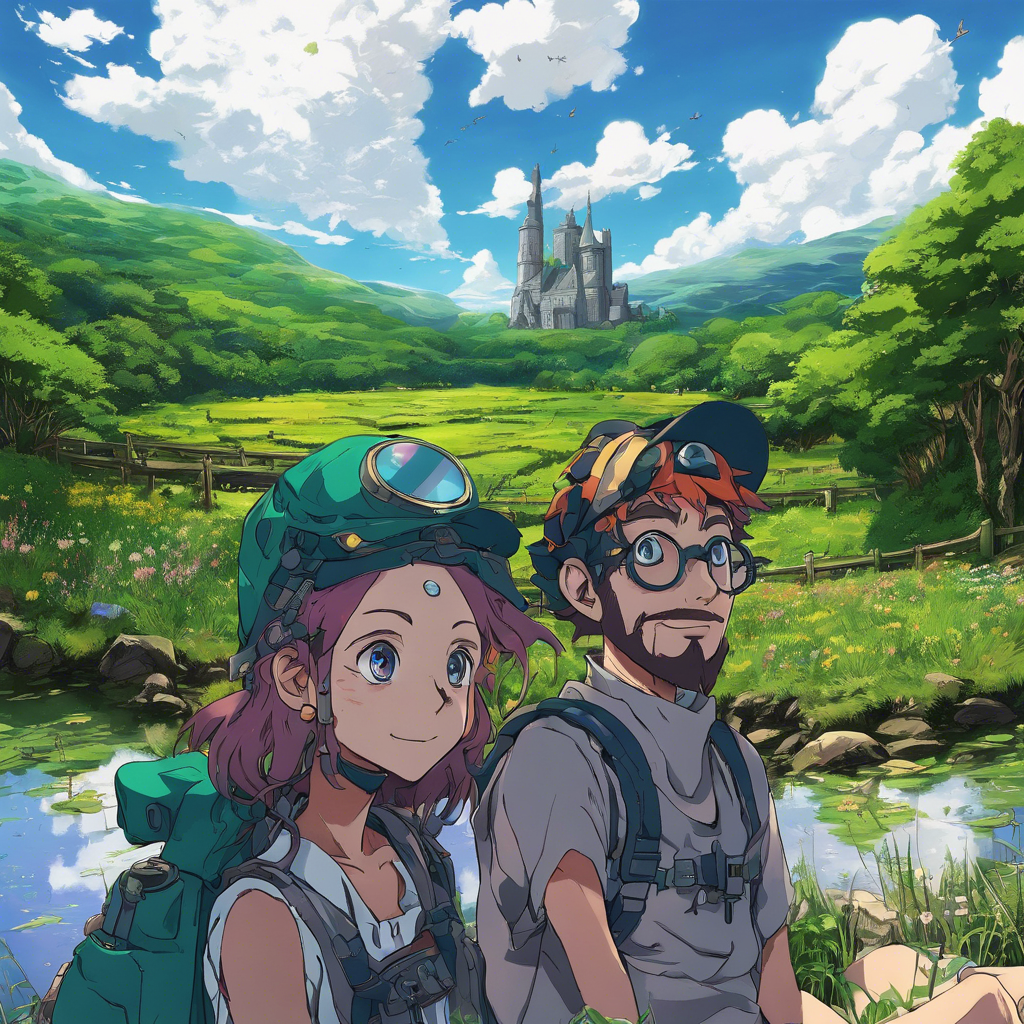
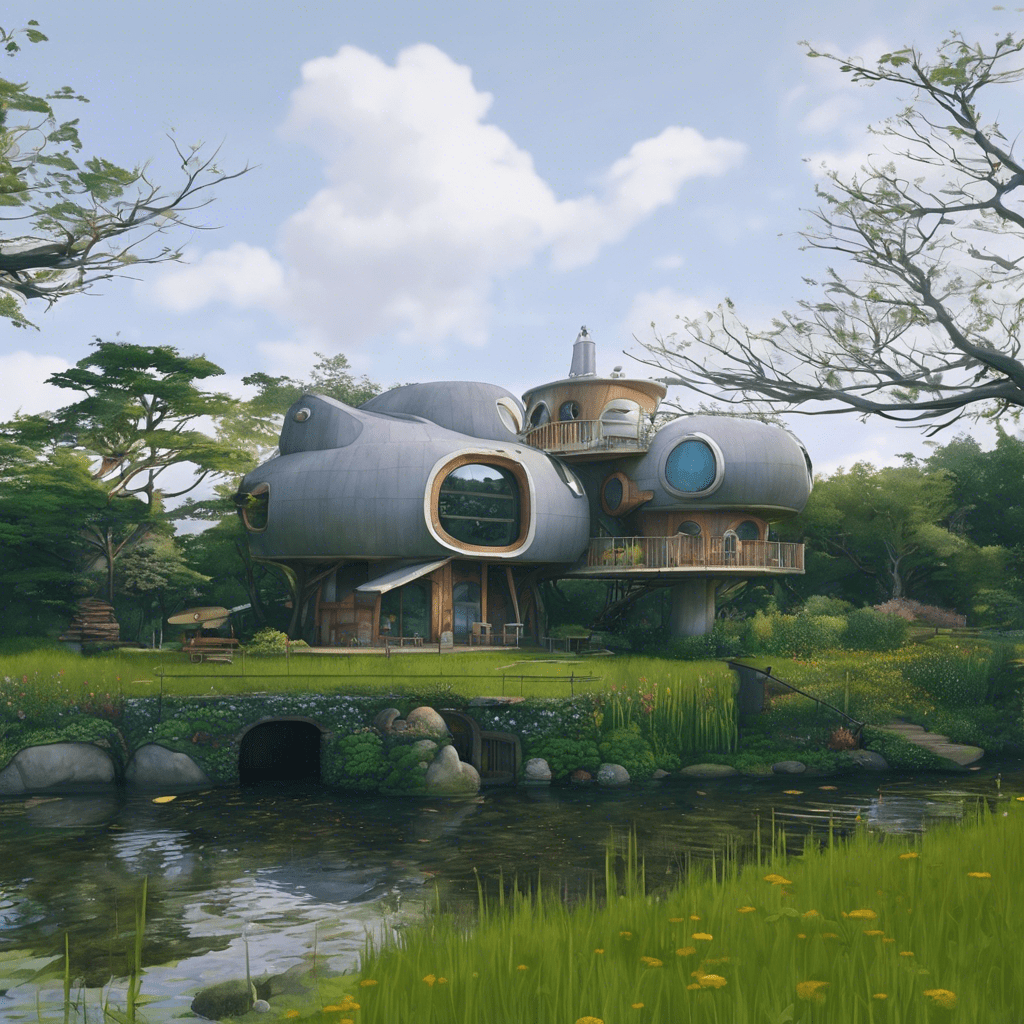
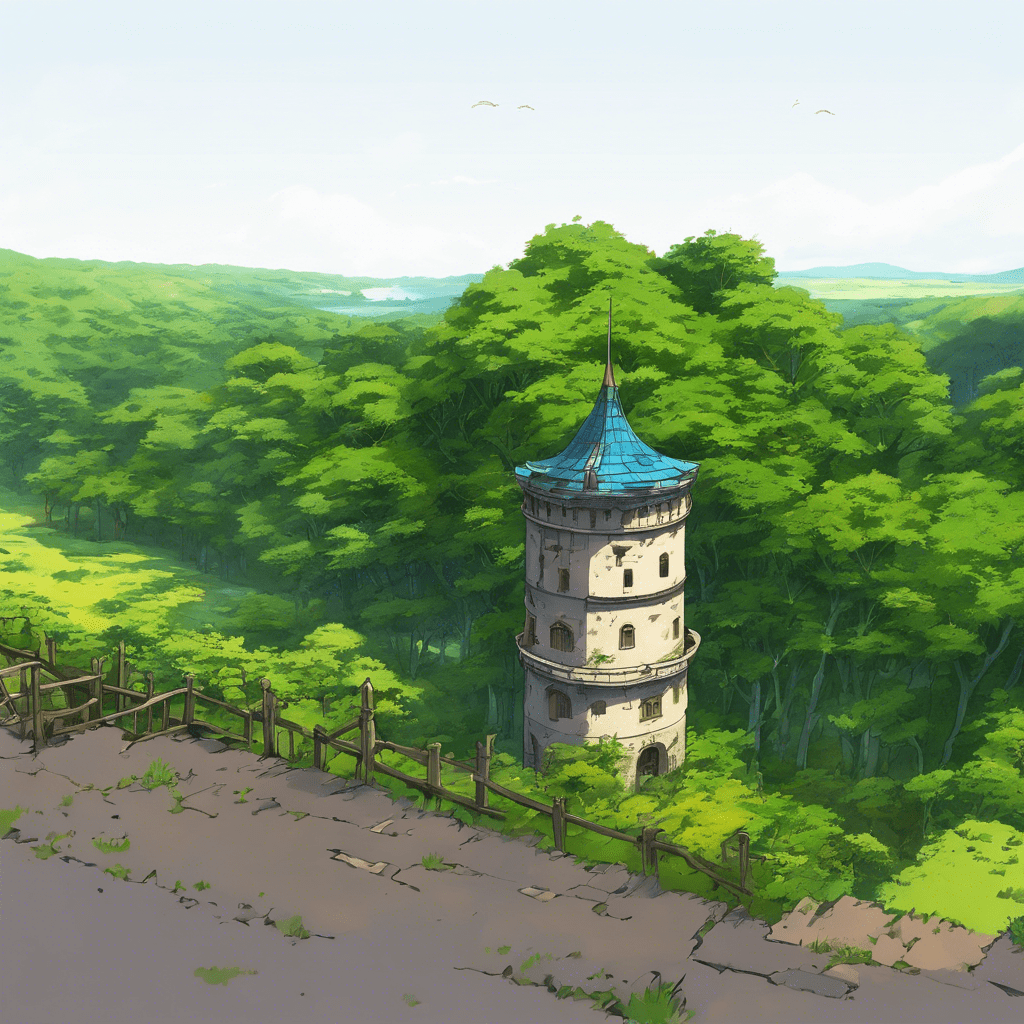
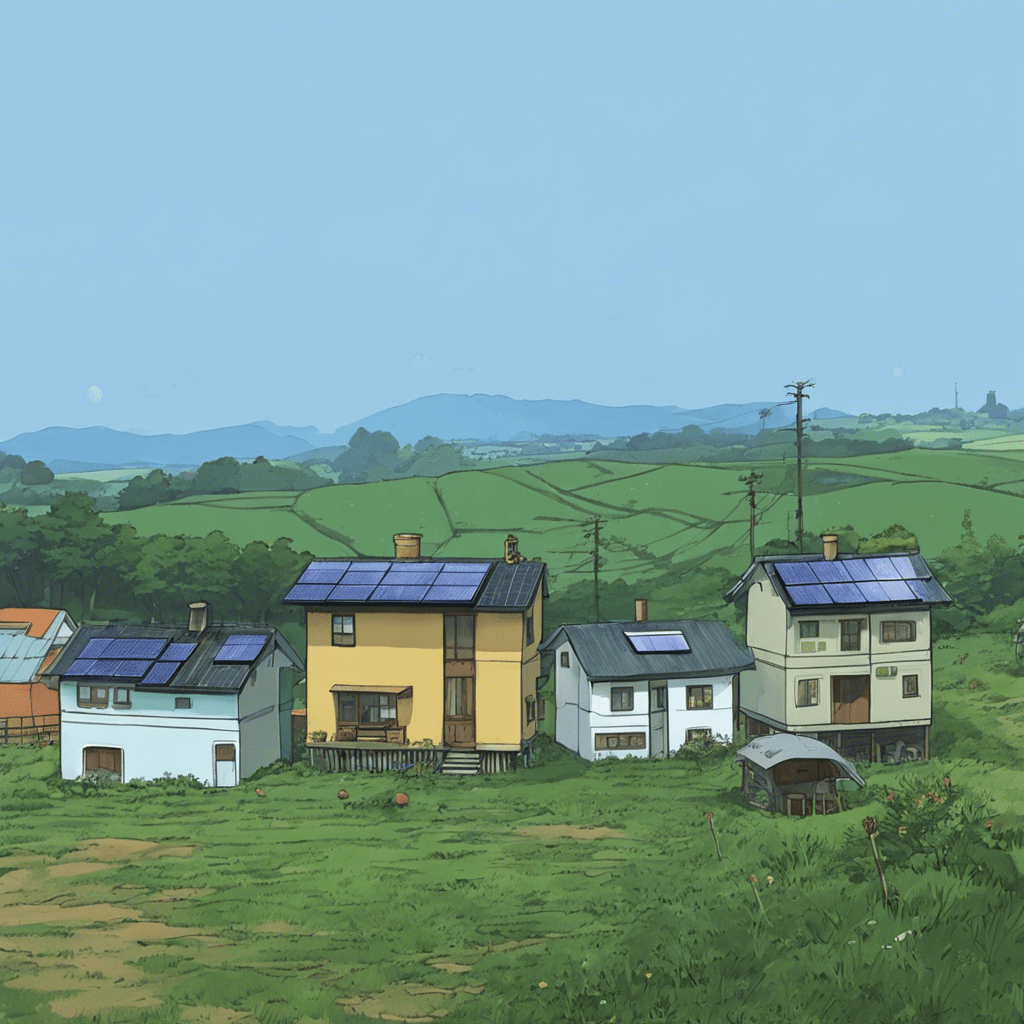
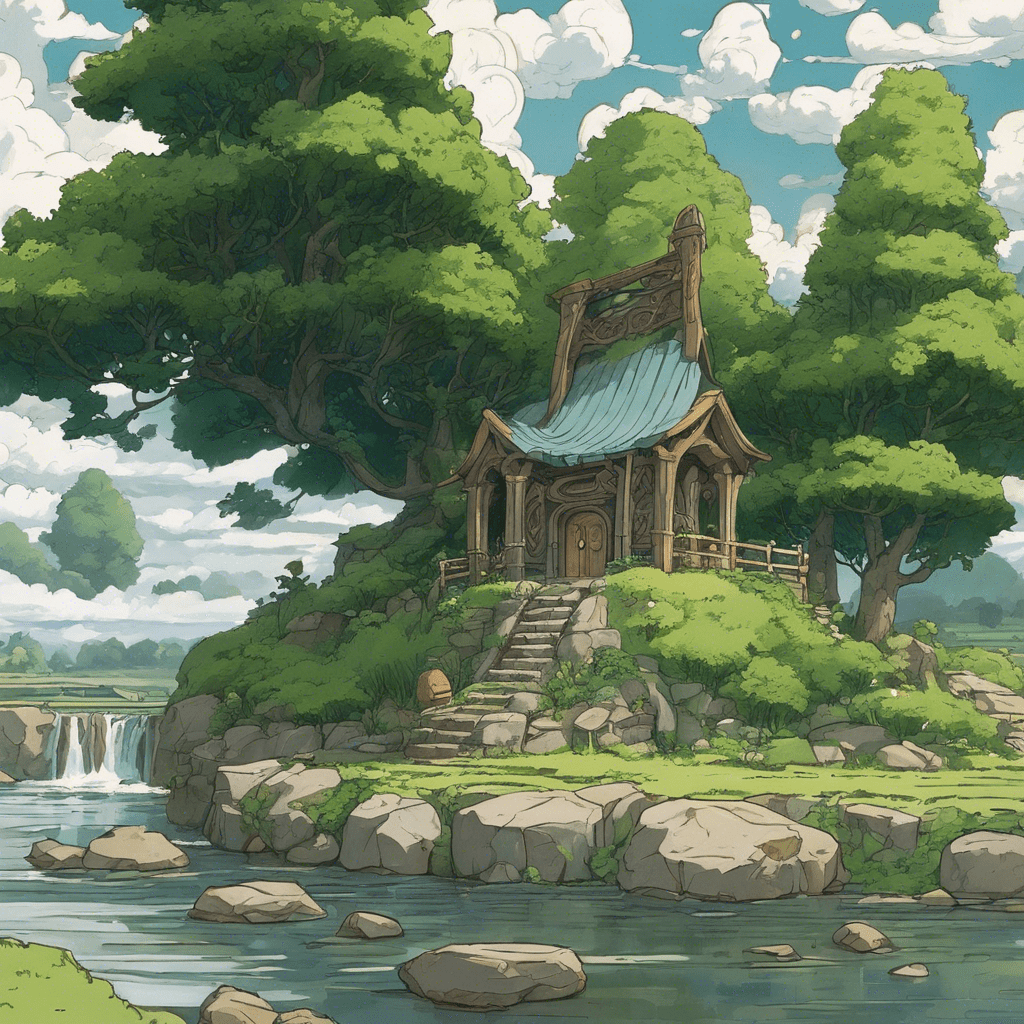
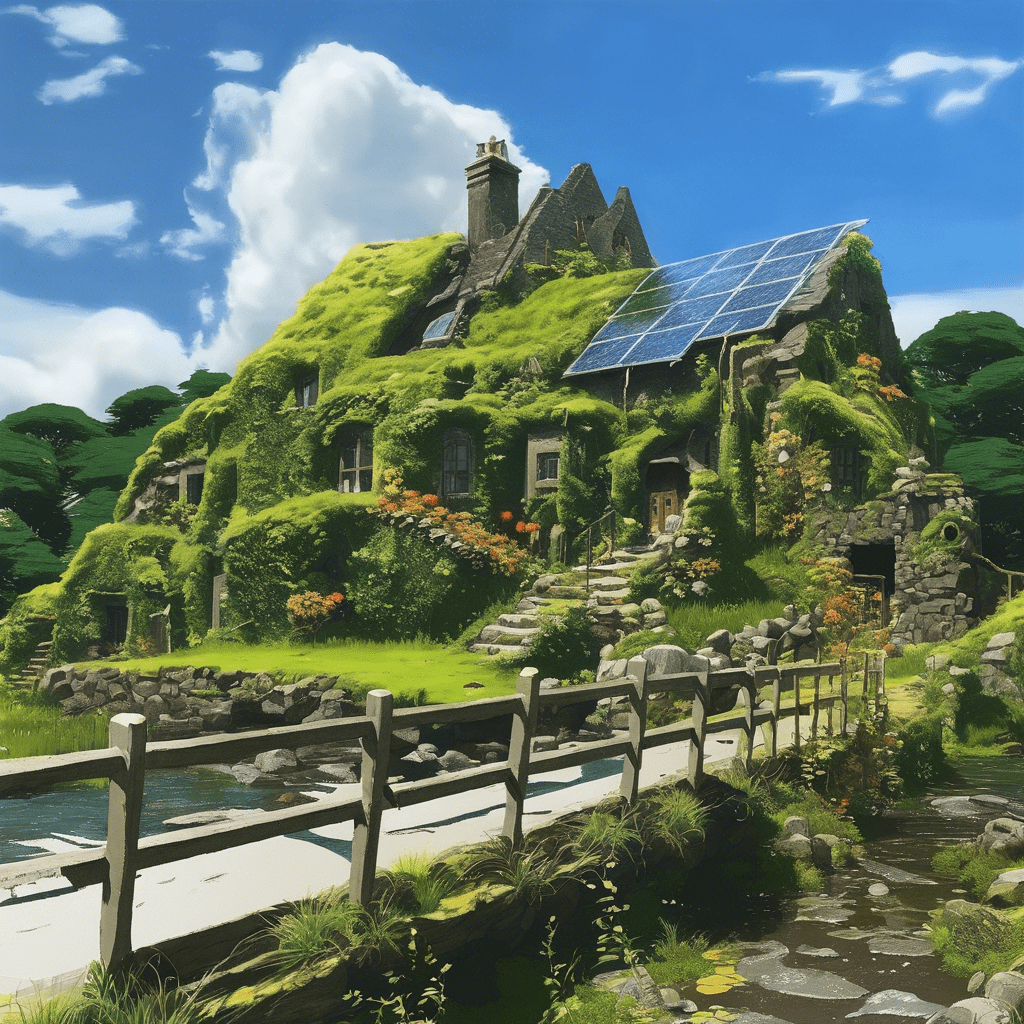
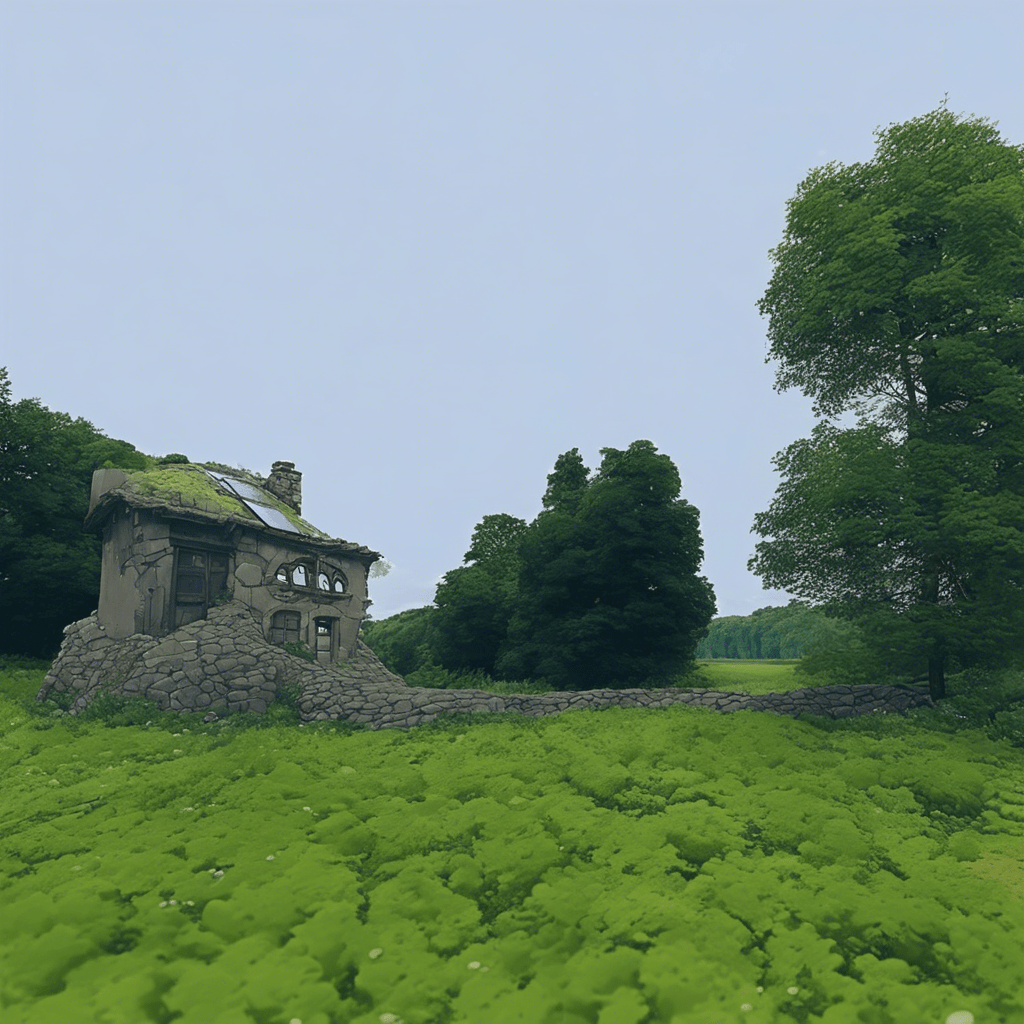
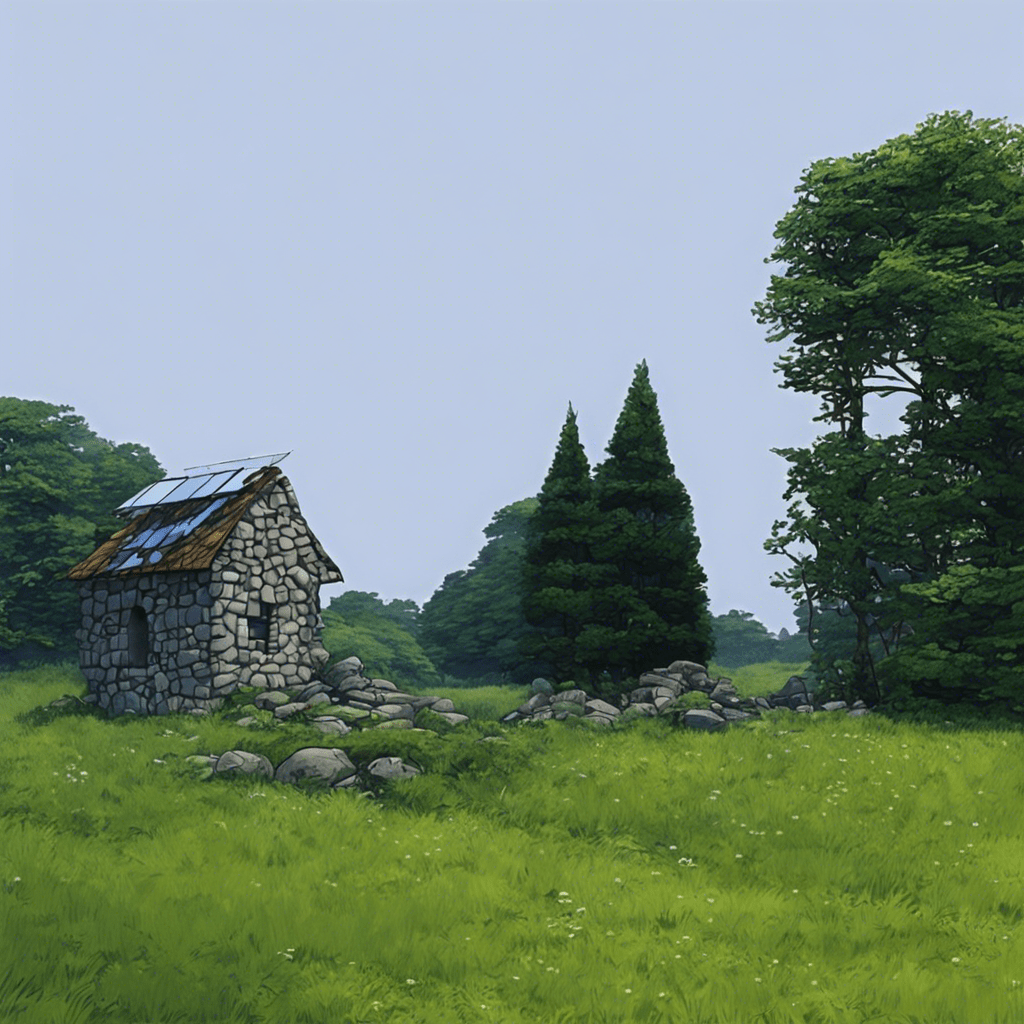
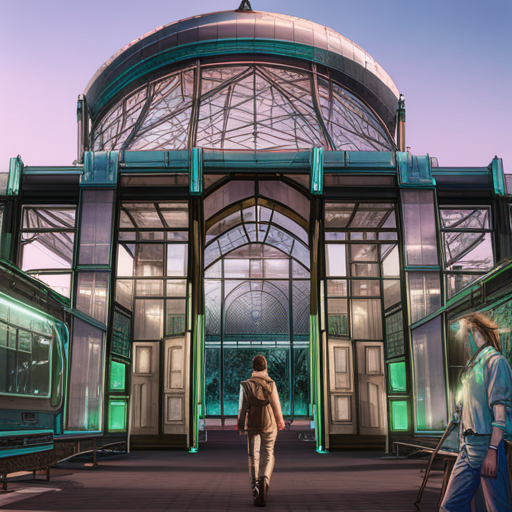
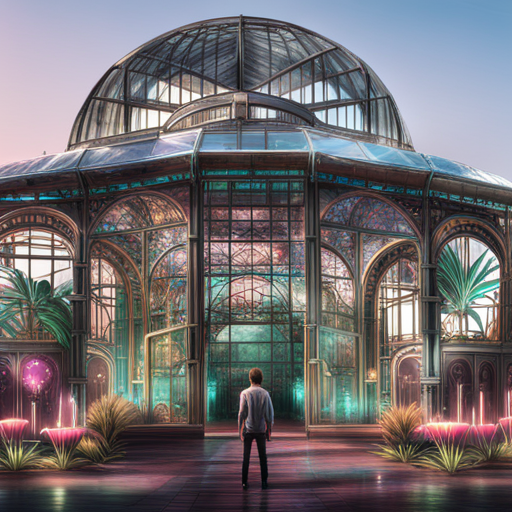
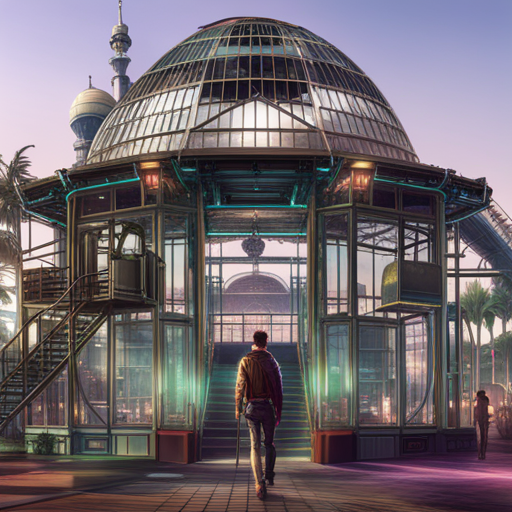
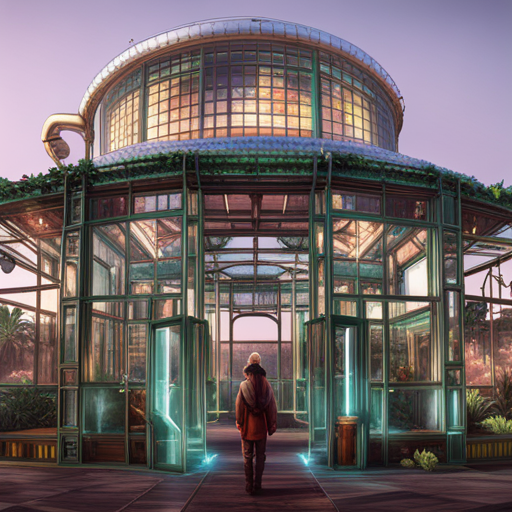
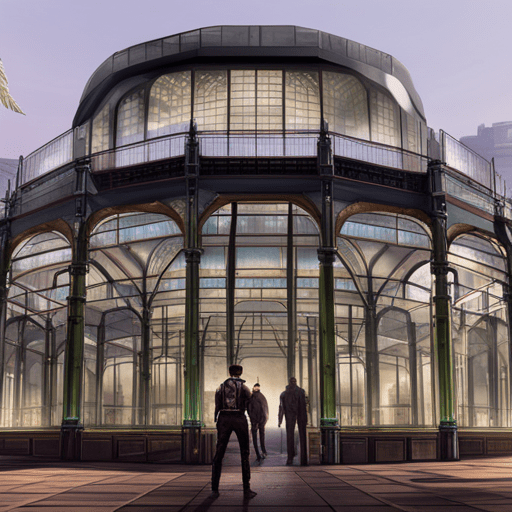
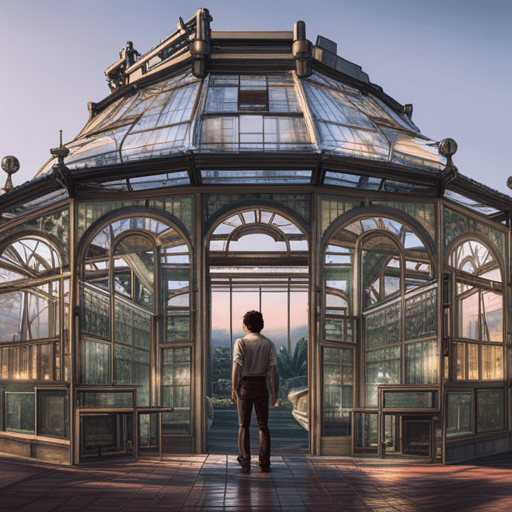
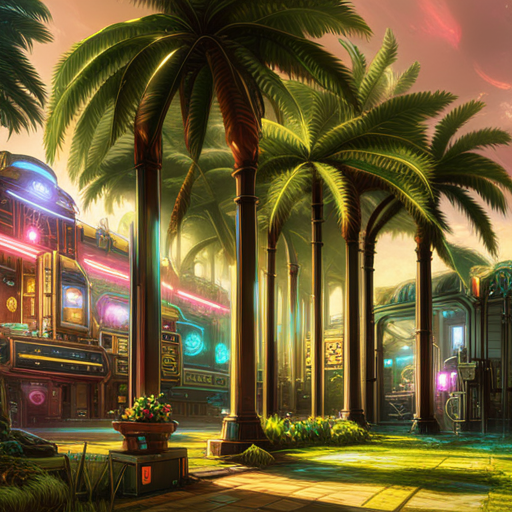
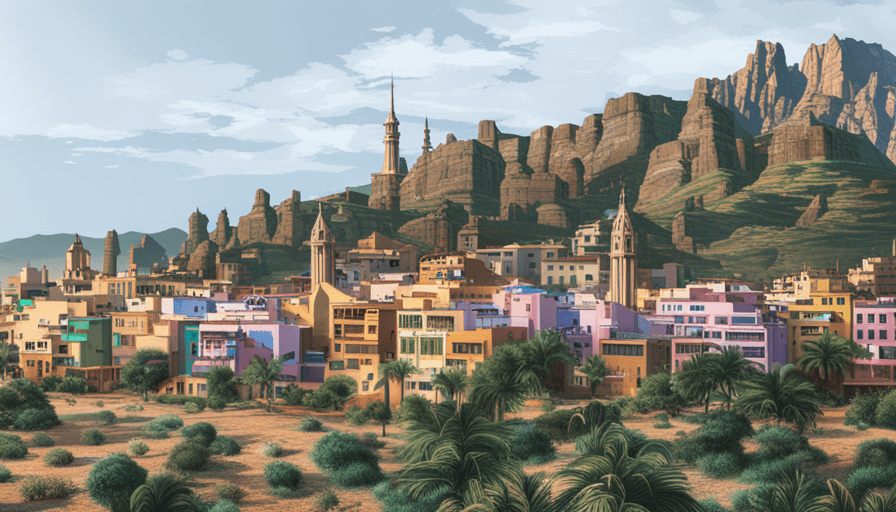
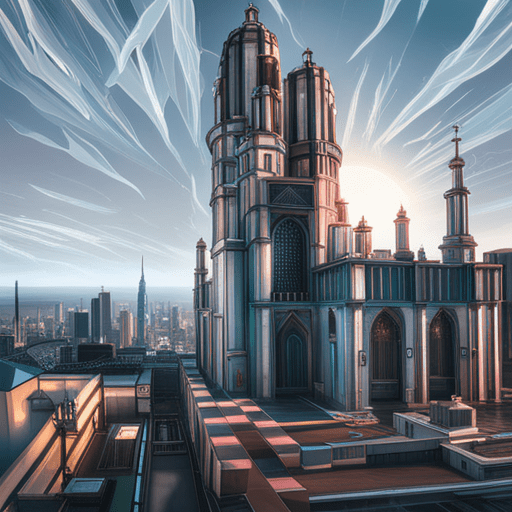
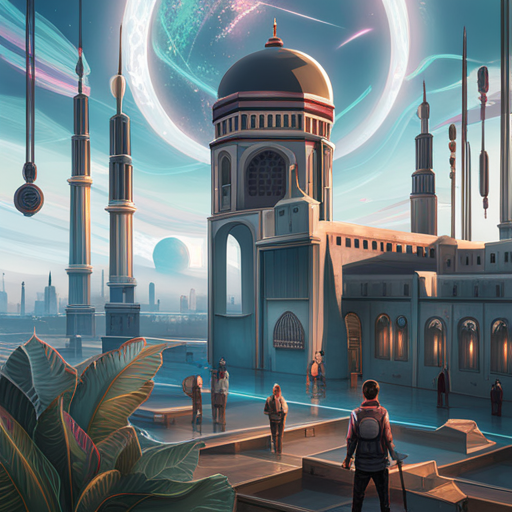
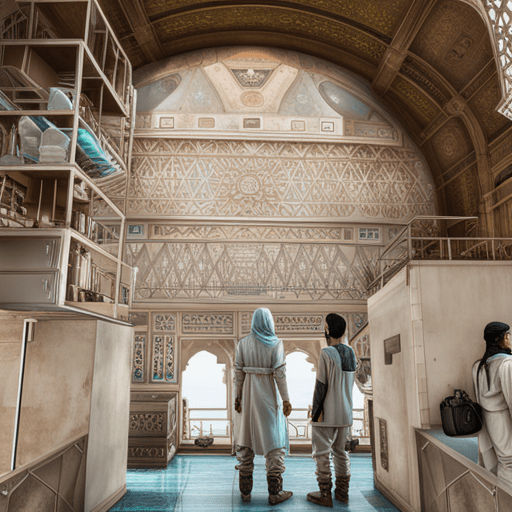
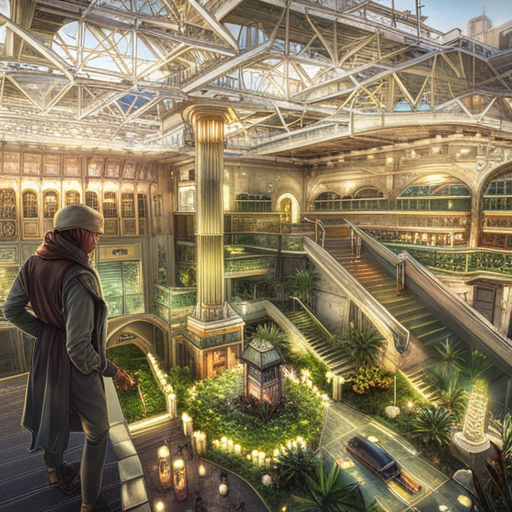
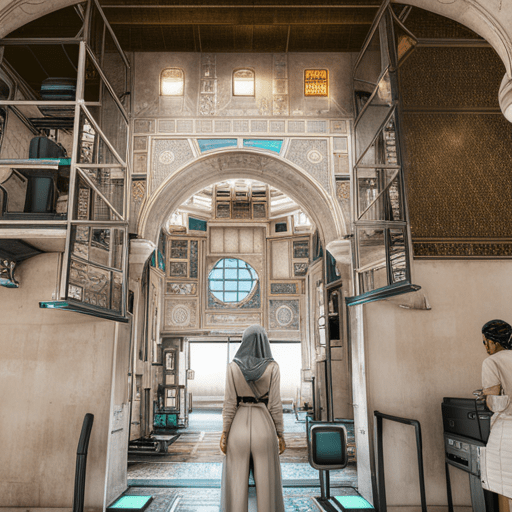
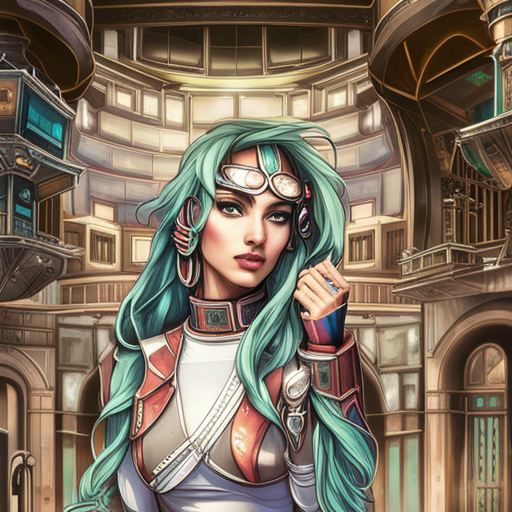
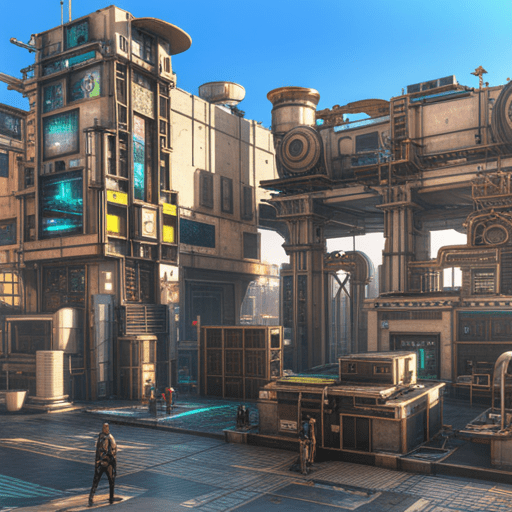
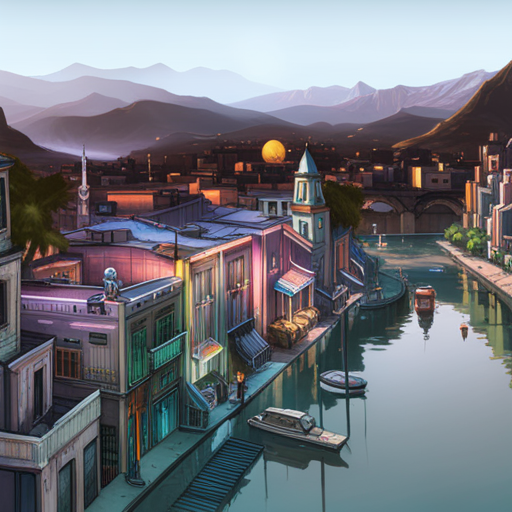
This is a collection of digital art that captures the vision of a solarpunk Ireland, along with images of a futuristic world inspired by the ancient Celts.
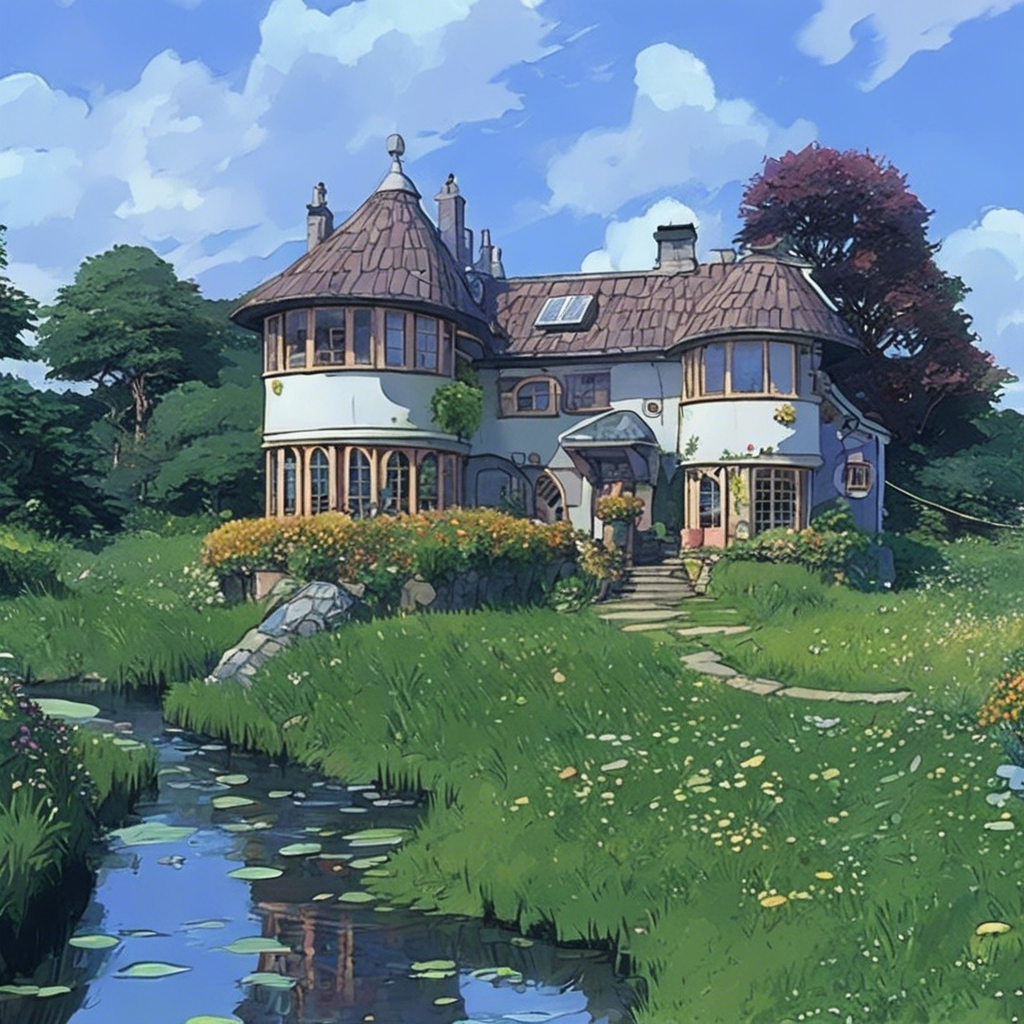
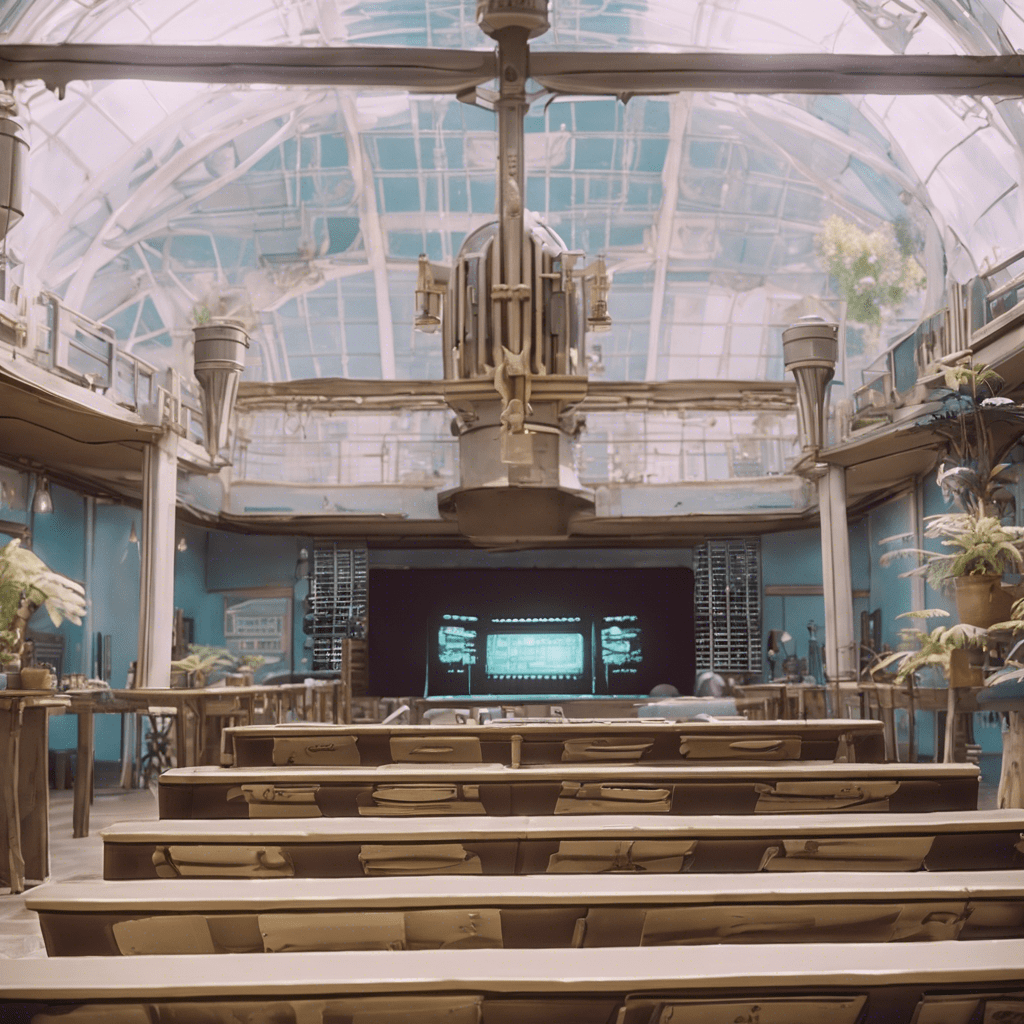
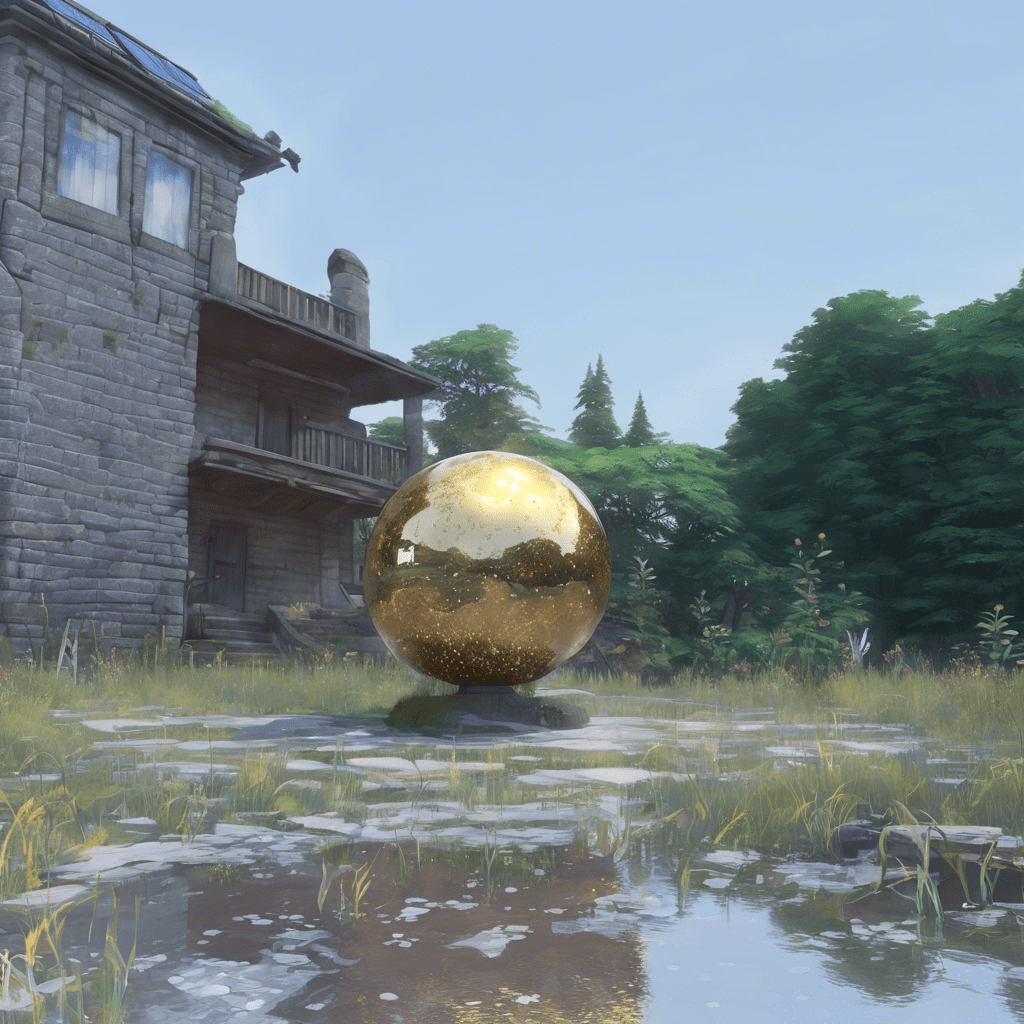
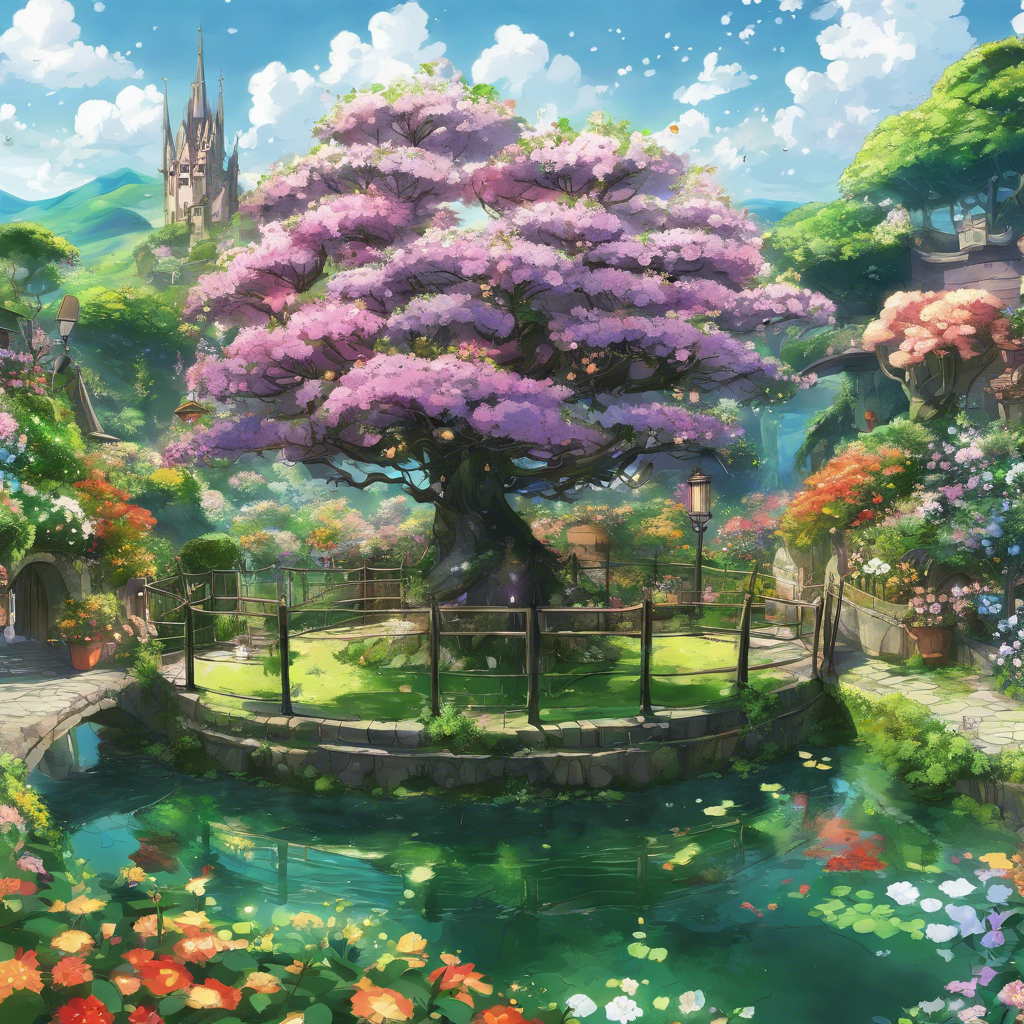
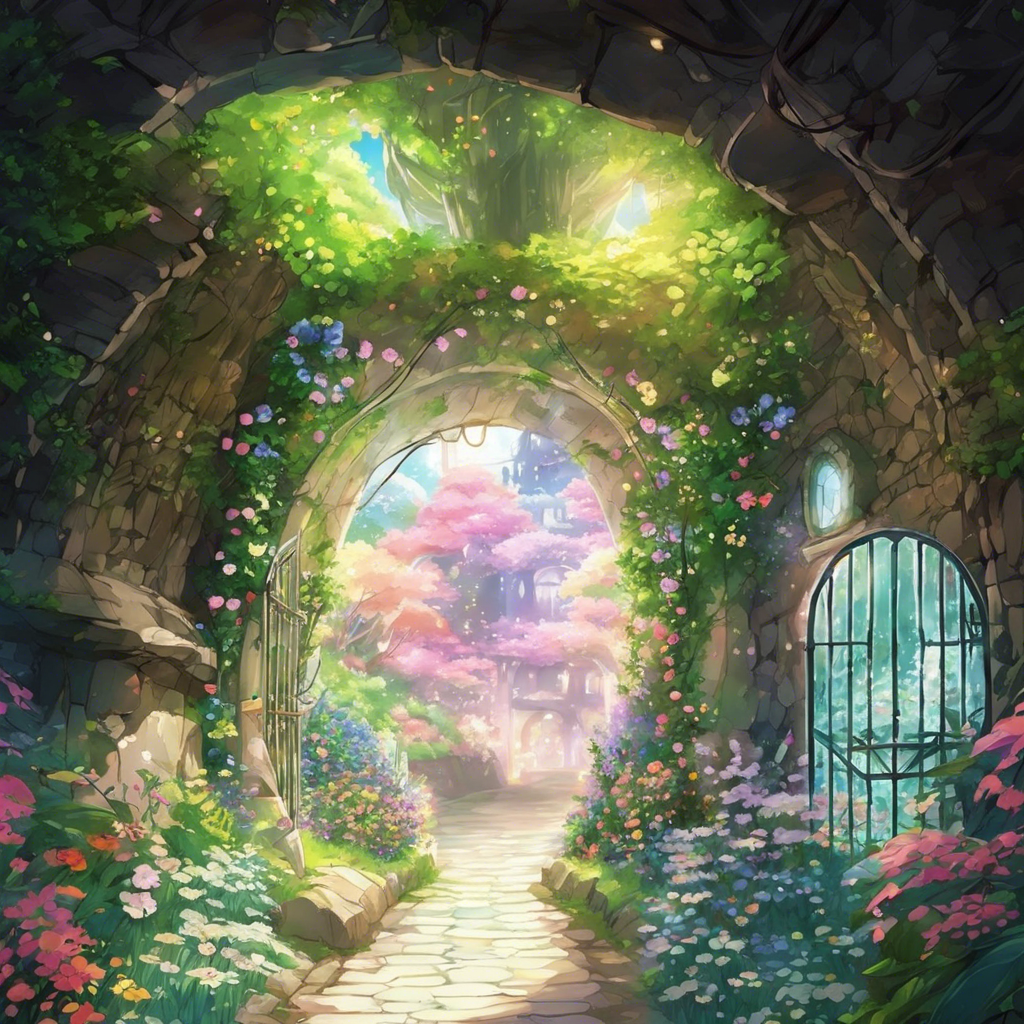
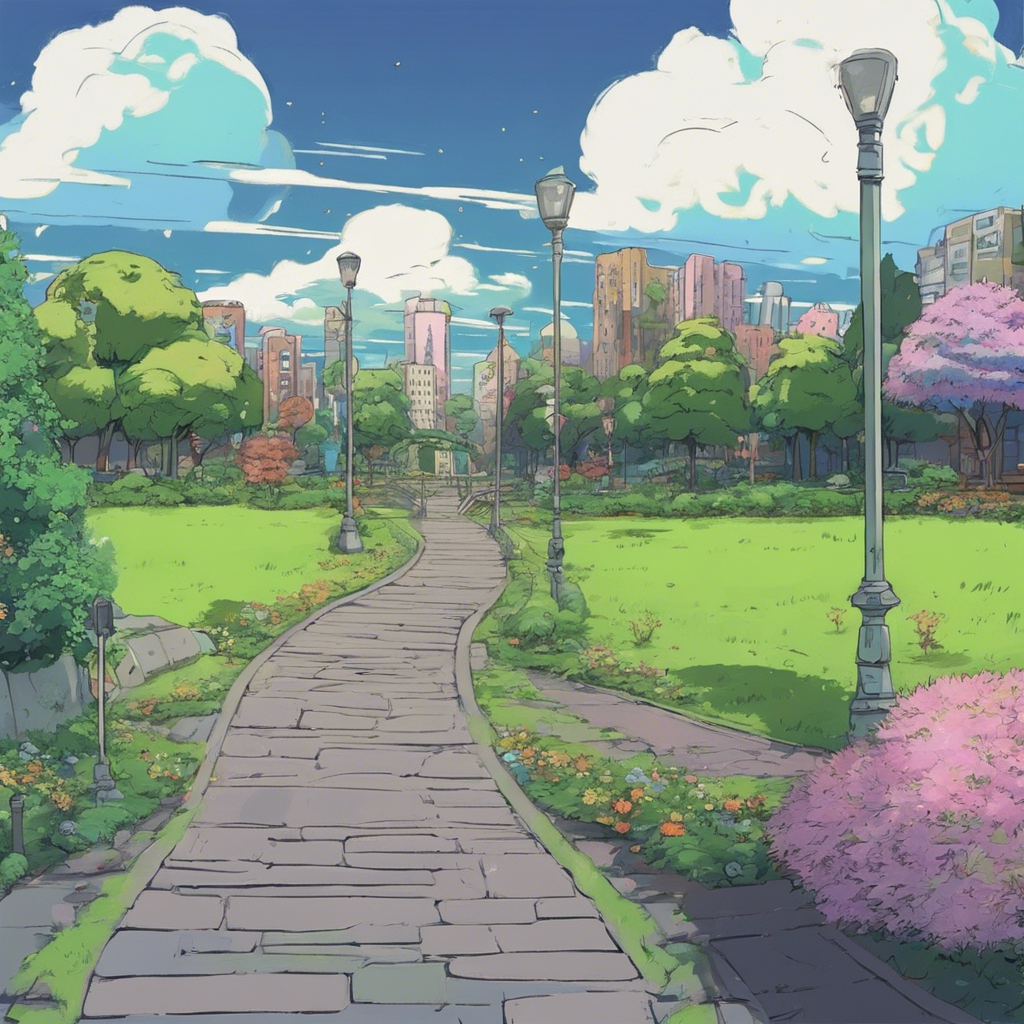
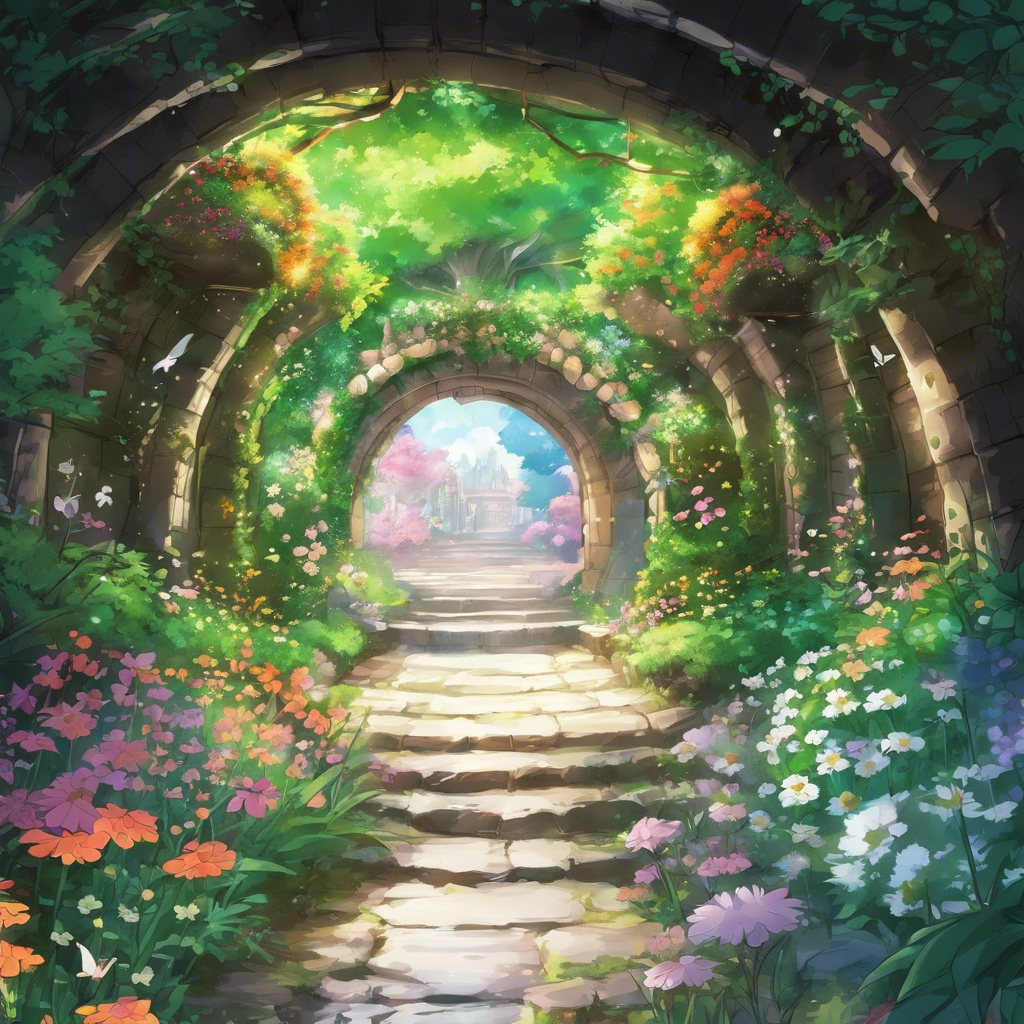
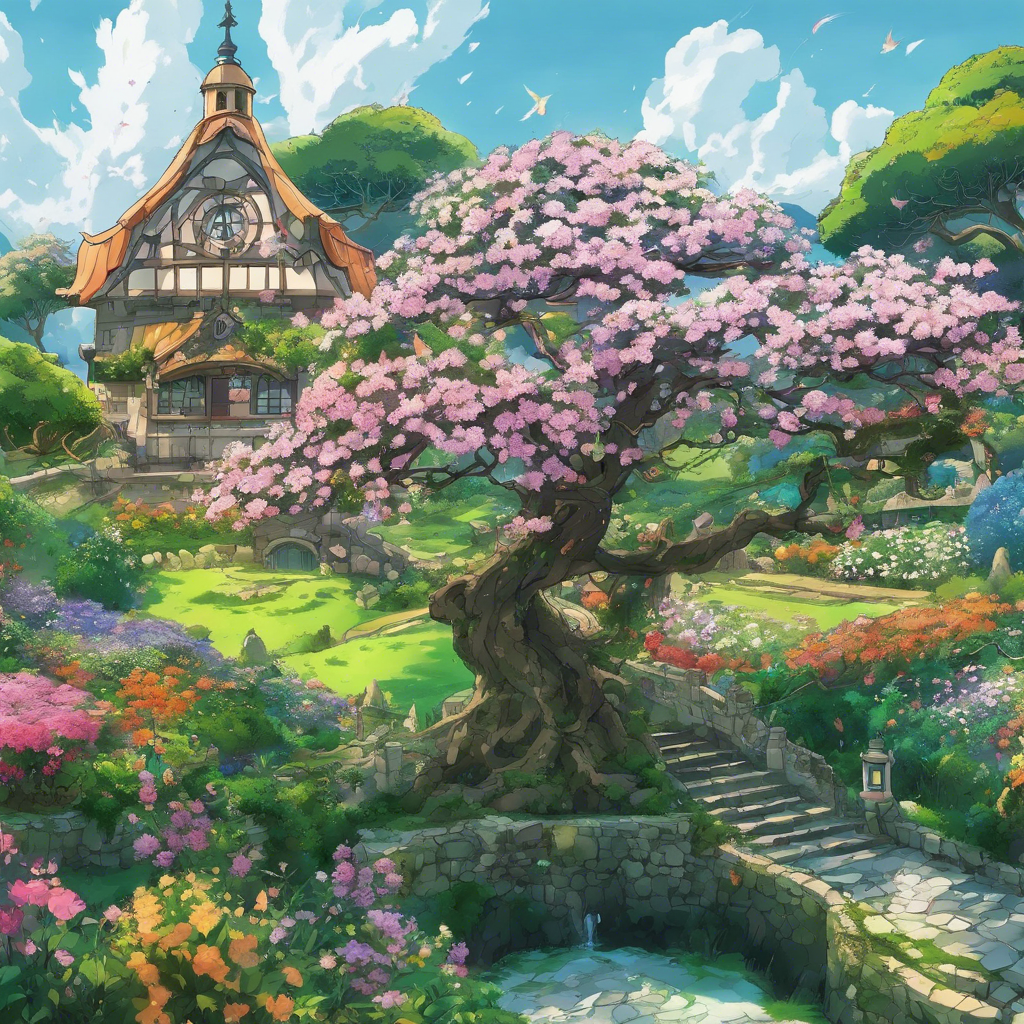
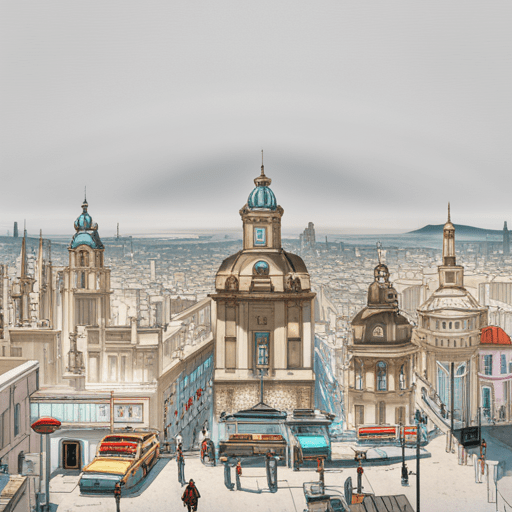
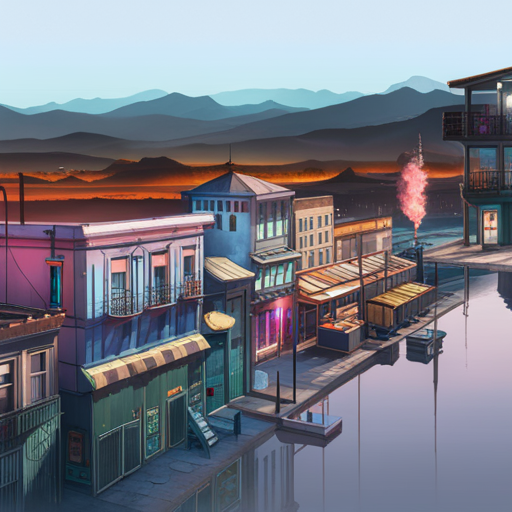
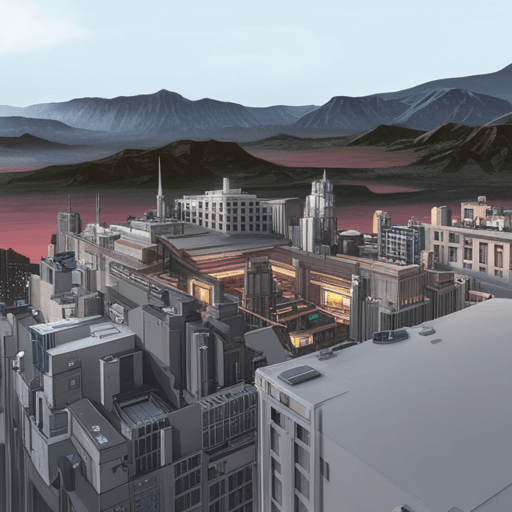
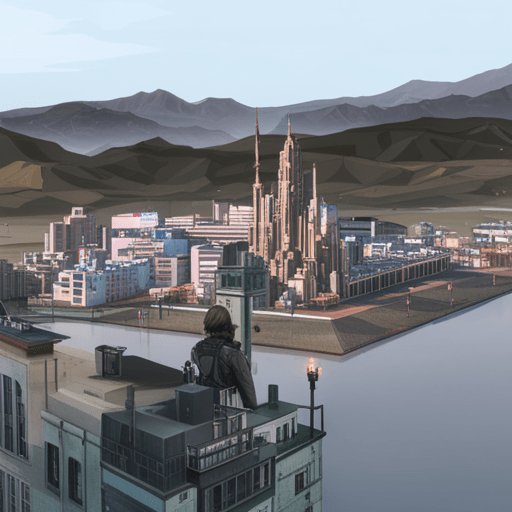
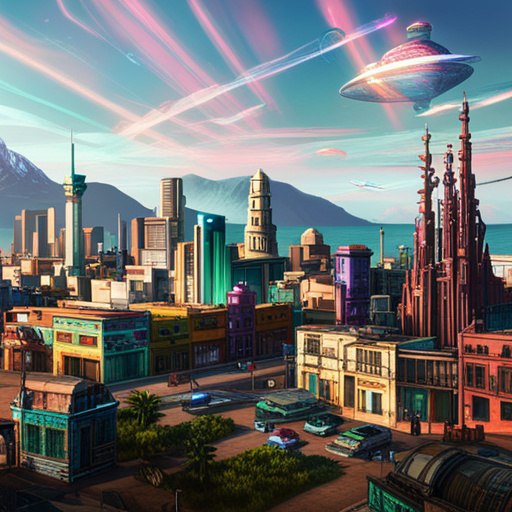
Back in May of this year, I visited Dublin, along with Western Ireland, where my ancestors are from, and took hundreds of photos of sweeping Irish landscapes, cobblestone houses in the countryside, churchs, ruins, castles, and Irish towns, such as Galway and Cork. In this collection of digital art, I used my photos of Ireland and enhanced them with Dream Studio, an AI art device. The collection below represents my experiment of enhancing pre-existing art with AI.
Solarpunk Ireland

Solarpunk is a literary and artistic movement that envisions and works toward actualizing a sustainable future interconnected with nature and community. The artistic genre uses the Art Nouveau style. The aesthetic also makes heavy use of bright colors and is often inspired by Studio Ghibli movies, particularly Castle in the Sky and Nausicaä of the Valley of the Wind.
Worldbuilding a Solarpunk Ireland

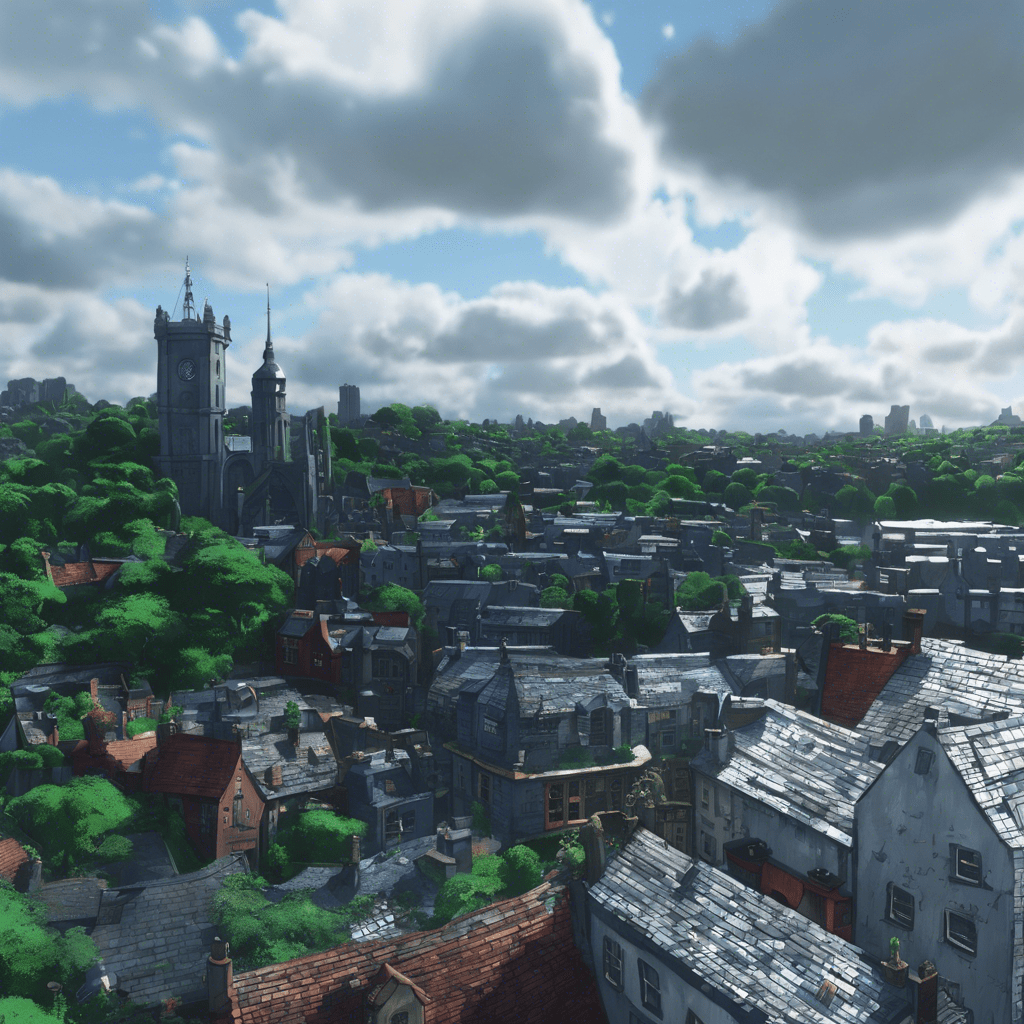
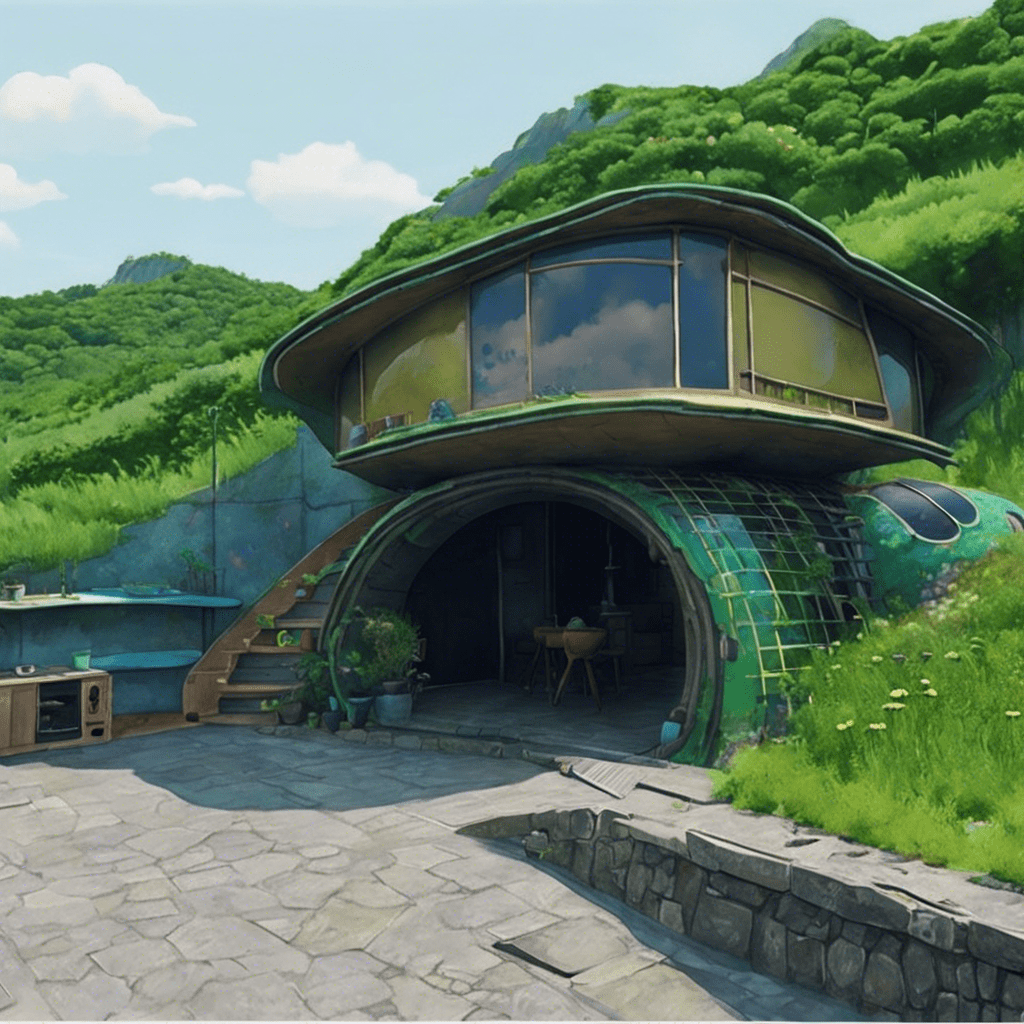
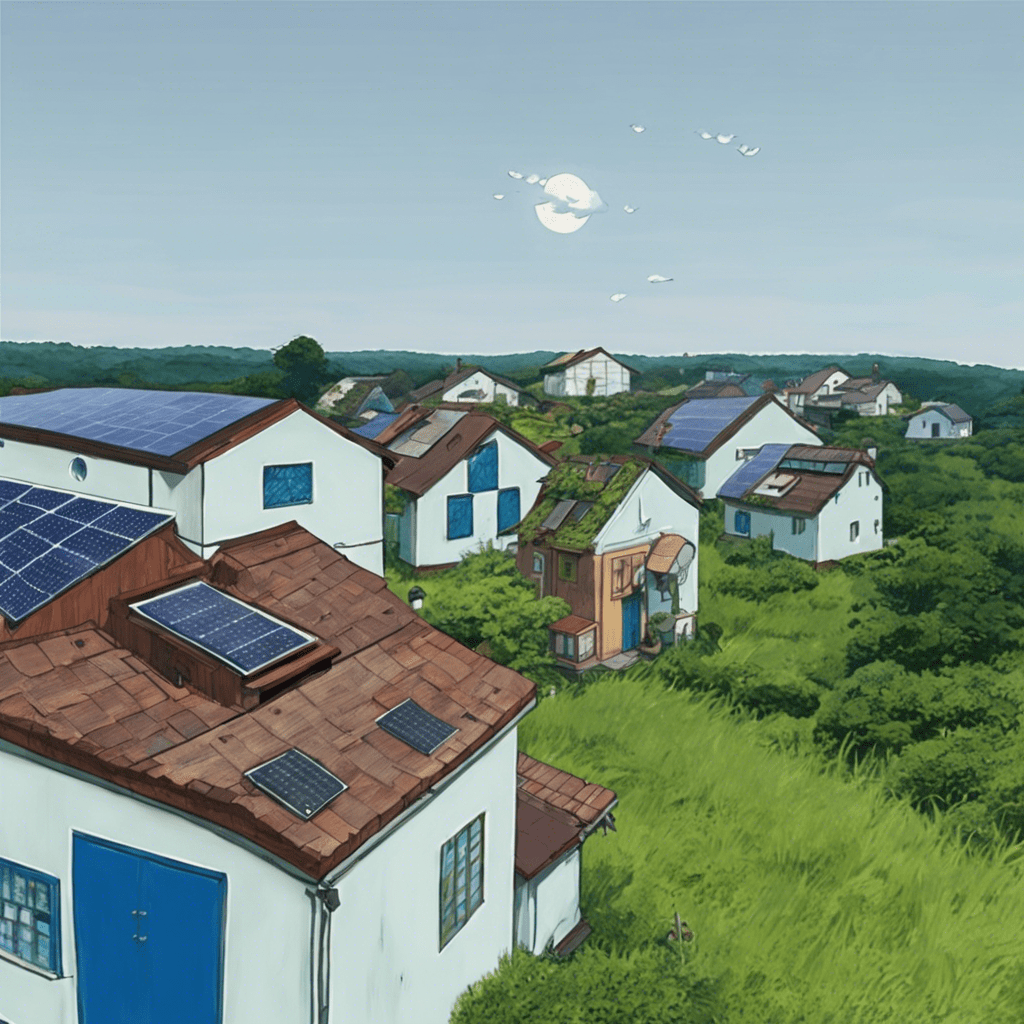
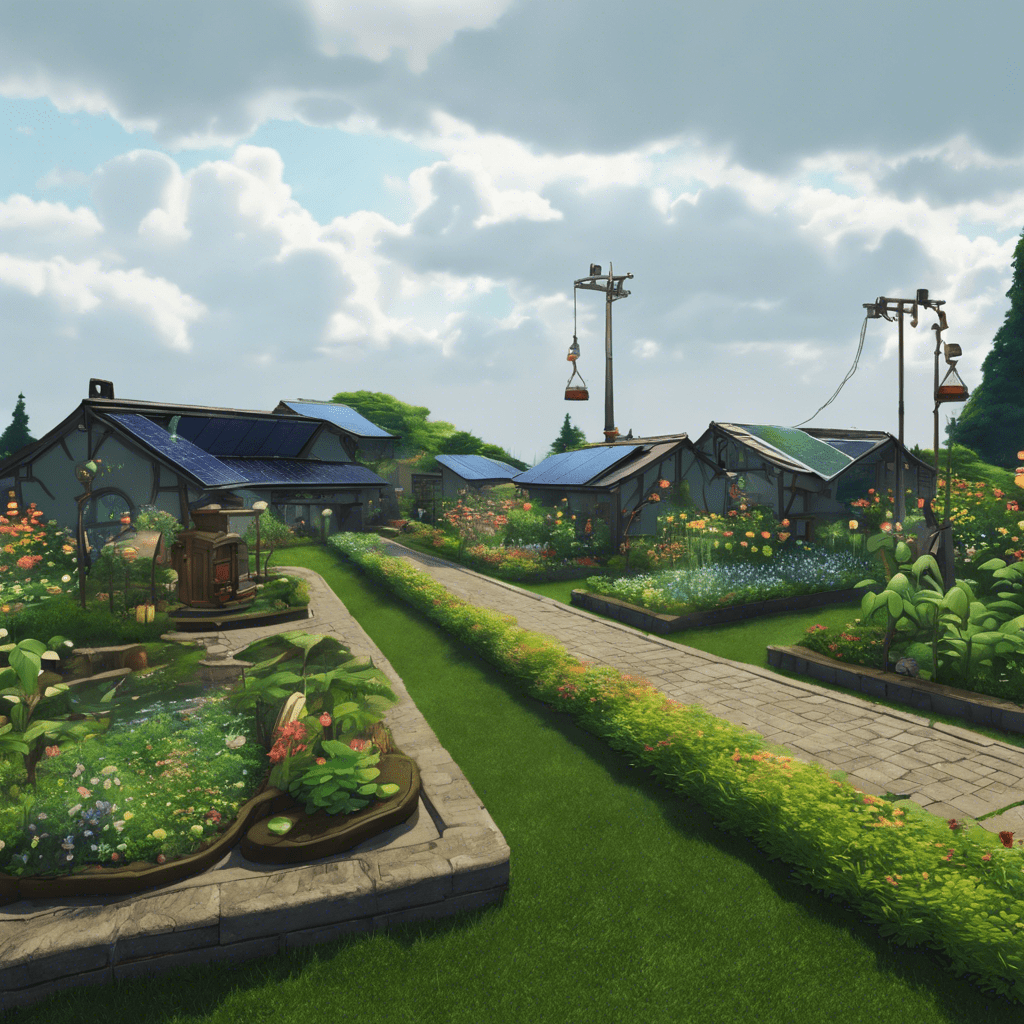
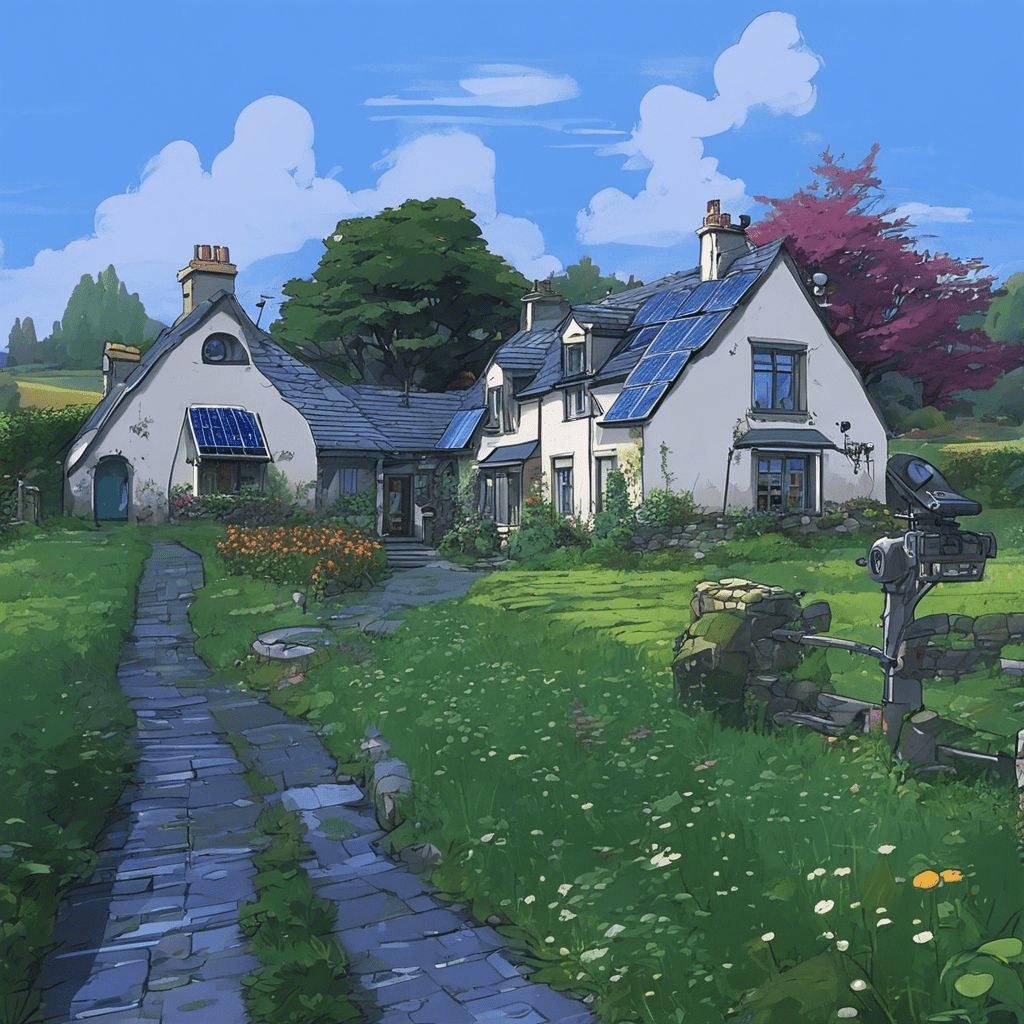
In a solarpunk, futuristic Ireland, the landscape is a harmonious blend of advanced technology and natural beauty, showcasing a society that has embraced renewable energy and sustainable practices. Solar panels are seamlessly integrated into the rooftops of homes and public buildings, capturing the sun’s energy even on overcast days. Wind turbines, gracefully turning along the windy coastline, provide a substantial portion of the country’s electricity, while wave and tidal energy converters harness the power of the Atlantic Ocean. Urban areas are designed with green roofs and vertical gardens, transforming cities into lush, living ecosystems that produce food and filter the air.
Agriculture in Ireland thrives on principles of permaculture and regenerative farming. Fertile fields and pastures, nurtured by Ireland’s abundant cattle, sheep, and crop rotation, yield abundant harvests without depleting the soil. Traditional farms coexist with high-tech vertical farms and aquaponic systems, ensuring a steady supply of fresh, organic produce year-round. Coastal communities sustainably harvest fish and seaweed, maintaining the delicate balance of marine ecosystems. Forests are carefully managed to provide timber and other resources, with reforestation efforts ensuring that forest cover is continually expanding, supporting biodiversity and sequestering carbon.
Alternative Celtic History
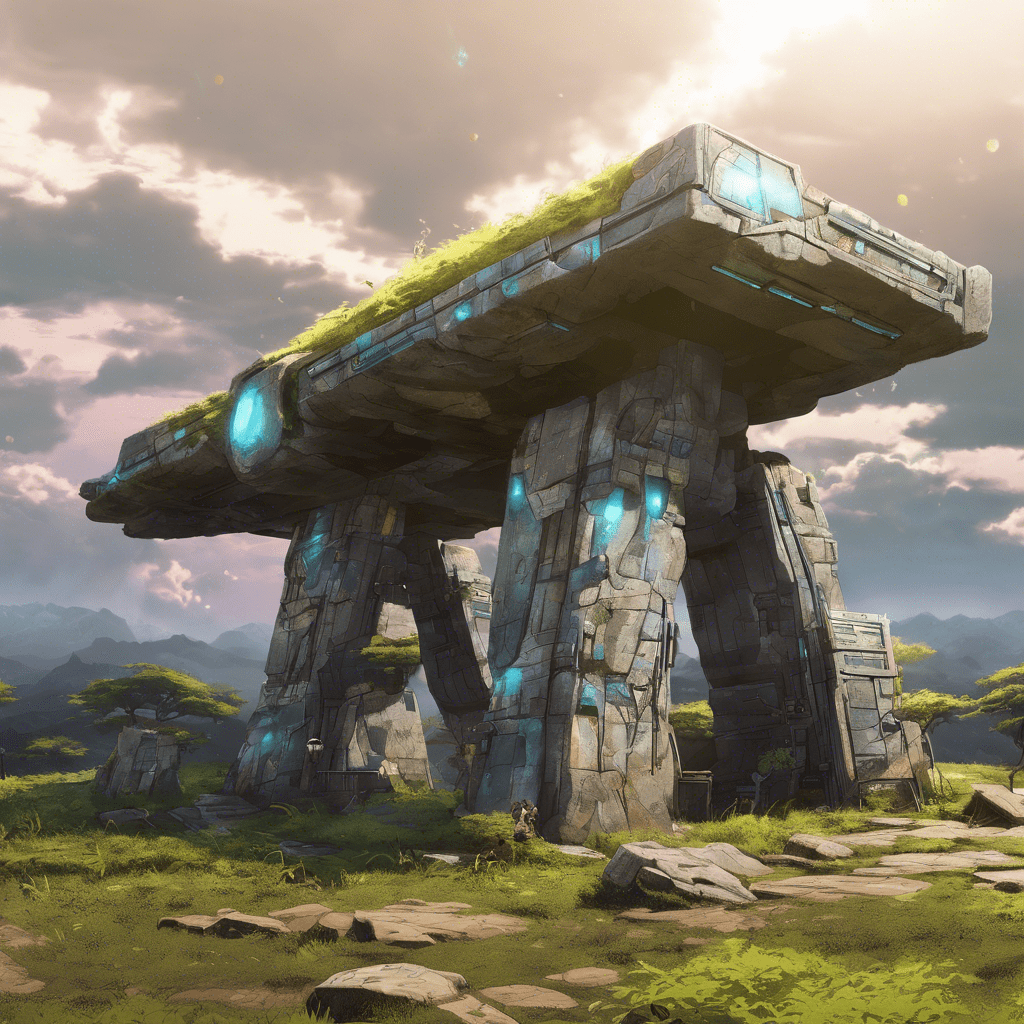
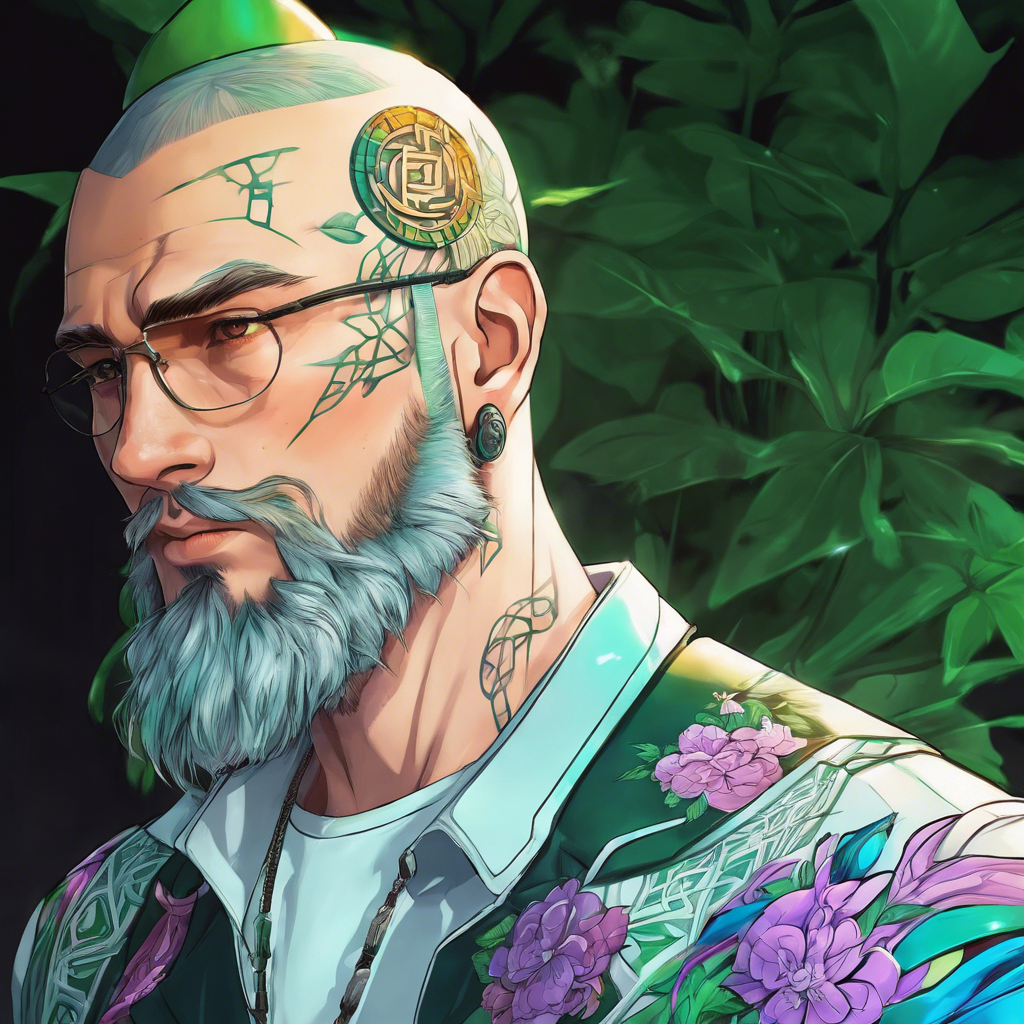
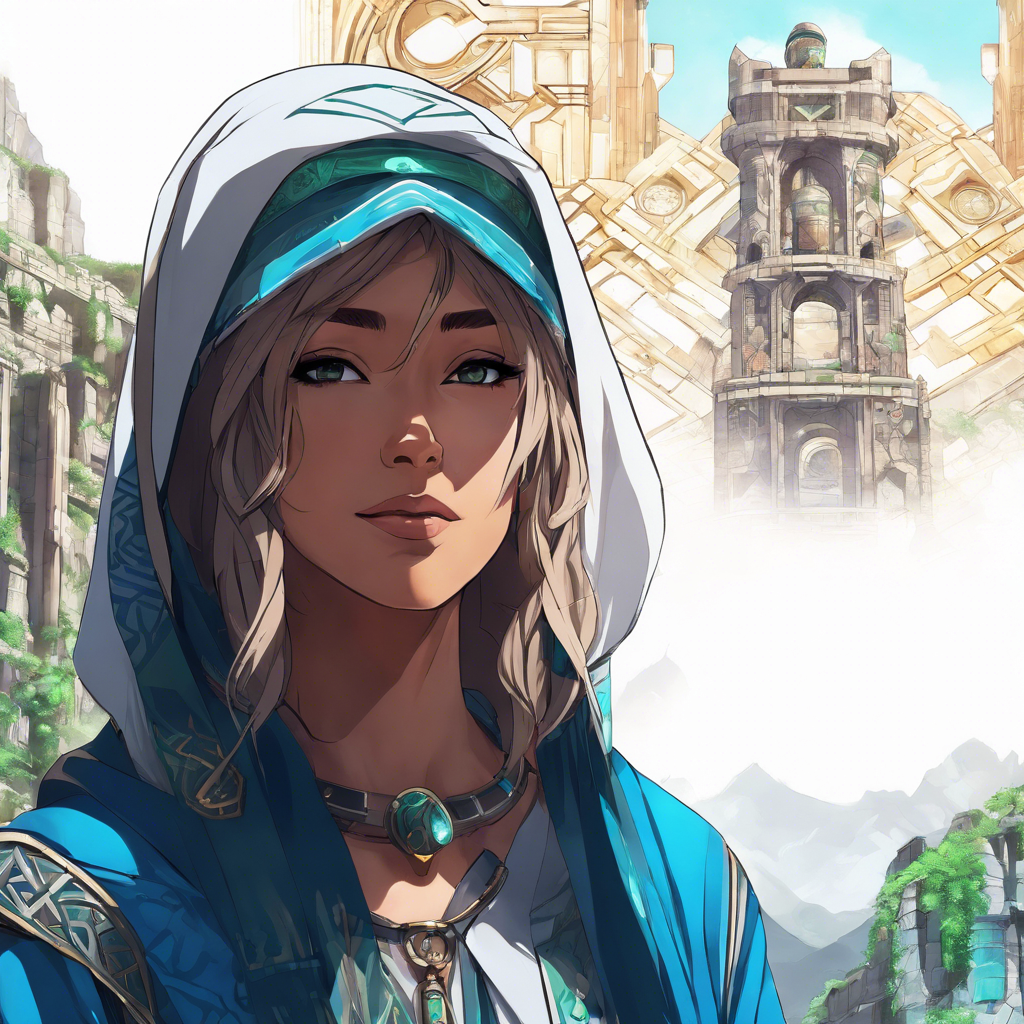
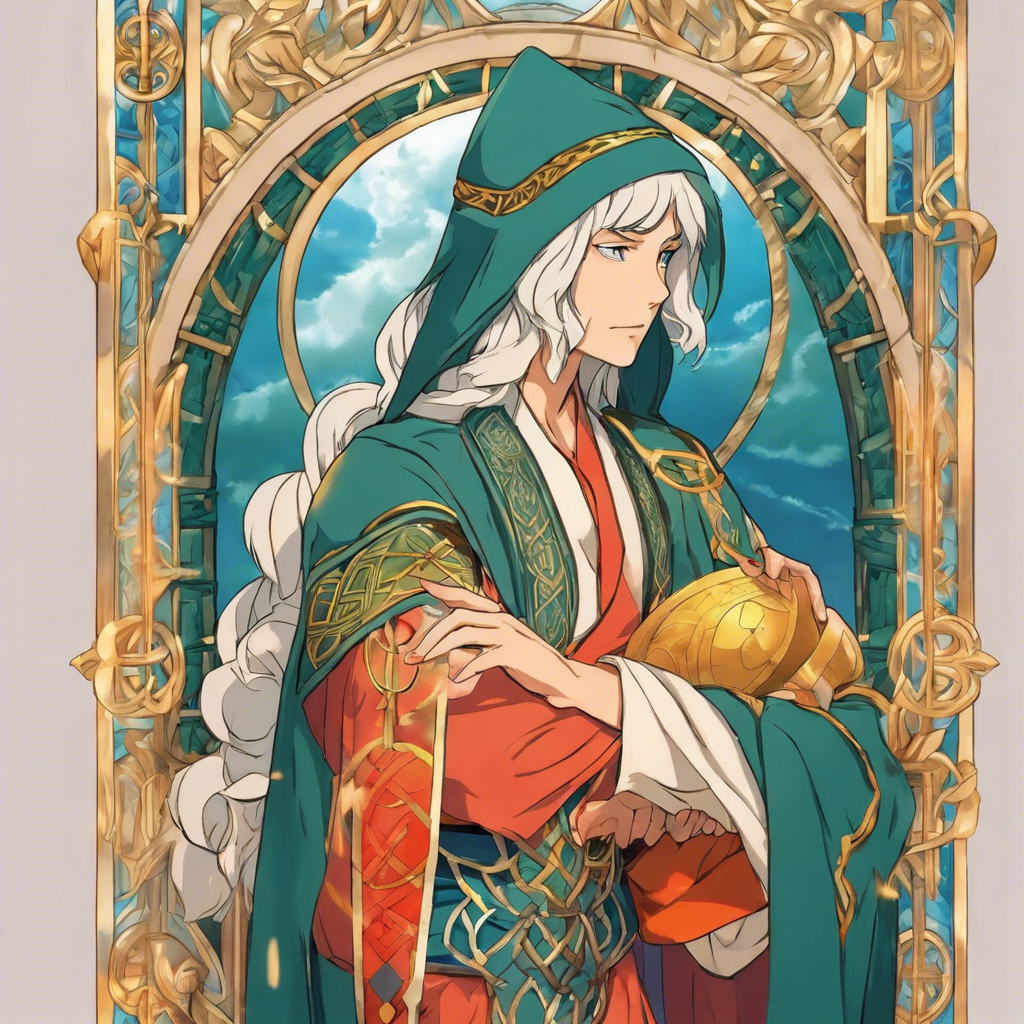
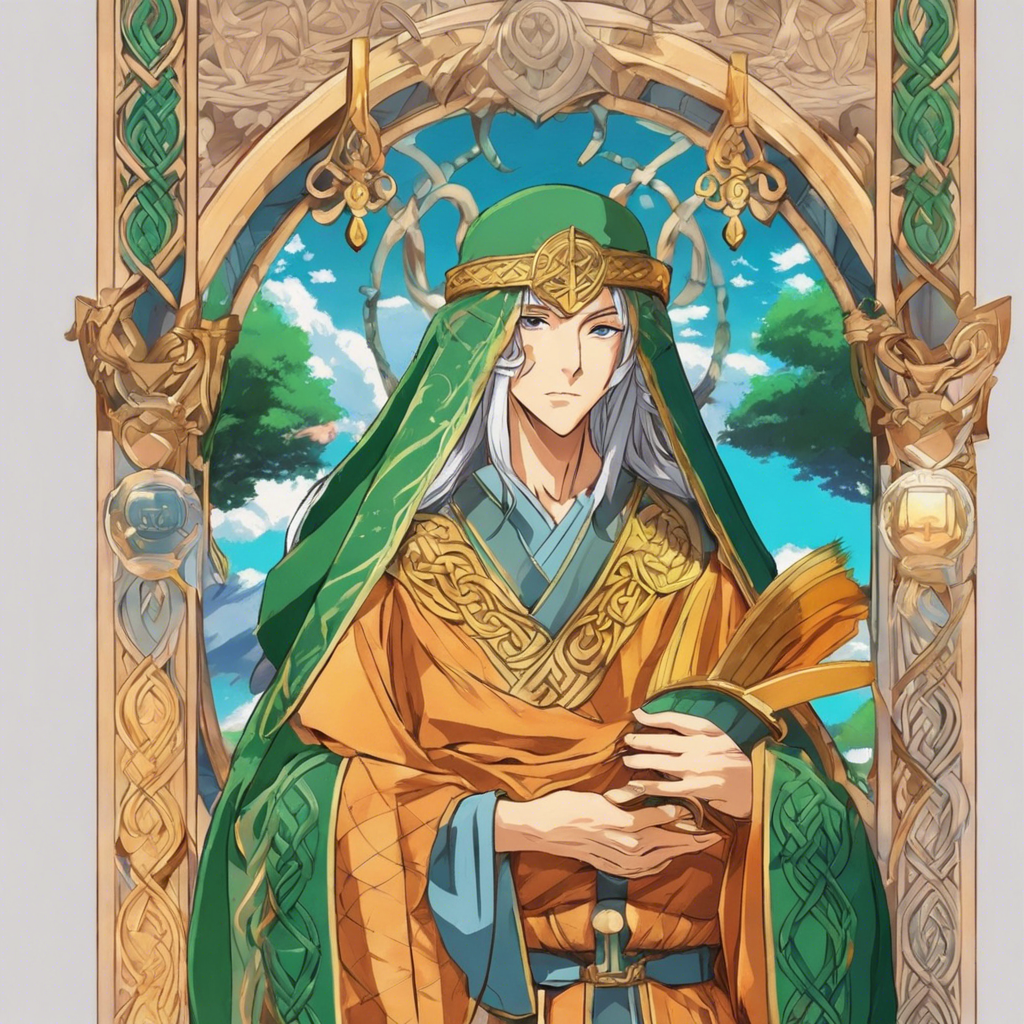
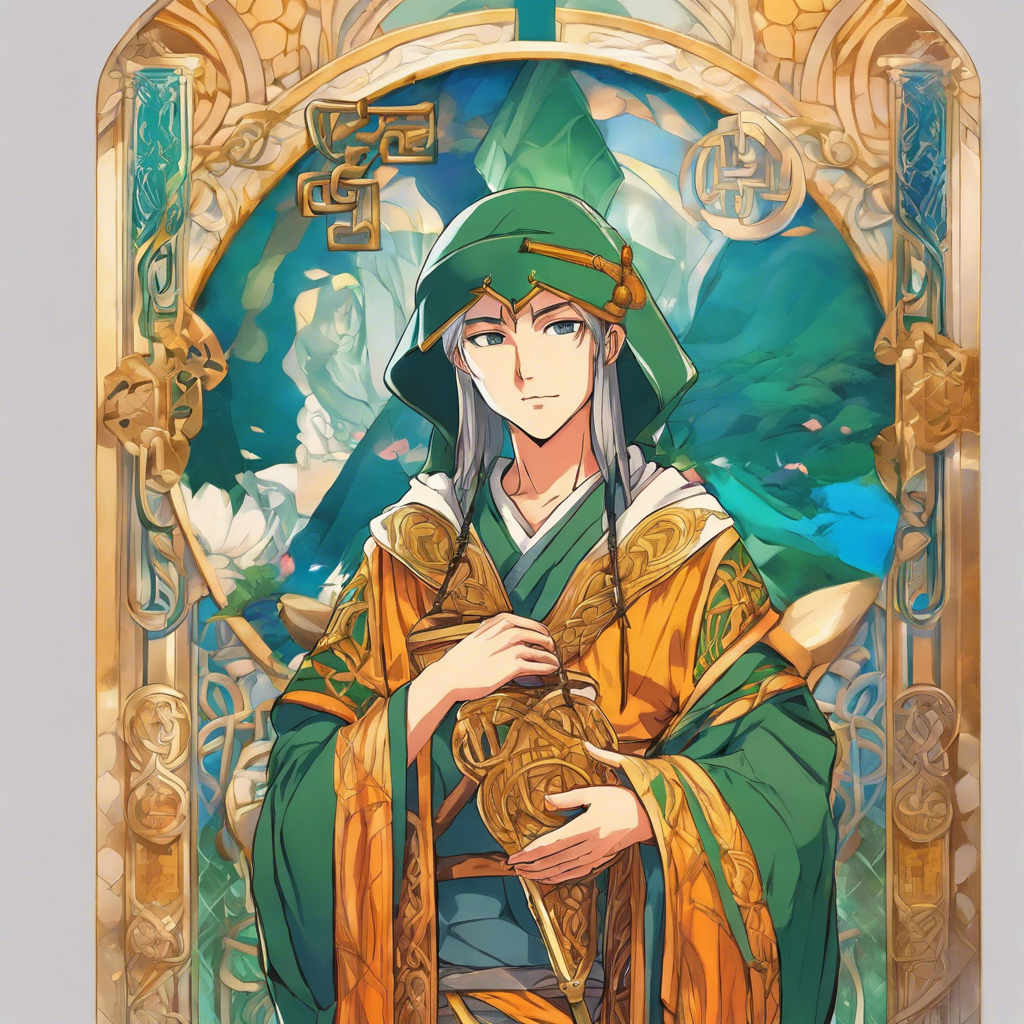
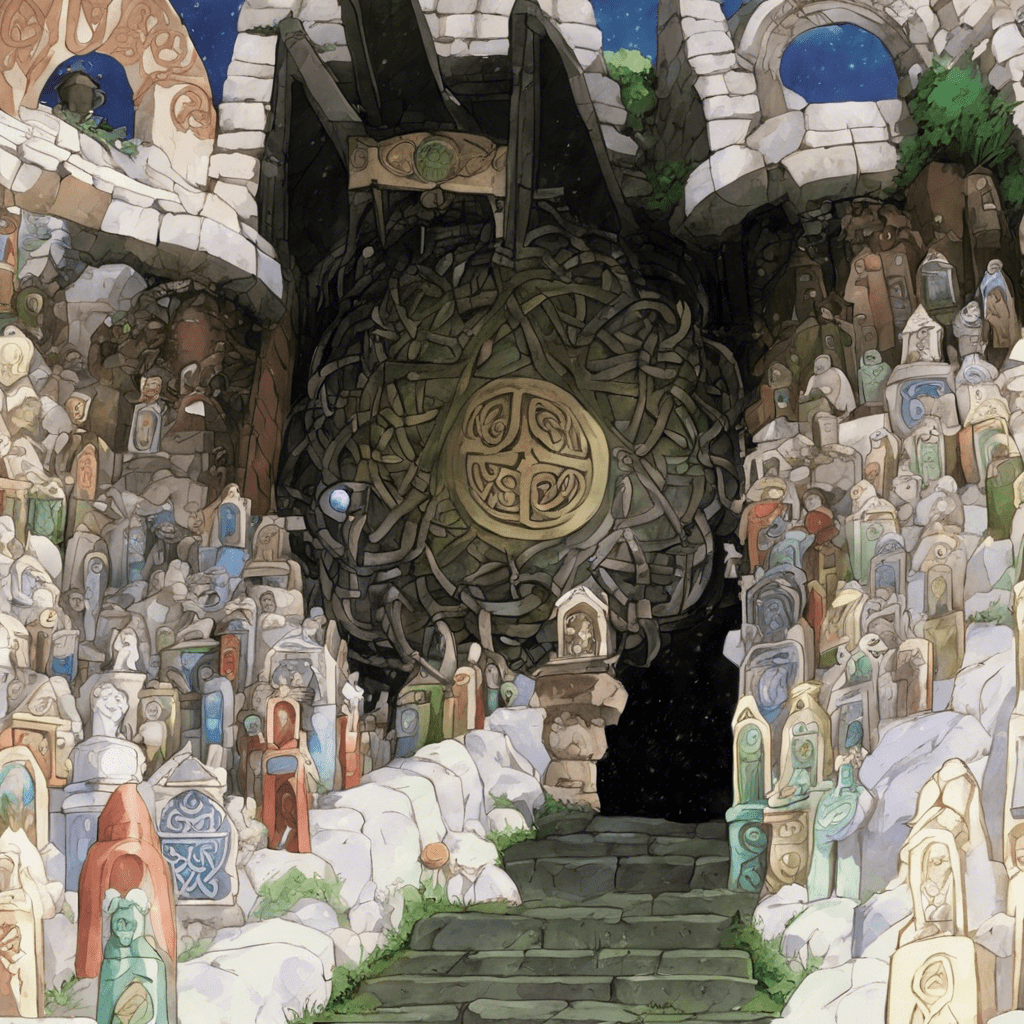
In an alternative history where the Celtic people were never conquered, their society evolves with a profound connection to nature, deeply rooted in Druidic customs and Celtic lore. This solarpunk future reflects a harmonious blend of ancient wisdom and advanced technology. The Celts, with their reverence for the natural world, develop sophisticated sustainable practices, seamlessly integrating renewable energy and eco-friendly living into their everyday lives.
The landscape of this Celtic society is dotted with roundhouses and crannogs, traditional structures made from locally sourced, sustainable materials like timber and thatch. These dwellings are updated with green roofs and solar panels, providing energy while maintaining harmony with the environment. Sacred groves, revered as places of worship and reflection, are meticulously preserved, and advanced techniques in agroforestry and permaculture ensure that agriculture supports biodiversity and soil health. Celtic knotwork and ogham inscriptions adorn public spaces, celebrating cultural heritage while embracing cutting-edge design.
In this futuristic Celtic society, Druids play a central role as both spiritual leaders and keepers of knowledge. They oversee the use of renewable resources, guiding communities in the sustainable harvest of timber, the management of waterways, and the harnessing of wind and solar energy. Education is holistic, combining ancient lore with scientific inquiry. Children learn the healing properties of plants alongside principles of renewable energy and environmental stewardship. Festivals celebrate the changing seasons, with music, dance, and storytelling reinforcing communal bonds and cultural identity.
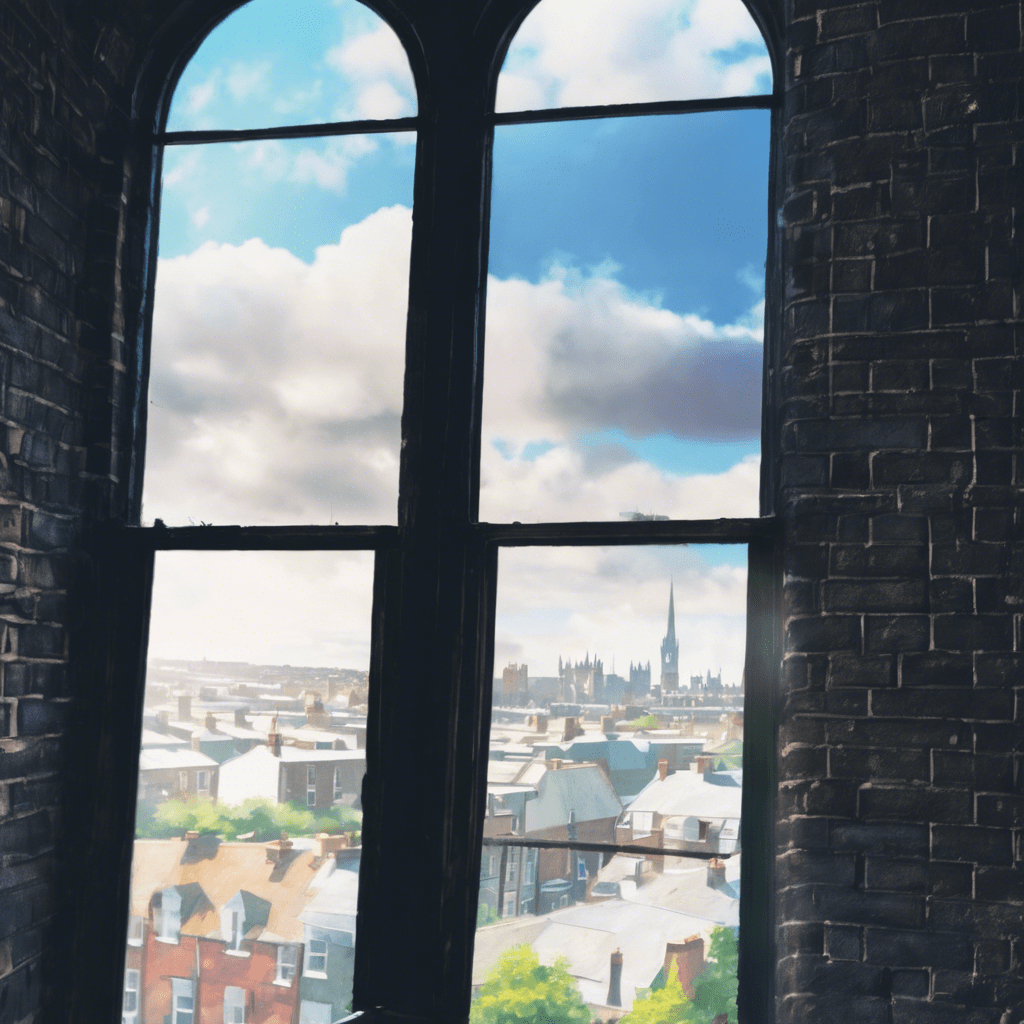
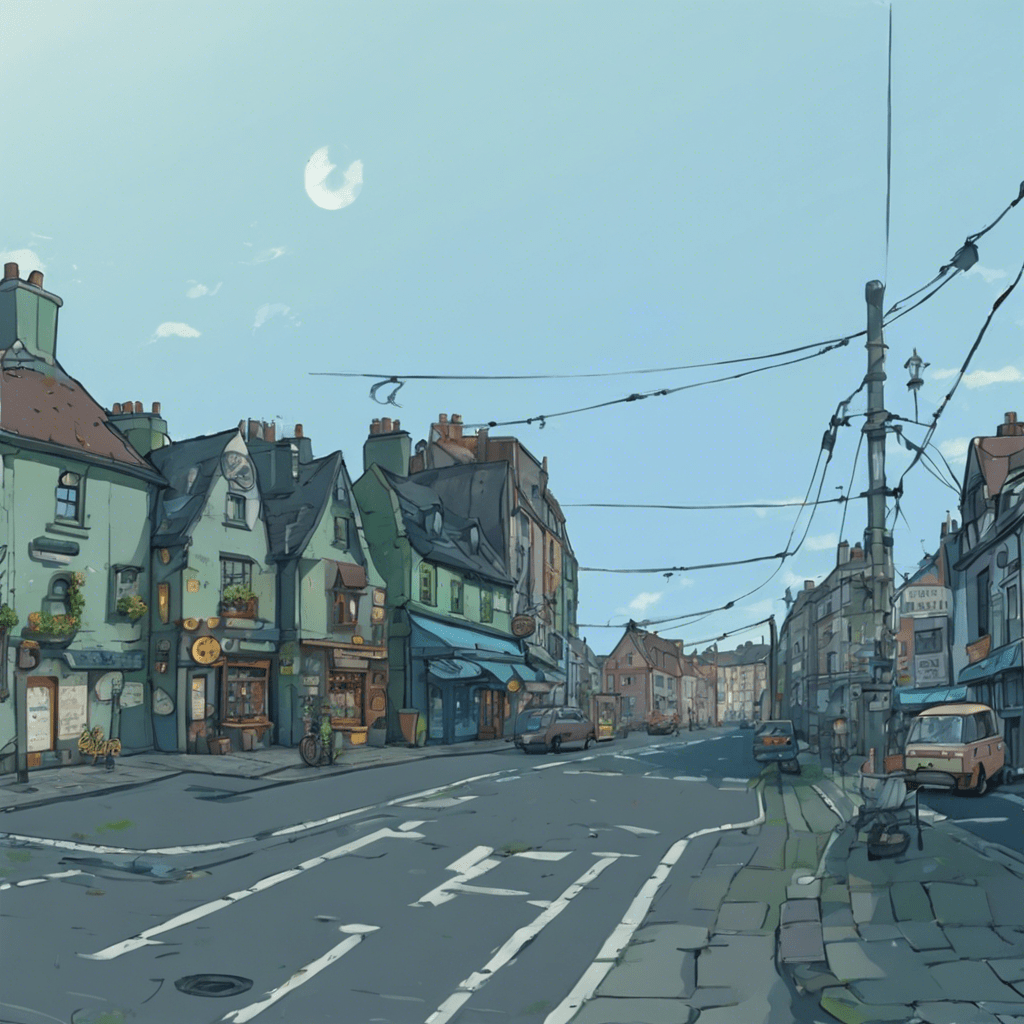
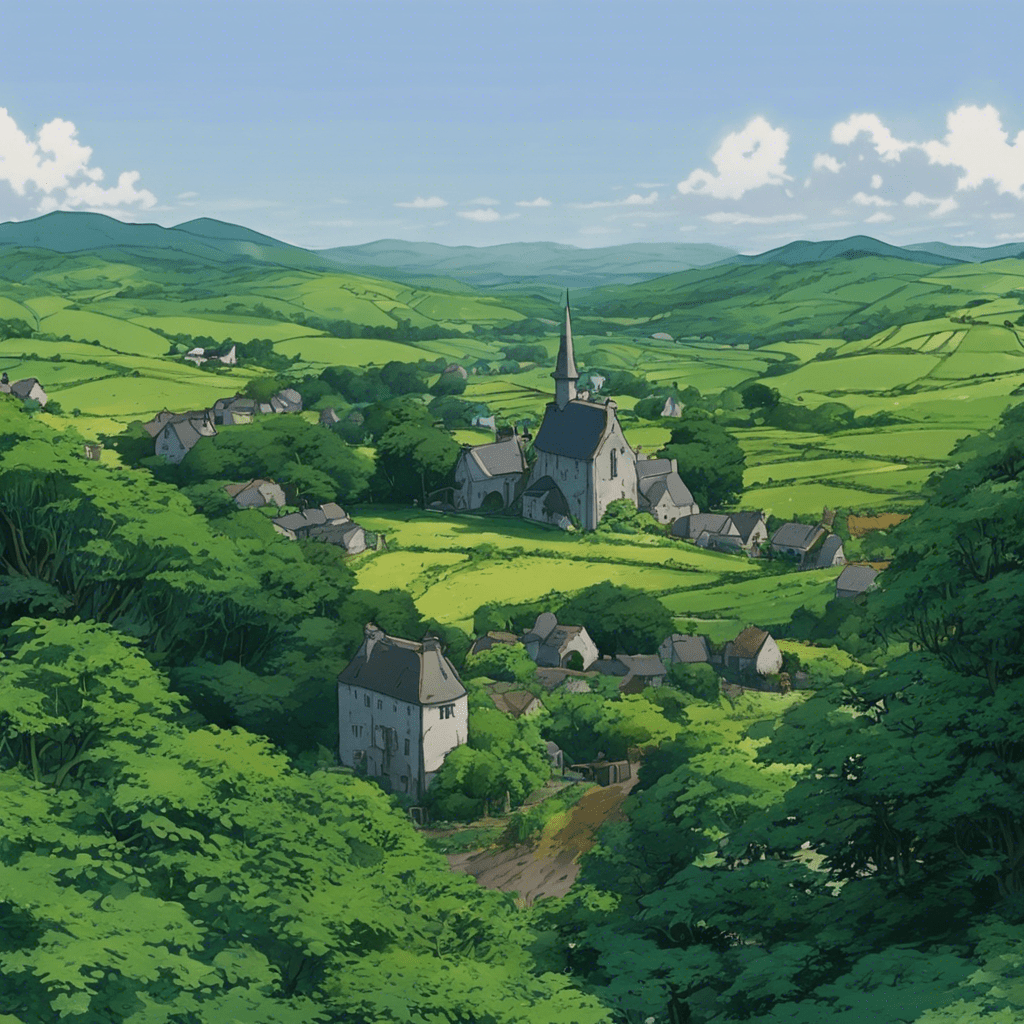
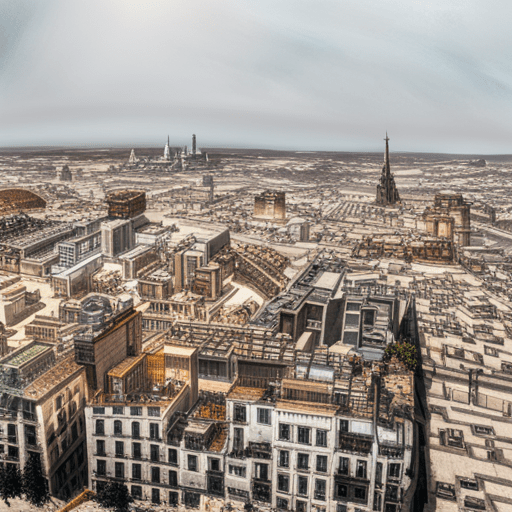
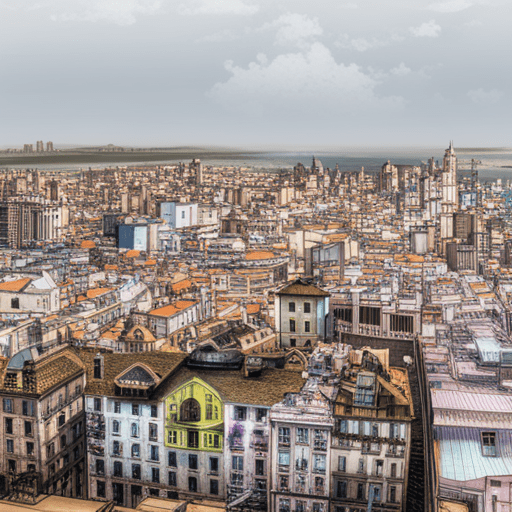
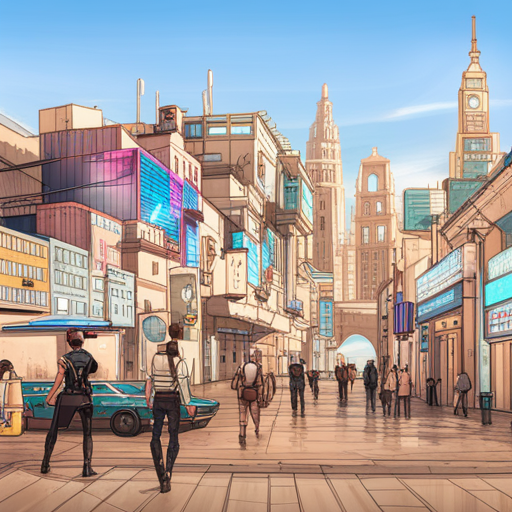
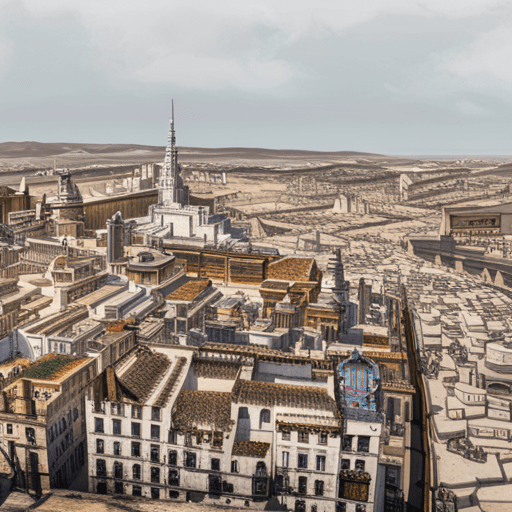
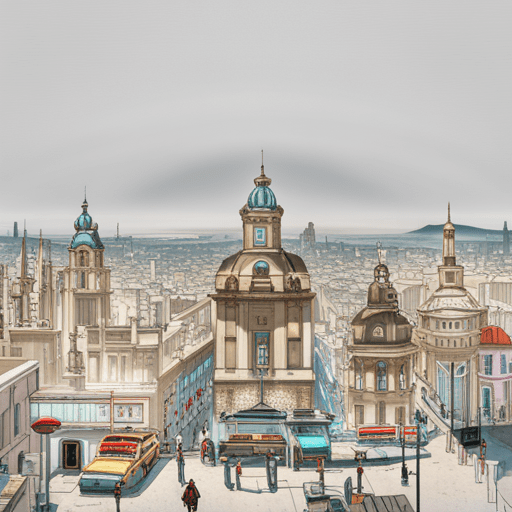
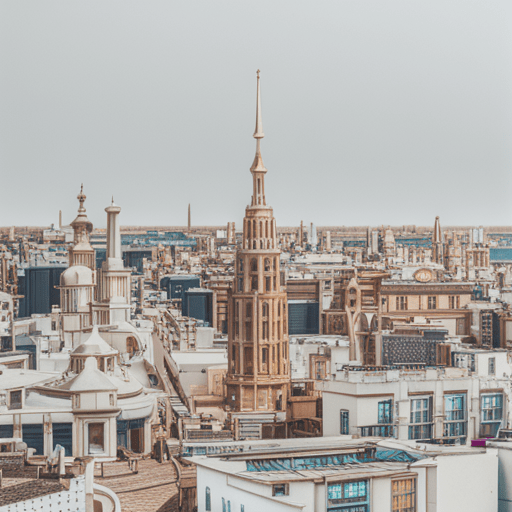
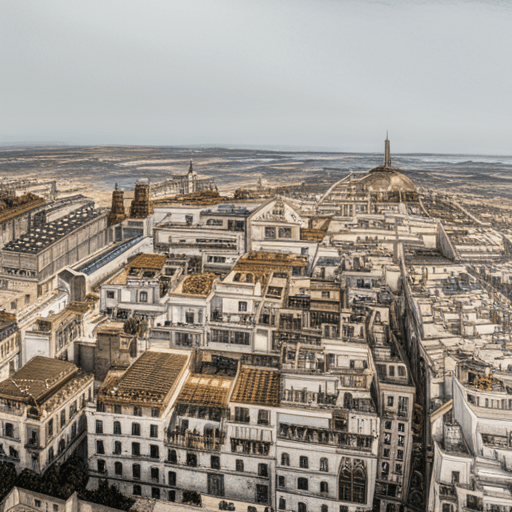
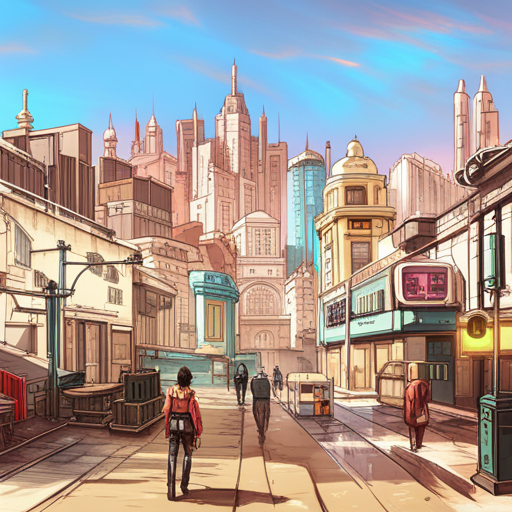
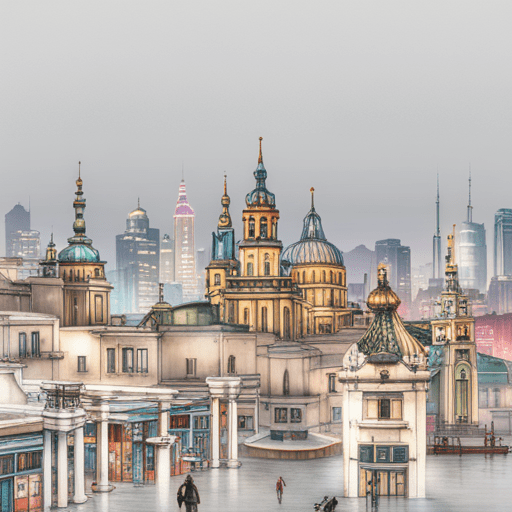
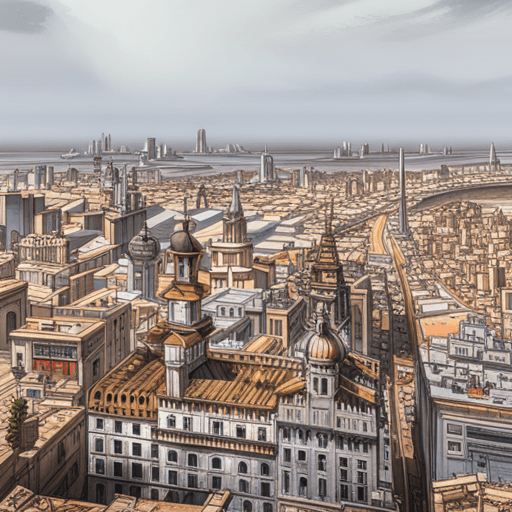
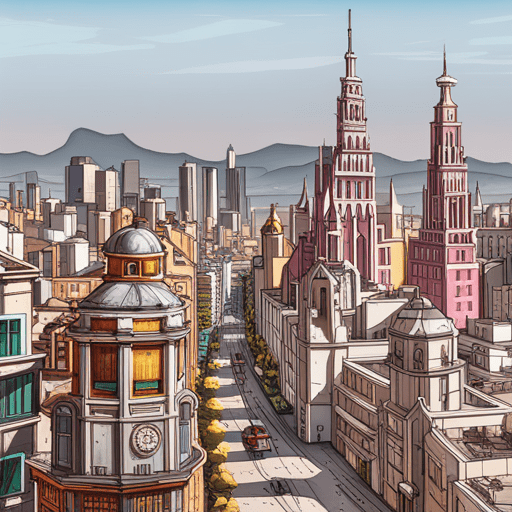
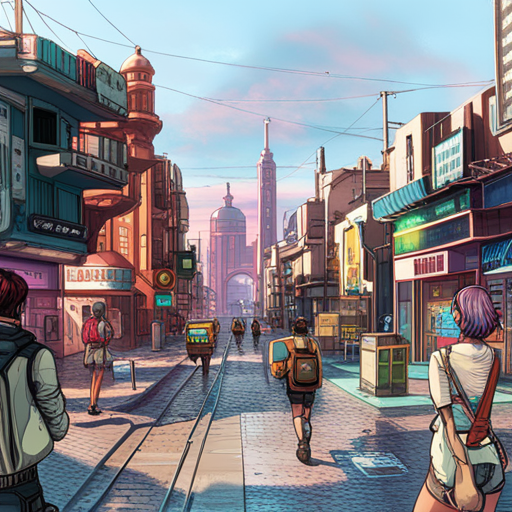
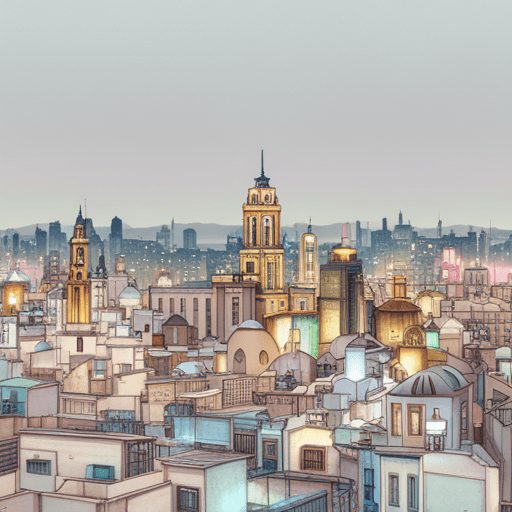
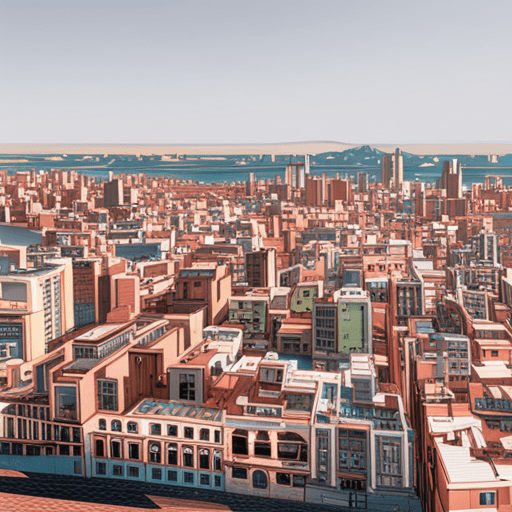
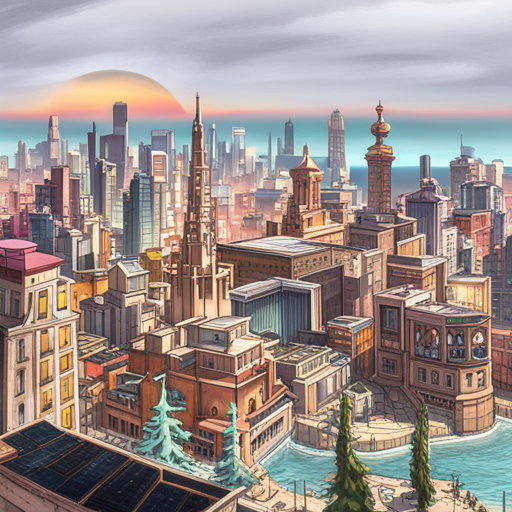
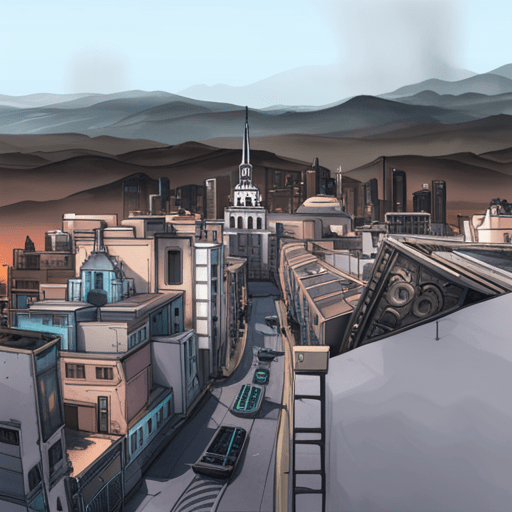
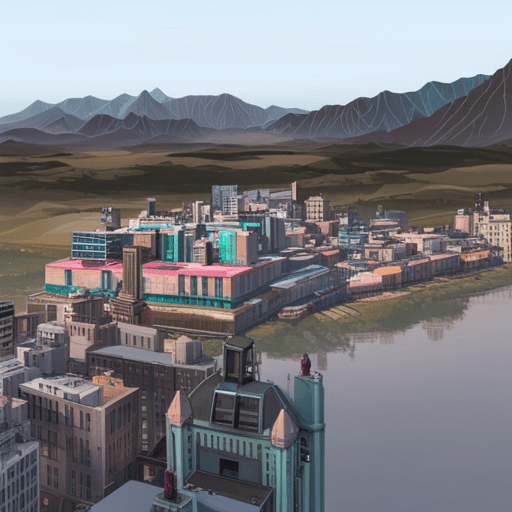
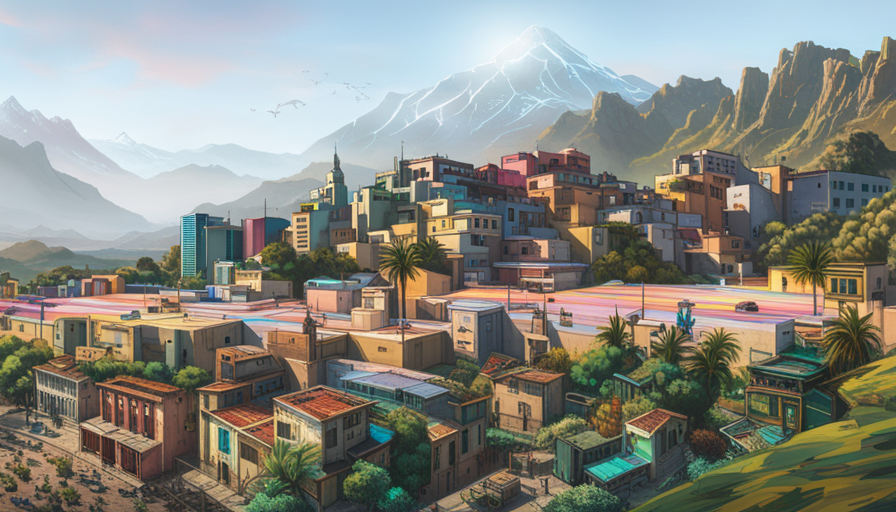
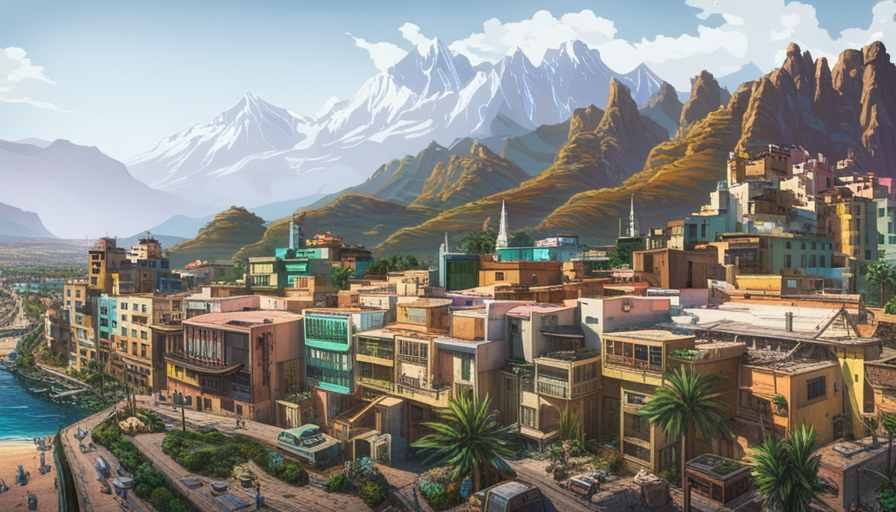
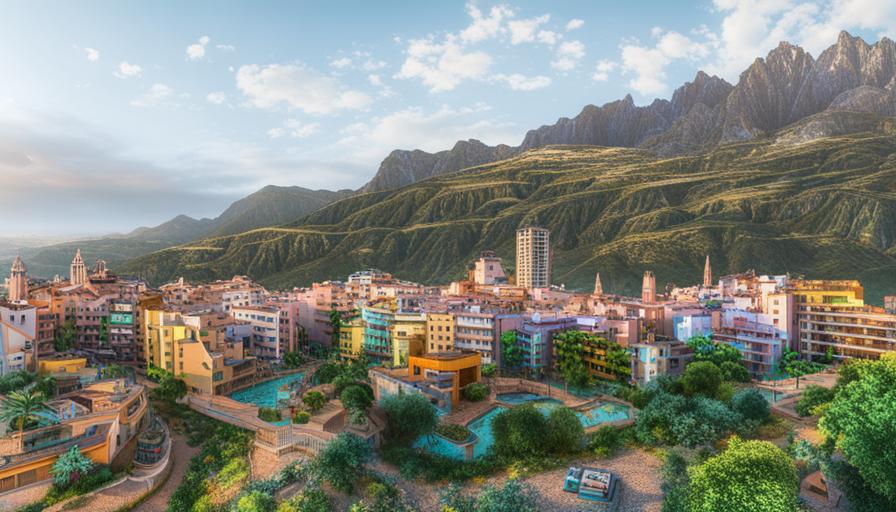
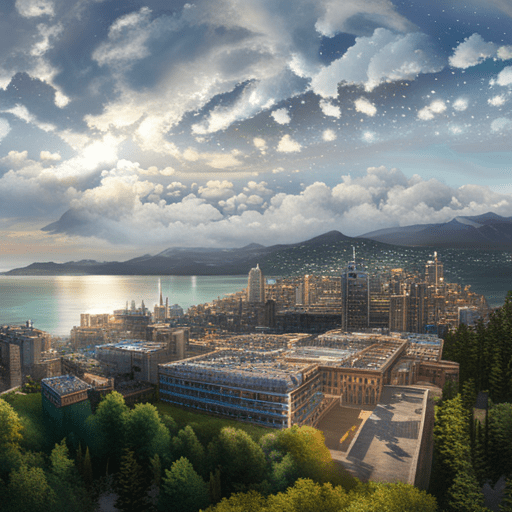
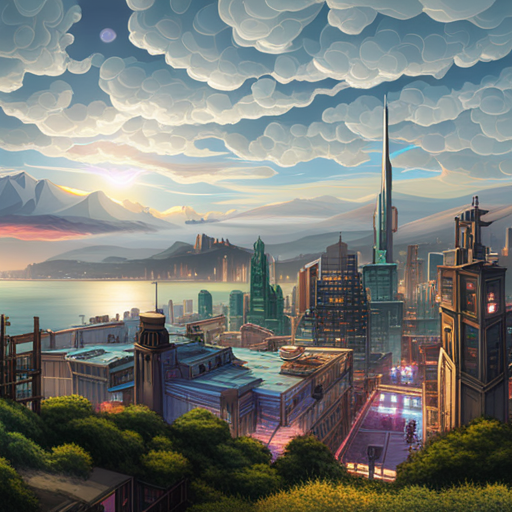
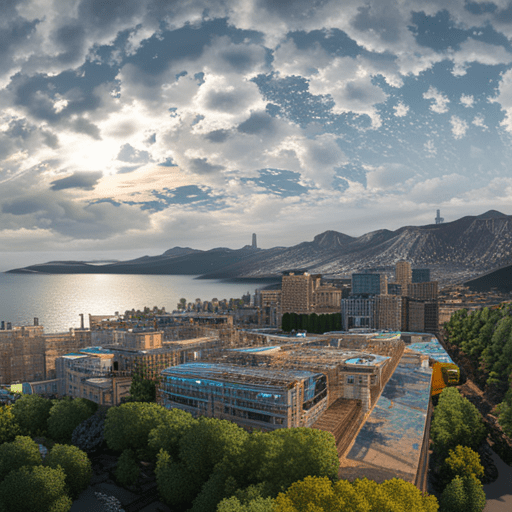
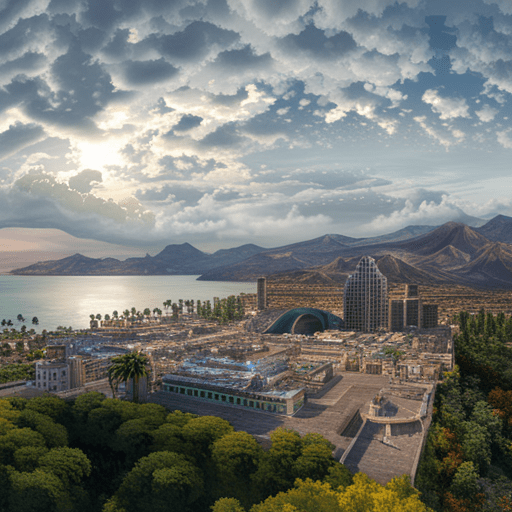
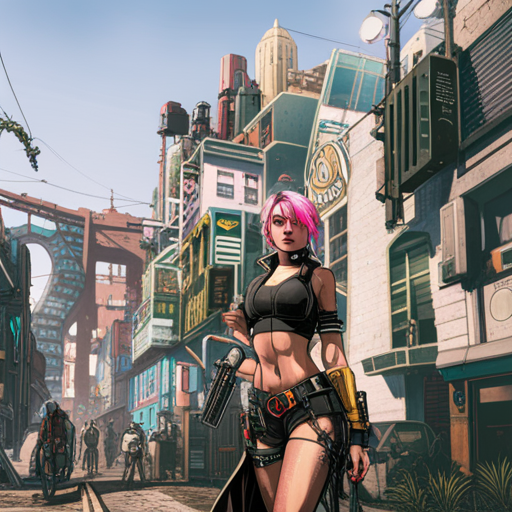
Solarpunk Irish Towns and Cityscapes





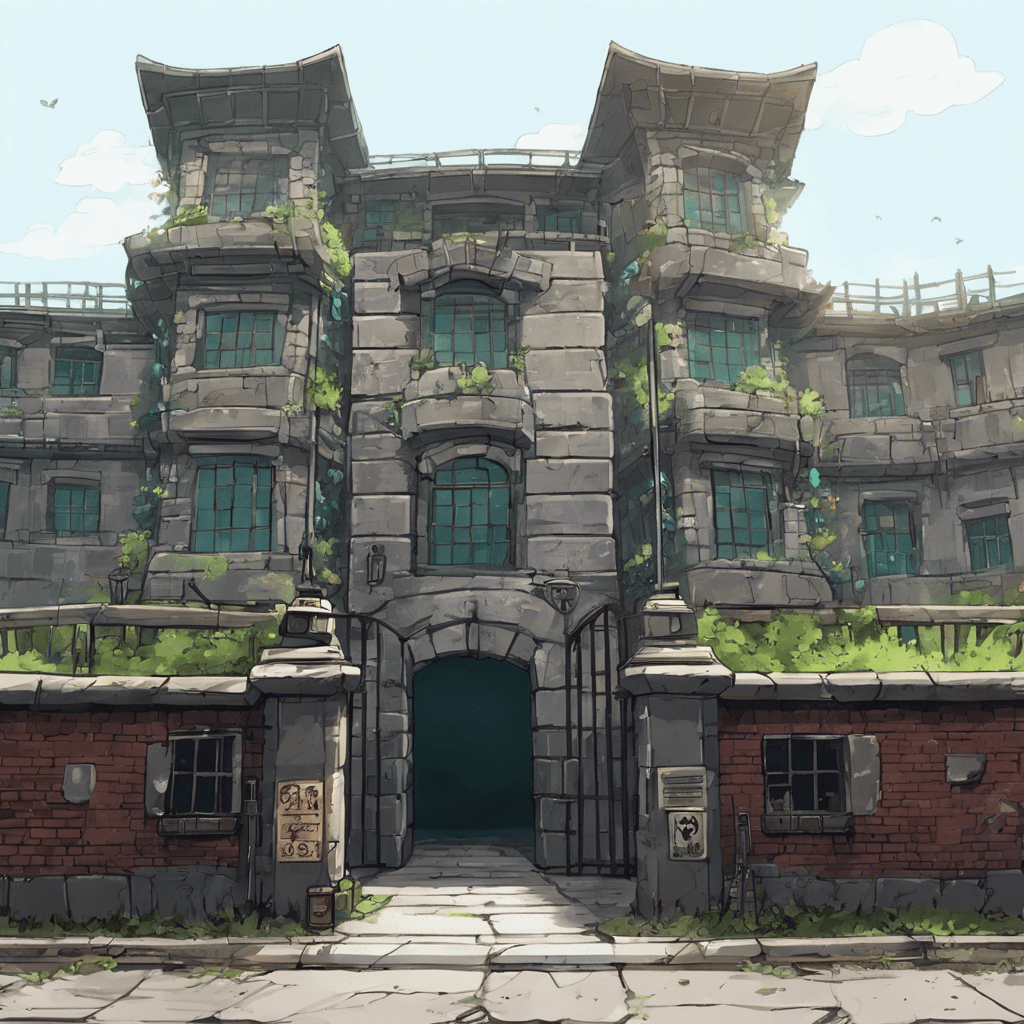
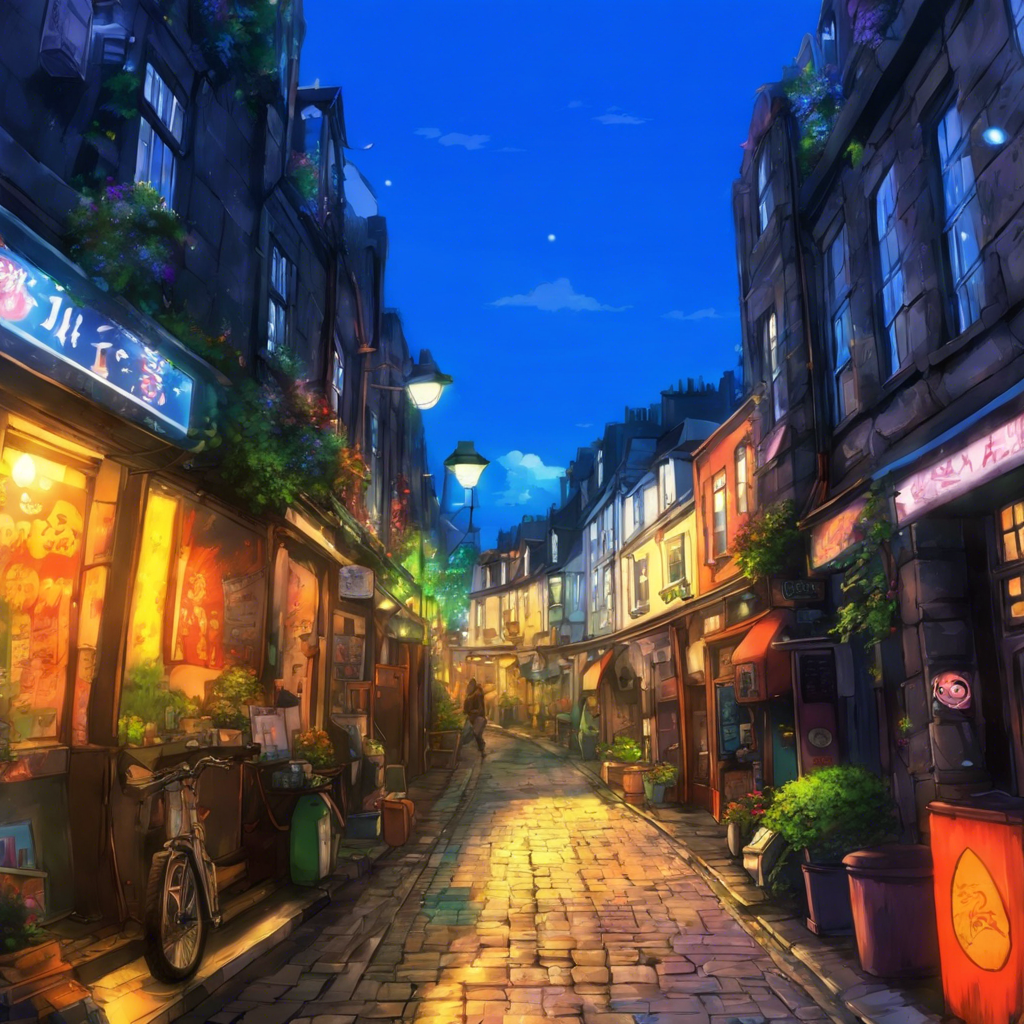
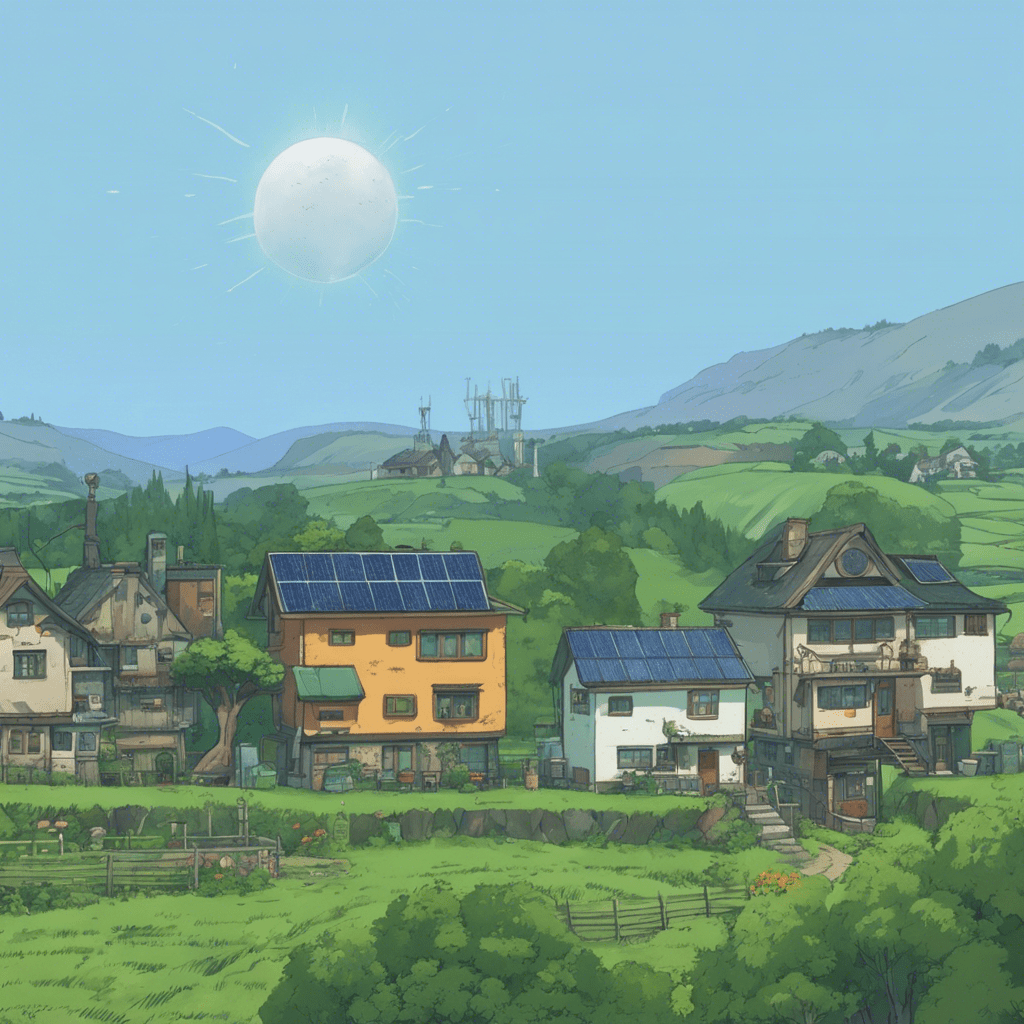
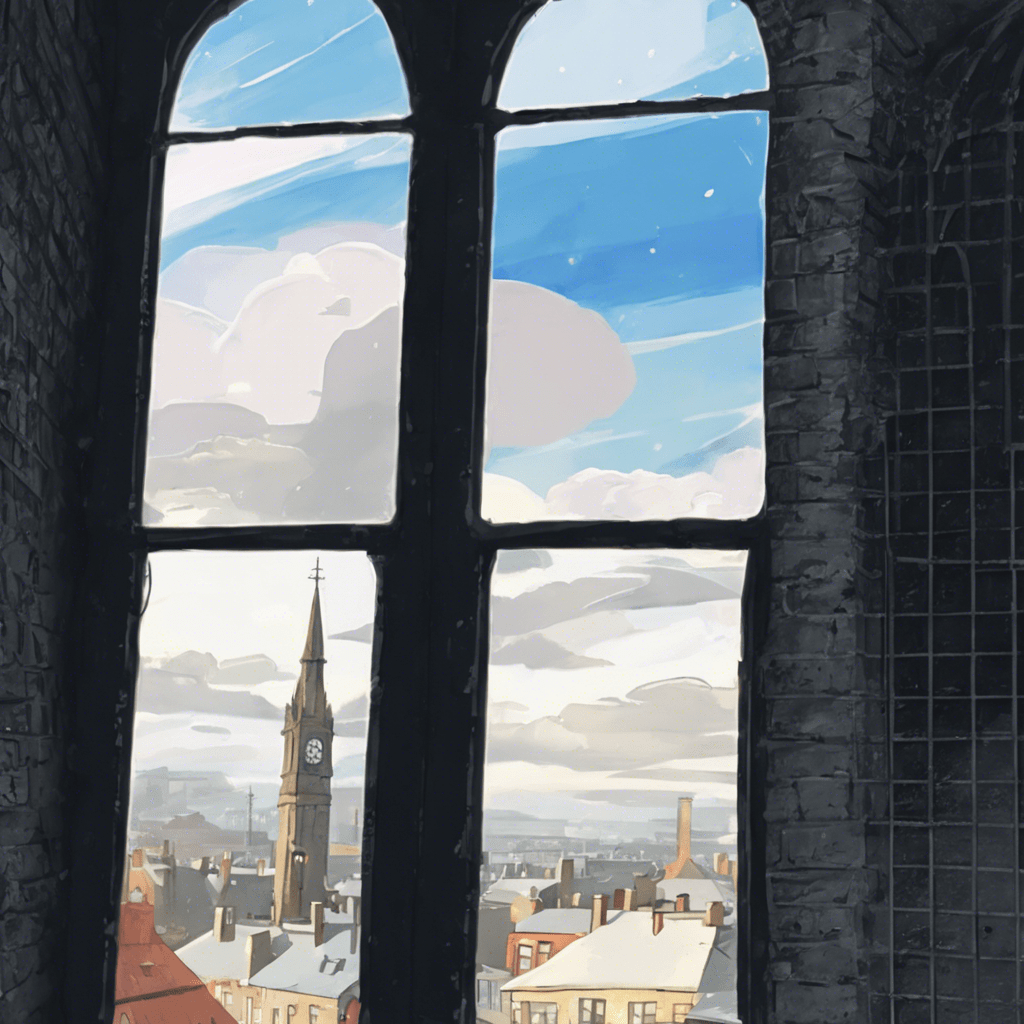


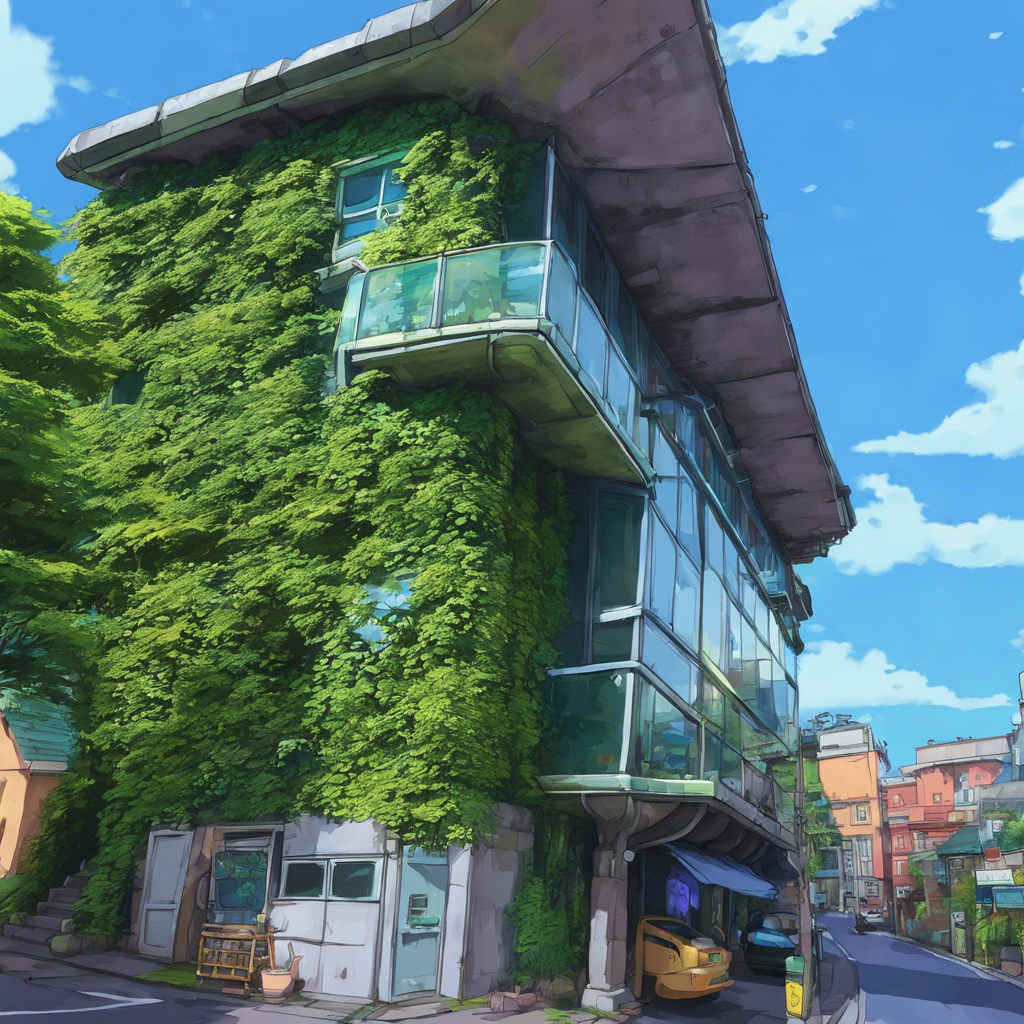

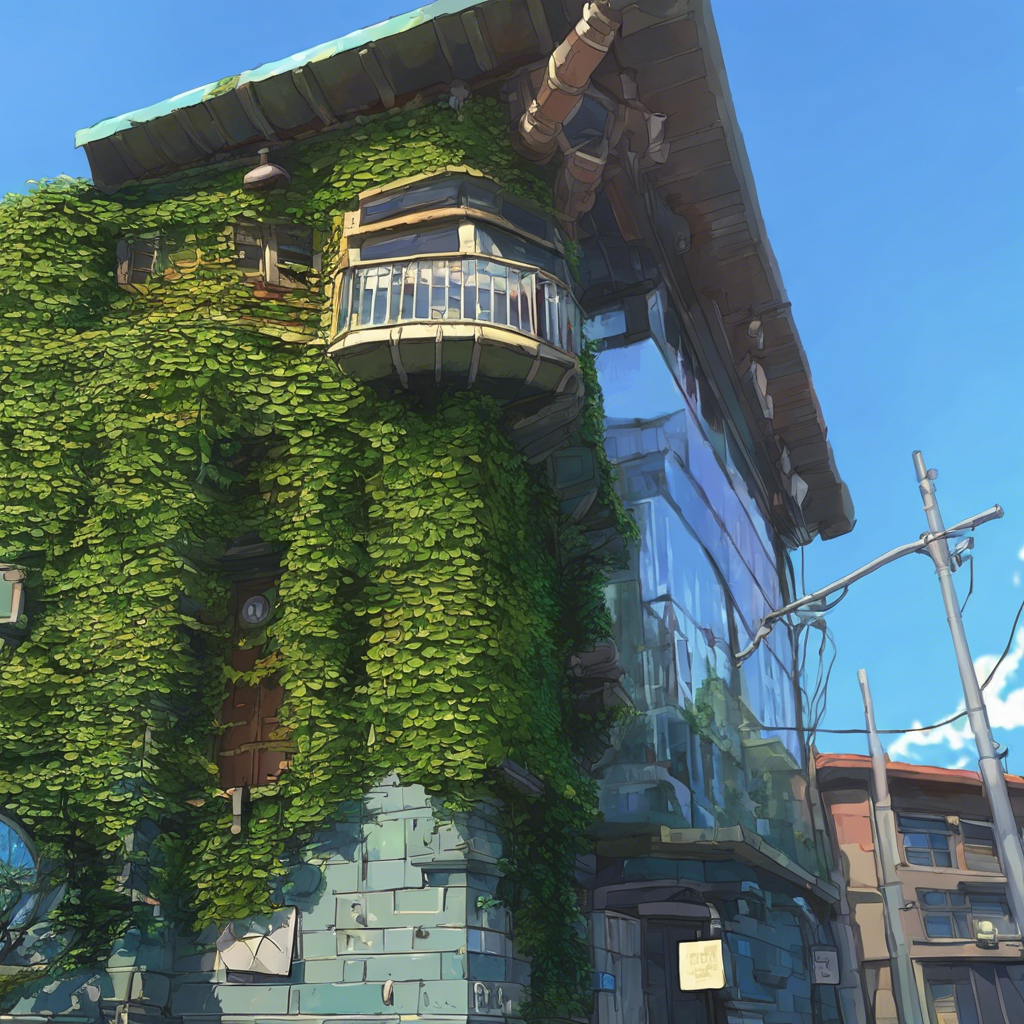
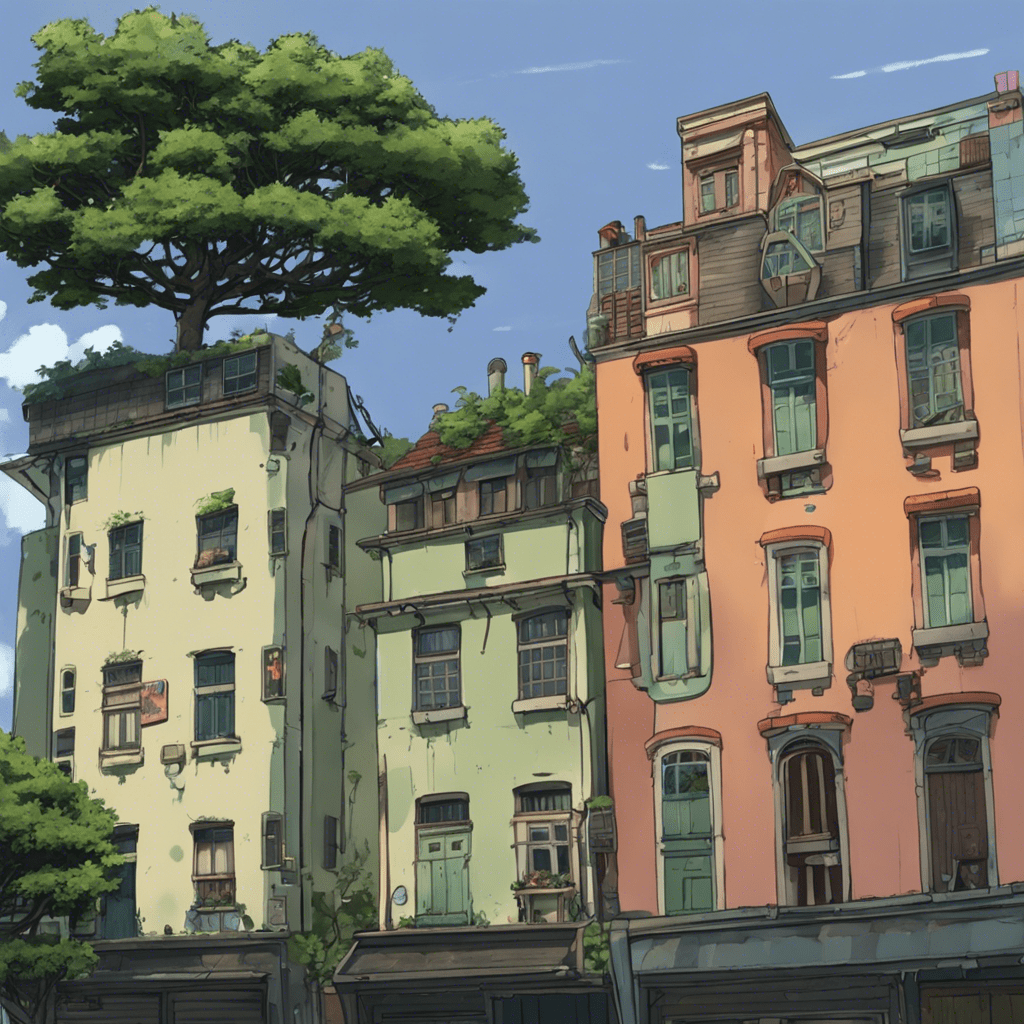

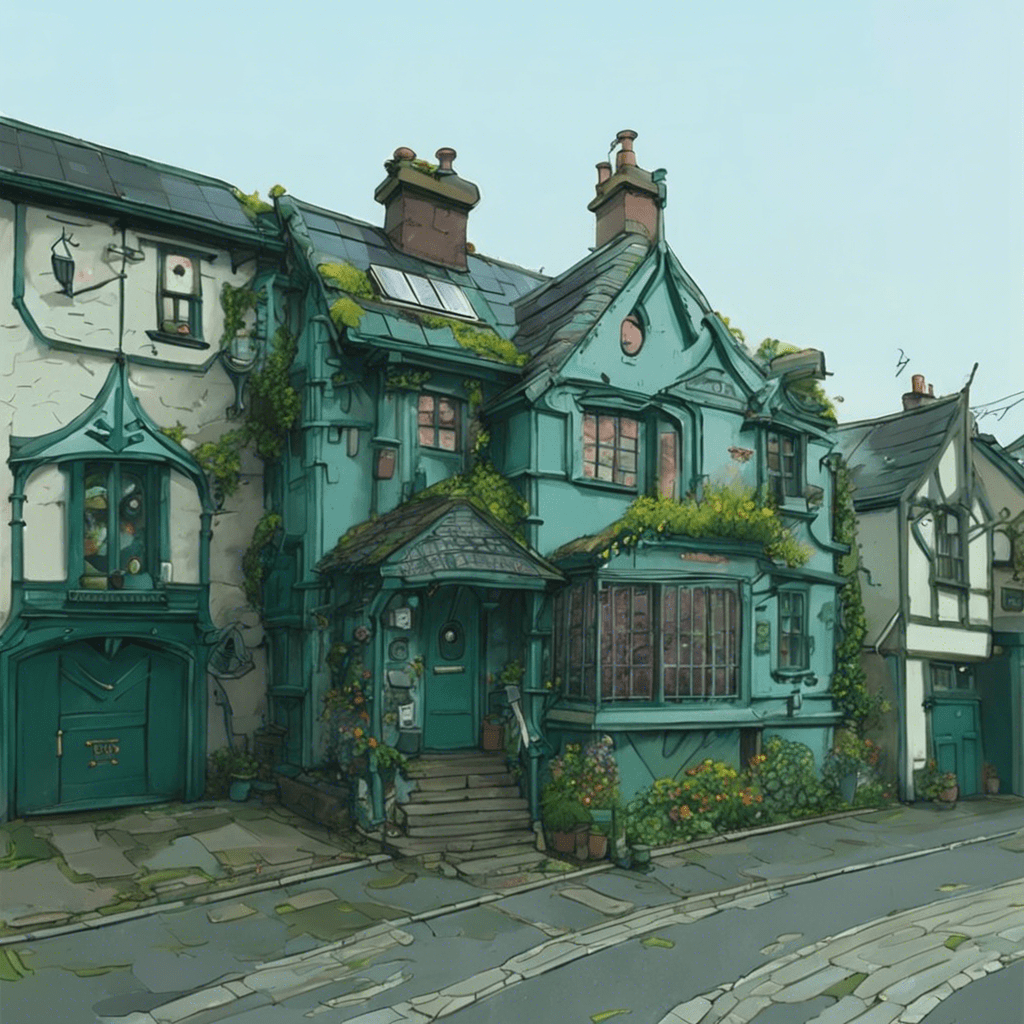
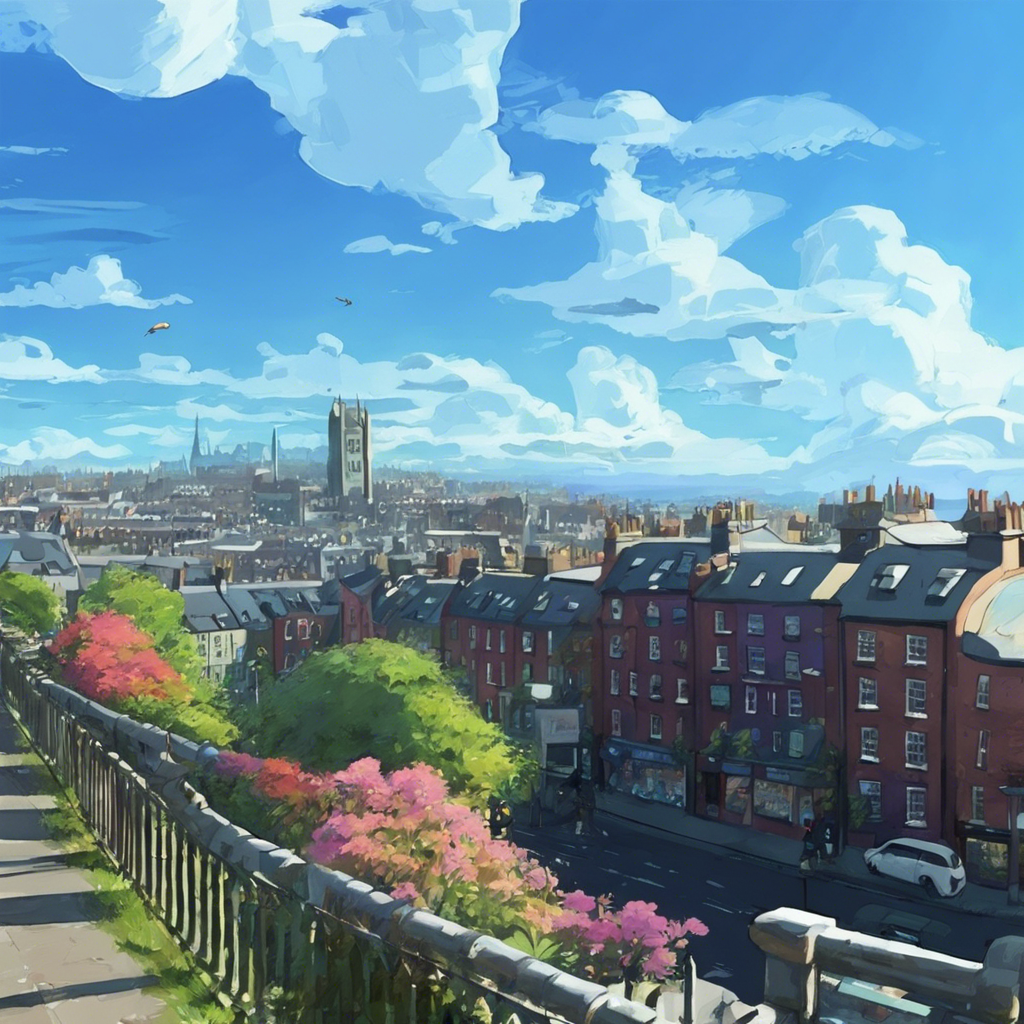
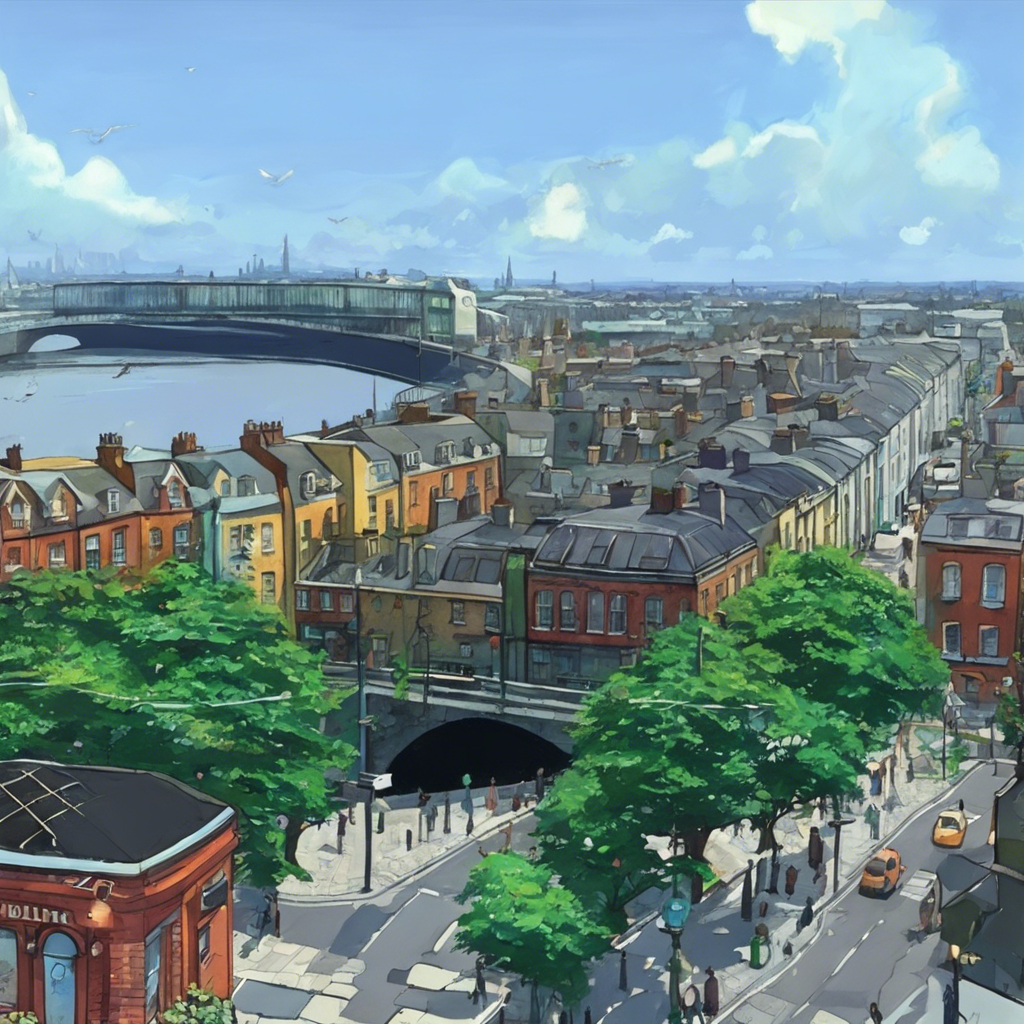


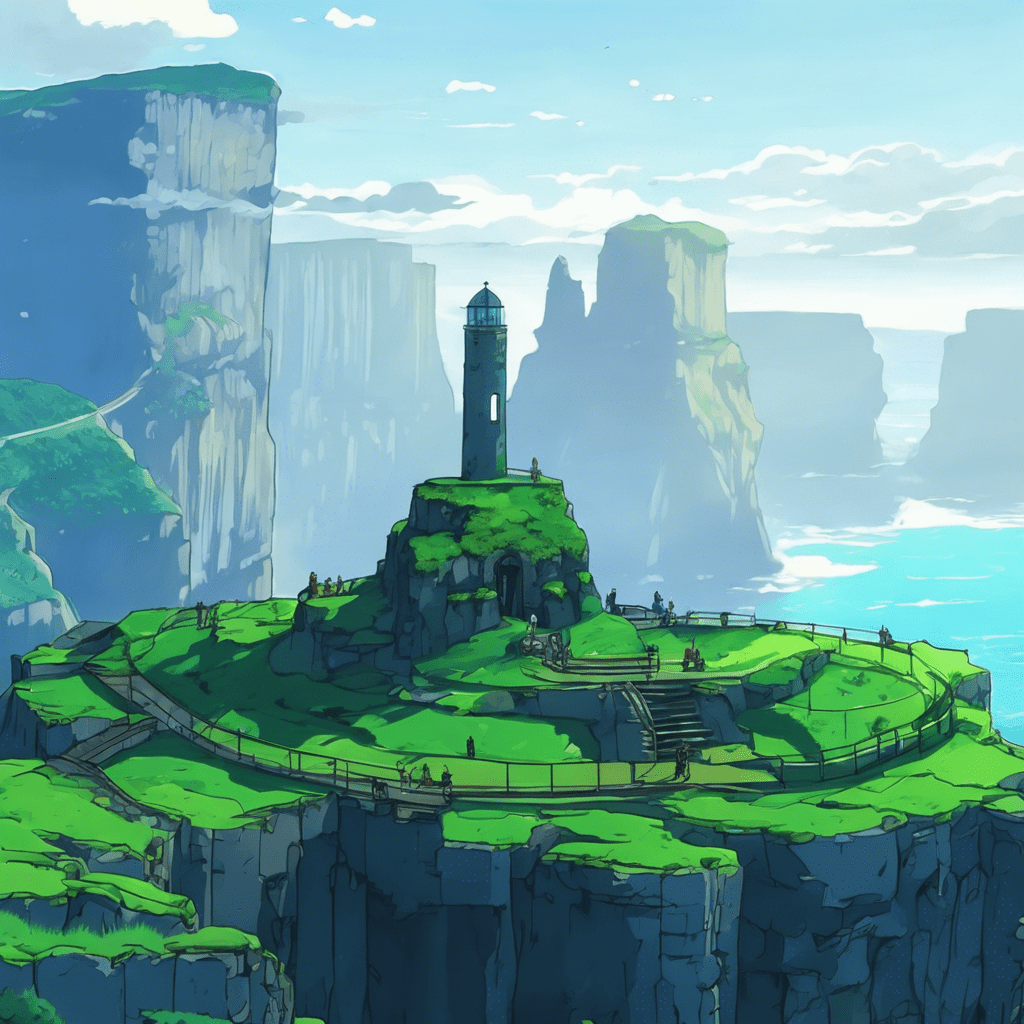
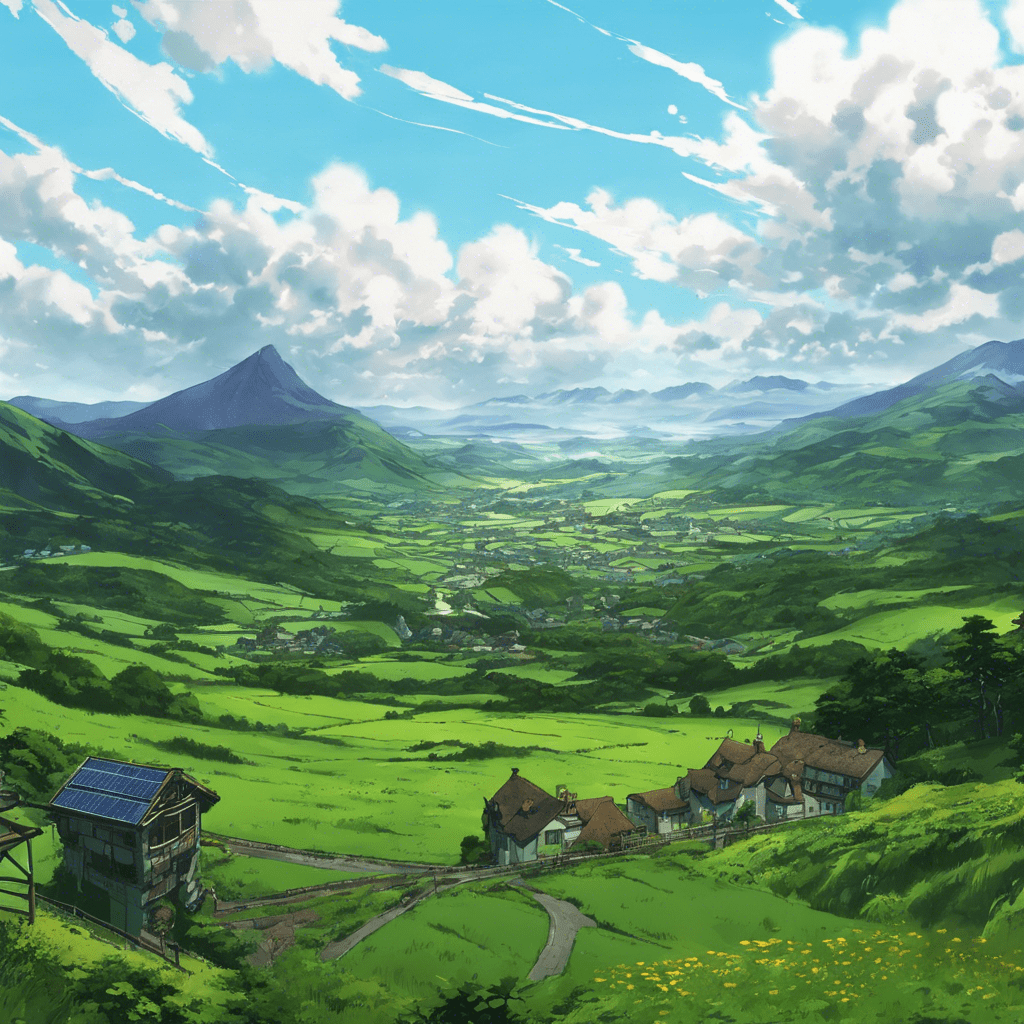
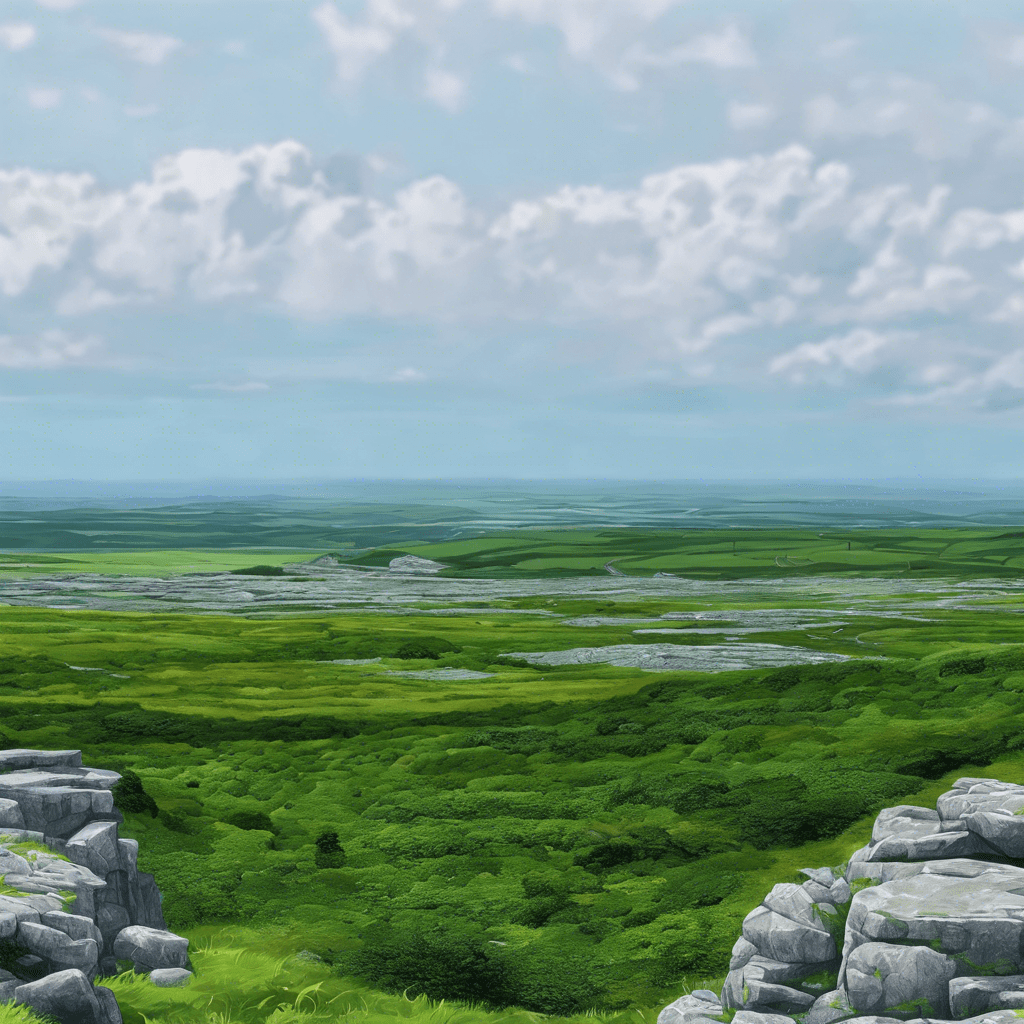
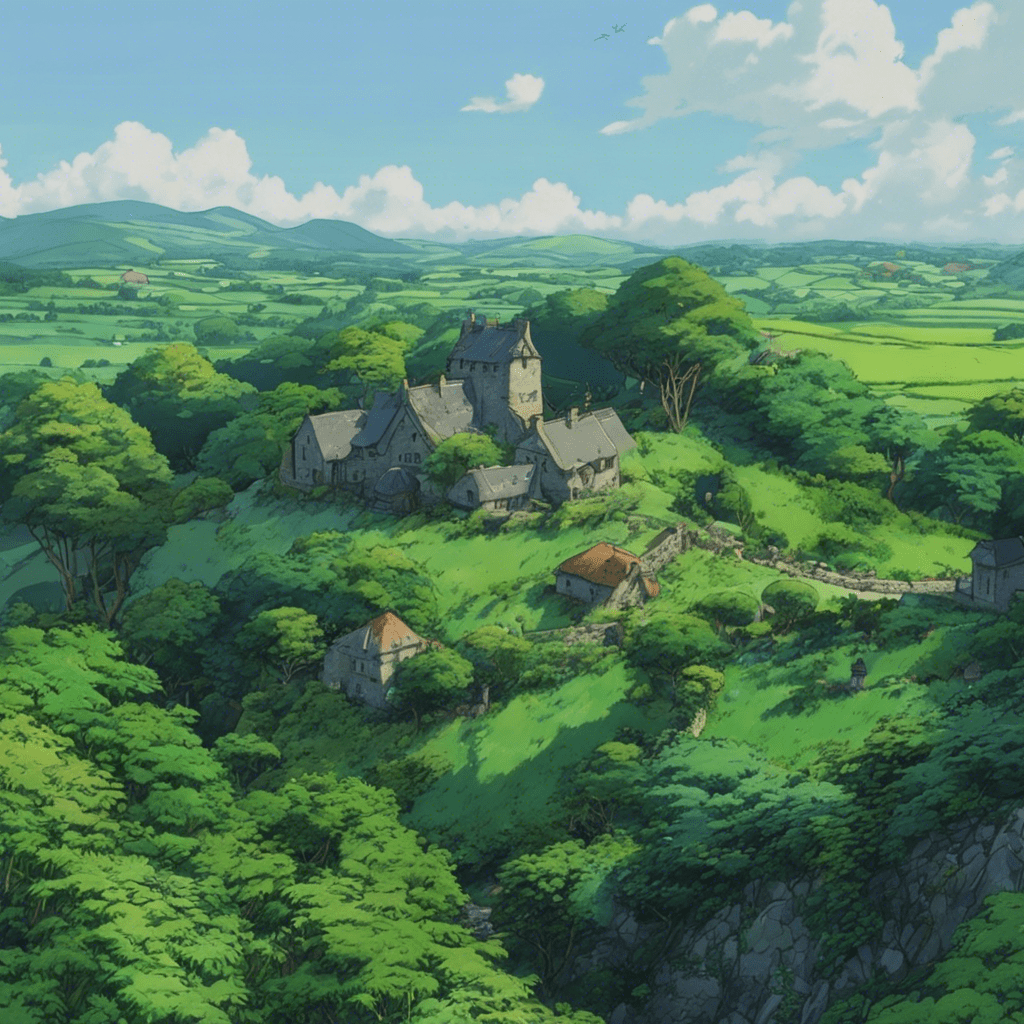
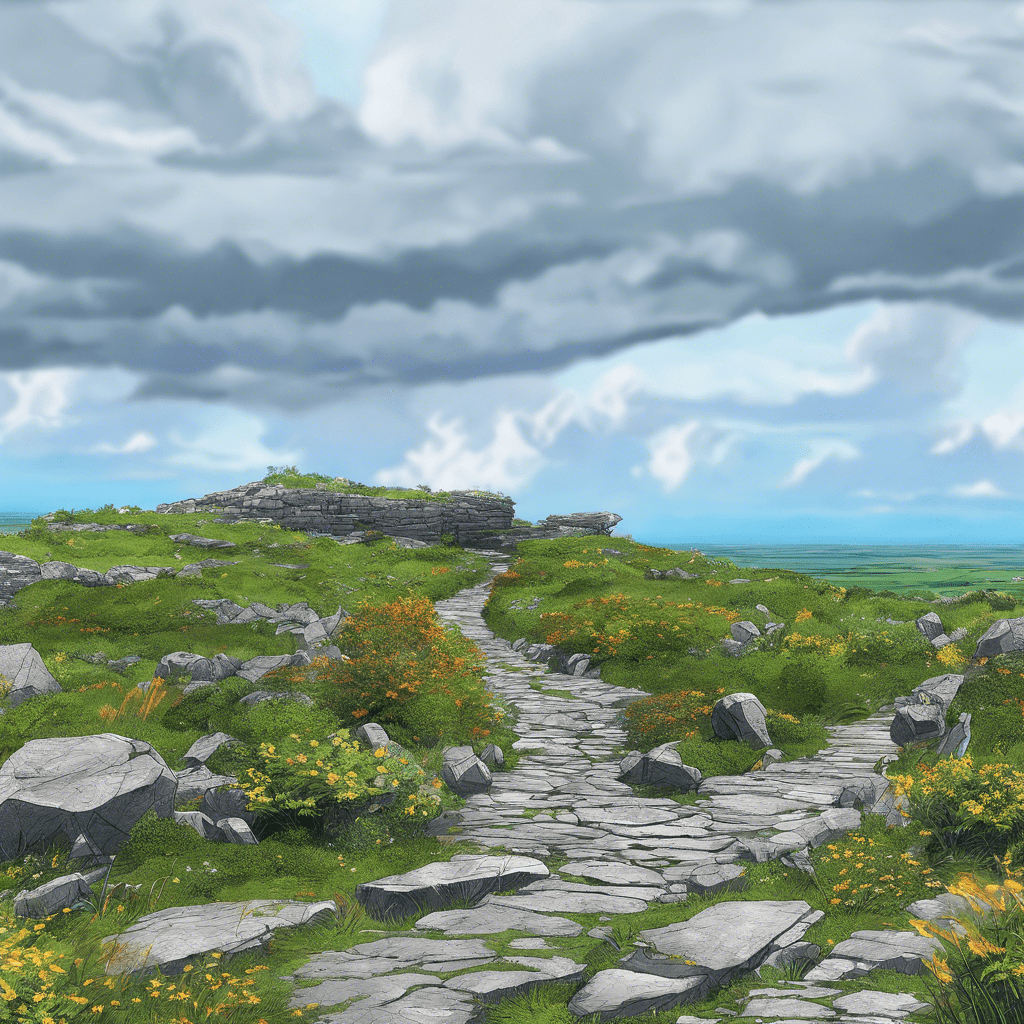
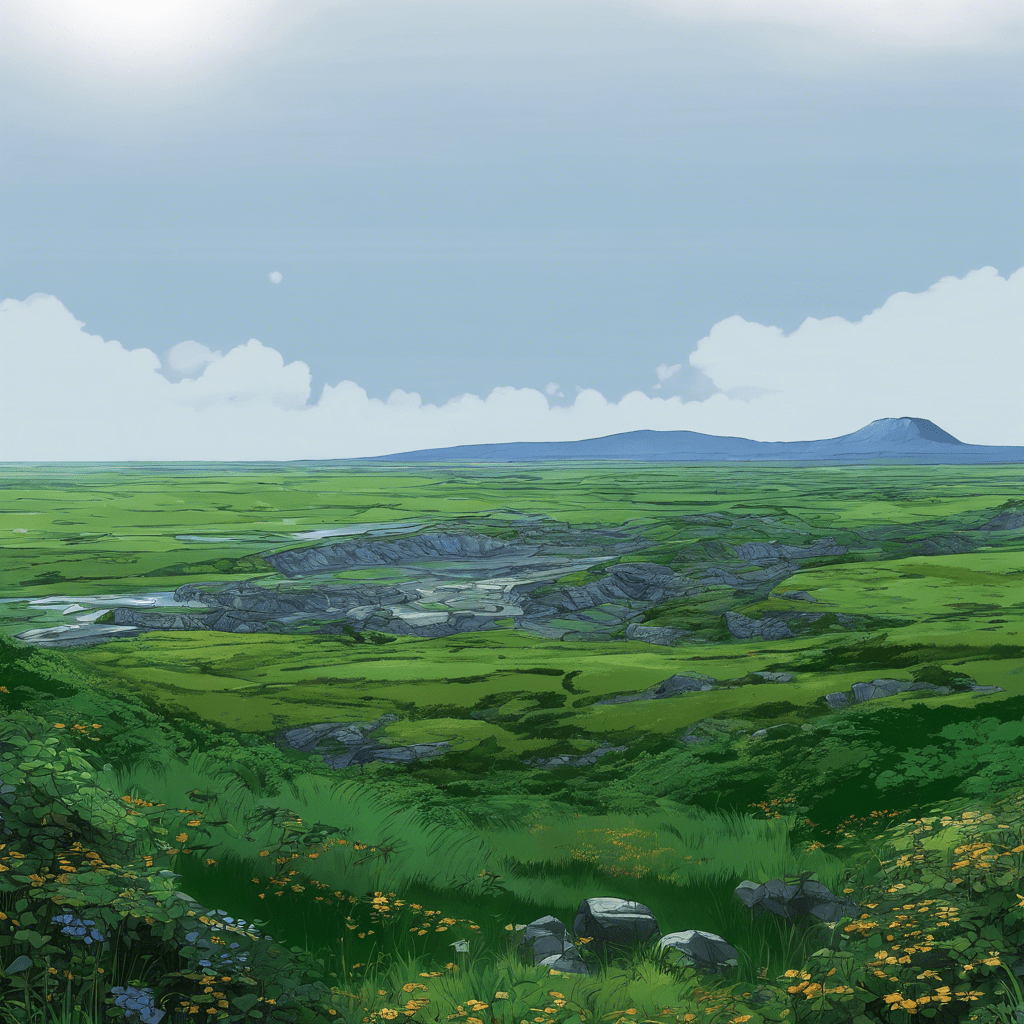
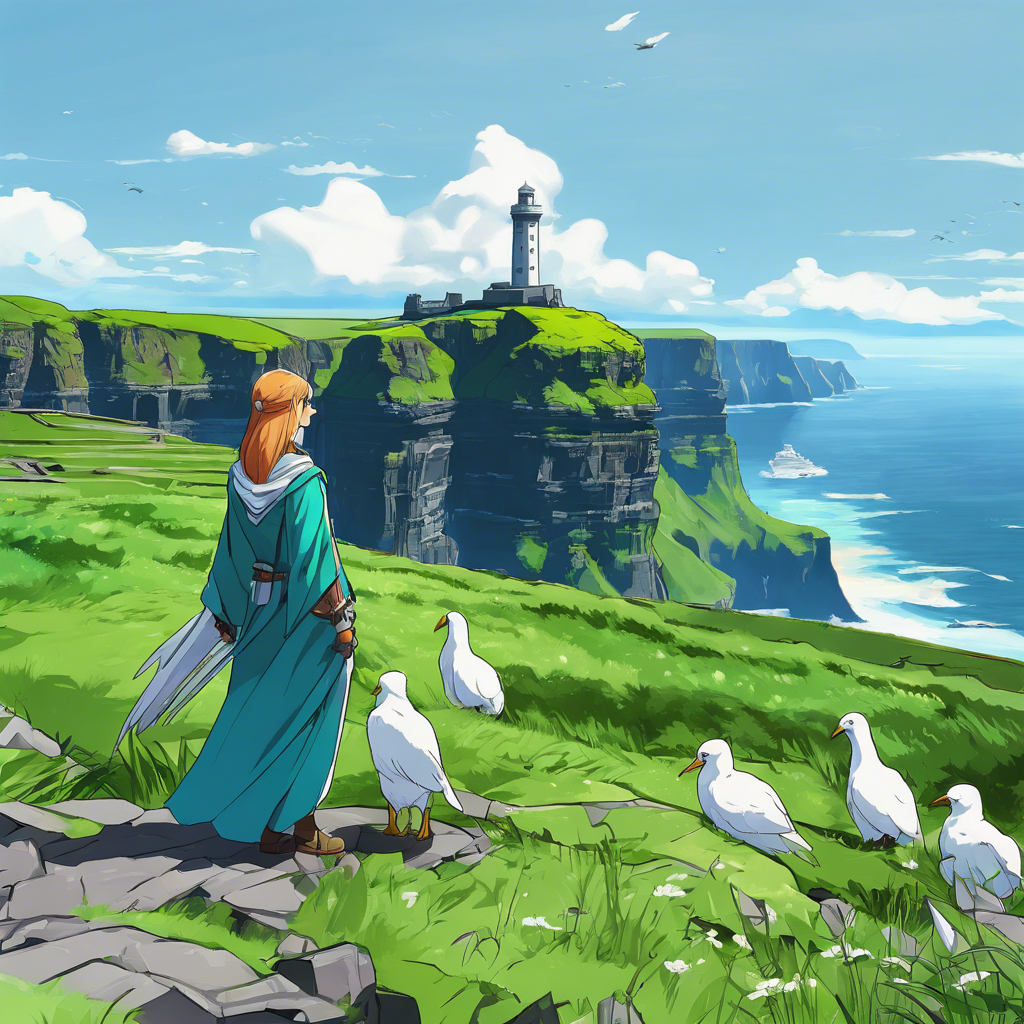
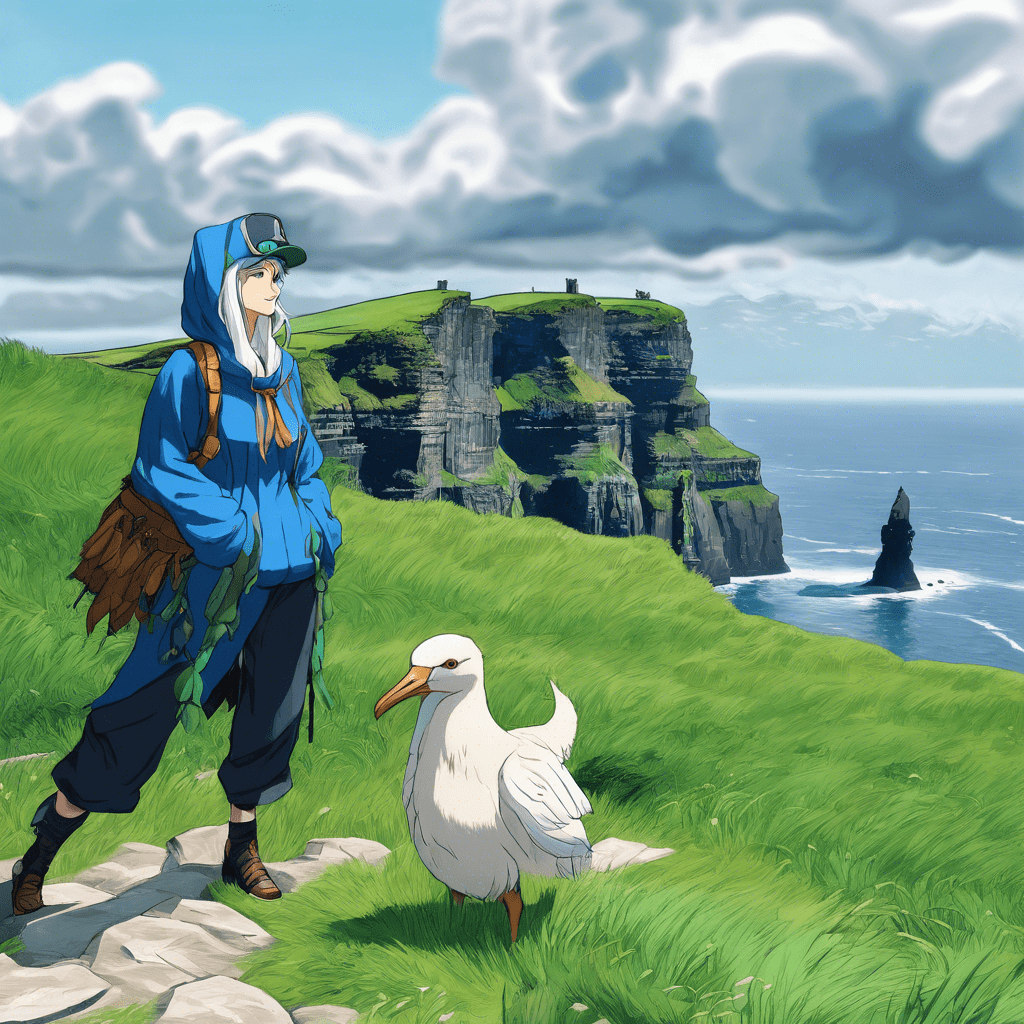
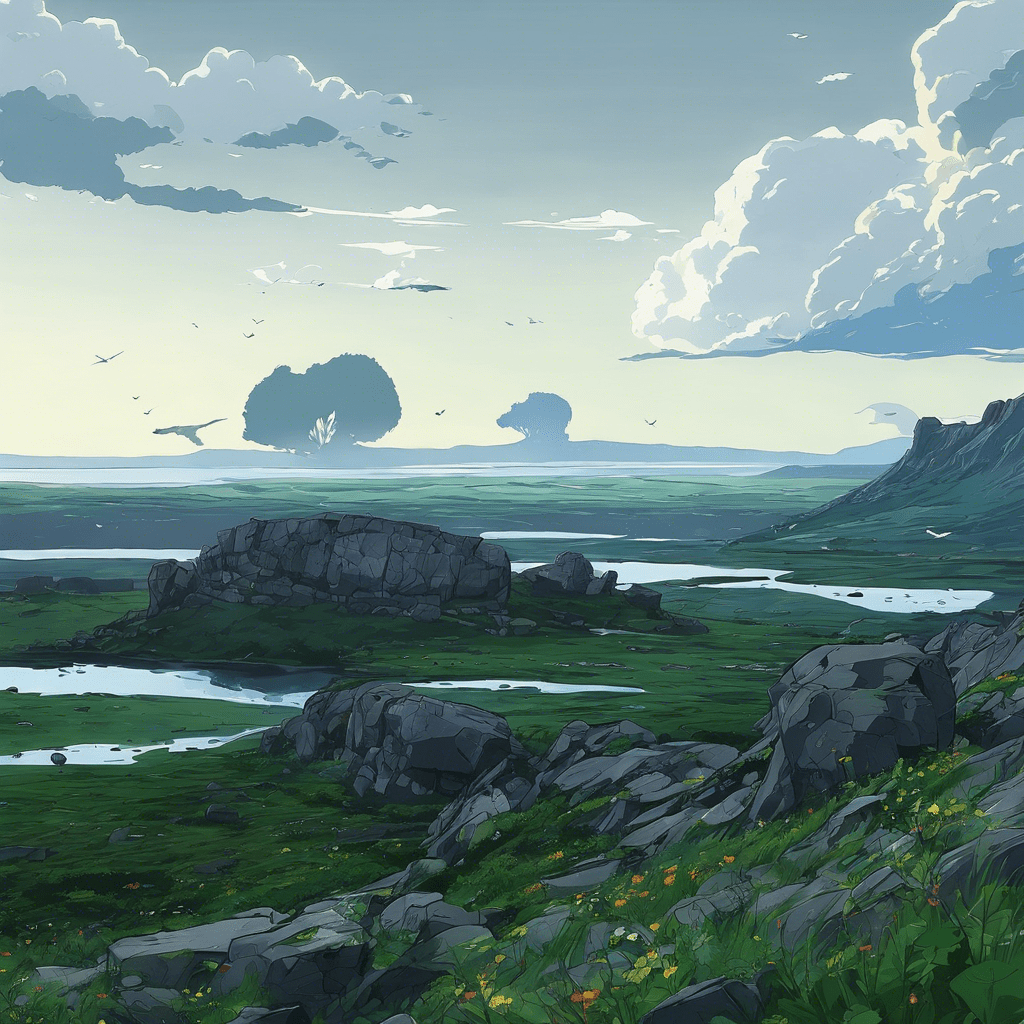
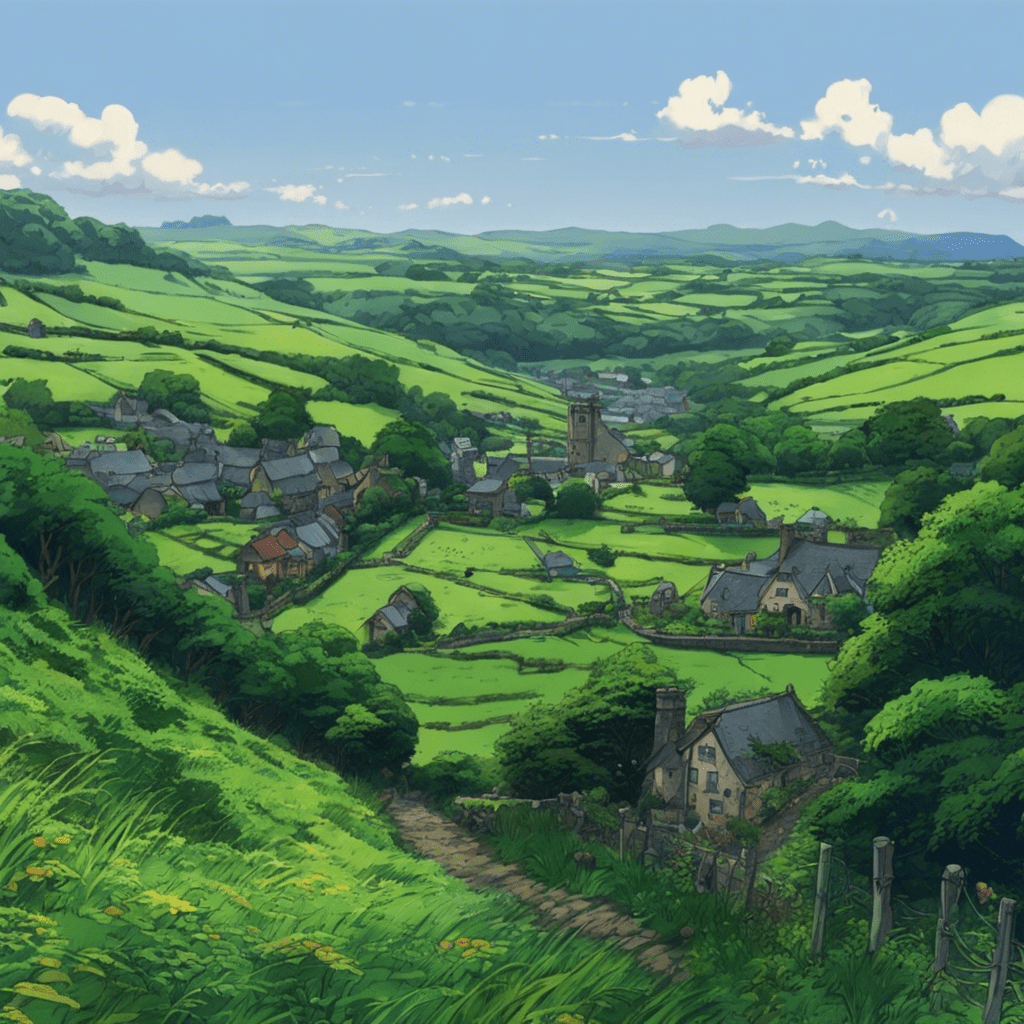
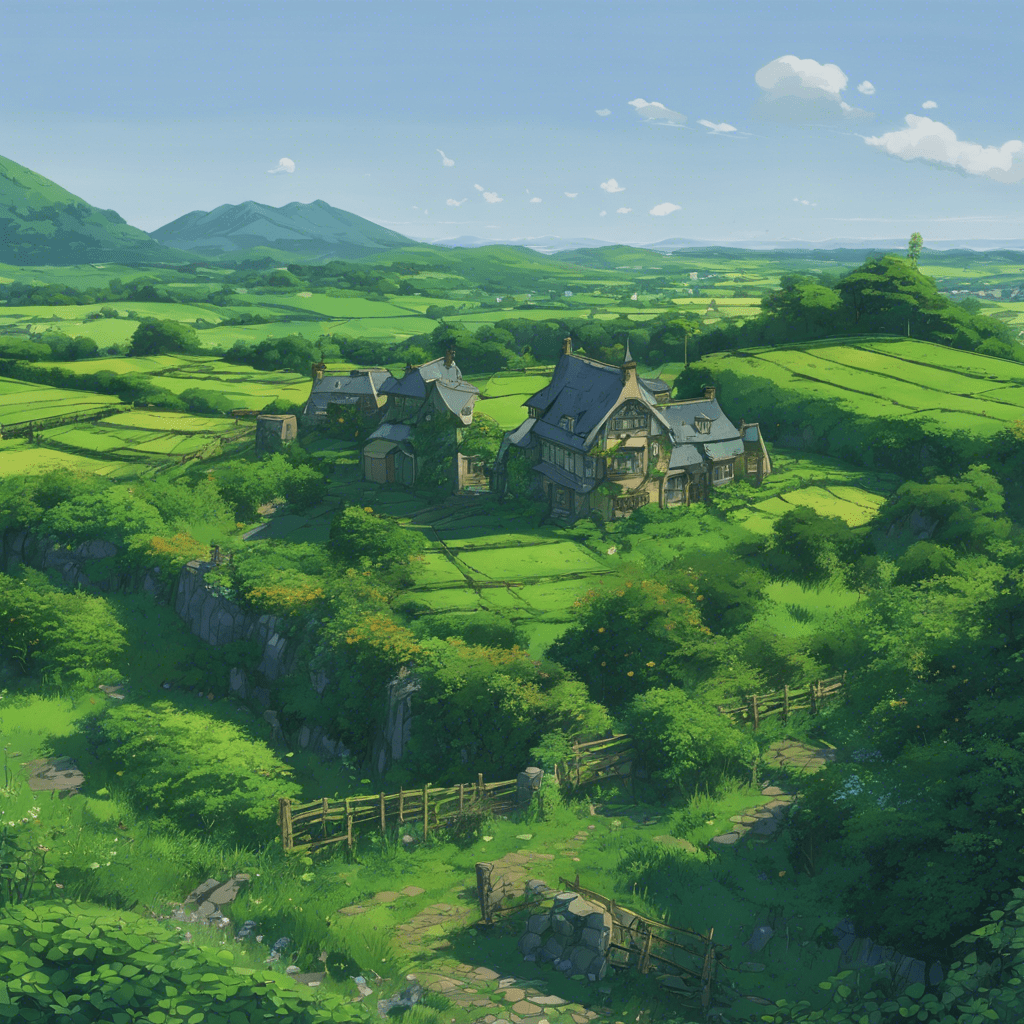
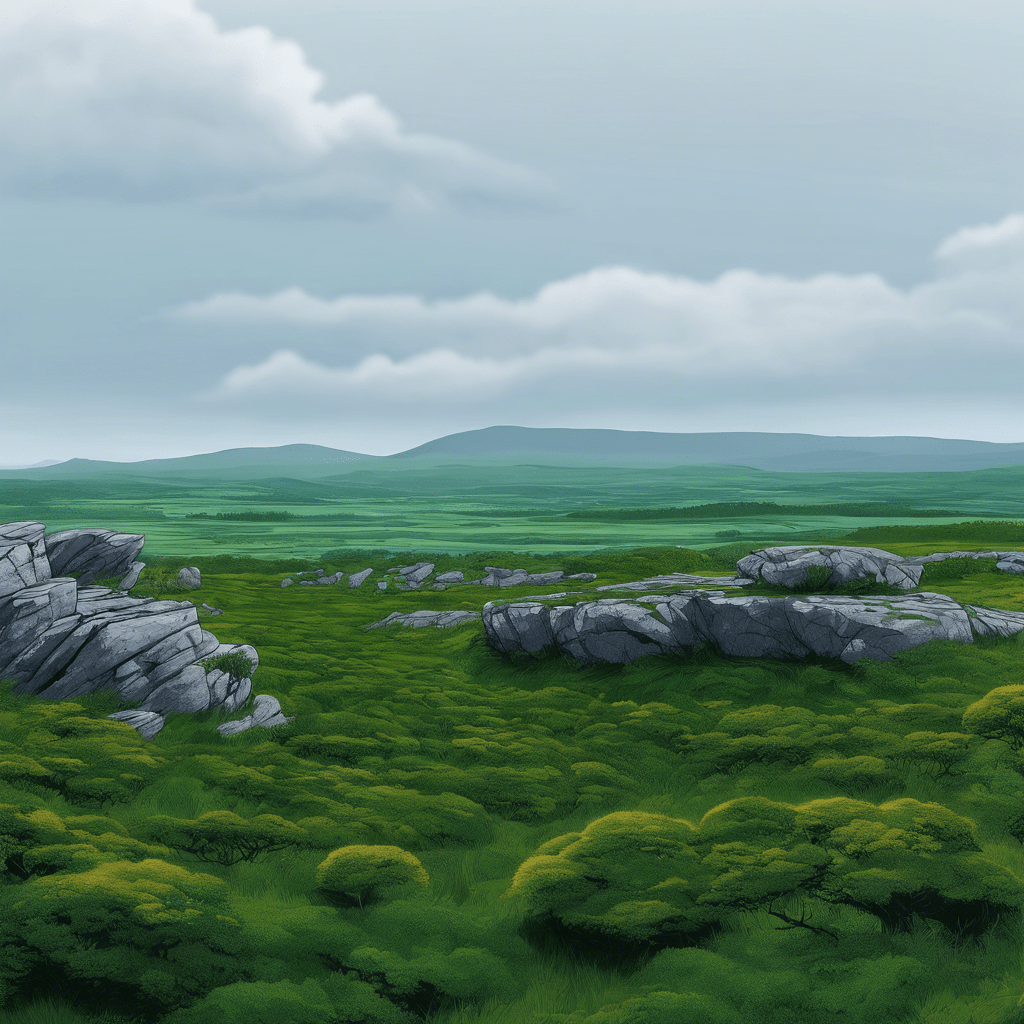
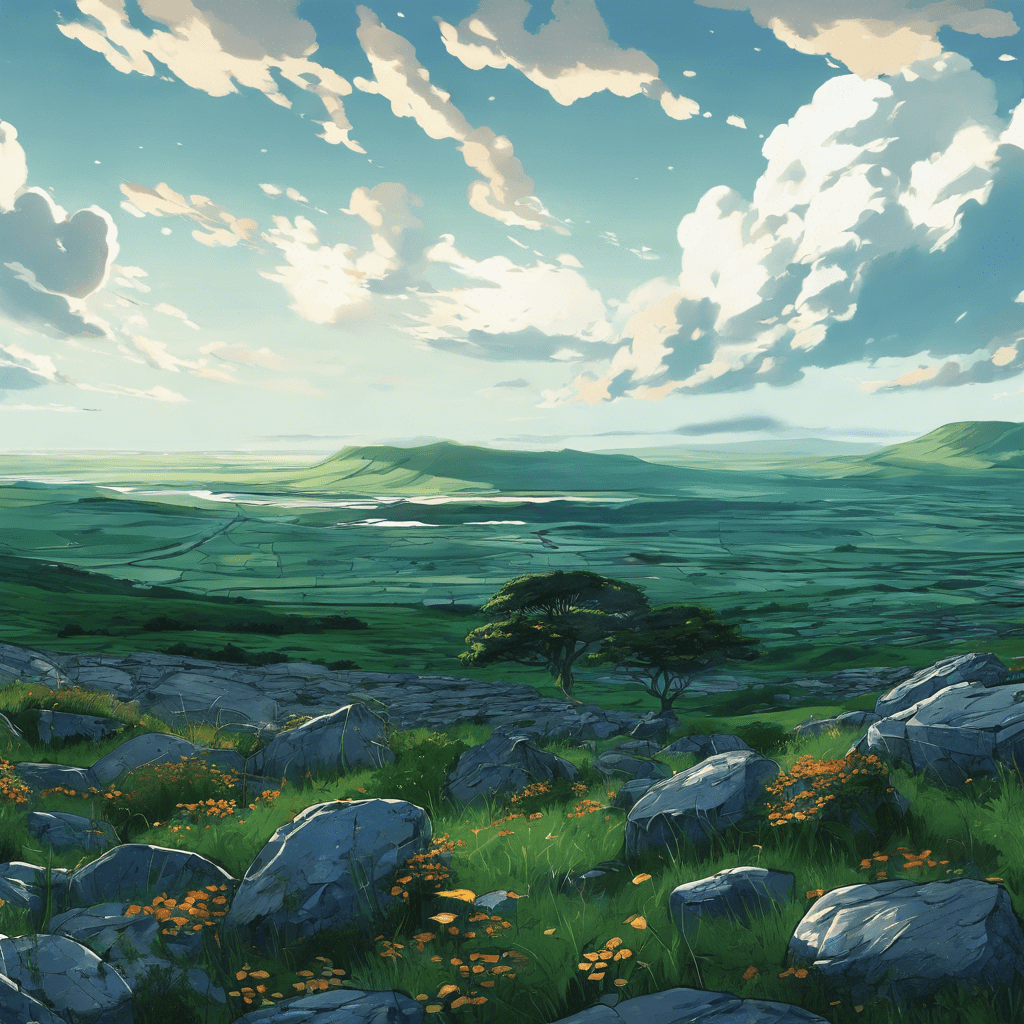
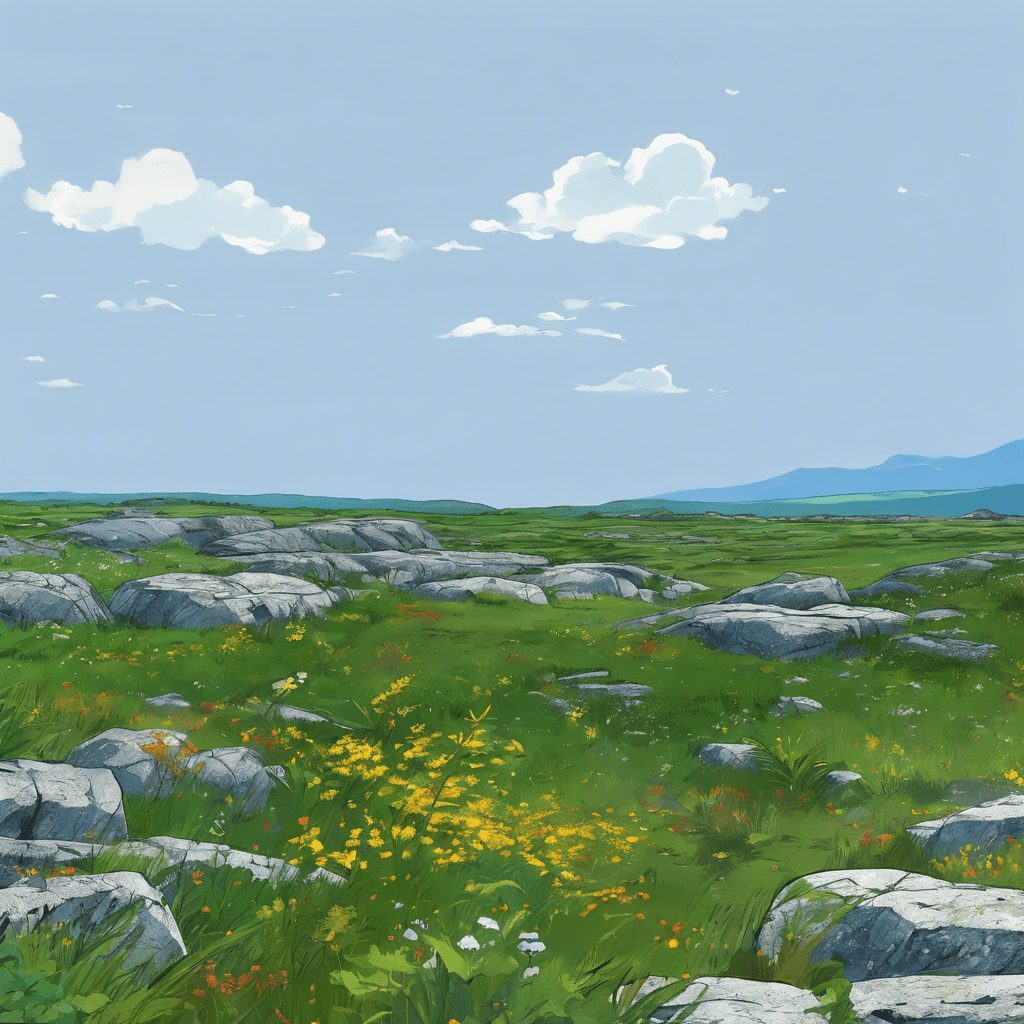
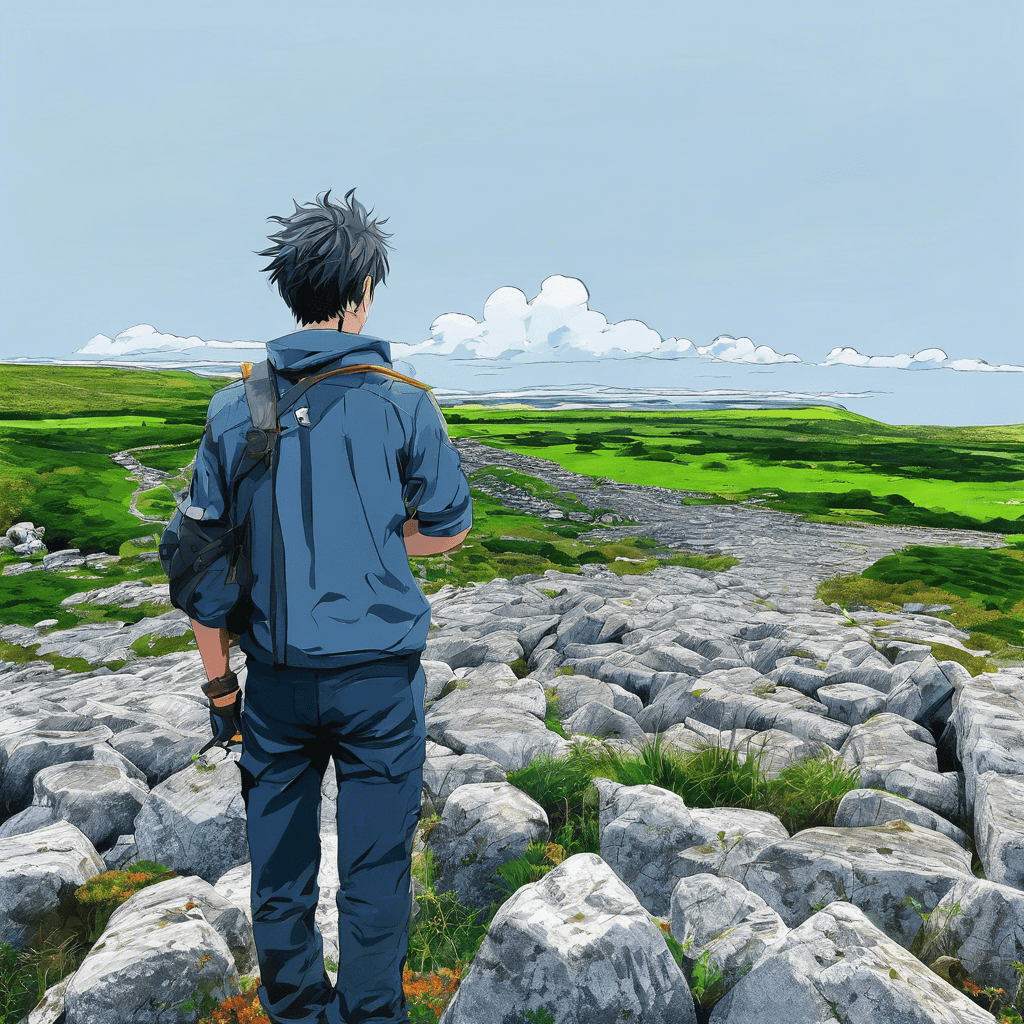
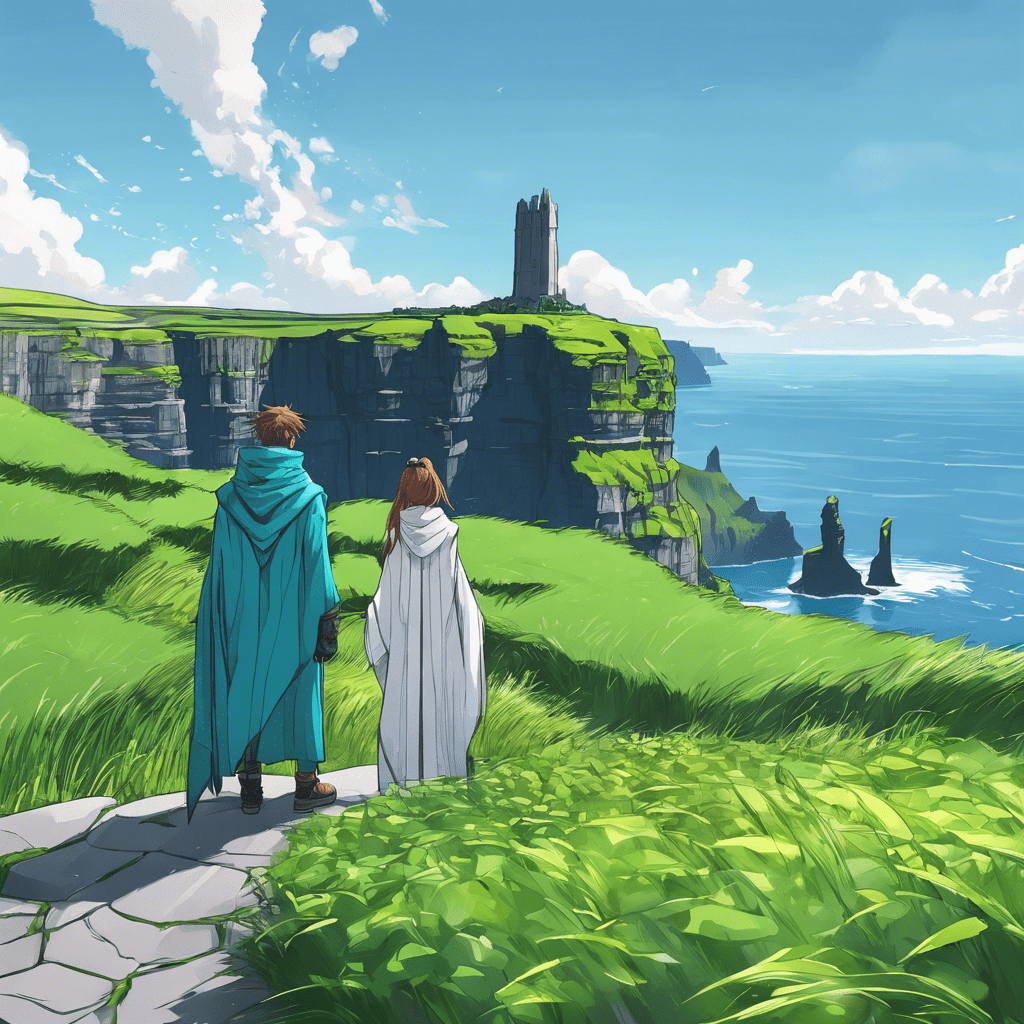
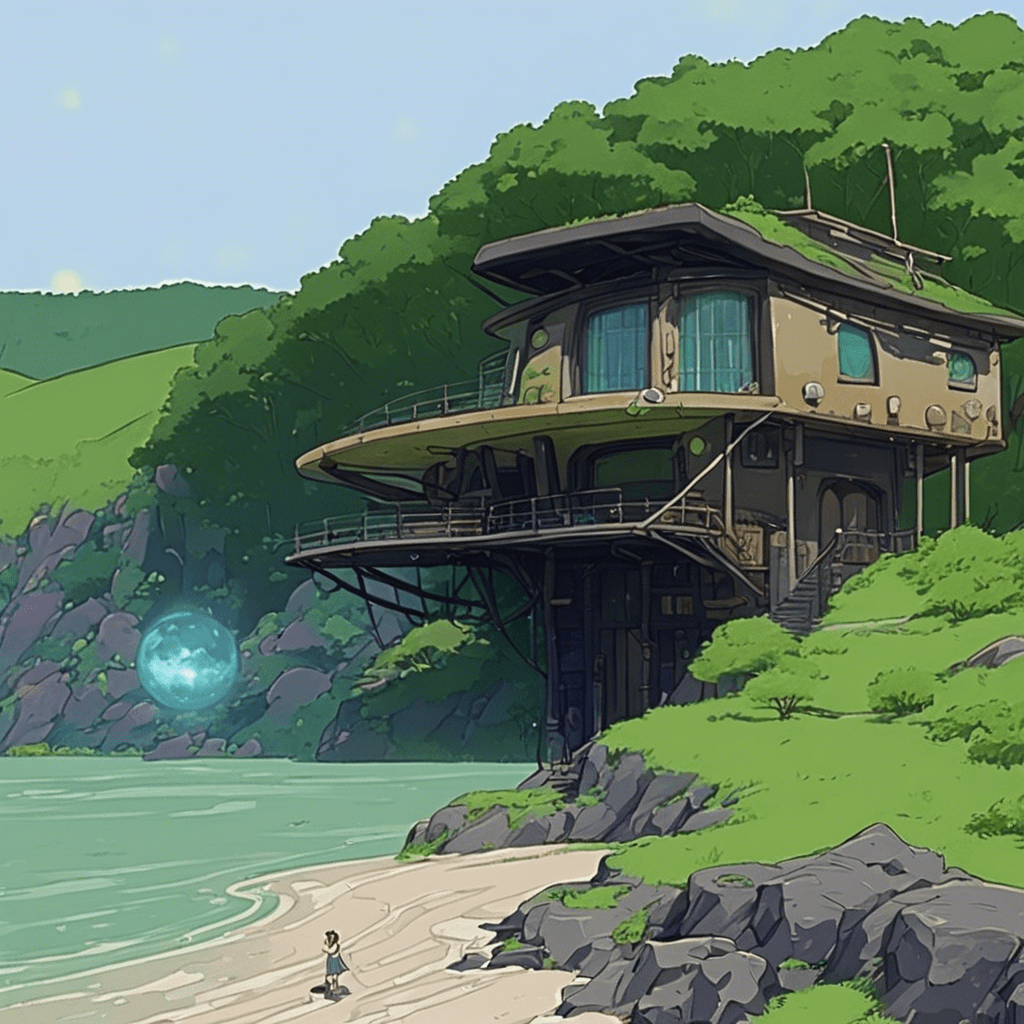
Anime/Studio Ghibli Vision of Irish Landscapes
These photos include the Cliffs of Moher, the Ring of Kerry, and the Burren National Park.


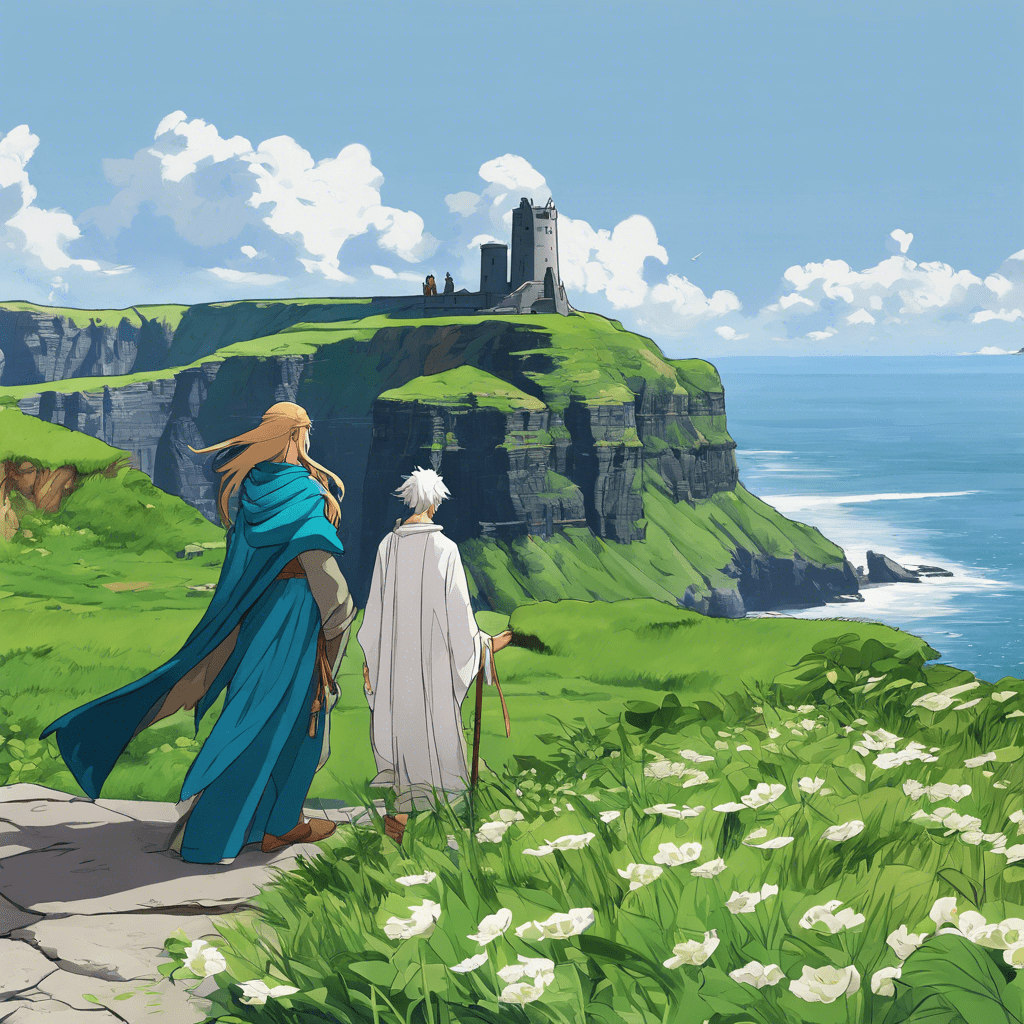


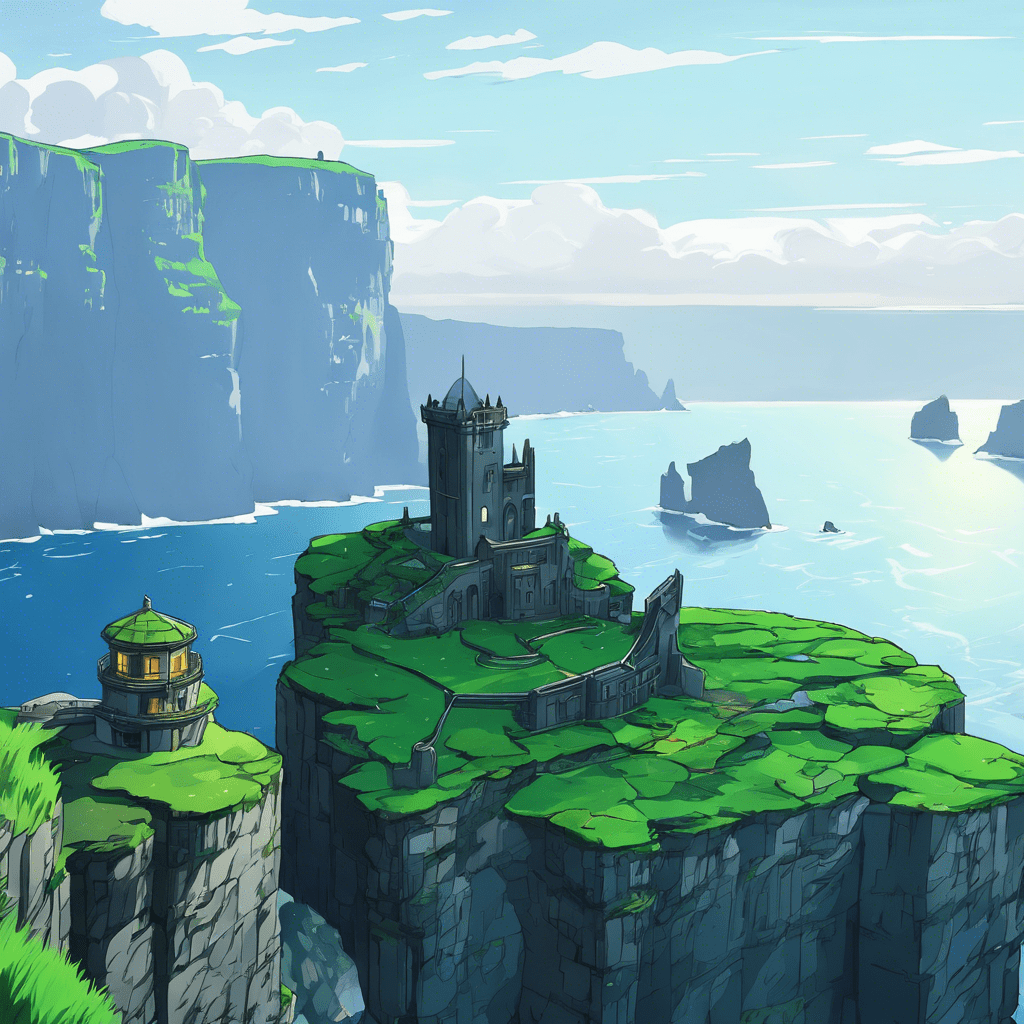

















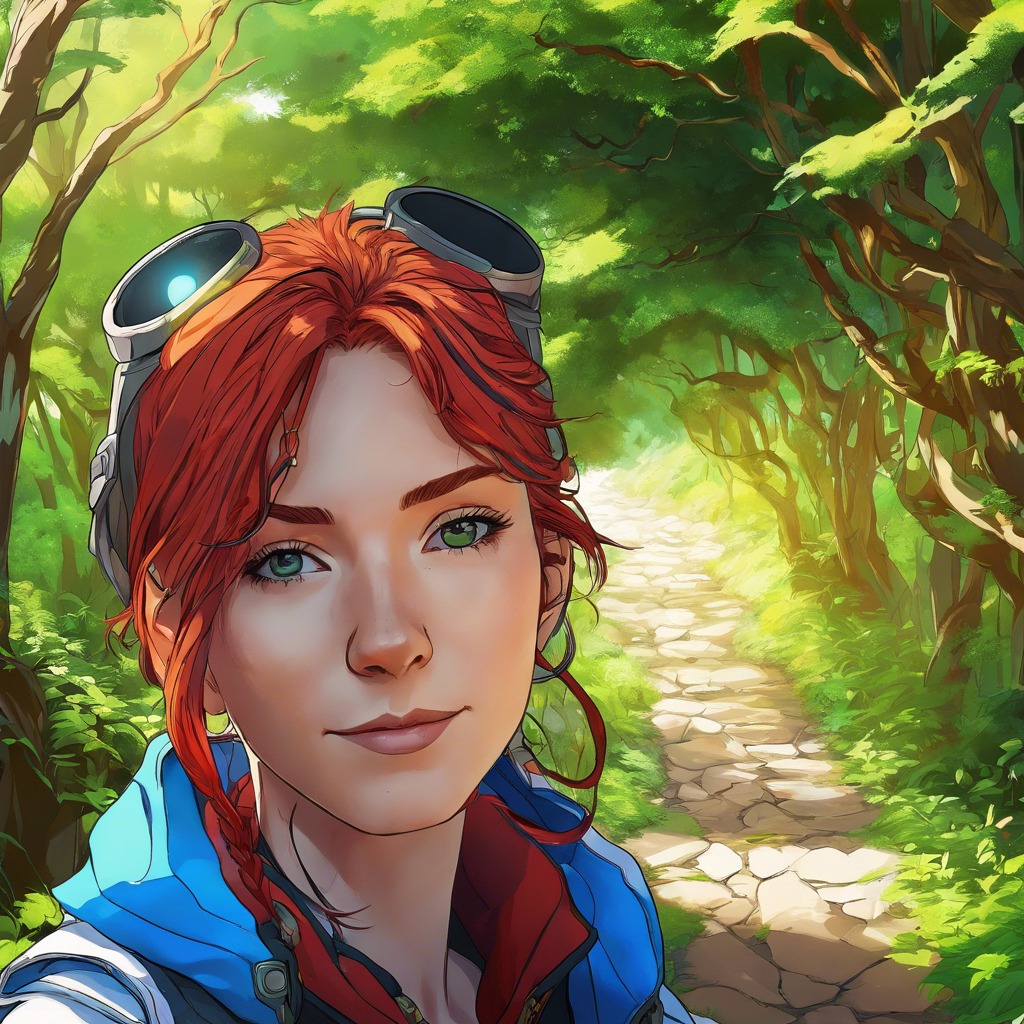
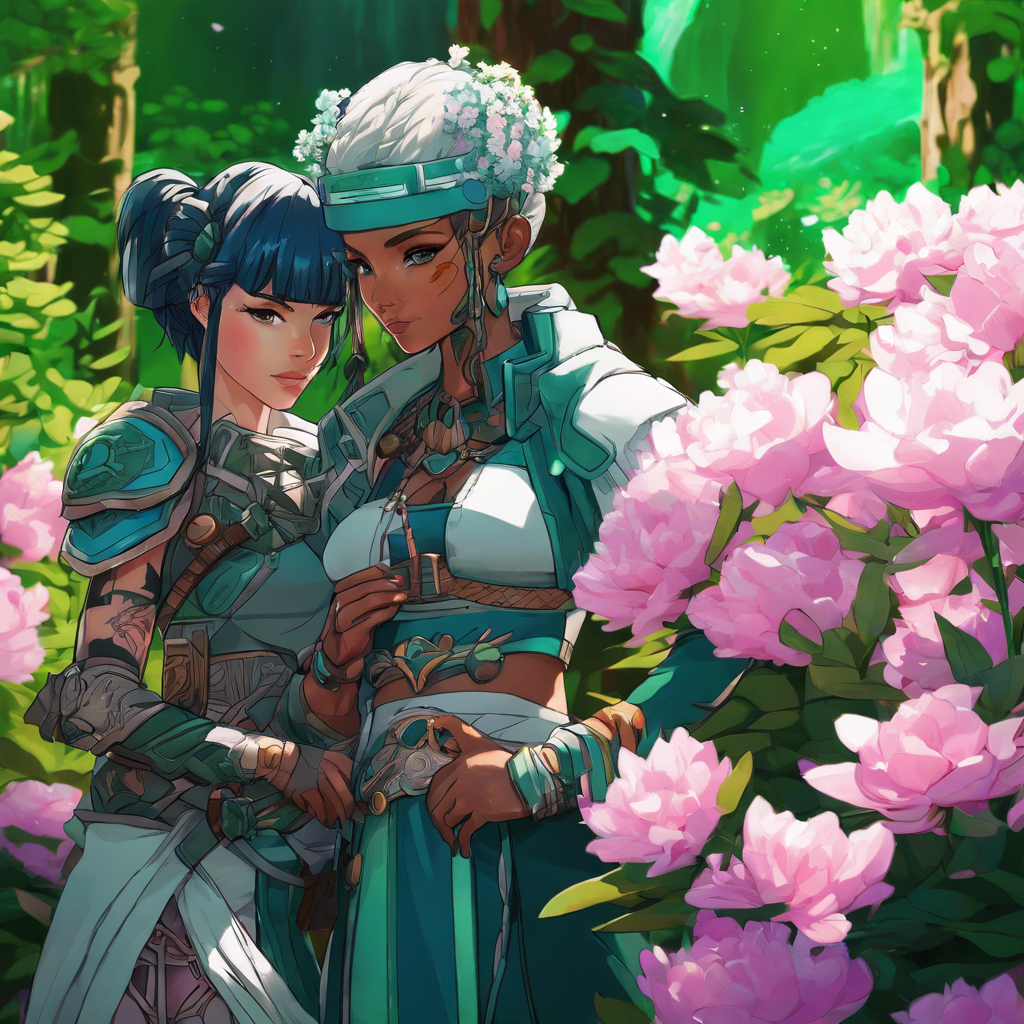
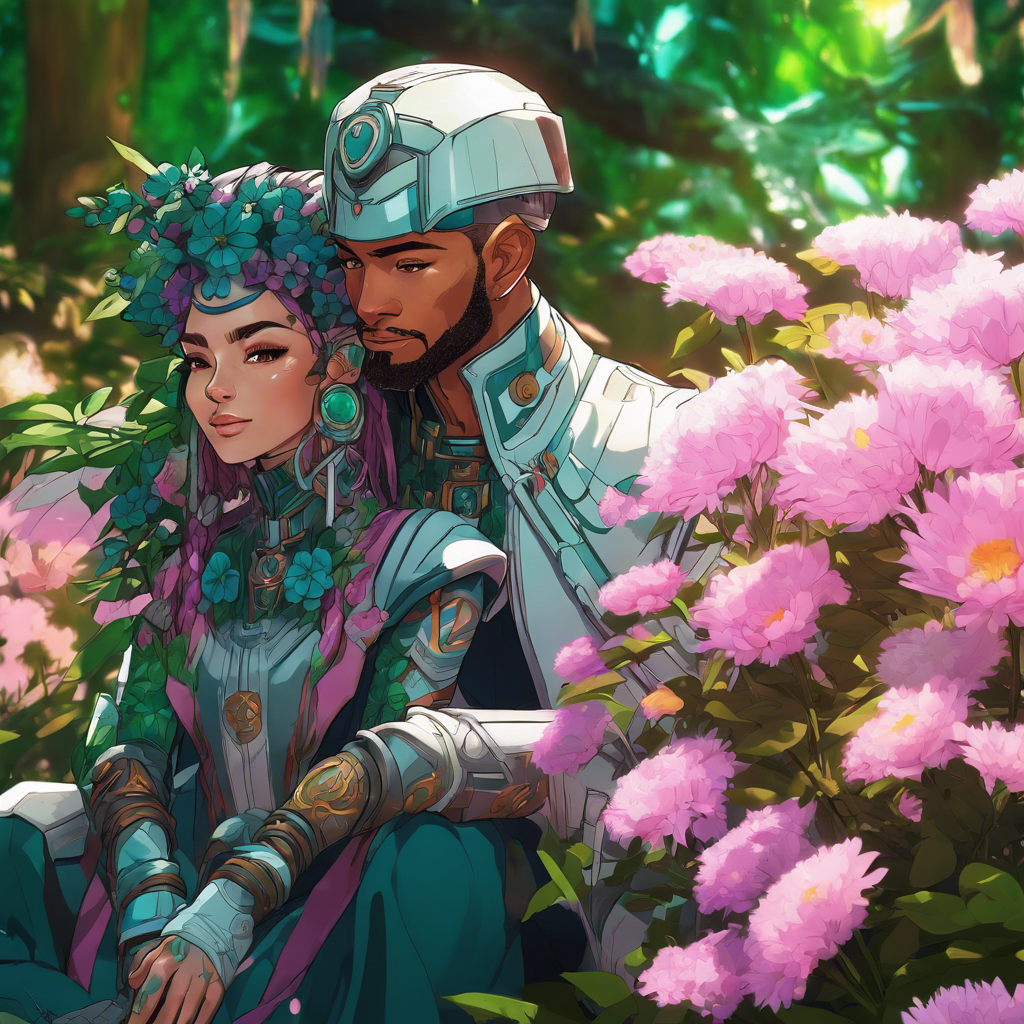
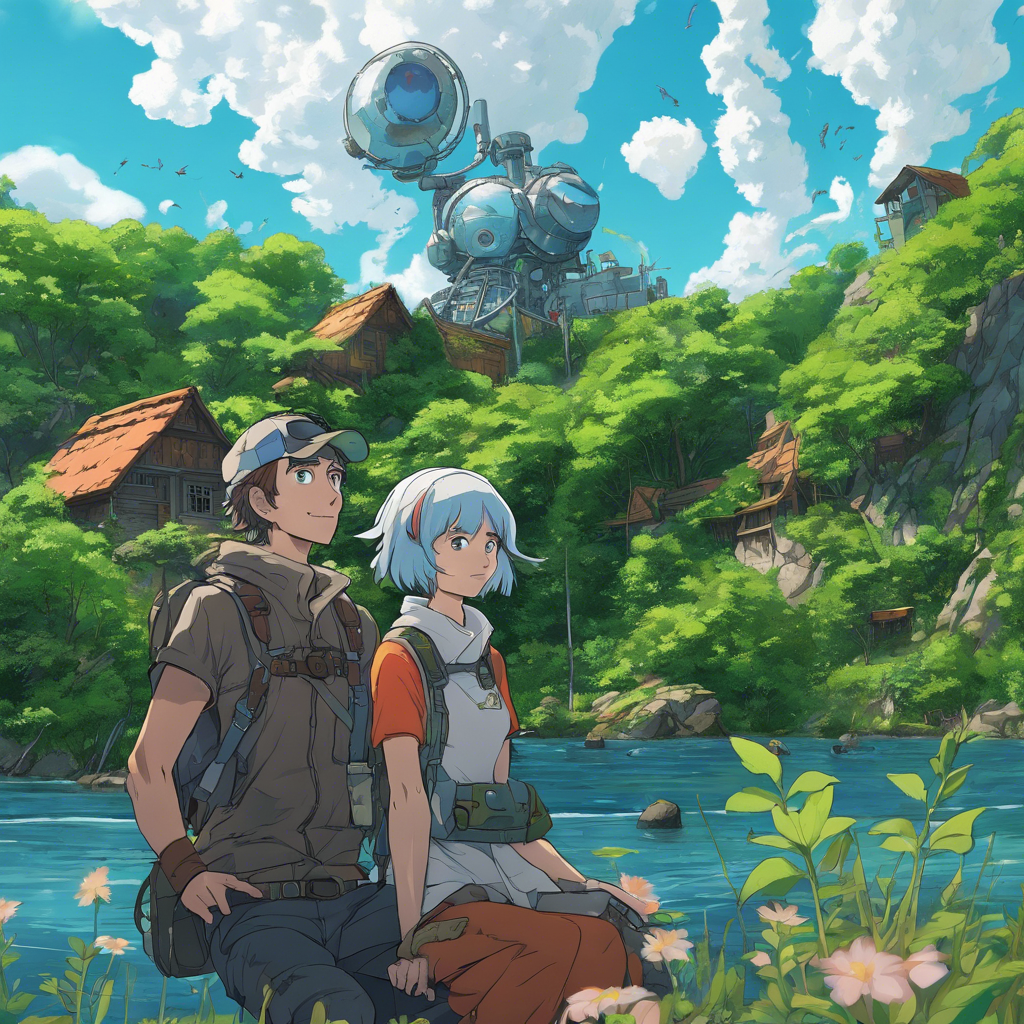
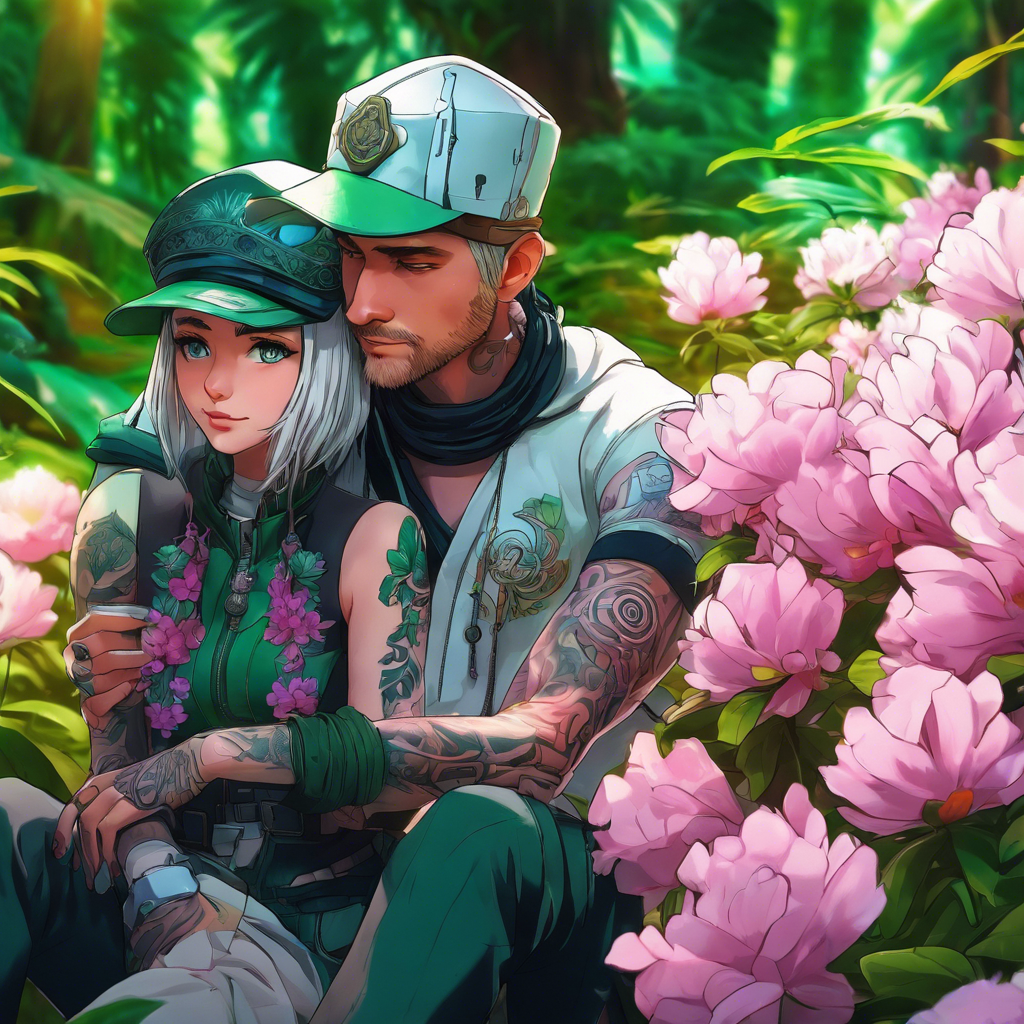
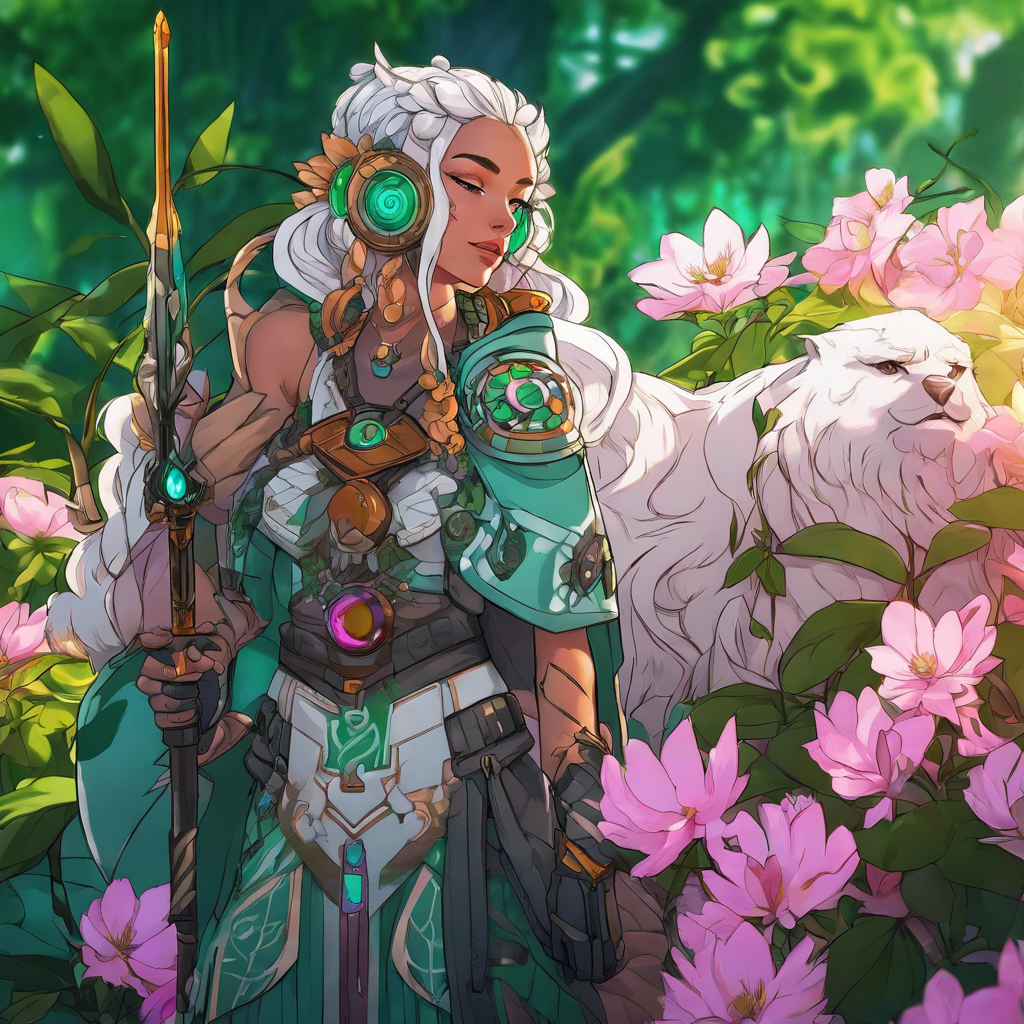
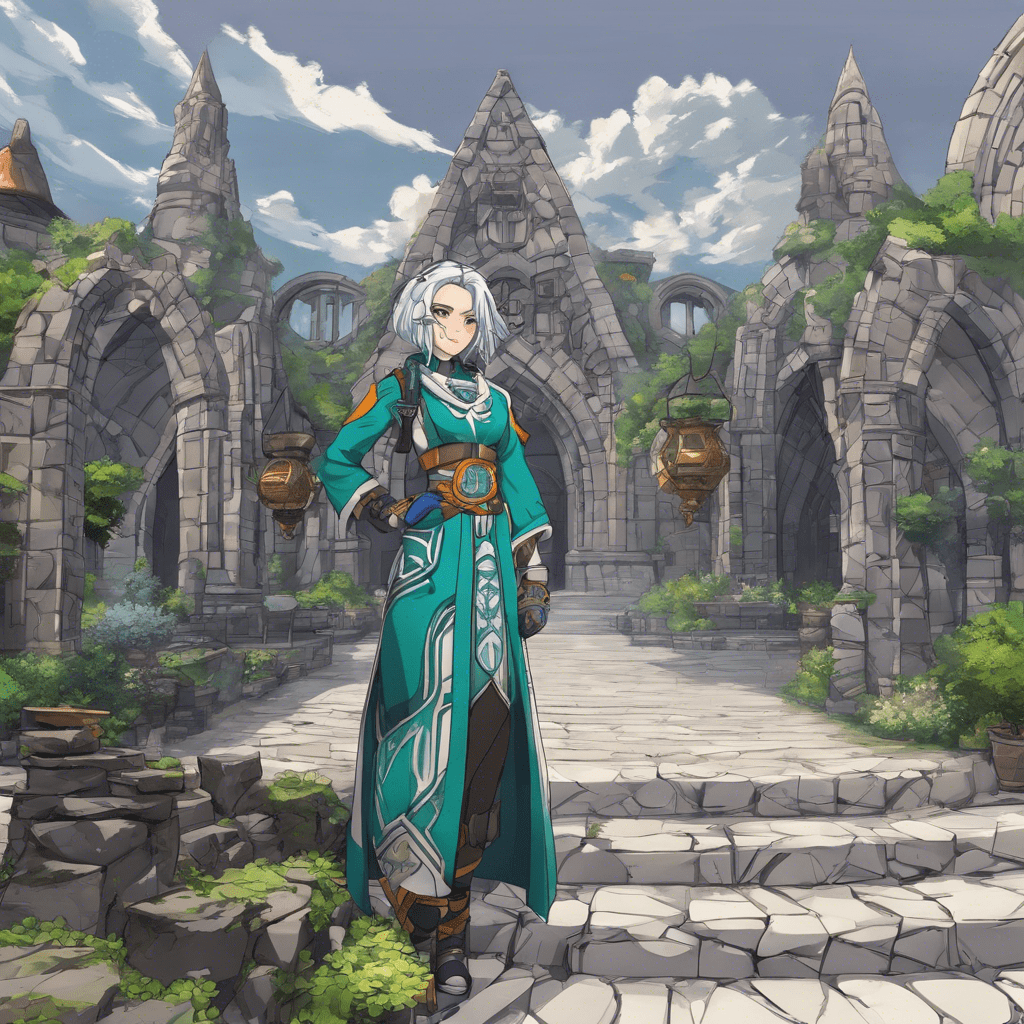
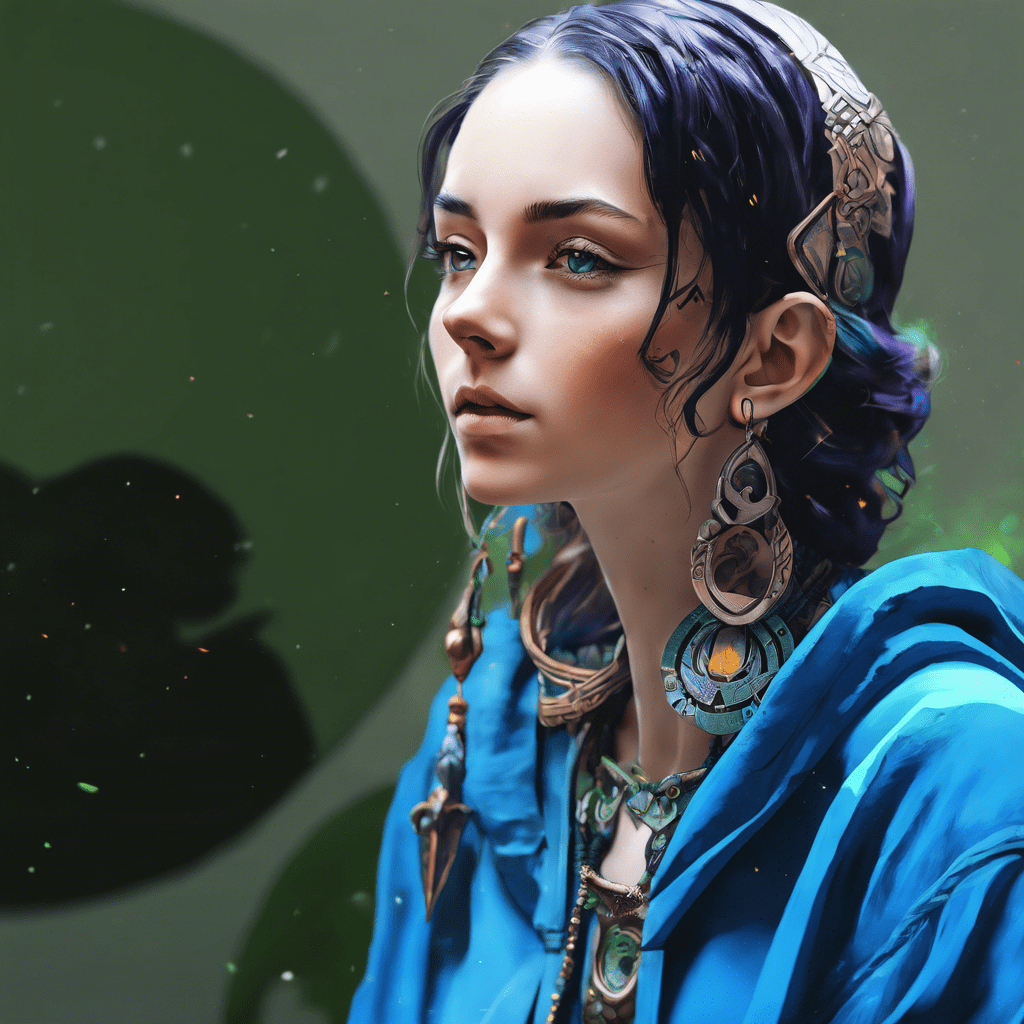
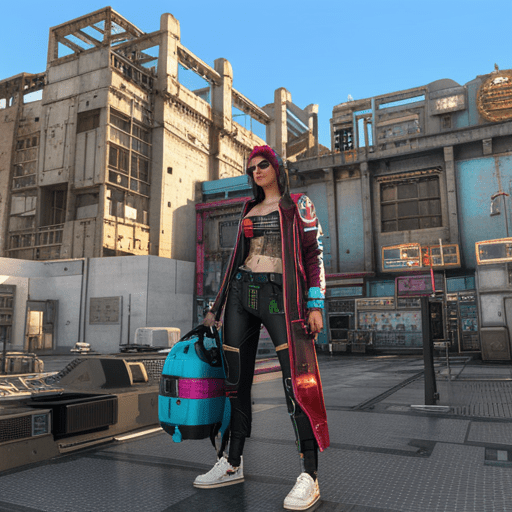
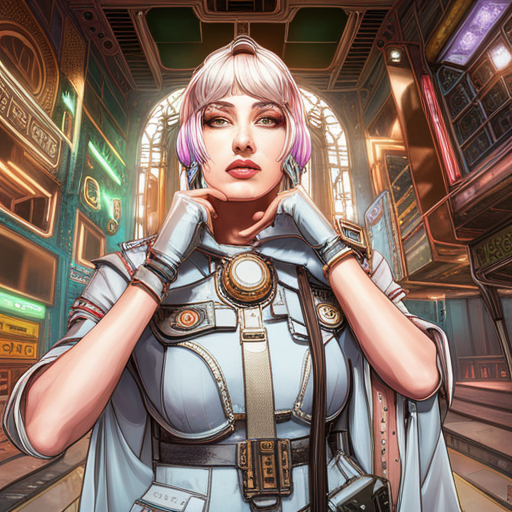
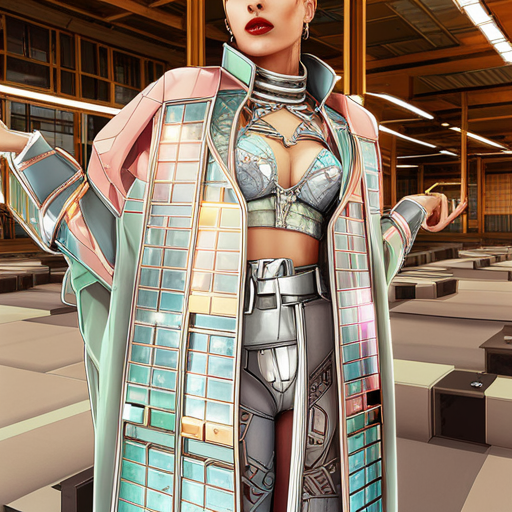
Solarpunk Celtic Style and People























Anime Meets 9th Century Book of Kells
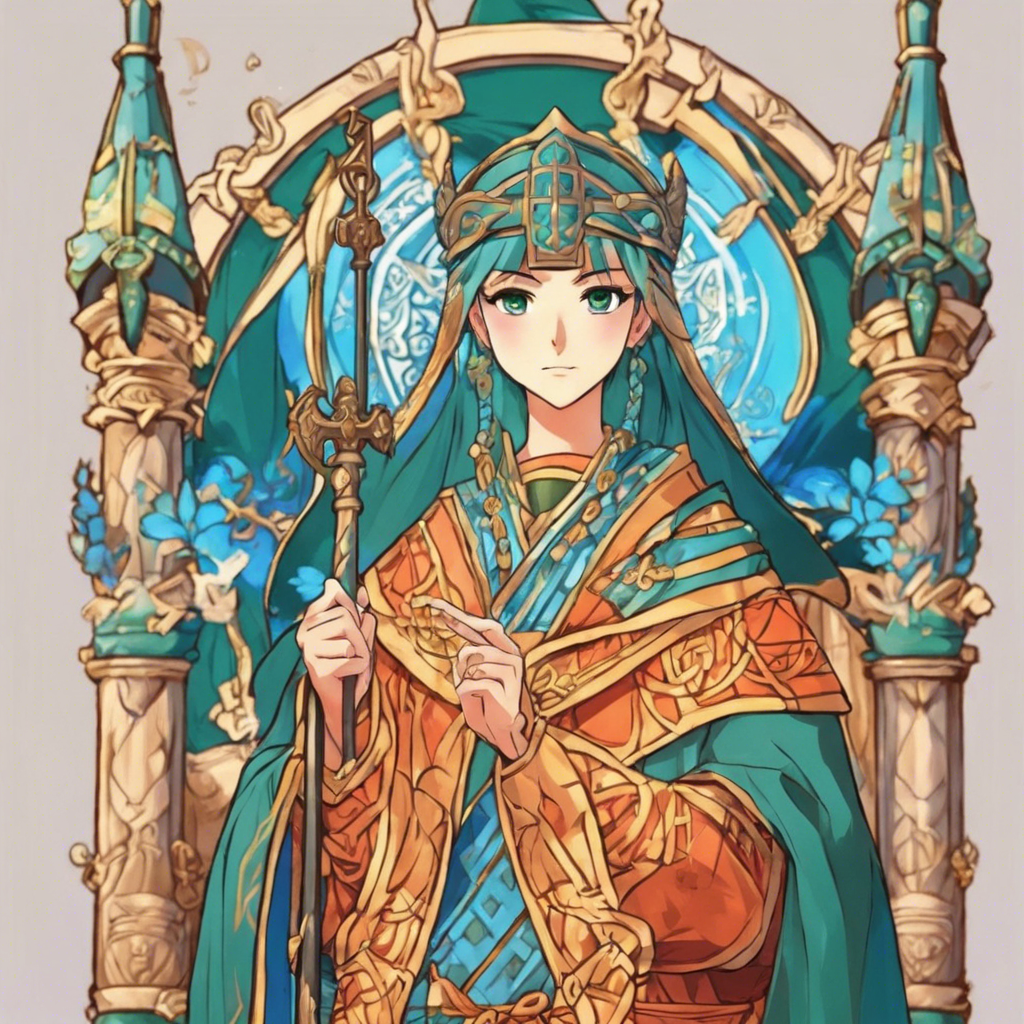
The Book of Kells is a work of 9th century monastic art that depicts scenes in the Bible. This book was moved around quite a bit to protect it from being destroyed by the vikings. I took some photos I have of the Book of Kells and applied an anime/solarpunk/celtic filter.




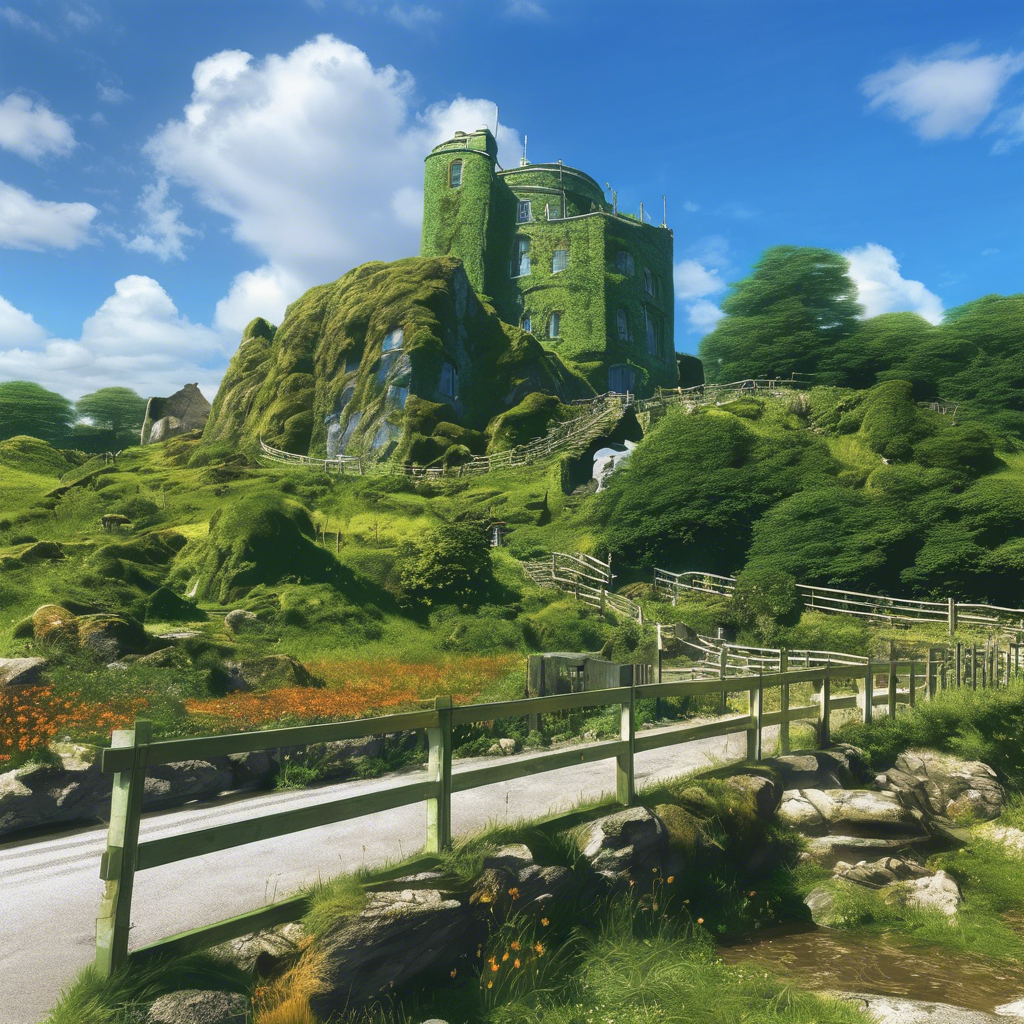
Solarpunk Castles
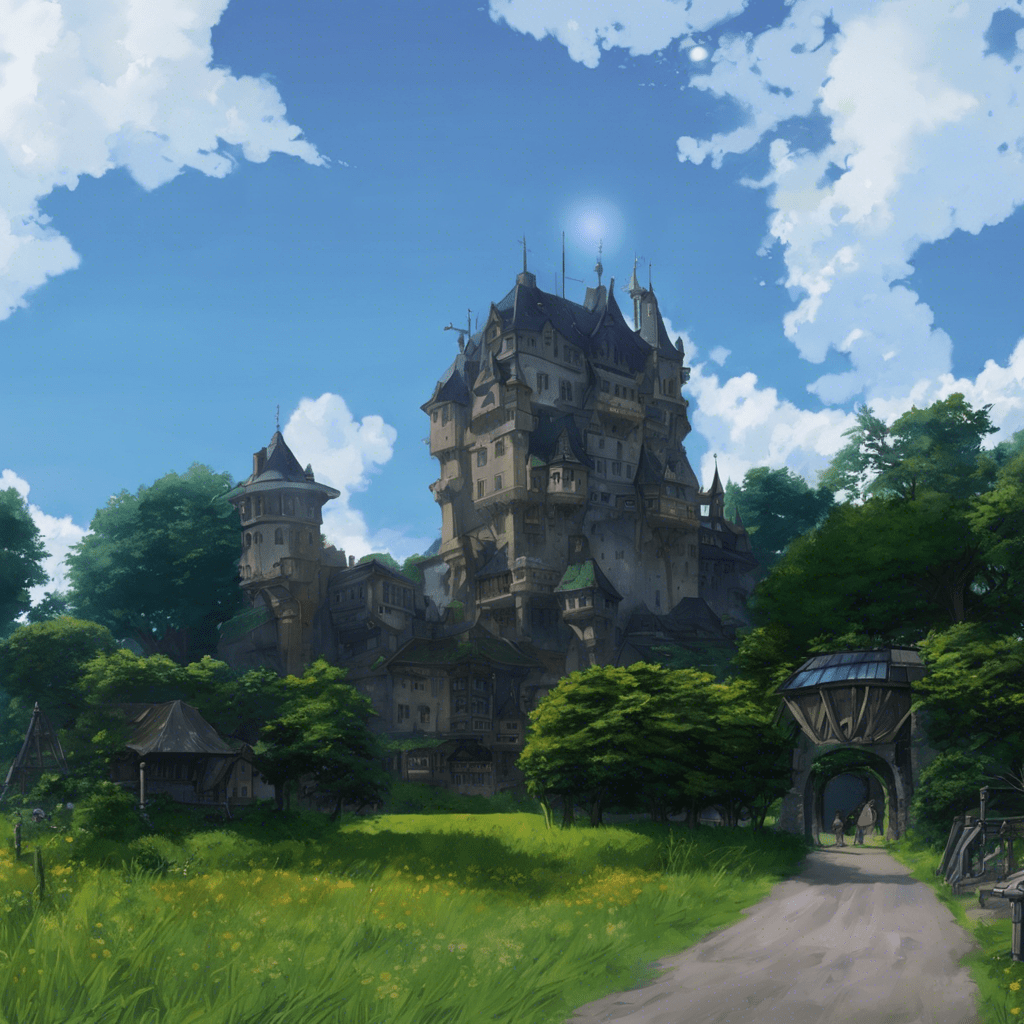
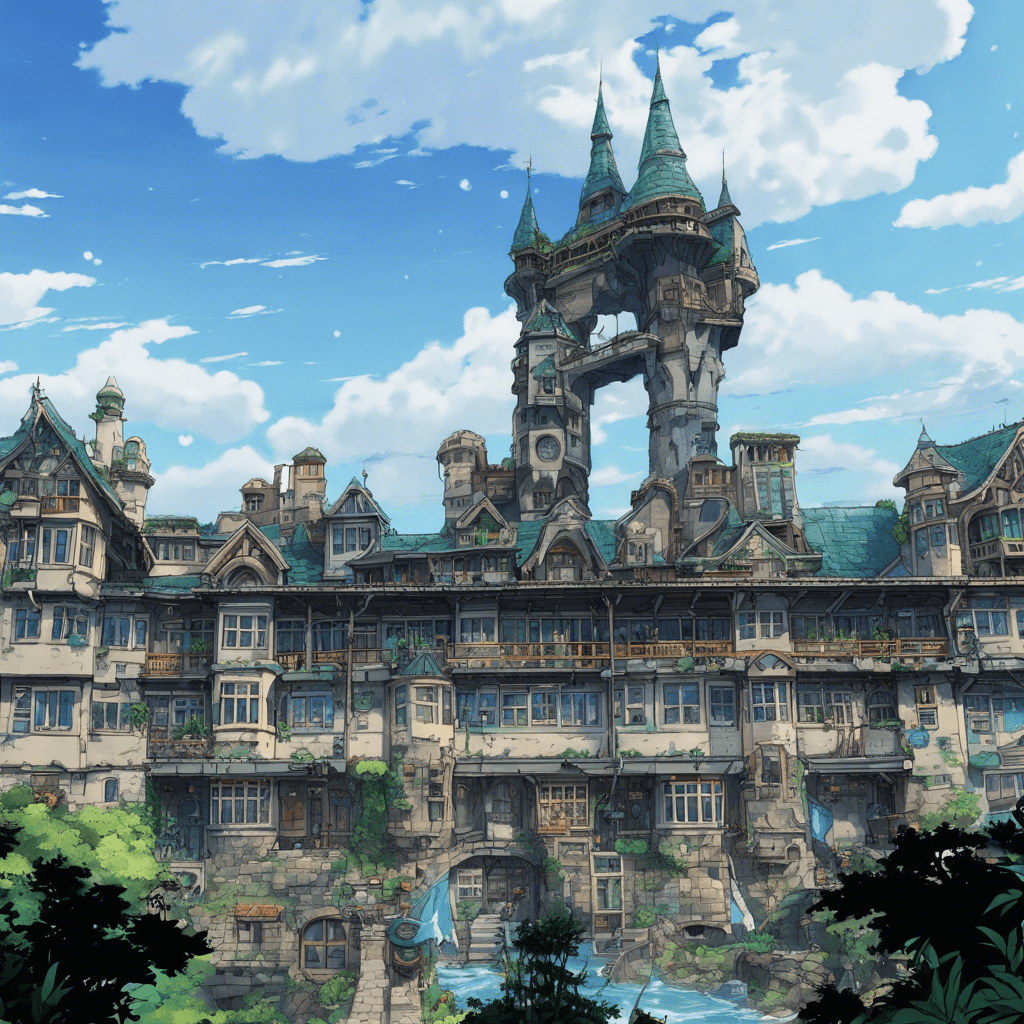
If there is one thing the Irish landscape has in abundance, it is medieval castles. Below is a vision of medieval castles being repurposed for vertical agriculture.



Solarpunk Irish Countryside













Solarpunk Dublin Portal


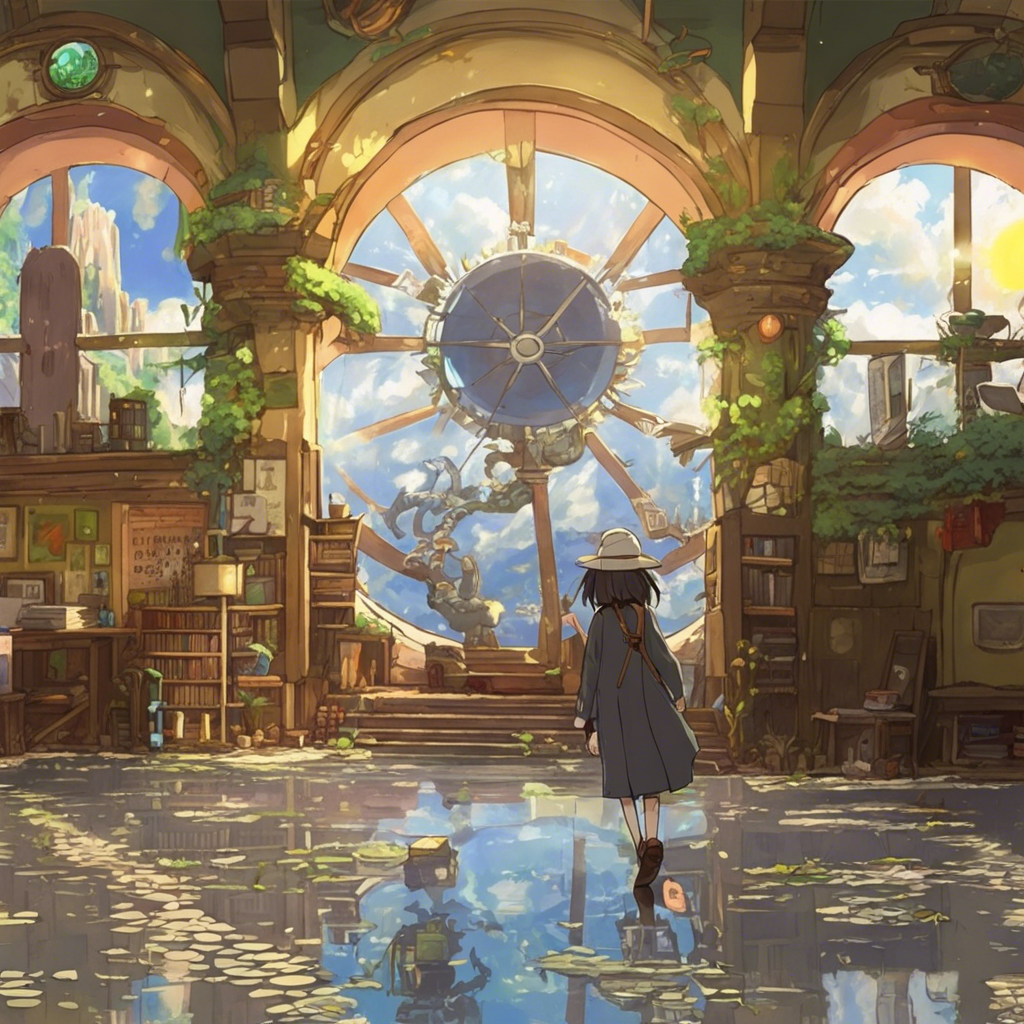
Solarpunk Long Room/Trinity College Library


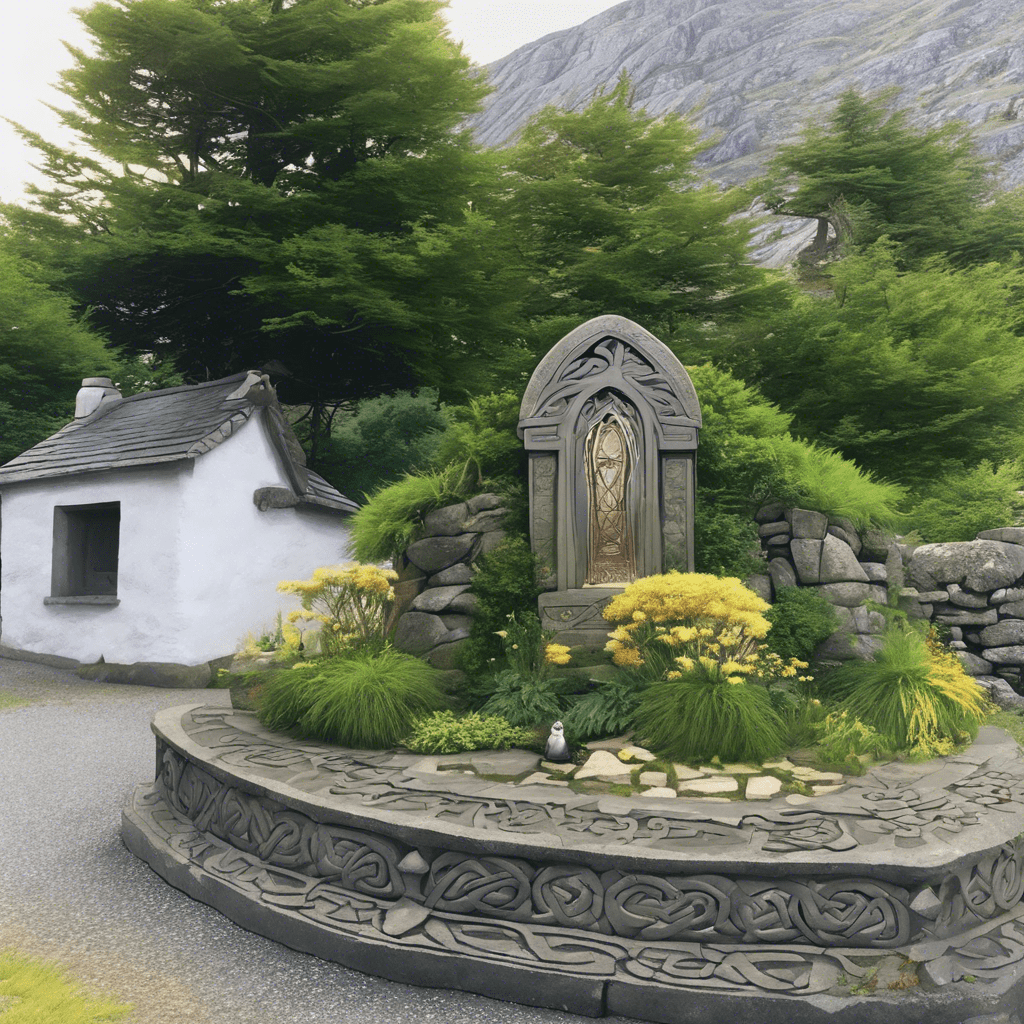
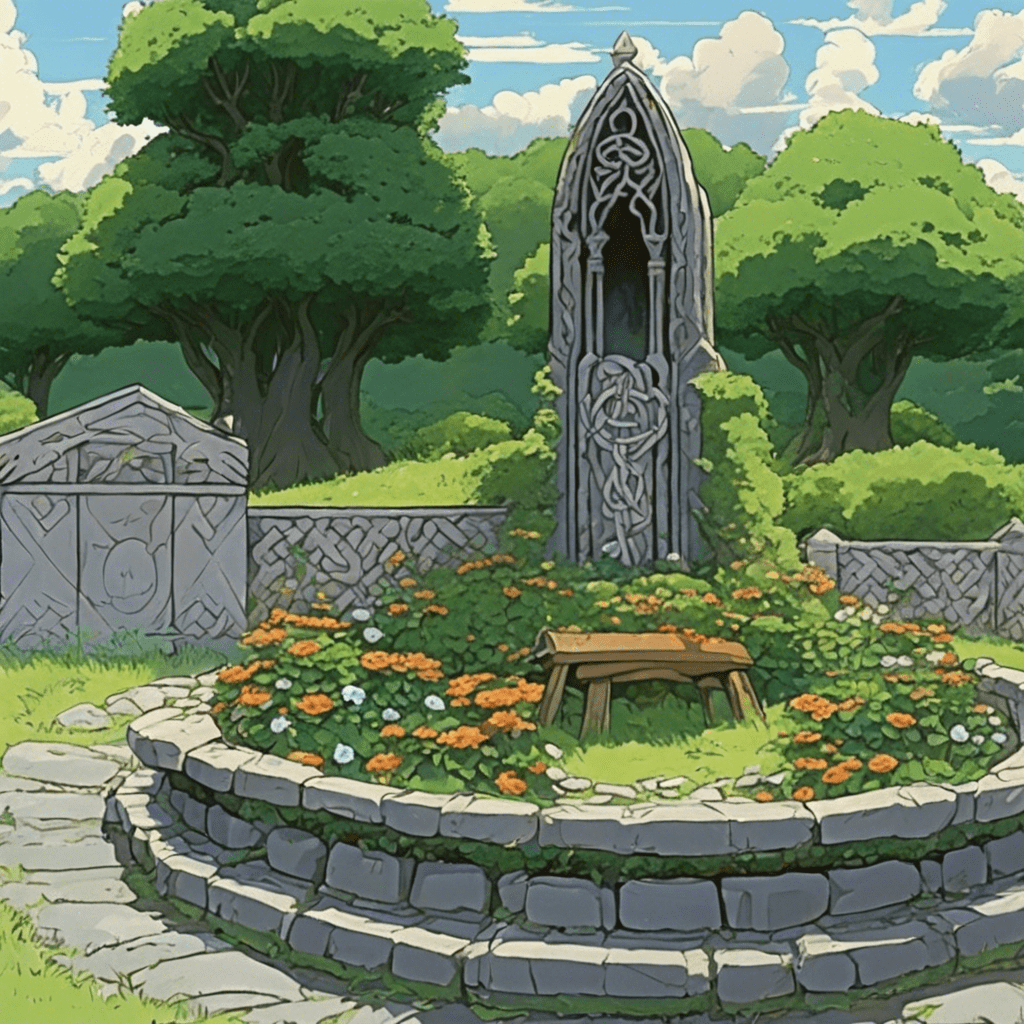
Solarpunk Irish Fairy Gardens



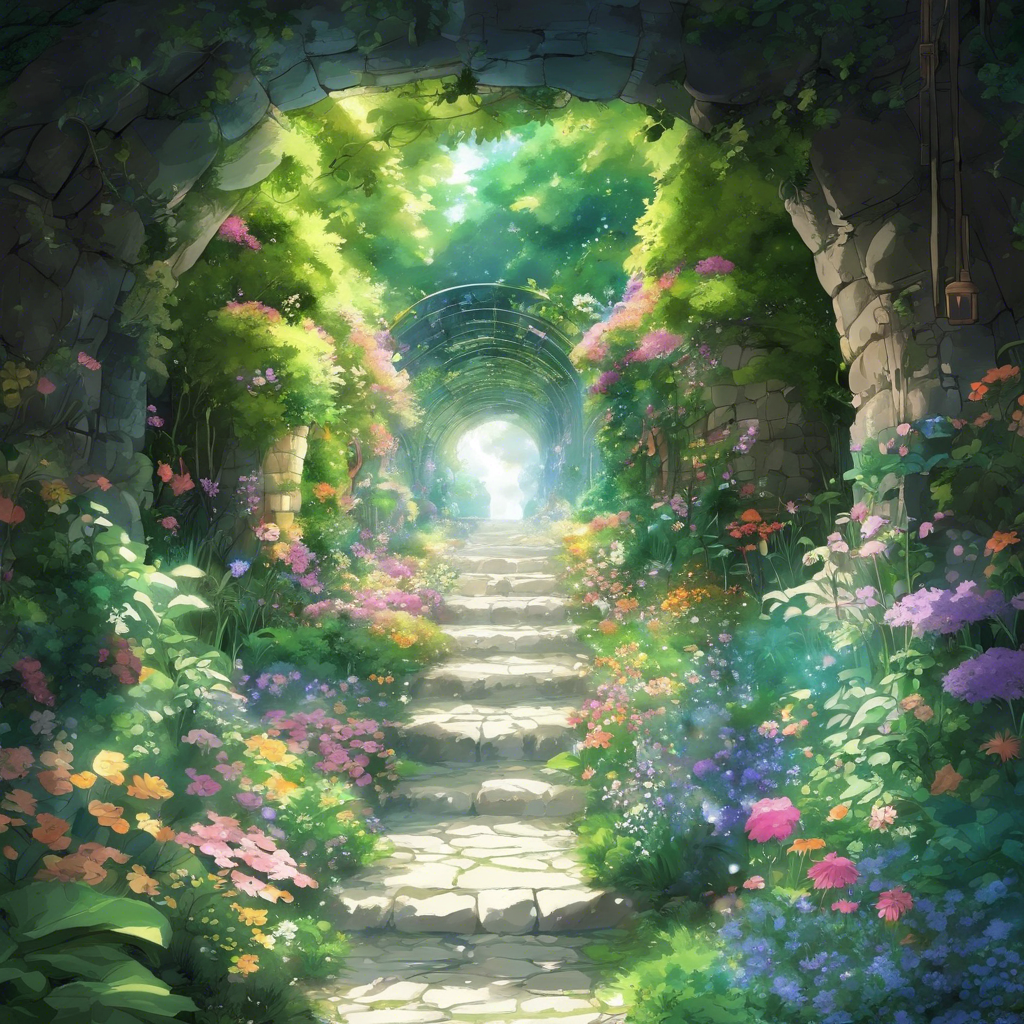







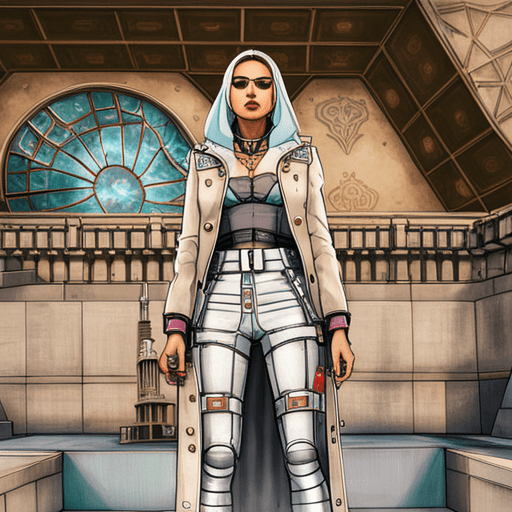
Futuristic Druids Meet Ancient Structures






Related Content:














































 Stories From Tomorrow - Jessica Brook's Author Site