A recent exposé by The Atlantic states that Meta is using works from the Library Genesis (LibGen) database to train its AI models. The problem is that LibGen apparently has over 7.5 million pirated books and 81 million pirated research papers.
The Atlantic shares court documents showing that Meta discussed licensing books for its AI training material, but instead decided to use pirated work because it was faster and cheaper.
Meta argued that it could then use the US’s ‘fair use exception’ defense if it was challenged legally.
Stories about fascism aren’t relevant right now. No, not at all. I was just mentioning this randomly for no particular reason. (Sigh…)
Anyways… the other day I was reading Radon Journal (a journal that publishes stories relating to science fiction, anarchism, transhumanism, and dystopia), and I found this flash fiction that was just about as entertaining as it was dystopian:
If you are also looking for a place to submit your short works of fiction to, I would highly recommend Radon Journal. They tend to publish engaging, well-written, off the wall content. And they have won several awards as well!
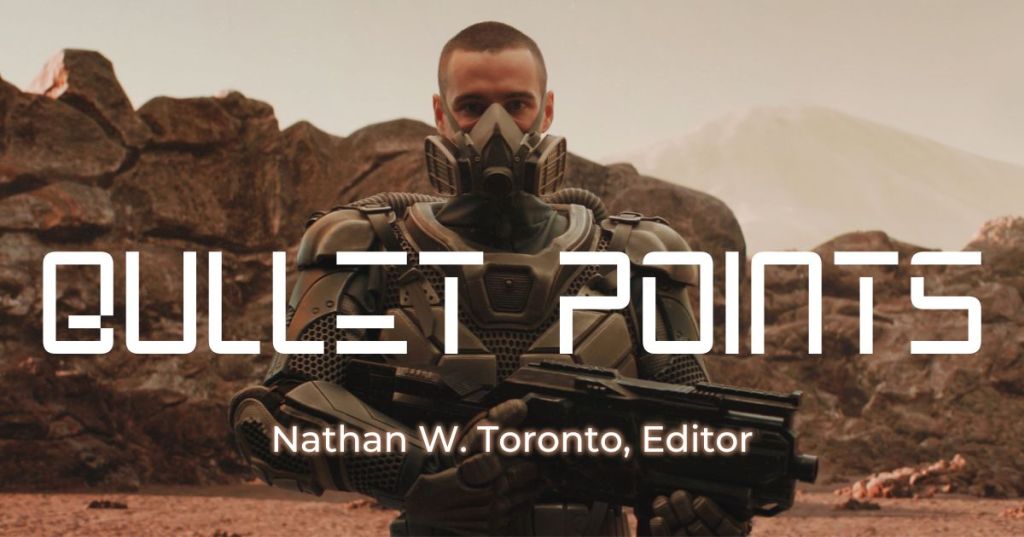
In this article, I’m going to be having a conversation with Nathan W. Toronto, the editor of Bullet Points Magazine. This is a magazine that publishes Speculative Military Fiction, Science Fiction & Fantasy, and Anti-War Military Science Fiction.
WHAT IS SPECULATIVE MILITARY FICTION?
Jessica: First, I wanted to ask: How do you define speculative military fiction, and what sets it apart from other speculative genres?
Nathan: Bullet Points hews to a broad definition of speculative military fiction. Most people focus on combat or tactical considerations to define the subgenre, but for Bullet Points, “military” fiction encompasses stories that explore some aspect of the organization or management of violence. Usually, war or warfare are pivotal to the setting or story. The story can revolve around someone who is affected by war or warfare and who is not actively participating in it, or it can be set in war’s aftermath, but if there is no organized application of violence, then there is no story.
Likewise, the story could revolve around insurgents or other irregular forces, but this is a matter of relative scale, since even insurgents do not operate in a state of nature; they organize their operations to some extent. The question is how this organization and management of violence matters. Being “military” doesn’t mean there has to be spit and polish, but it does mean we need to learn something new about war.
The beautiful thing about this subgenre is that it allows us to ask, given conditions that we don’t or can’t observe in our world, what would humans do in that most terrible human activity, war? There’s something powerful for me in this type of thought experiment.
Jessica: For anyone who is new to the genre, what books, stories, shows, or video games would you recommend?
Nathan: I’m not much of a gamer, at least not outside strategy board games like Risk and Axis & Allies, but there are three books that anyone new to the genre should start with: Orson Scott Card’s Ender’s Game, Robert Heinlein’s Starship Troopers, and Joe Haldeman’s The Forever War. These three books are foundational and offer different ideas about the organization of violence in society, be it through training and small group leadership (Ender’s Game), nationalistic propaganda (Starship Troopers), or isolating purveyors of violence from civilians (The Forever War). These novels go well beyond these themes, but together they paint a rich canvas for the dynamics of organizing violence for war.
These are the traditional starting point, but I wouldn’t stop there. Heinlein’s The Moon Is a Harsh Mistress, Frank Herbert’s Dune, the Star Wars movie Rogue One, and the Andor series explore the political, psychological, and institutional dynamics of rebellion. Understanding rebellion and insurgency is at least as important as understanding how a highly institutionalized military force operates. Weapons, destruction, and blowing things up are still a source of excitement in insurgent stories, but the subtle and not-so-subtle differences between the organization of formal military forces versus informal or irregular forces tell us a great deal about ourselves and offer plenty of avenues for building compelling stories.
I believe that the definition of speculative military fiction should be broader than the conventional wisdom currently dictates, but it’s also about more than violence in society generally. Murder mysteries and spy thrillers are not military simply because people get hurt. Military discipline and training matter for what we expect military forces to do, and it behooves authors to demonstrate that they know why these military institutions matter. The point is that speculative military fiction can appeal to a broader demographic than it currently does while maintaining its roots in a genuine understanding of that most terrible human institution, war.
Jessica: What role does speculative military fiction play in reflecting or shaping public discourse about veterans and modern warfare? What are some concepts that you believe are important for the public to understand about these topics?
Nathan: The traditional publishing industry has pigeon-holed speculative military fiction such that it can’t shape public discourse about veterans and modern warfare in a meaningful way. The Washington Post bestseller list rarely has science fiction or fantasy titles and almost never has speculative military titles (and none in the last year). This is one reason I started Bullet Points, to expand the reach of this wonderful, powerful subgenre.
The potential of the subgenre is massive. We have had a volunteer military force for fifty years in the United States. By now, too many lifelong civilians do not really understand the military experience. I never served, but I see how critical this civil-military connection is. We need stories to help us understand the post-traumatic stress, homelessness, and substance abuse that ravage those who fight our wars. Too many of us don’t understand the human costs of war. Too many of us don’t understand the effects of war on those on the home front, or those who are refugees or displaced because of it. If speculative military fiction can enlighten us in some way about these critical societal issues, then it will have done some good.
In the 1920s, Erich Maria Remarque’s All Quiet on the Western Front was pivotal in changing the way the public understood and viewed war. Total war, with entire societies mobilized for violence, has gradually receded in prominence over the last hundred years. Wars are still vile and deadly, but the scope and scale of destruction has decreased. More and more people around the world work to lessen the terrible effects of war and to reduce the political viability of war. Ultimately, speculative military fiction can help make war less deadly and less likely.
Jessica: Are there any trends you’ve noticed in speculative military fiction that are influencing what readers want?
I see two main trends. First, military technology is changing dramatically. Innovations in drones, hypersonic missiles, electronic warfare, information technology, and artificial intelligence are changing the battlefield. In Ukraine, for example, it is a lot harder for combatants to hide on the battlefield than it used to be, making it easier to find, fix, and destroy targets. The so-called “storm of steel” is no longer the most lethal aspect of the battlefield. Mobilizing soldiers for war and justifying violence politically has changed in the information age.
Readers are much more nuanced today than they used to be because of these changes, so speculative military fiction authors need to adapt in response. Second, interest in speculative military fiction is expanding significantly beyond the traditional core demographic of those who played with army men and read military history when they were boys. I am in this core demographic and I’ve seen a larger number of women and those who think about war differently demonstrate interest in the subgenre. I am pleasantly surprised by the diversity of stories that I find in the Bullet Points slush pile. This suggests that the subgenre is on the cusp of dramatically increasing its reach.
BULLET POINTS MAGAZINE:
Jessica: Can you share the origin story of Bullet Points magazine? What inspired its focus on speculative military fiction?
For years I submitted my work to traditional science fiction outlets. I was starting to develop a bit of an inferiority complex, but I knew I wasn’t that bad of a writer. I looked high and low but couldn’t find outlets for my short military science fiction, so I started asking around for stories and published the first annual anthology in 2021, with only seven stories. Over time, the pipeline grew and 2024 was the first year with quarterly issues. While the website has evolved over time, becoming more of a database and less of a blog, I have created print issues from the beginning. I’ve learned a LOT about this process, from using Canva to create covers and LaTeX to typeset interiors to navigating Kindle Direct Publishing and IngramSpark. I’m still pretty bad at marketing, but I’m here, right?
I feel like authors and readers are inspired by the mission of Bullet Points, which is to build appreciation for the military experience through short speculative military fiction. I’ve always been a war geek, reading military history and playing with GI Joes from a young age. I earned a PhD in international relations and wrote my dissertation on how militaries become professional, a critically important trend in human history. I have taught military operations and strategic decision-making to dozens of military officers over the years and I wrote an academic book called How Militaries Learn. When I was in grad school, I read Ender’s Game, which sucked me irretrievably into space. I’ve been a military science fiction addict ever since. I’ve written three military science fiction novels but still work full-time in a field I’m passionate about. Frankly, I have to work pretty hard to support my writing addiction.
Jessica: What themes or perspectives are you most interested in showcasing in the magazine?
Stories in Bullet Points must have both a speculative and a military element. Military fiction stories that do not have a speculative element? No dice. Science fiction stories without a military element? Nope. Stories that appear in this magazine must have both, and they must do it well. Bullet Points commits to being thoughtful: stories must teach us something about war. If prospective authors are in doubt about what this means, they can read a few of the 61 stories in the Bullet Points database (which has over 100 stories) that are open-access. I received 147 submissions last year and accepted 27; the most common reason for a story being rejected was that it lacked either a military or a speculative element (and sometimes both), so I clarified in the annual report what “military” and “speculative” mean for Bullet Points.
By far the most important characteristic of stories in Bullet Points is that they say something novel about war or warfare. “War,” in this case, refers to violent political struggle (why we fight) and “warfare” to tactical or operational considerations (how we fight). This is a pretty broad range of human activity for authors to work with, and in my mind, this could include the effects of war on civilians and the role of military members in combat support or rear echelon roles.
Jessica: Are there any standout pieces or authors in the magazine’s history that you feel represent its vision?
Do you have kids? That’s like asking me who my favorite children are. I love all the stories in Bullet Points. That said, there are a few stories that stick with me long after having read them, mostly because they are brutally honest about the complexity of the human condition at war. These are listed below with bullet points (of course) and in alphabetical order by author last name:
Joe Haldeman, “Time Piece” —A forever war across relativistic distances threatens humanity. (This story eventually became the seminal novel The Forever War.)
Jessica: Thank you for taking the time to answer my questions and give such in-depth, thoughtful answers! That was all very informative. The most impactful sentence in this interview for me was, “Too many of us don’t understand the human costs of war.” I think that’s very true. It’s interesting to consider the ways in which military fiction could change the public consciousness about war and promote peace.
When chronic tardiness meets quantum physics—and it all goes horribly wrong.
“Always Late? It might not be your fault. Conducting a study in the field of quantum physics. Tardy folks needed. You will be compensated. – Professor Green”
The flyer for the study was in Mia’s hand. She was always about thirty minutes late wherever she went. It was starting to become a problem at work and in her dating life. In desperation, she agreed to volunteer for the study and planned to show up at the professor’s house at 3:00pm. It was weird the professor had her come to her home instead of the university. Yet if the professor could fix Mia’s chronic tardiness, she supposed location didn’t matter much.
Of course, Mia arrived at the woman’s house at 3:30pm. Before Mia could even knock, the door swung open. A middle-aged woman in pajamas answered. Mia wondered if she had gone to the right address.
“Ah, perfect!” The woman beamed. “You’re late. I’m Professor Green. Nice to meet you, Mia. Please. Come in.”
“You’re happy I’m late?” Mia stepped inside.
“It’s not your fault.” Professor Green winked. “At least, that’s the working hypothesis.”
Without wasting any time on small talk, the professor led Mia downstairs. Once they reached the basement, Mia’s muscles went rigid. It was dark, the only light being the white glow of a computer monitor. There was a mess of wires connecting the CPU to a headset on the desk. The headset looked like a mechanical crown of thorns.
Mia took an involuntary step backward. “What is all this crap?”
Professor Green patted one of the computer chairs next to the desk. “Let me explain to you how all this crap works, my dear.”
Mia told herself she wasn’t afraid of some kooky pajama-clad professor. She took a seat. “You said it’s not my fault I’m always late?”
Professor Green sat in the other chair. “Your chronic tardiness may have to do with your brain’s perception of time. It may be out of sync with the rest of the universe.”
It was true that Mia always felt out of sync. Apparently, it was all the universe’s fault. Stupid universe. “What could I even do about that?” Mia asked.
Professor Green grabbed the crown of wires. “I believe I can use my temporal enhancer to get you in sync.” Professor Green placed the temporal enhancer lightly atop Mia’s head and typed a long string of equations on her computer that looked like another language.
“You better not fry my brain,” Mia said, trying to sound braver than she felt.
The professor didn’t respond.
“So how does this thing work?” Mia asked.
“Have you heard of the Observer Effect?”
“No.”
“It’s the idea that quantum phenomena is affected by the observer.” Professor Green inspected the connection the temporal enhancer had with the computer. “If I change the way your brain observes time, hopefully I can not only change the way you interact with time, but the way time interacts with you.”
Mia swallowed. “Have you tried this on anyone else?”
A ghost of a smile tugged at the professor’s lip. “You’re the lucky first.”
“The hell I am.”Mia’s fingers went to the crown of wires.
Professor Green clucked her tongue. “I wouldn’t take that off if I were you. I’m doing some very fine calibrations. At the Planck level in fact. It’s a unit of time so small it’s ten to the negative twentieth power the size of a photon. If I’m even one digit off, you could end up—” Professor Green scratched her head. “Hmm, I guess I don’t know what would happen to you if I was that far off.”
Sweat trickled down the back of Mia’s neck. Professor Green didn’t seem to notice her discomfort. The professor clacked away at her keyboard, humming contentedly. A light static zapped different parts of Mia’s head. Mia realized she had been wrong. Some experiment that messed with her brain wasn’t the answer to overcoming her bad habits. It was insanity.
“Screw this.” Mia grabbed the temporal enhancer.
“Stop that!” The professor clutched at Mia’s wrists before she could pull the device off.
“Get off of me!” Mia shoved the professor’s hands away. The woman’s elbow flew backward, hitting the keyboard. Numbers spooled rapidly across the screen.
Professor Green’s eyes went wide as hubcaps.
Shit. That’s not good. Before Mia could ask what was happening, a powerful burst of electricity exploded outward from the crown of wires, filling the room with blinding light.
Mia screamed. She was no longer in Professor Green’s basement. She was now lying on cracked, burning Earth. Mia’s skin turned red and blistered against the ground. She jumped to her feet. It was hard to see or breathe because the air was thick. It tasted toxic too. She coughed and struggled for breath as she squinted up through the haze, jumping from foot to foot on the scalding Earth. Through the mist, she made out the sun. The now red and enormous sun.
A horrifying fact from school came to her unbidden. A description of the death of the sun. The death of the solar system. The end of time.
Professor Green’s calculations were indeed off. Very off. Mia was no longer just thirty minutes late.
She was now five billion years too late.
The End:
Author Note: Thanks for reading my story! I have struggled with chronic tardiness throughout my life. To the point where one of my doctors even called me, Little Miss Suzie Late Pants (btw my name’s not Suzie).
Upon learning about how our observations can potentially impact reality, I have often wondered just how far this could go.
I’m currently sending out queries for my latest novel, a psychological thriller called SEVEN ANGELS. I was inspired to write this novel during the lockdown era of Covid. People were acting crazier than normal. I was also inspired by thinking about how easy it would be for a serial killer to kill and hide his victims while the authorities were distracted by national matters.
SEVEN ANGELS QUERY:
Emma Meyer, an anxiety-ridden MIT dropout, is struggling with her mental health during the summer of lockdown in Northern Virginia. Unemployed and desperate to avoid her alcoholic mother—who she’s stuck in the house with most of the day—Emma becomes obsessed with true crime podcasts. She learns of the “Hollow Man,” an urban legend in the local area rumored to be responsible for the murder of twelve young women who have disappeared without a trace. Emma’s bubbly friend Hani Abdullahi (a TikTok influencer with growing fame) tries to lift Emma’s spirits by giving her number to Luke Taylor—a charismatic landscaper with a Captain America smile. From the moment Emma meets Luke, she gets an ice-cold feeling in her gut.
Emma’s unease only deepens as she notices strange coincidences and signs that Luke might be stalking her. She starts to wonder if he’s the infamous Hollow Man from her true crime podcasts, or if lockdown is just kicking her morbid imagination into overdrive. Meanwhile, Hani, eager to avoid her overprotective family, grows closer to Luke, uncovering traumatic secrets behind his charming facade. With the lines between fear, reality, and attraction blurring, the girls must work together to expose Luke’s true nature before the Hollow Man pulls off his largest disappearing act yet.
AUTHOR NOTES:
Much like NONE OF THIS IS TRUE by Lisa Jewell, SEVEN ANGELS has an unreliable narrator coupled with the fast pacing of a psychological thriller. My novel also has the sinister, comedic deadpan tone of Oyinkan Braithwaite’s MY SISTER, THE SERIAL KILLER.
If you are interested in this story, don’t hesitate to reach out by leaving a comment or emailing me at jbjwrites@gmail.com
Researchers in China have announced that they have discovered a type of moss capable of surviving on Mars.
Syntrichia caninervis, a moss typically found in extreme environments on Earth such as Antarctica and the Mojave Desert in the US, has shown resilience in Mars-like conditions. These conditions include severe drought, high radiation levels, and extreme cold.
The research team claims their study is pioneering in examining how plants might survive and thrive on the Martian surface.
For those writing science fiction that takes place on Mars, this could inspire some of your world building.
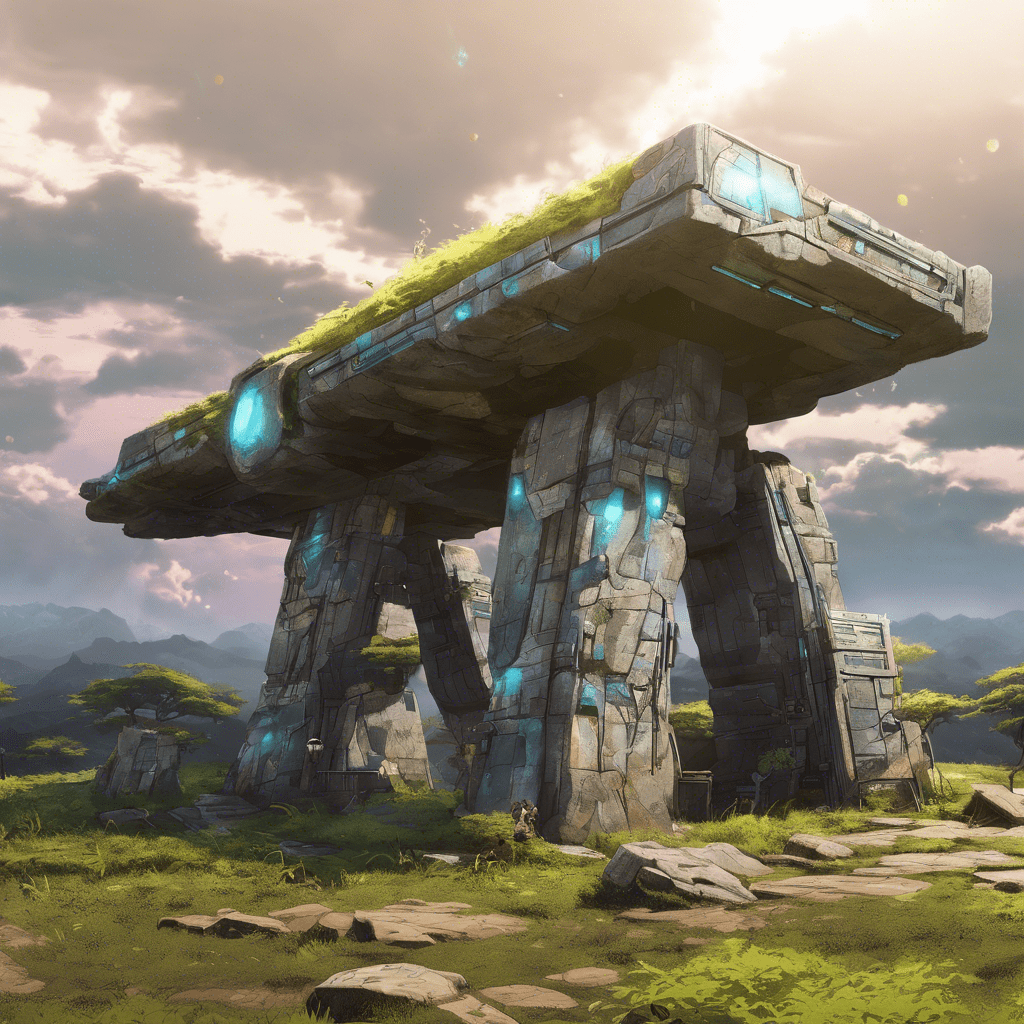
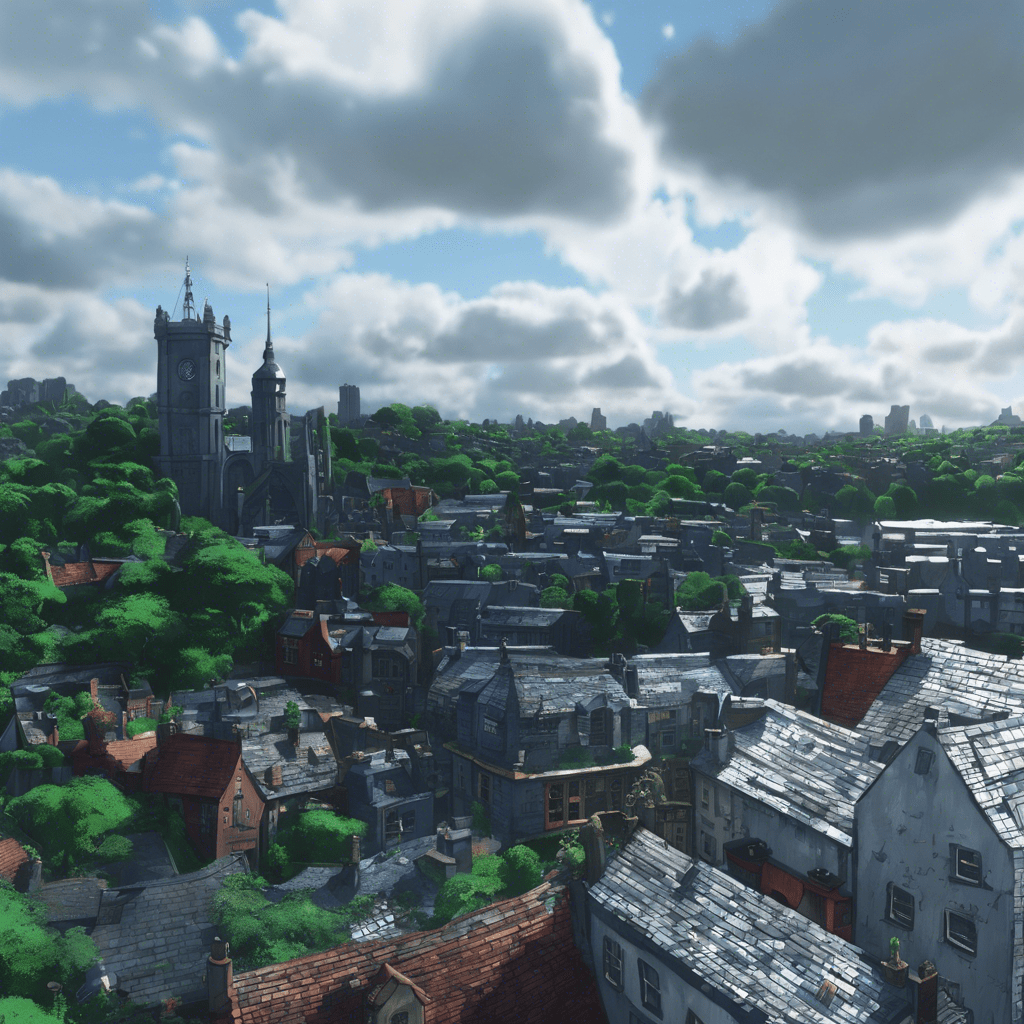
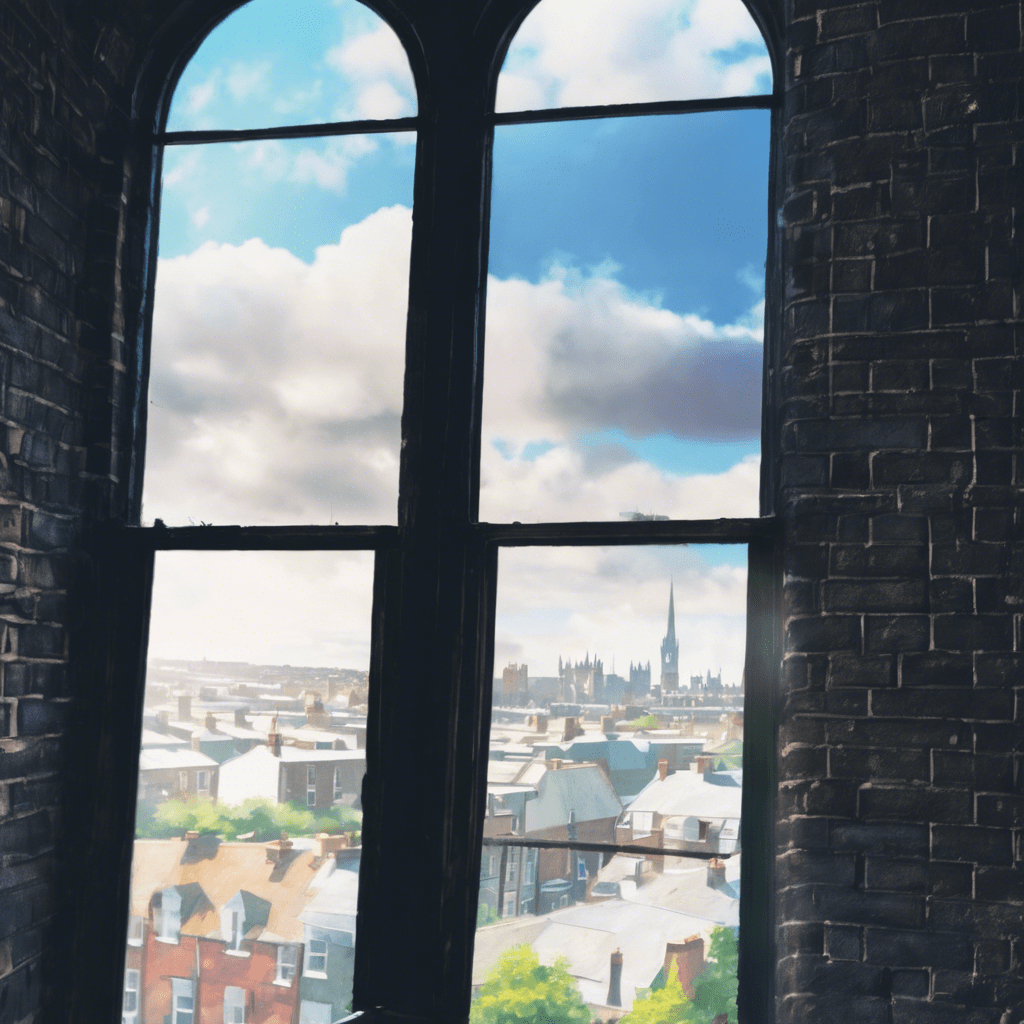
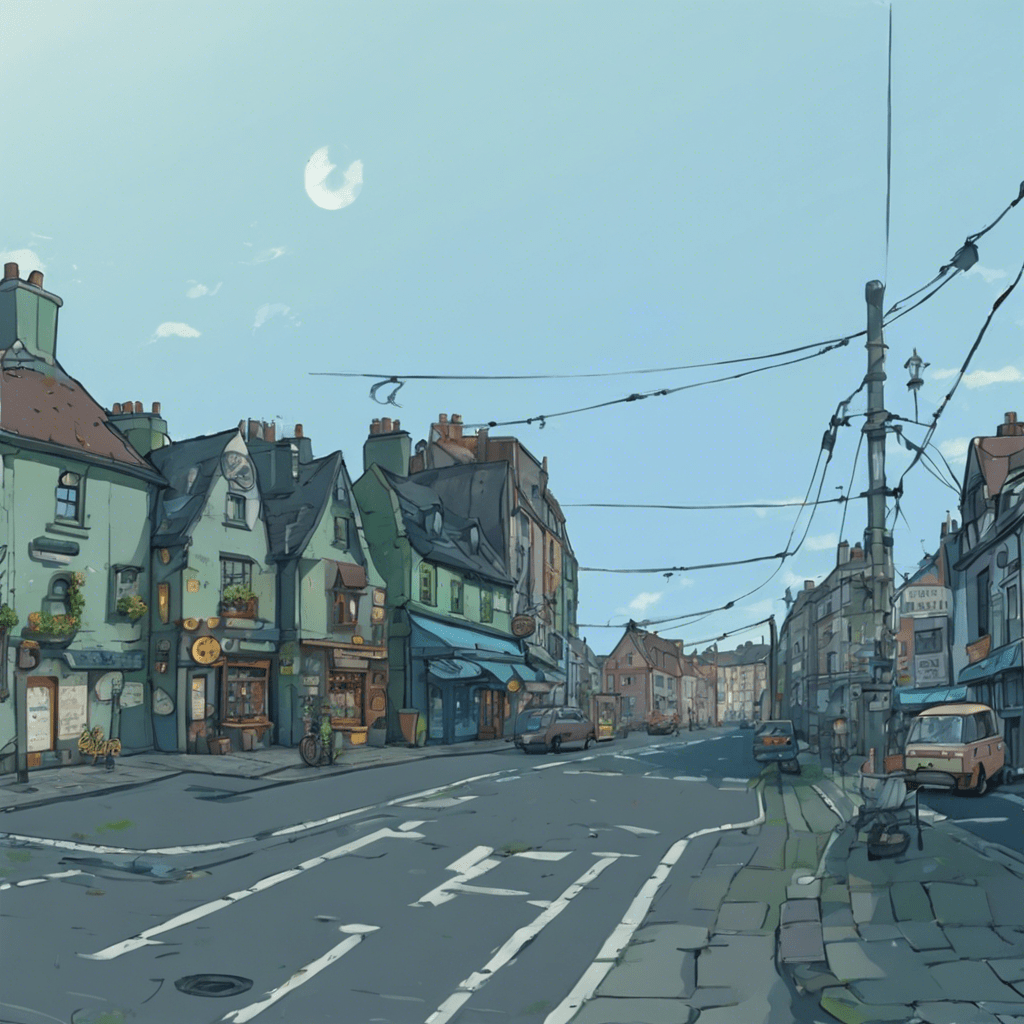
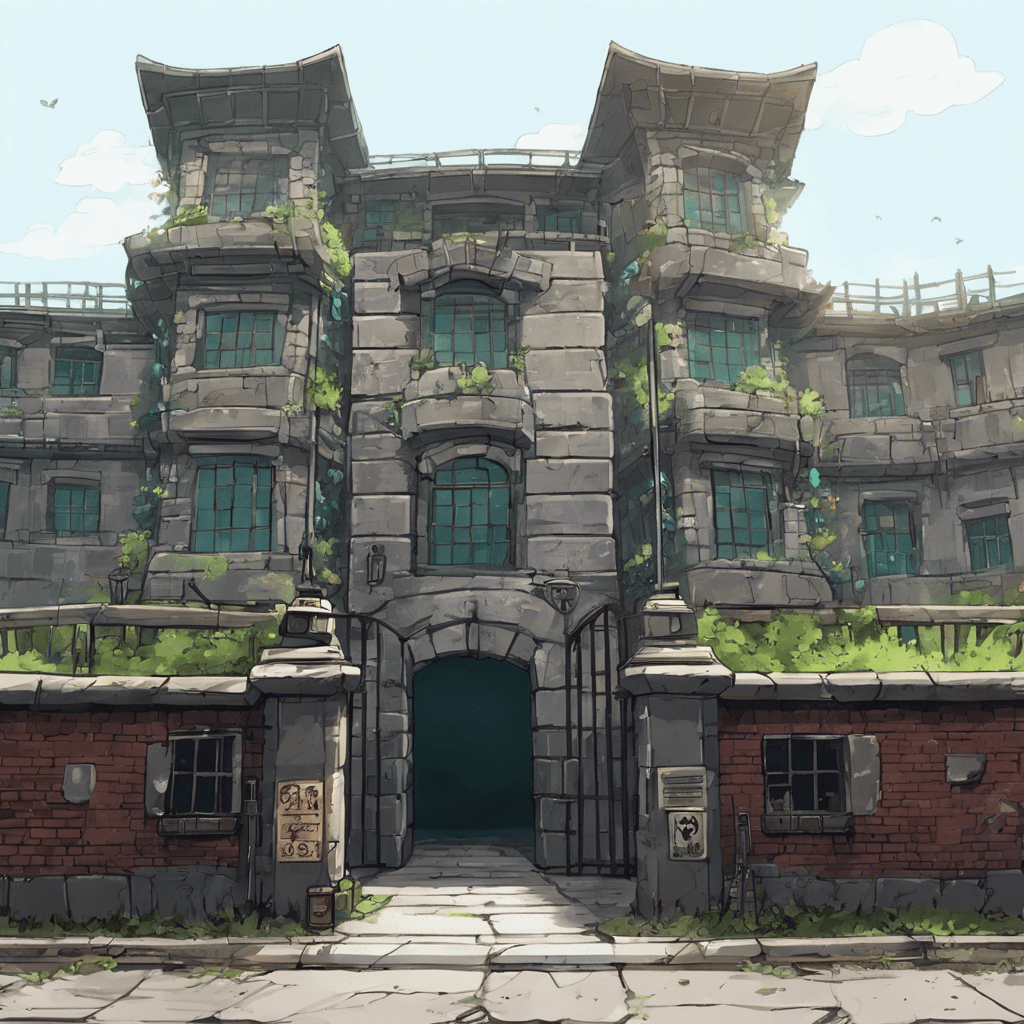
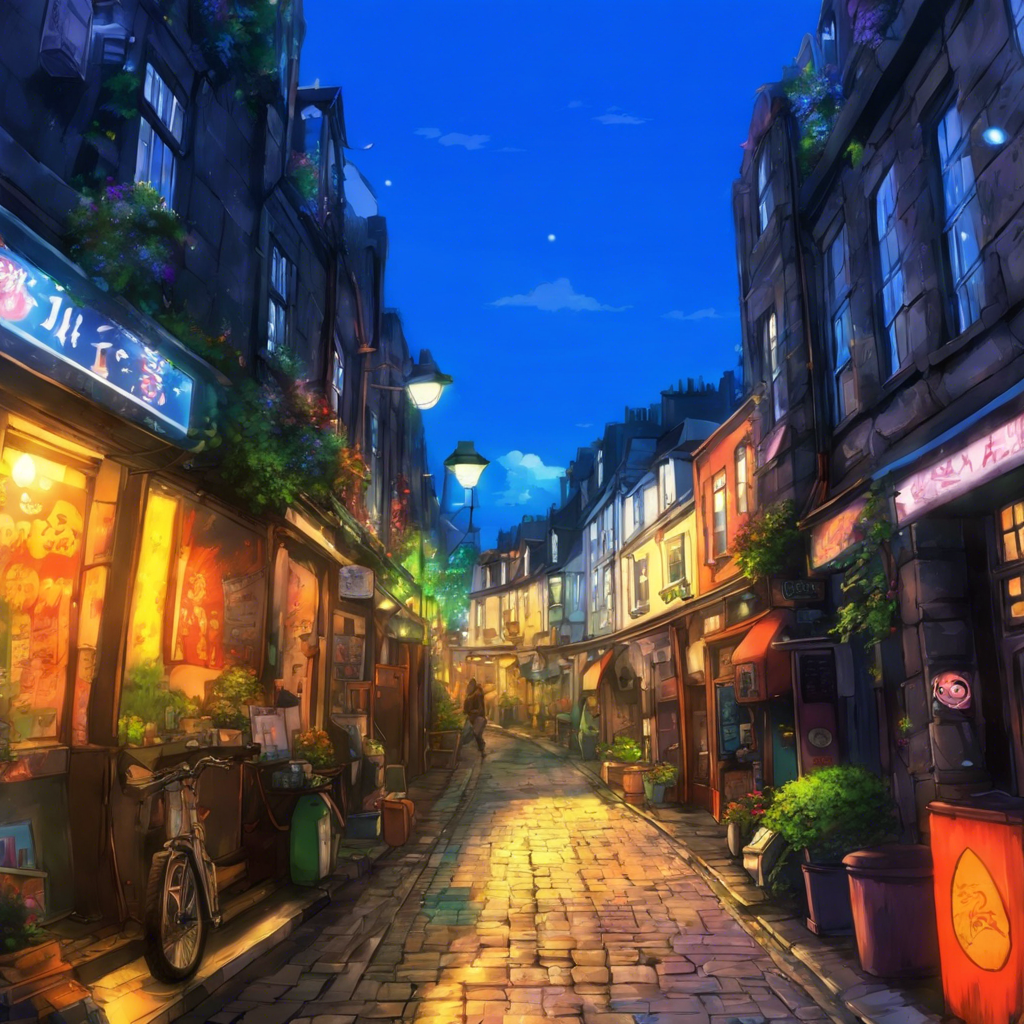
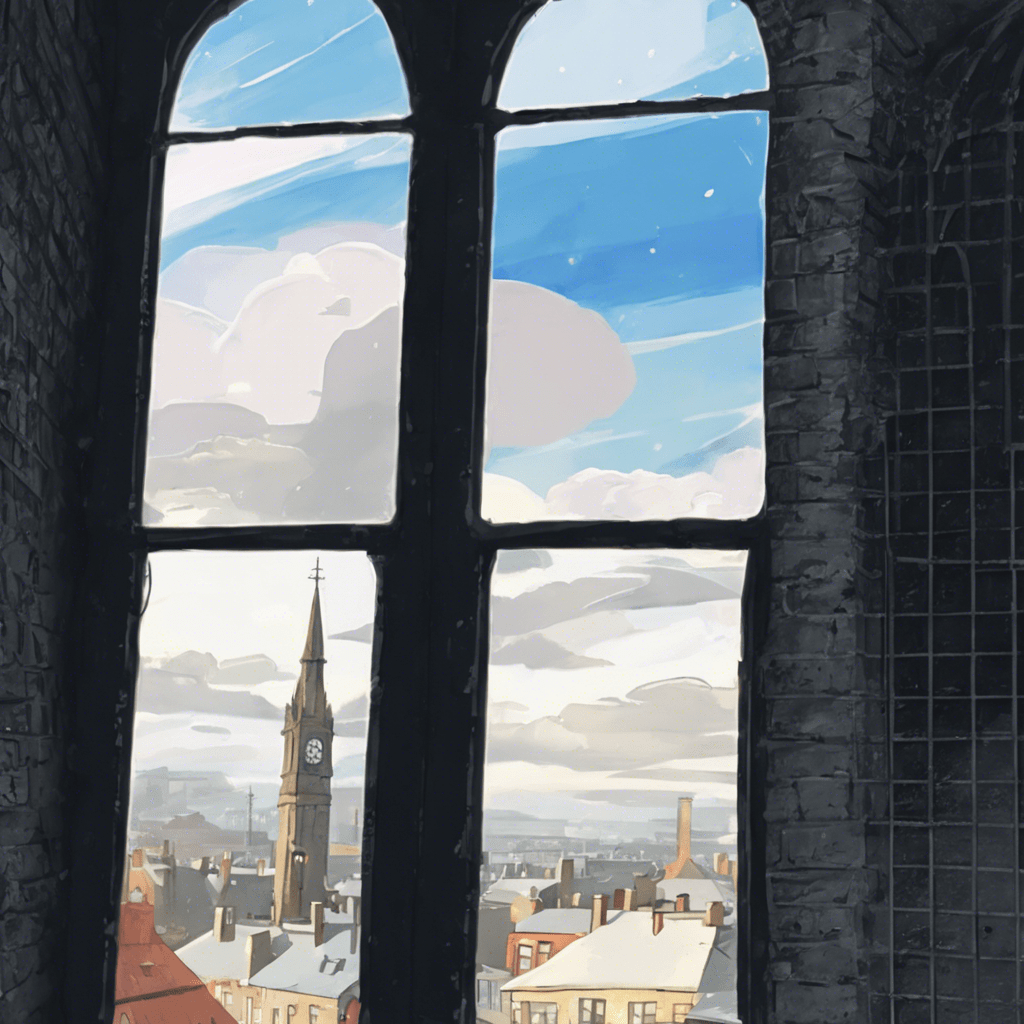
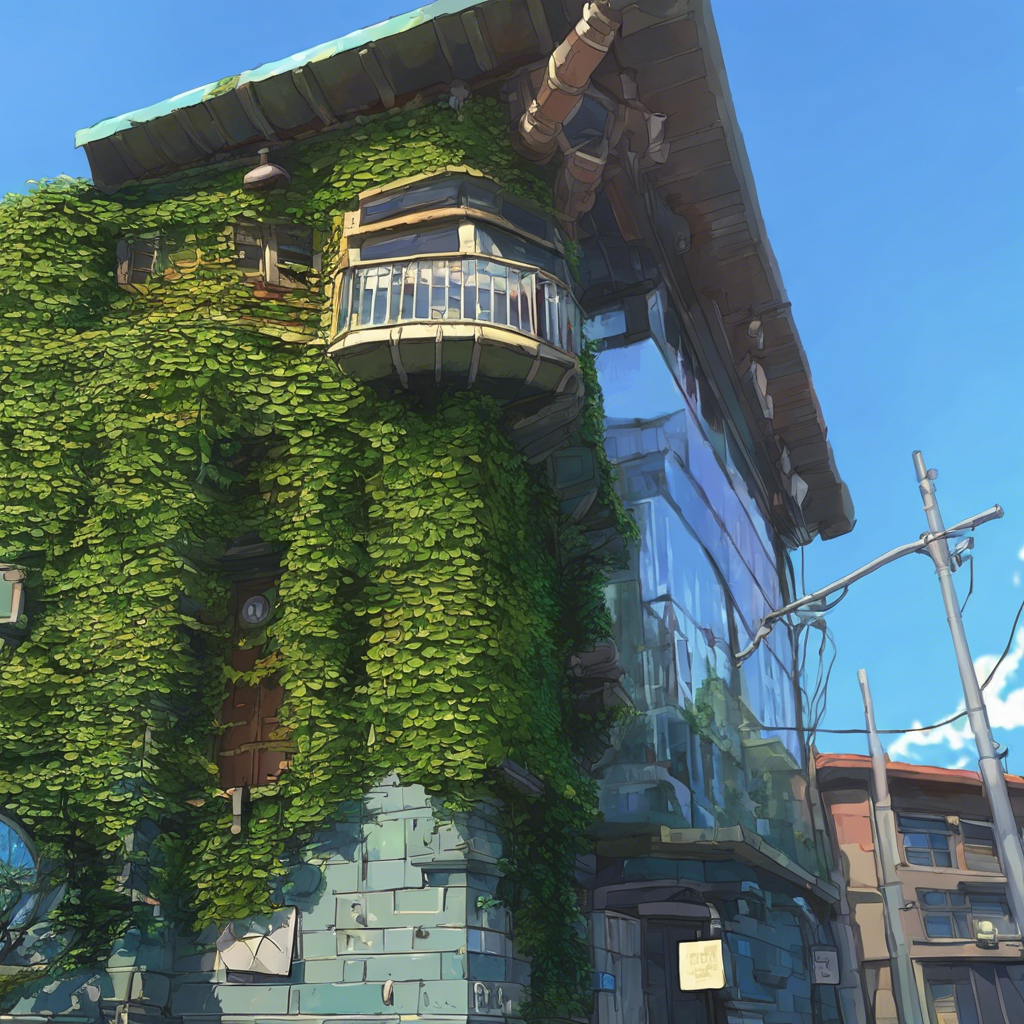
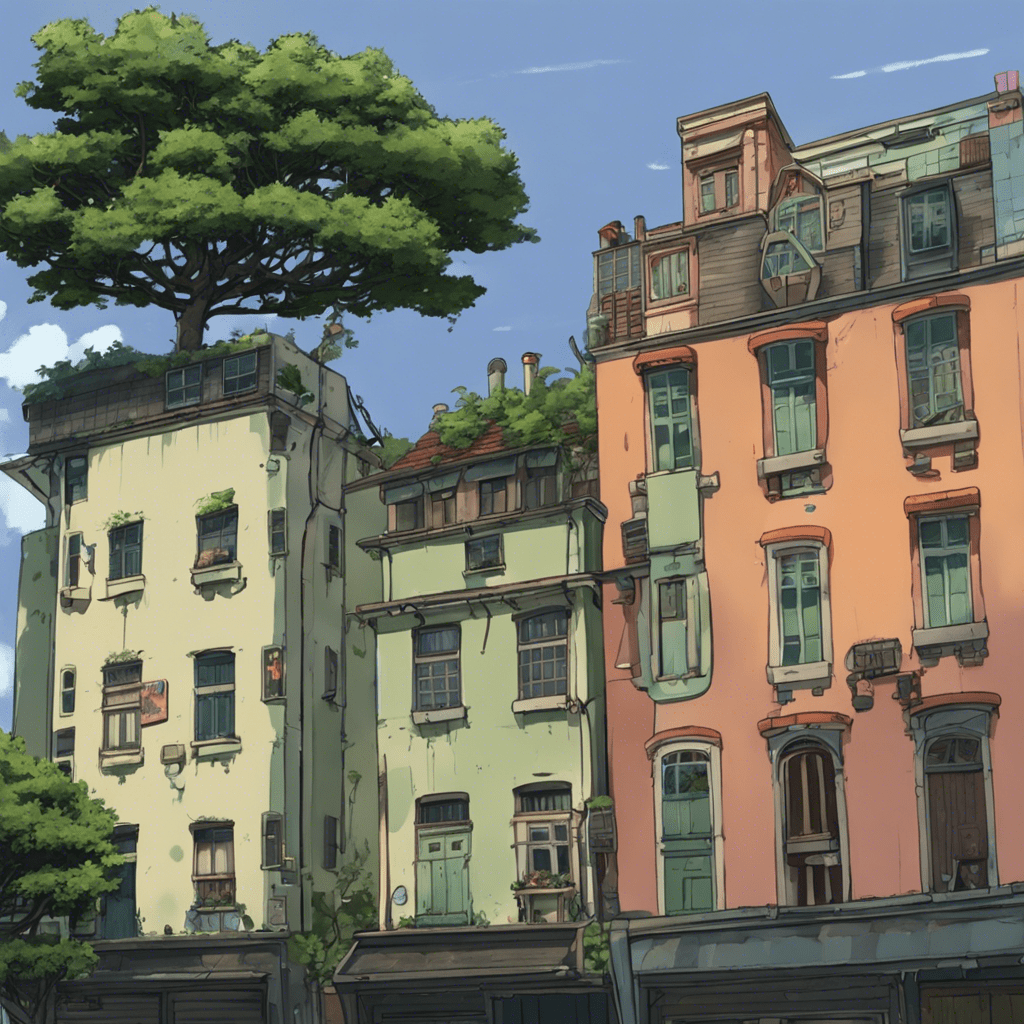
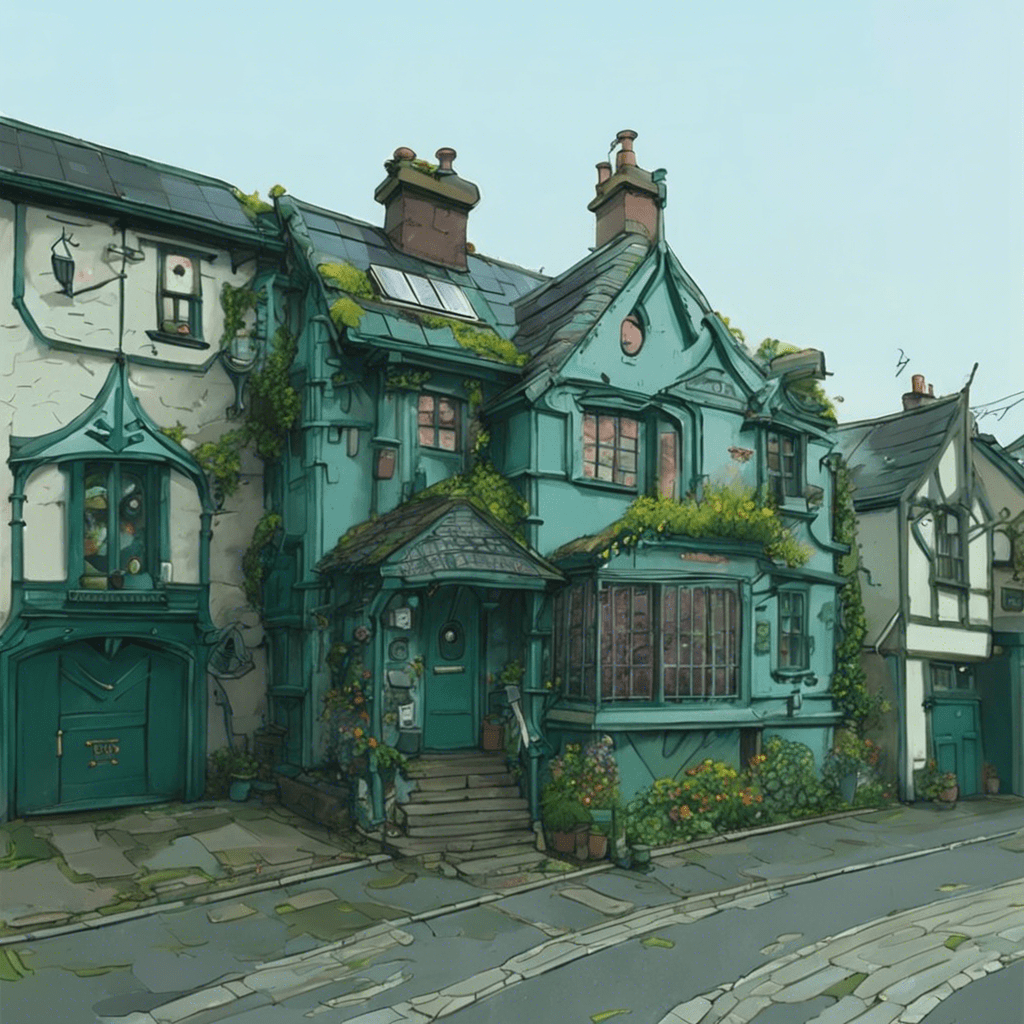
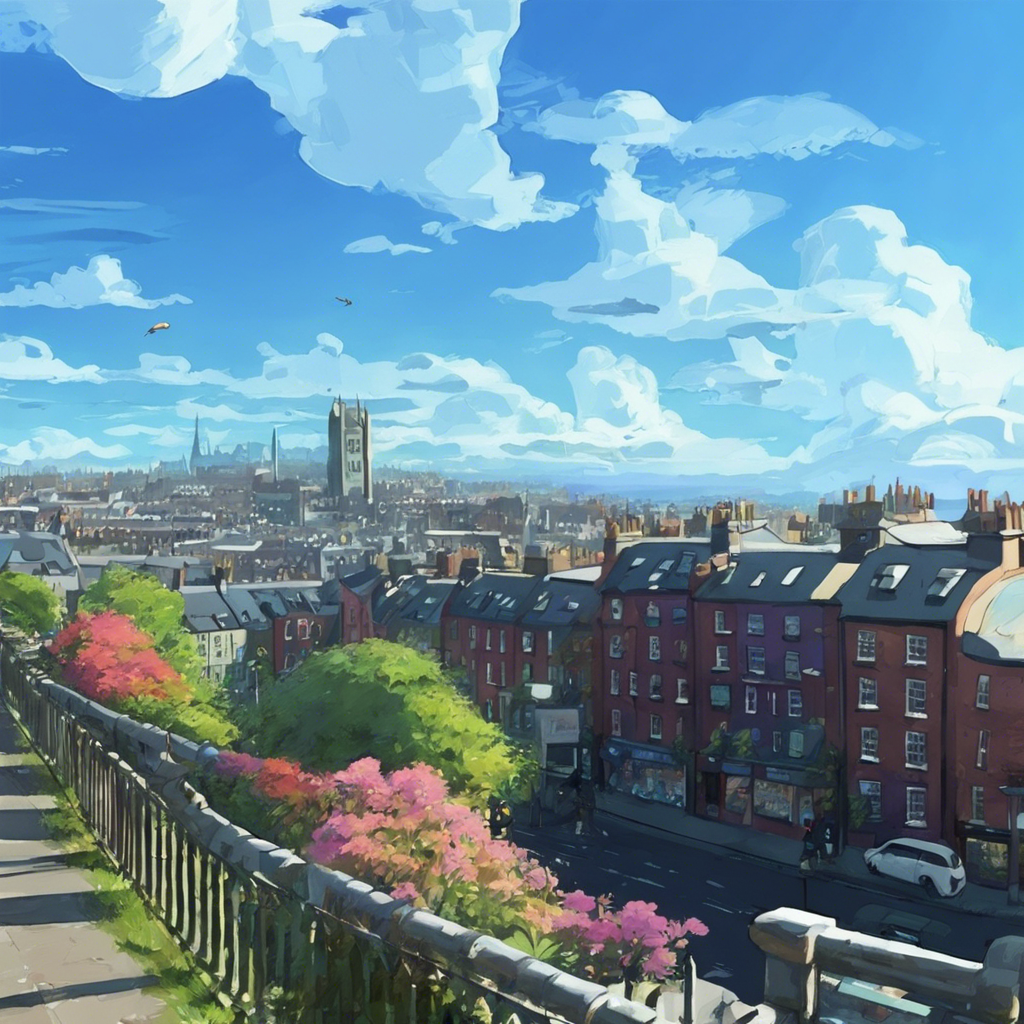
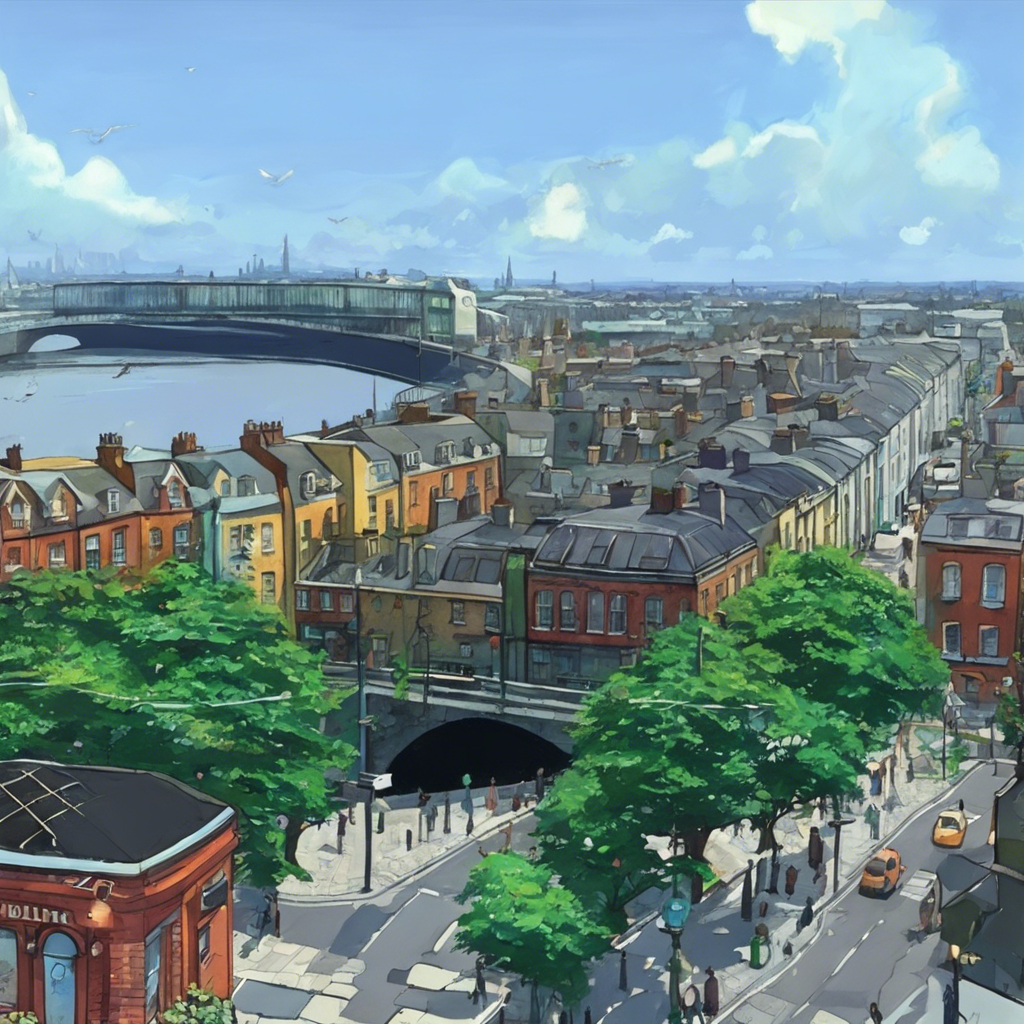
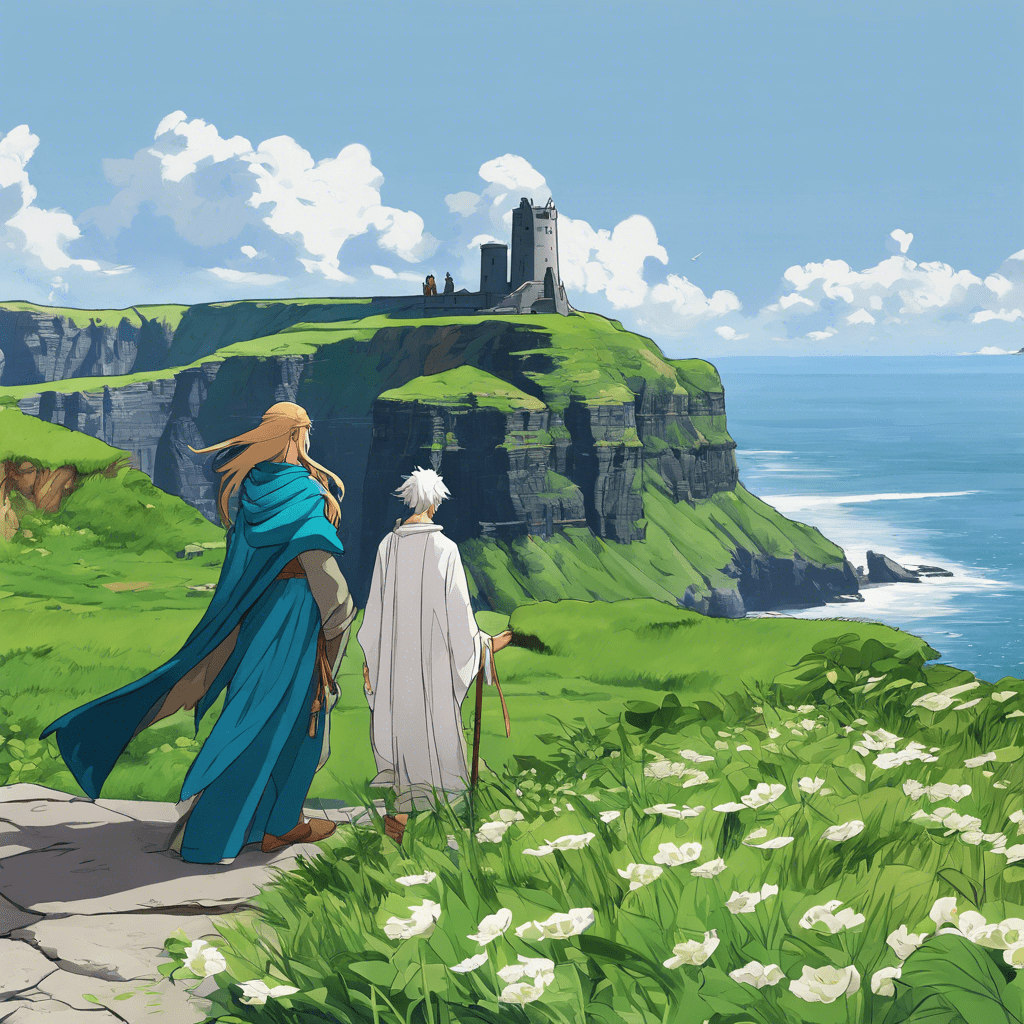
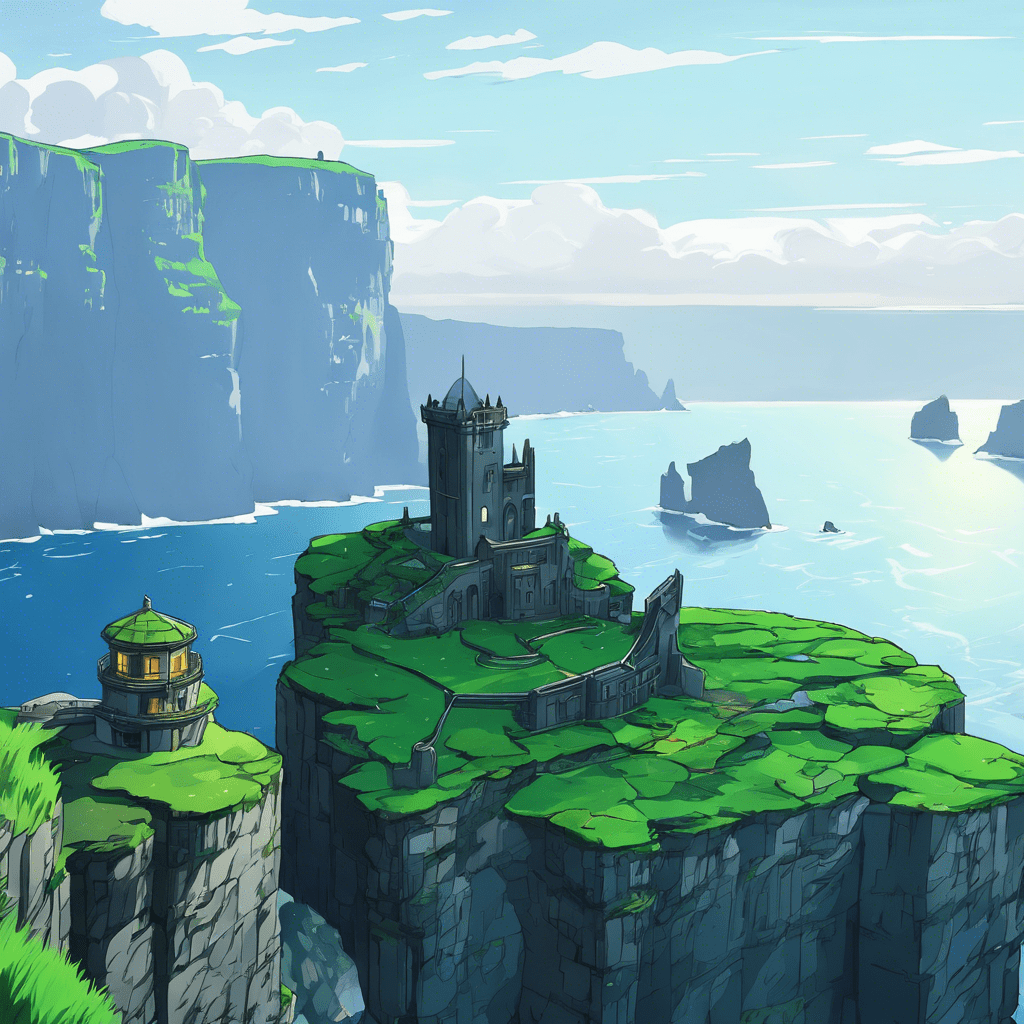
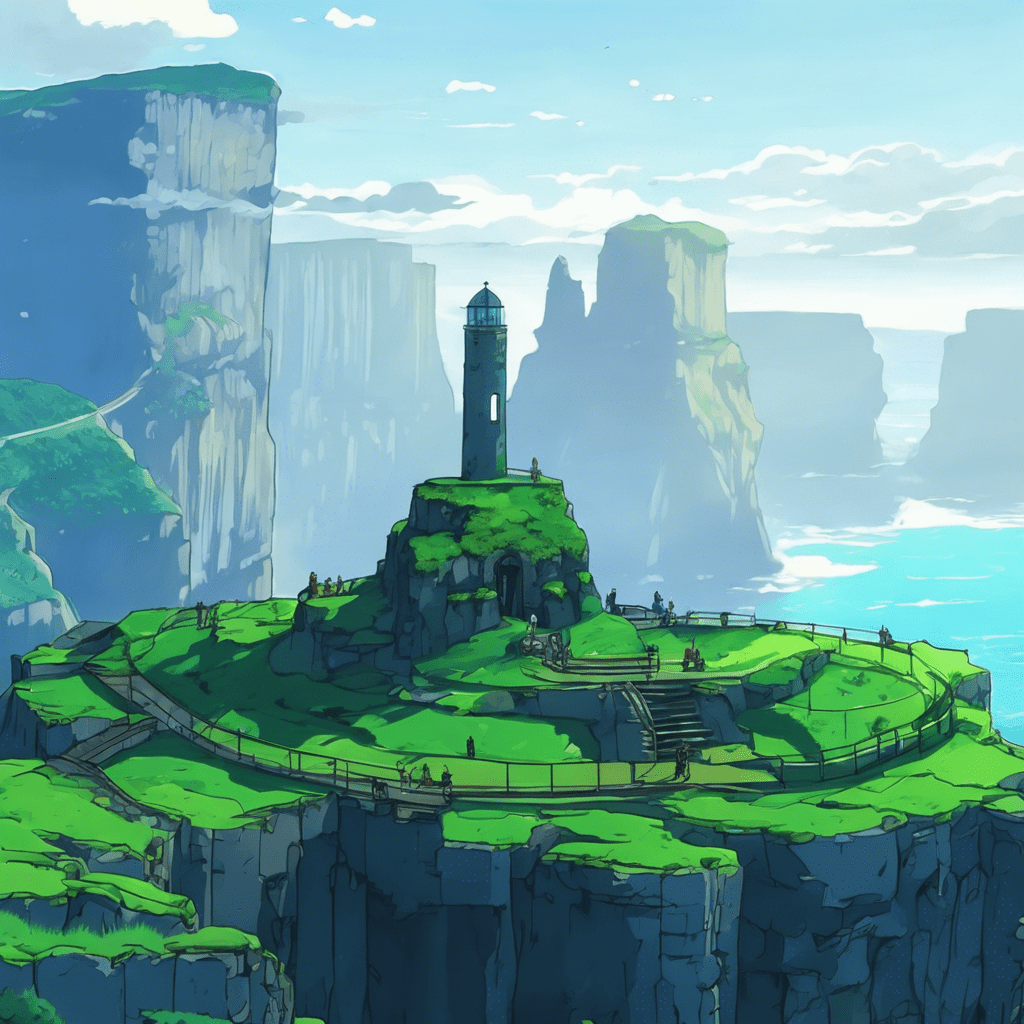
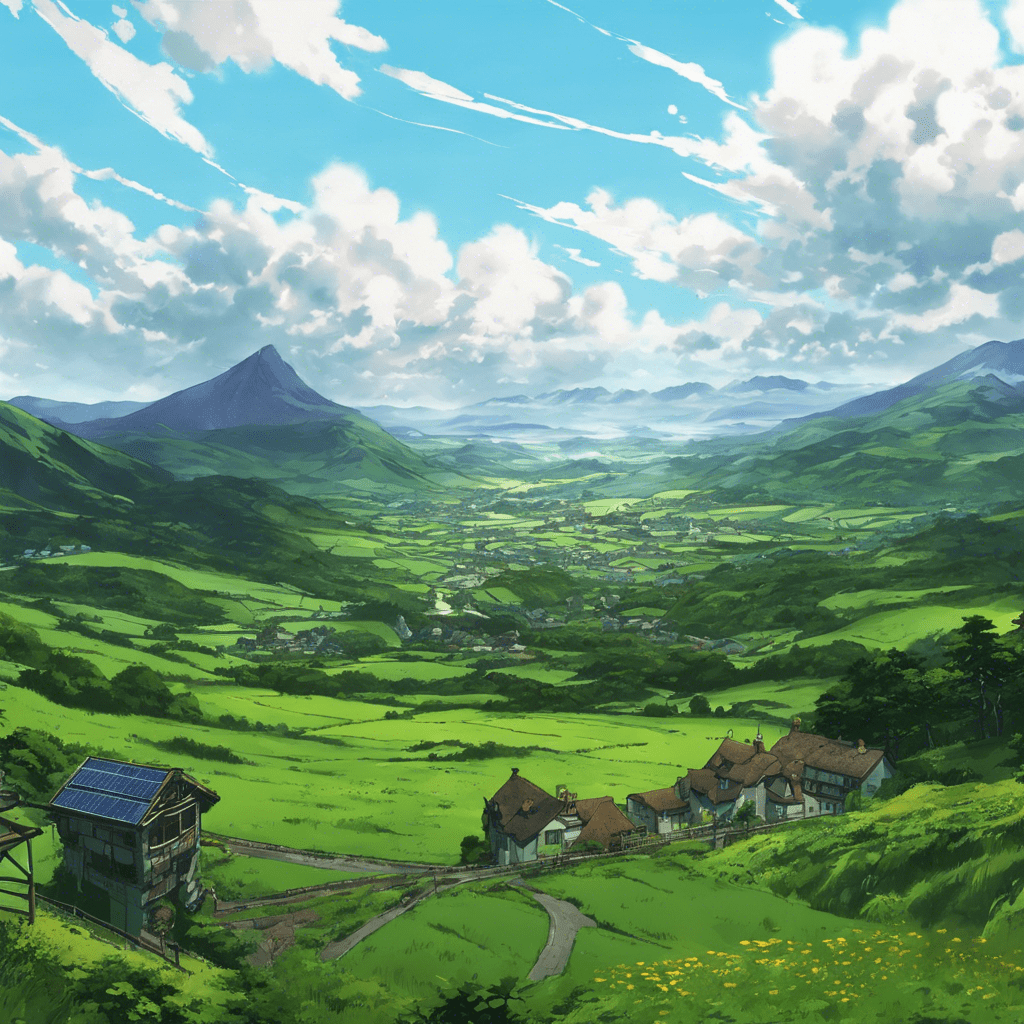
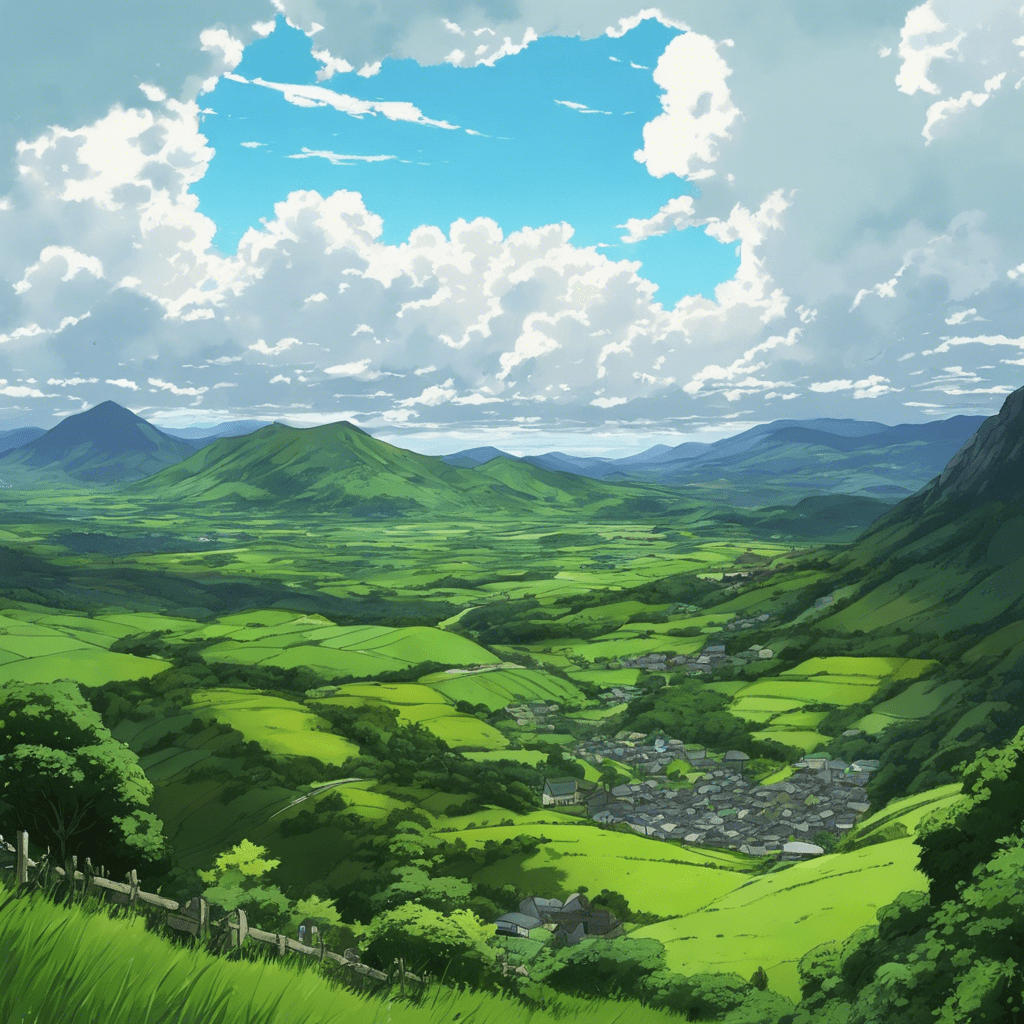
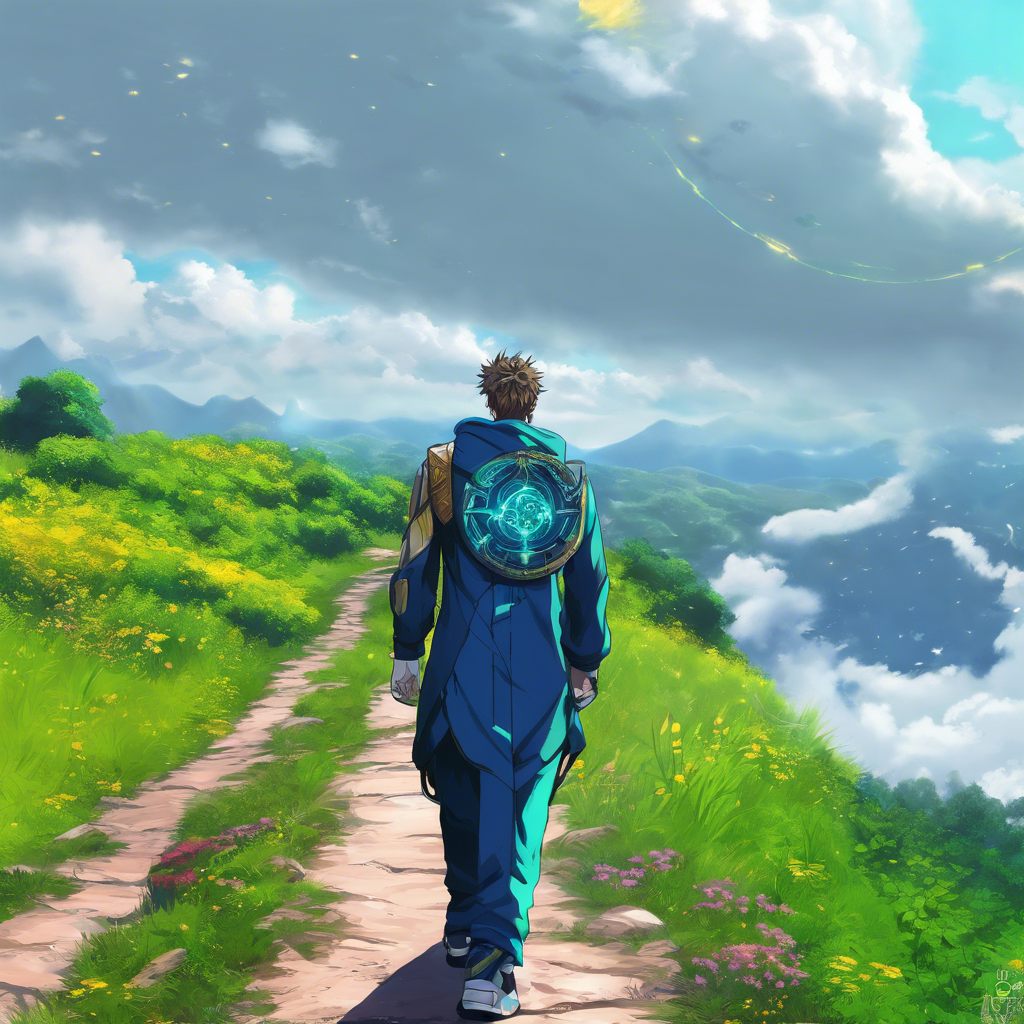
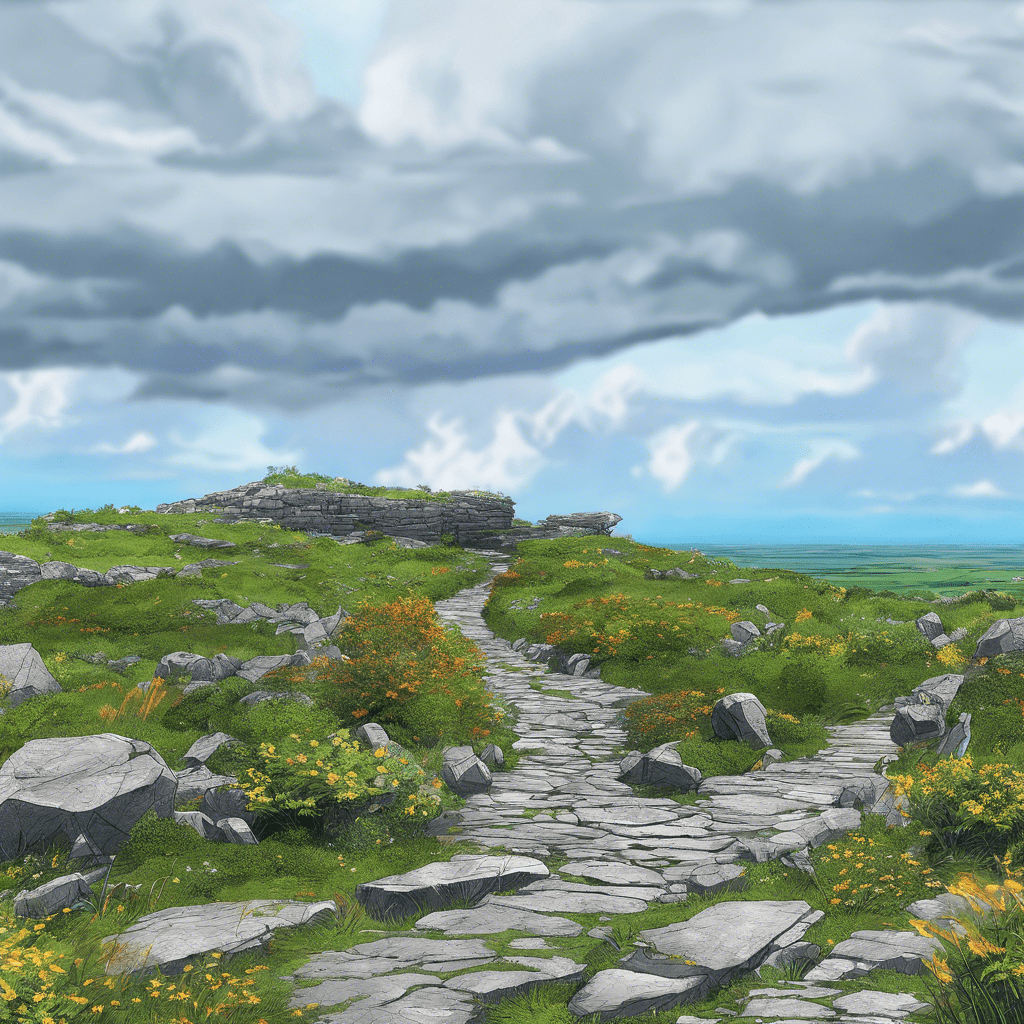
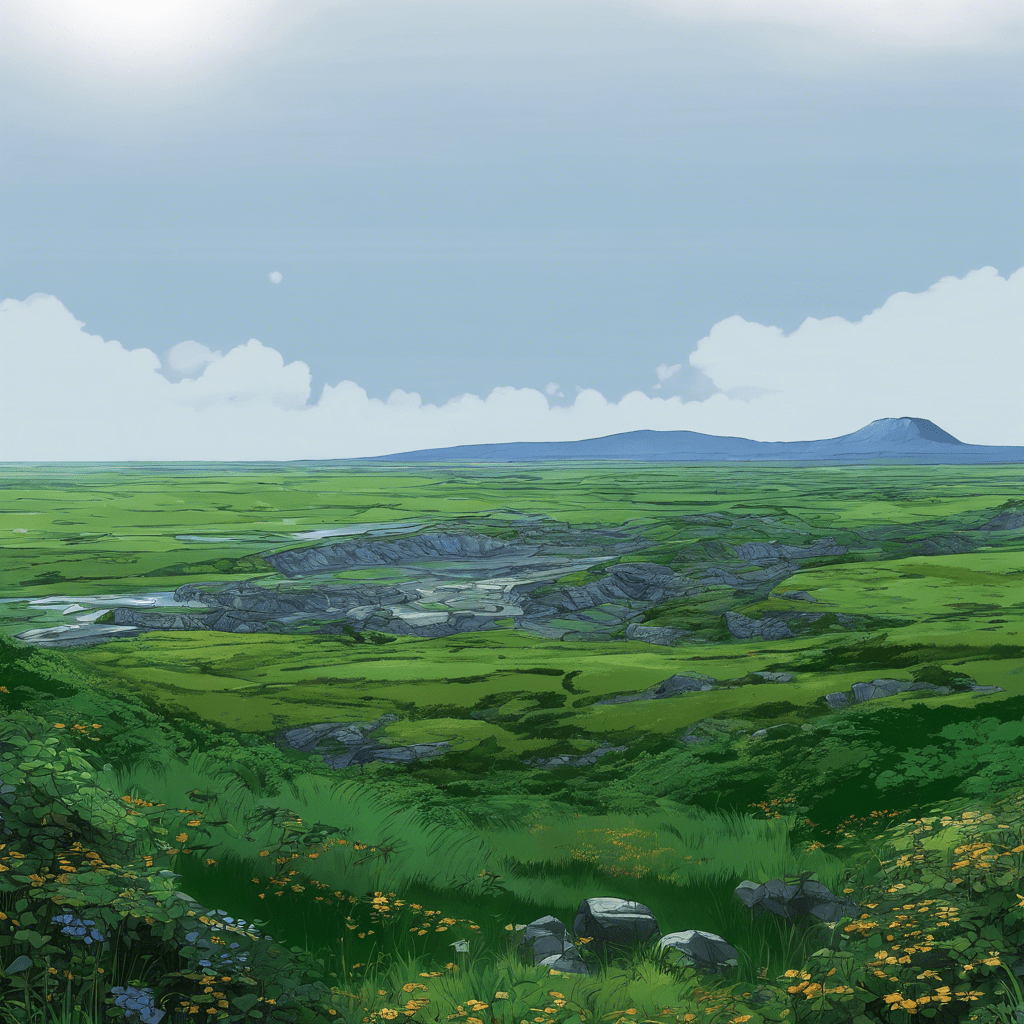
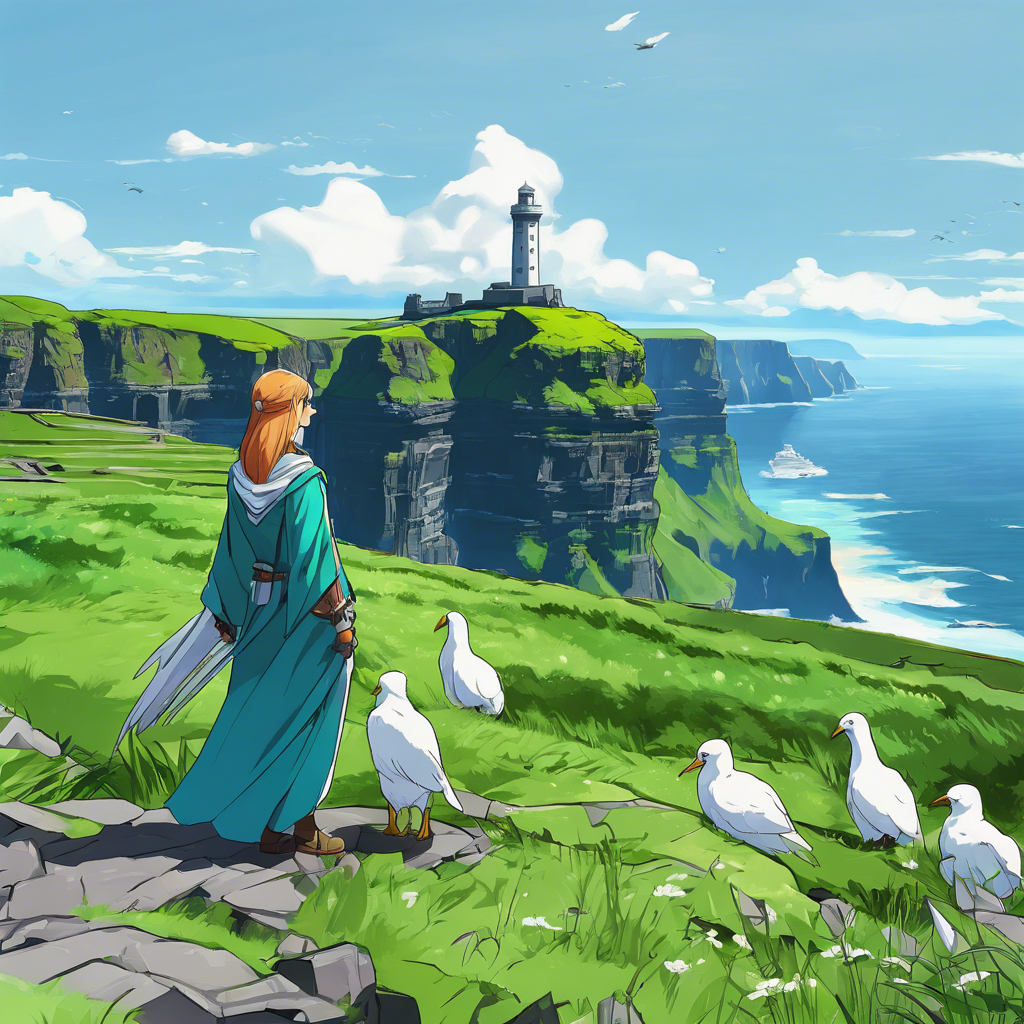
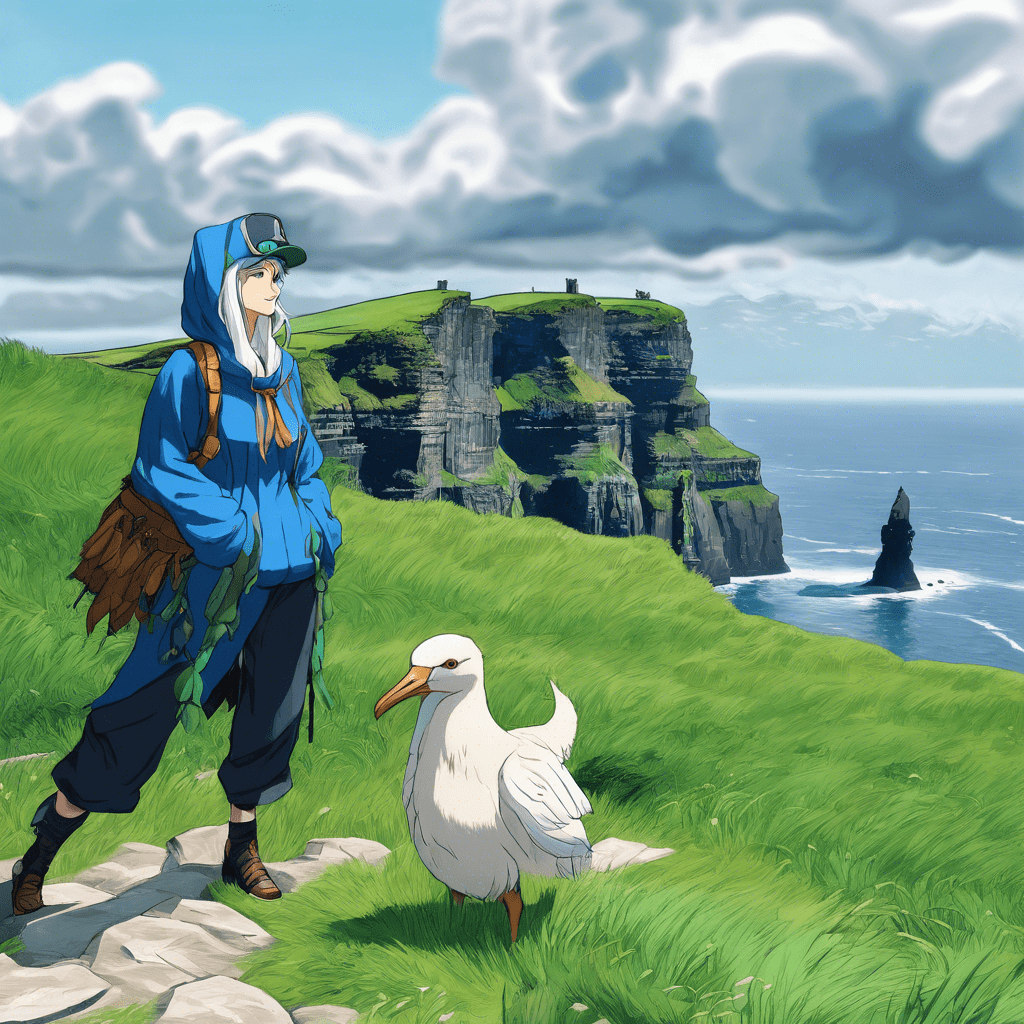
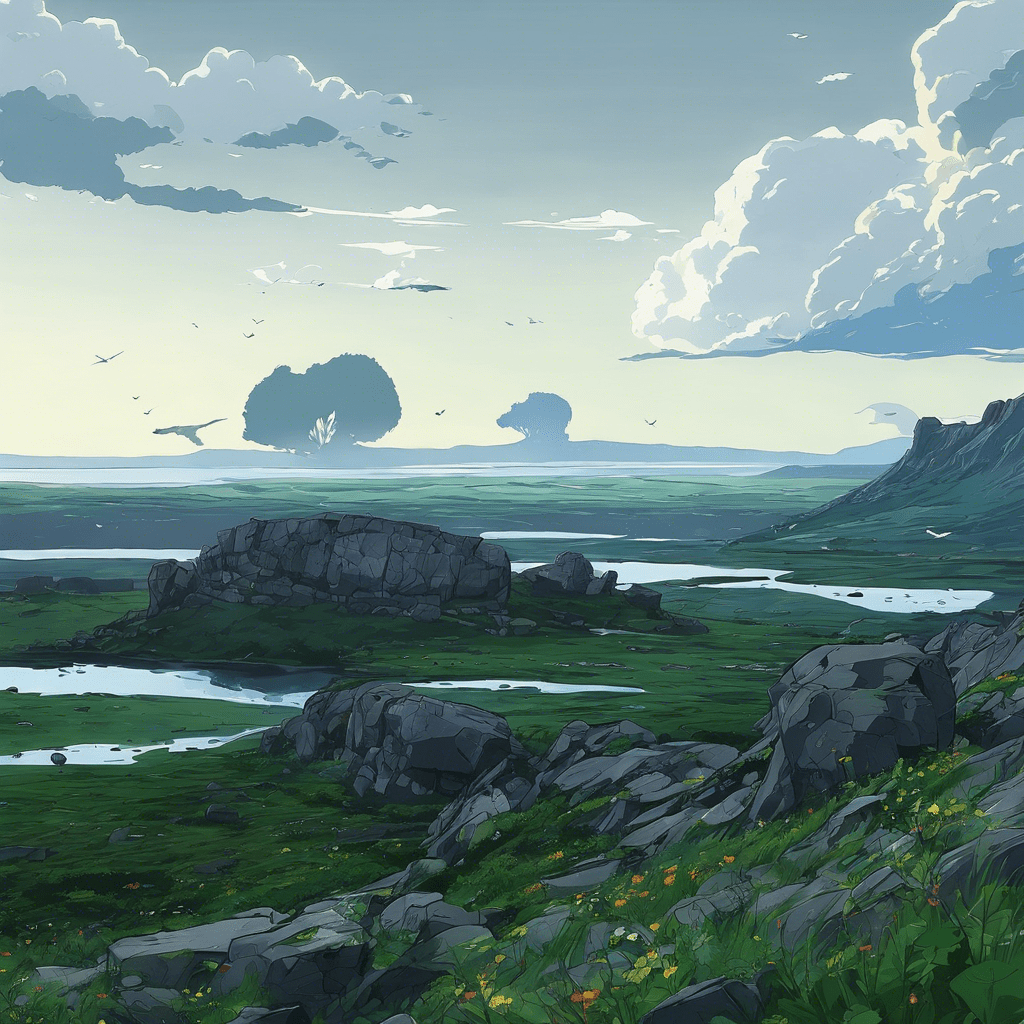
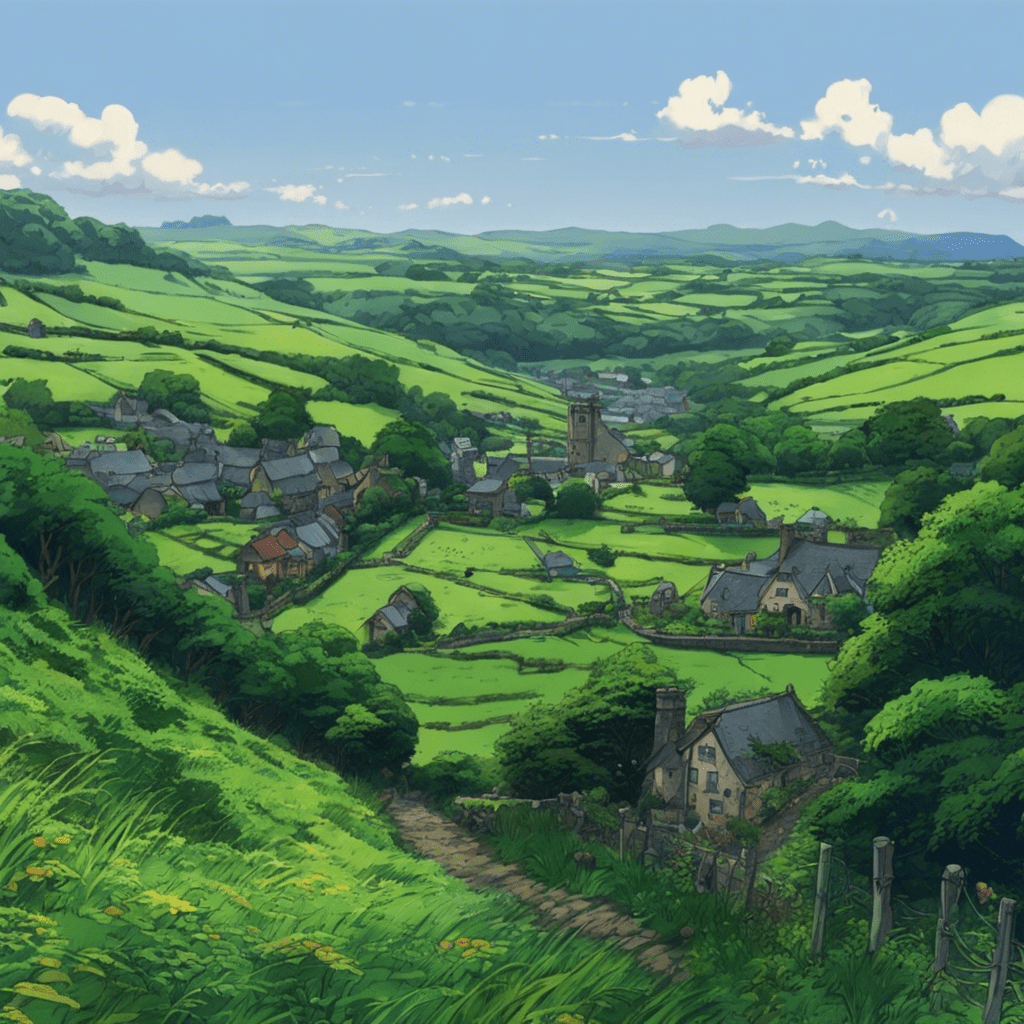
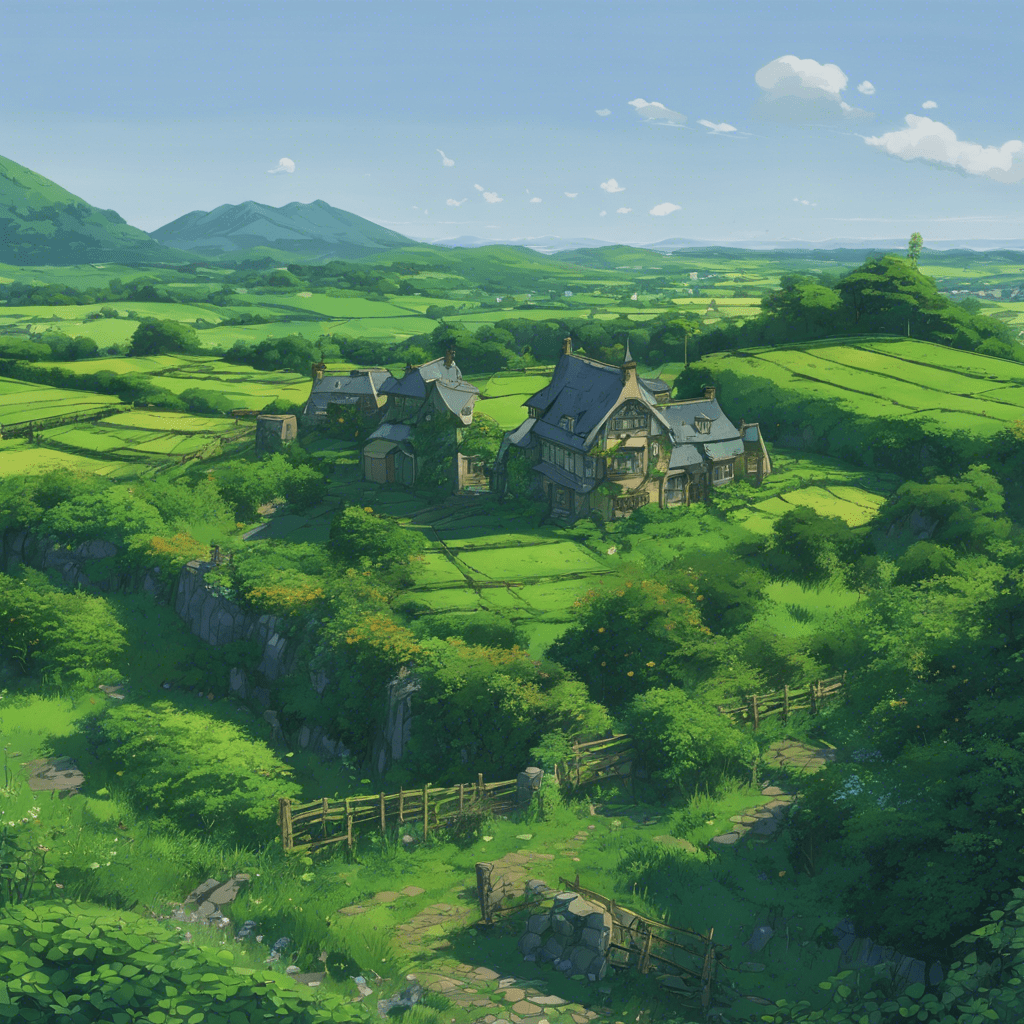
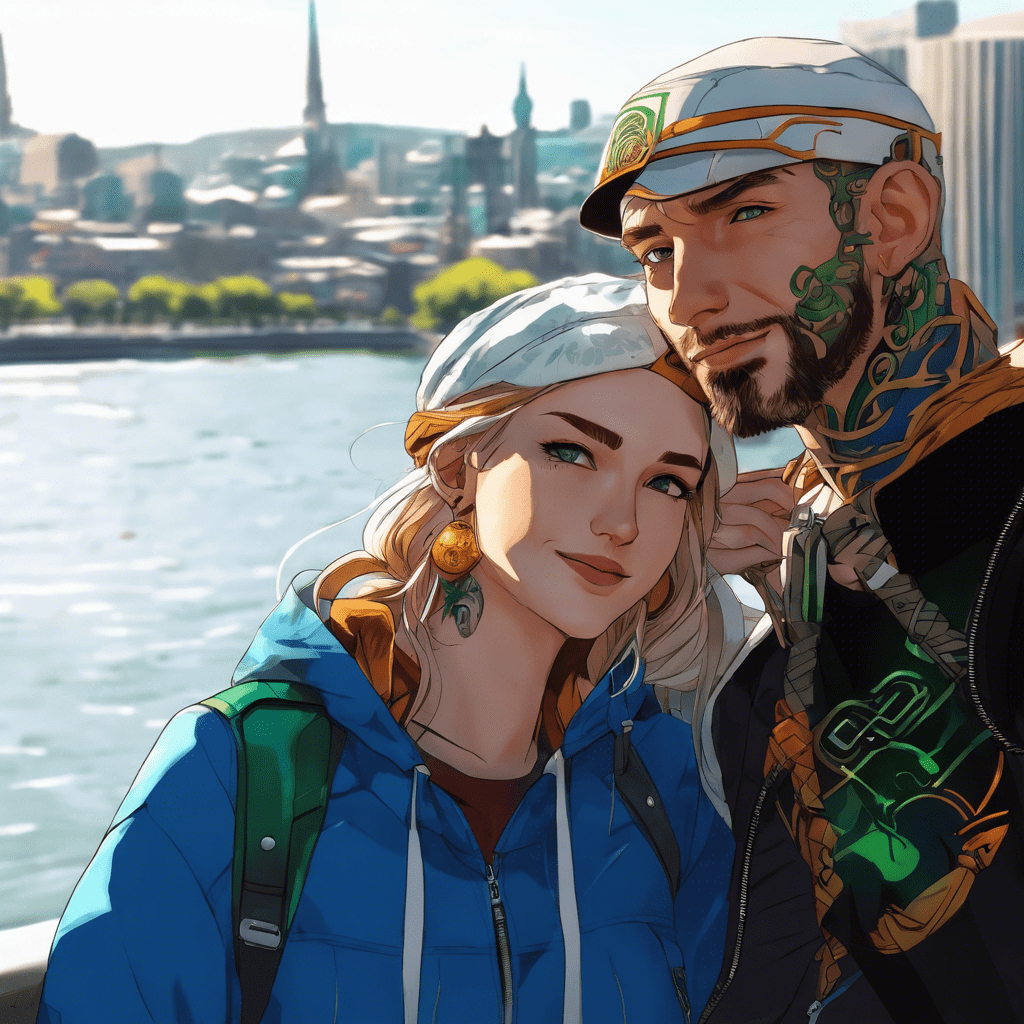
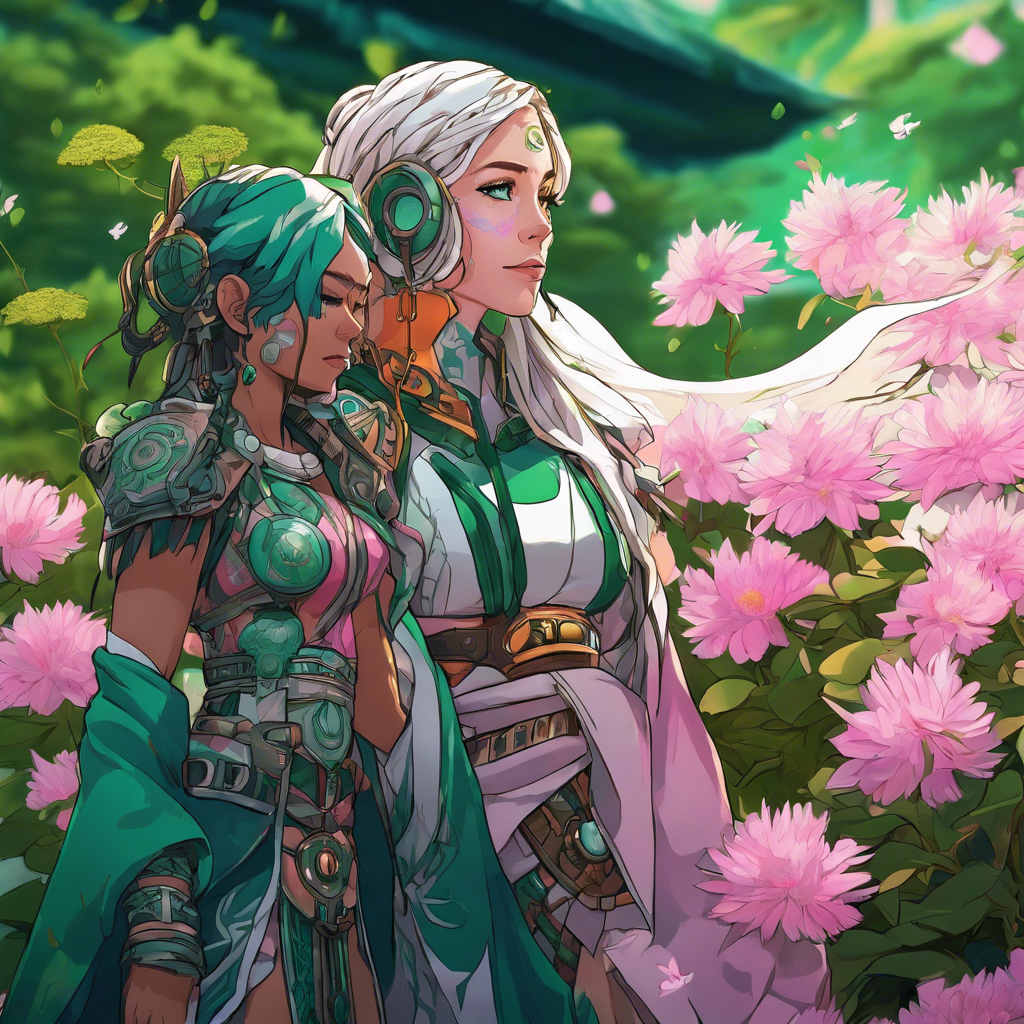
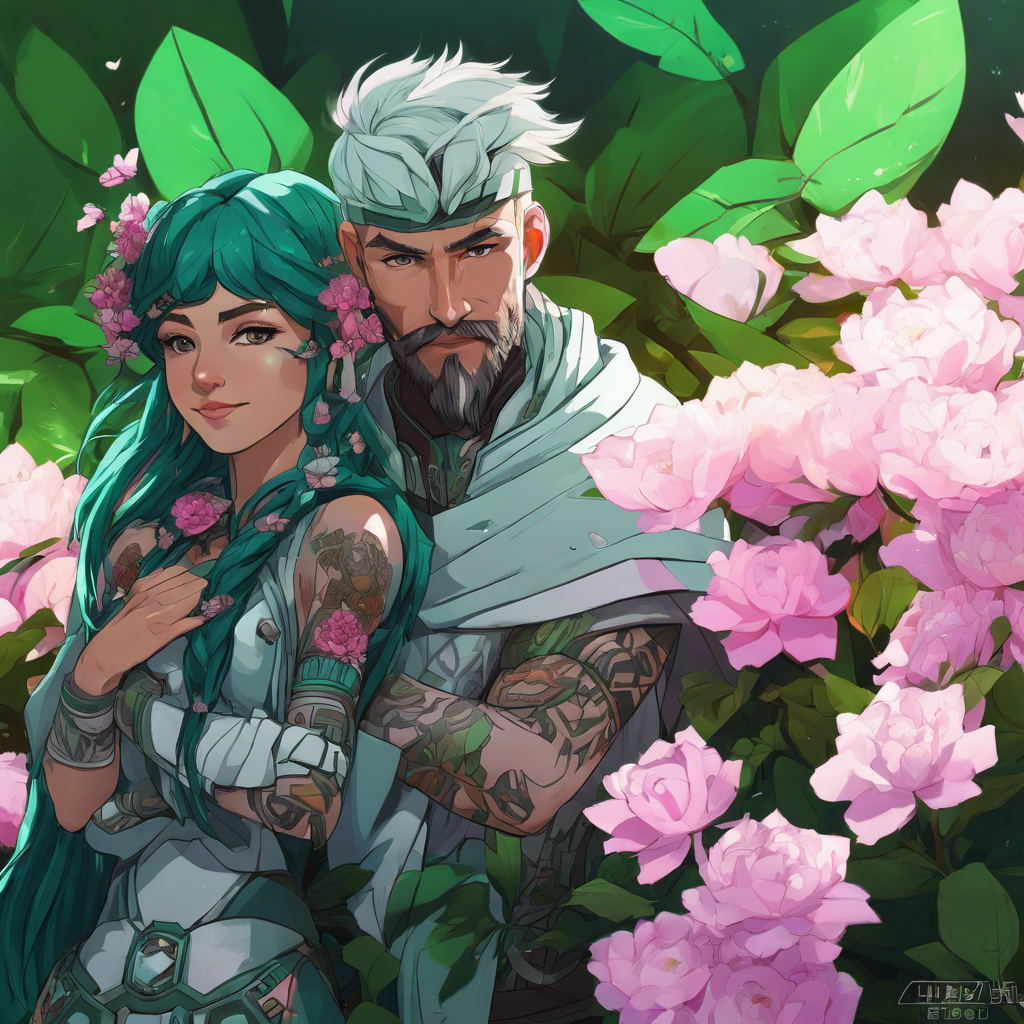
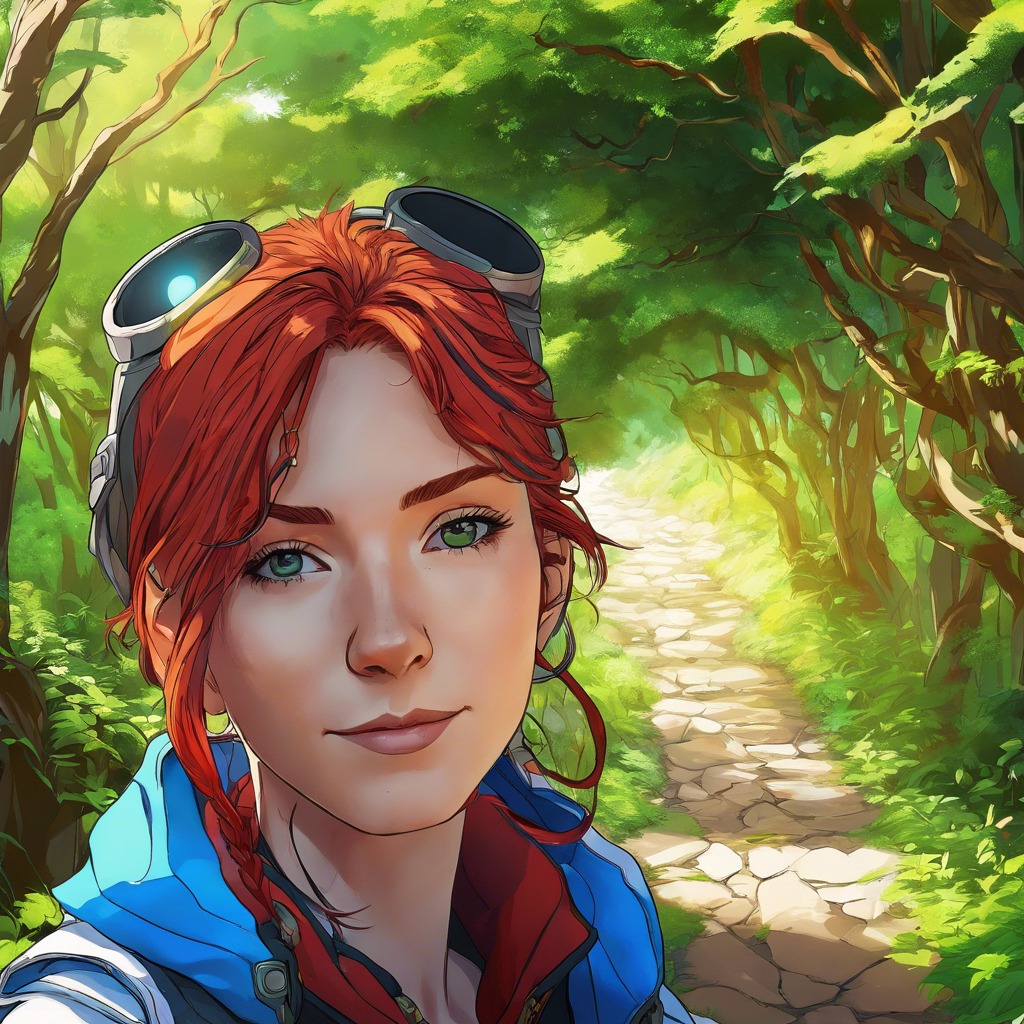
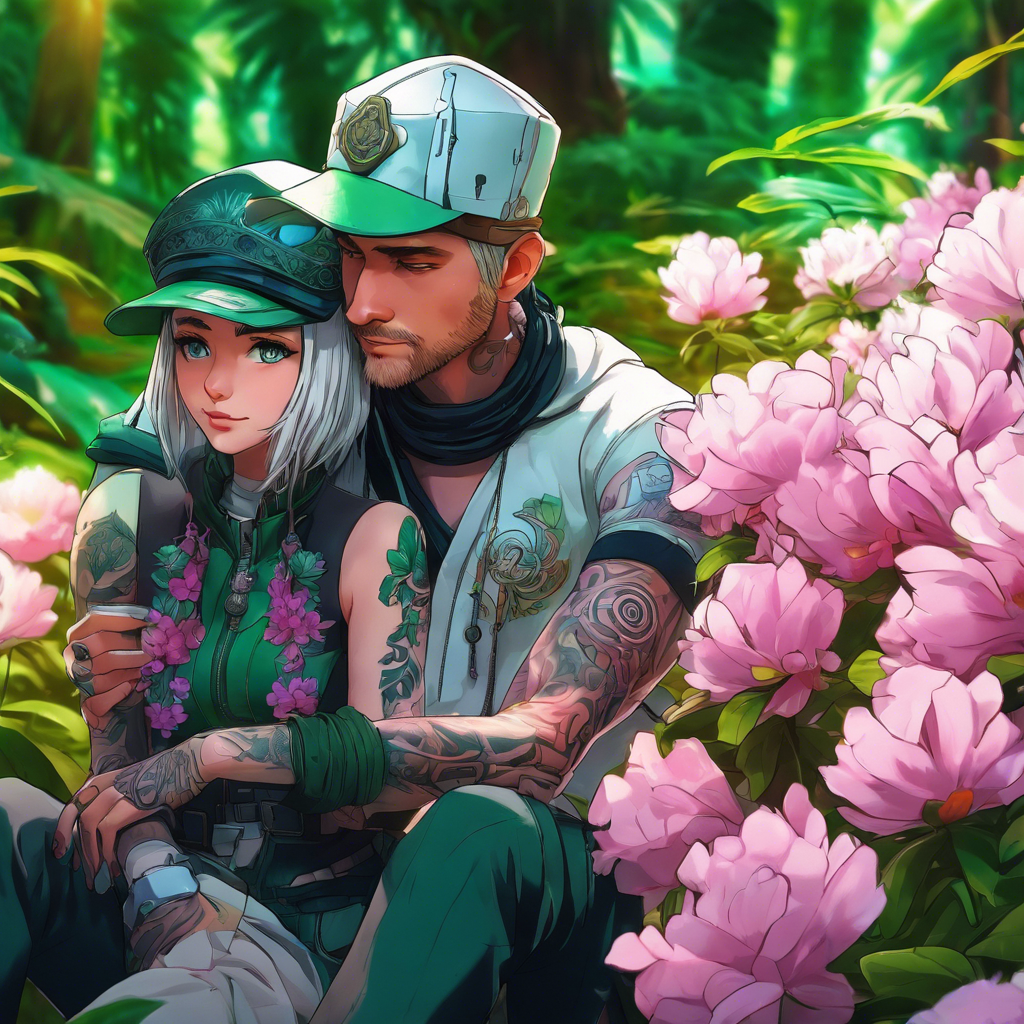
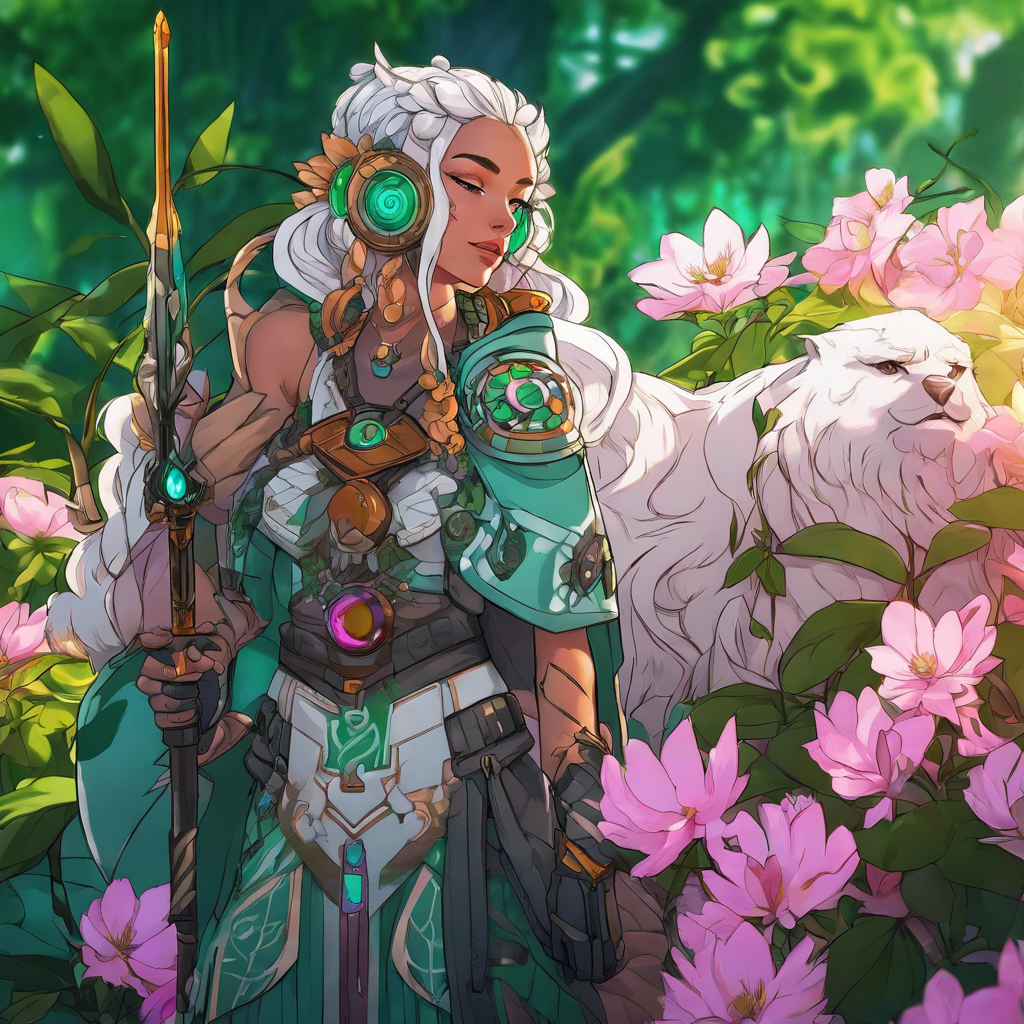
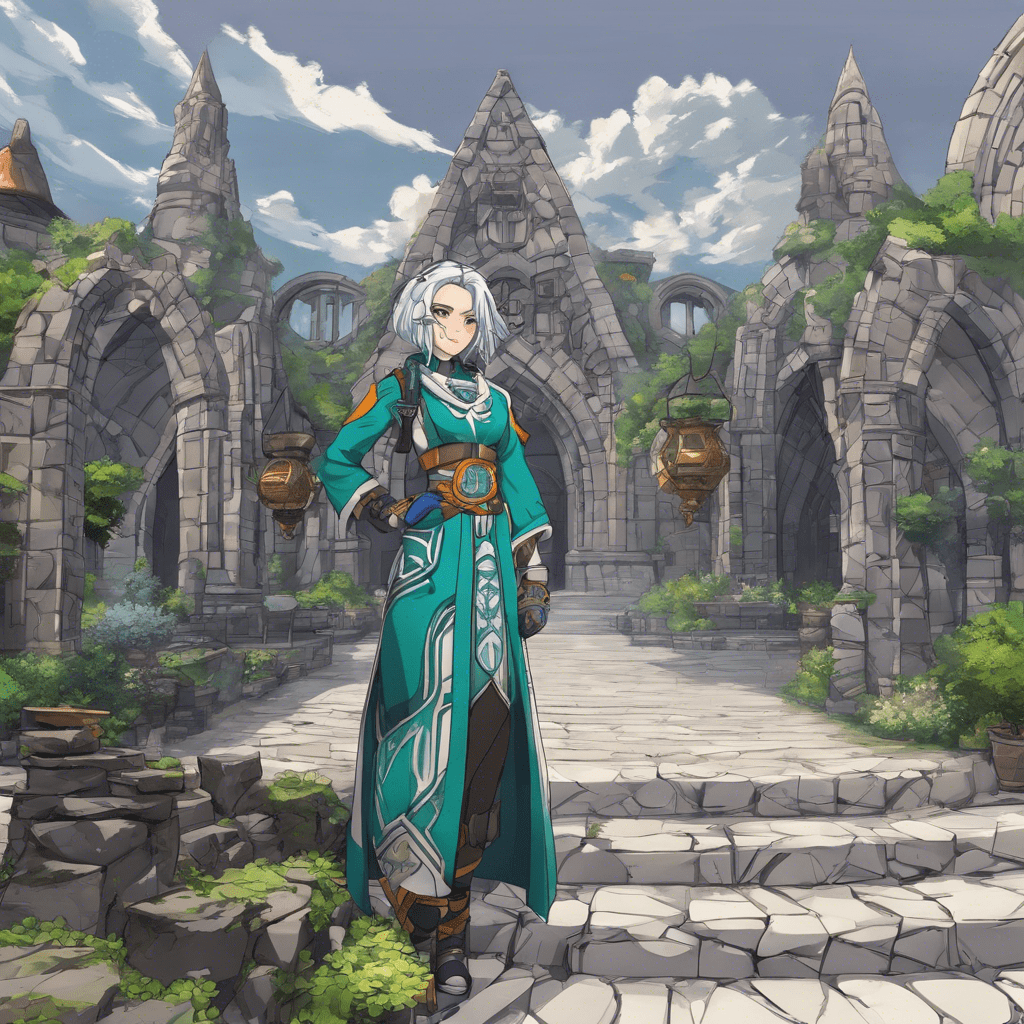
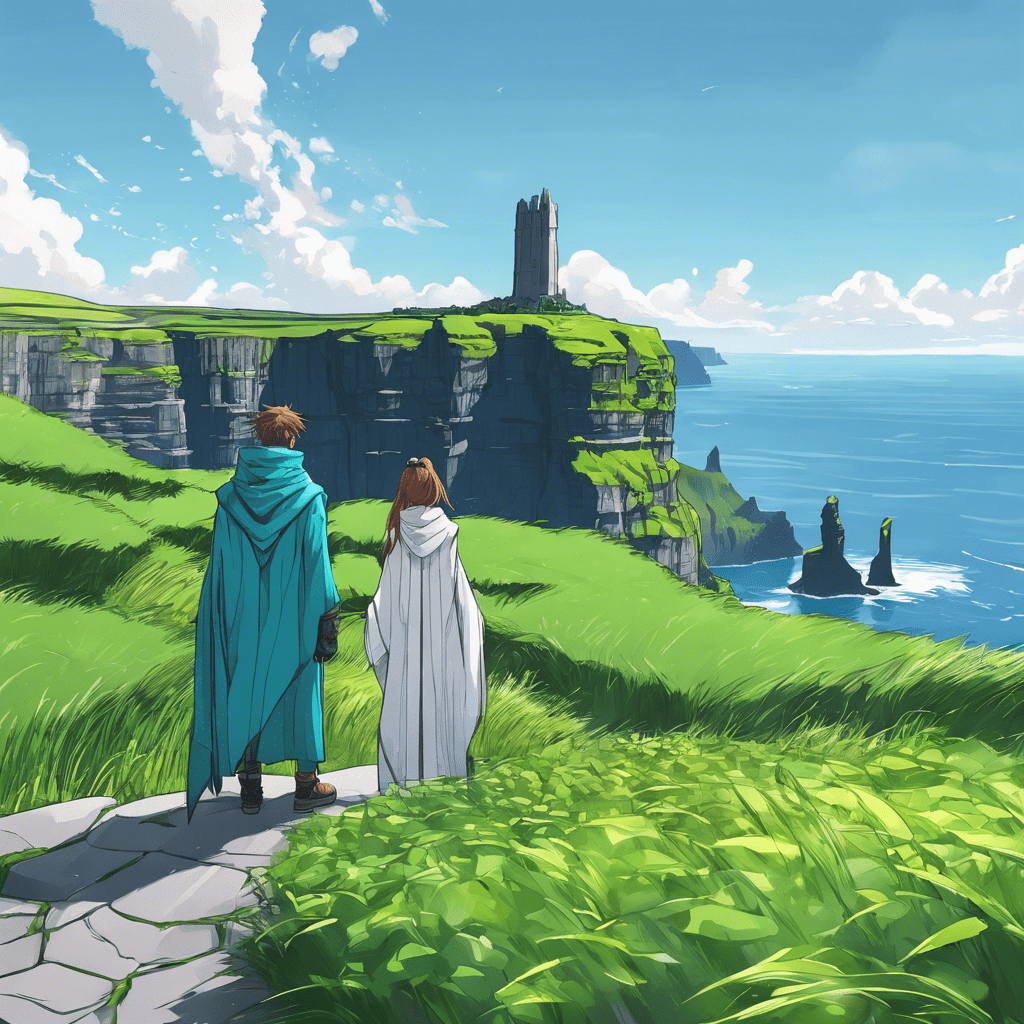
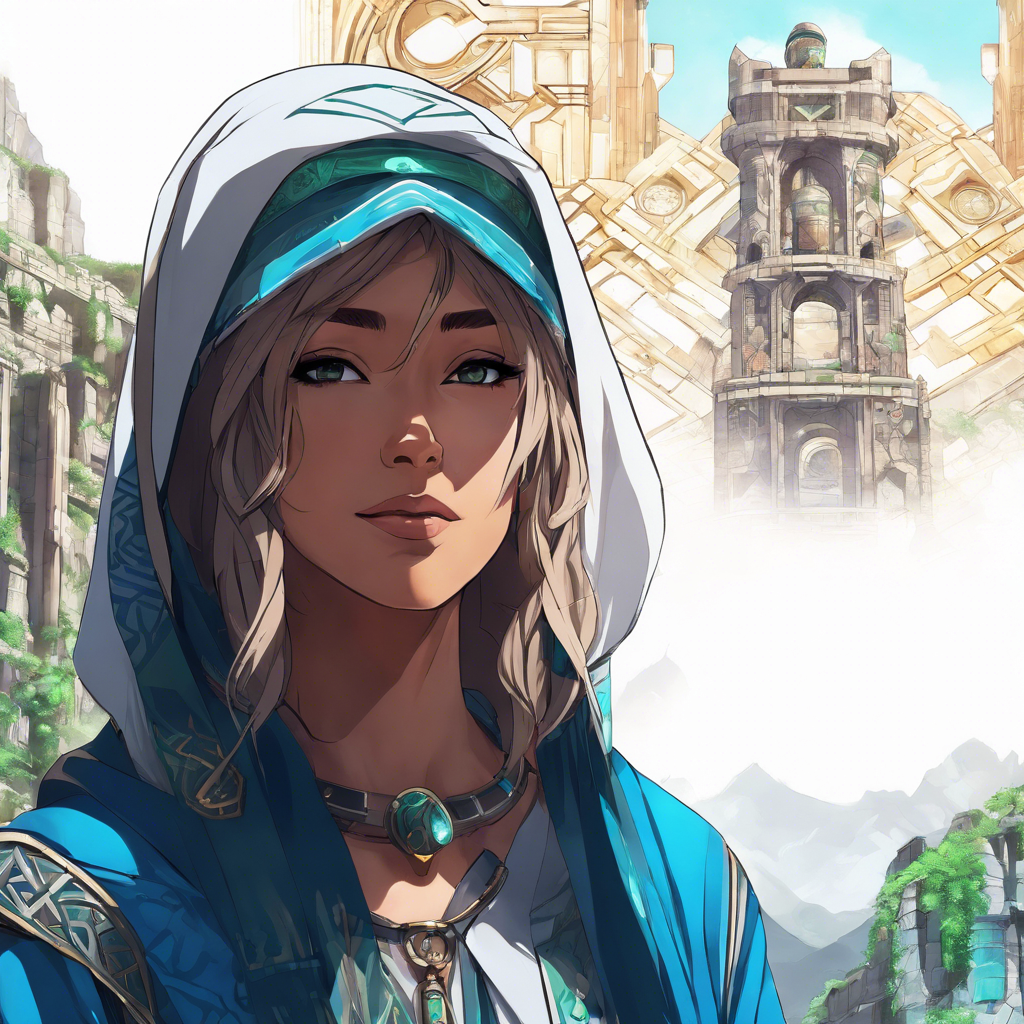
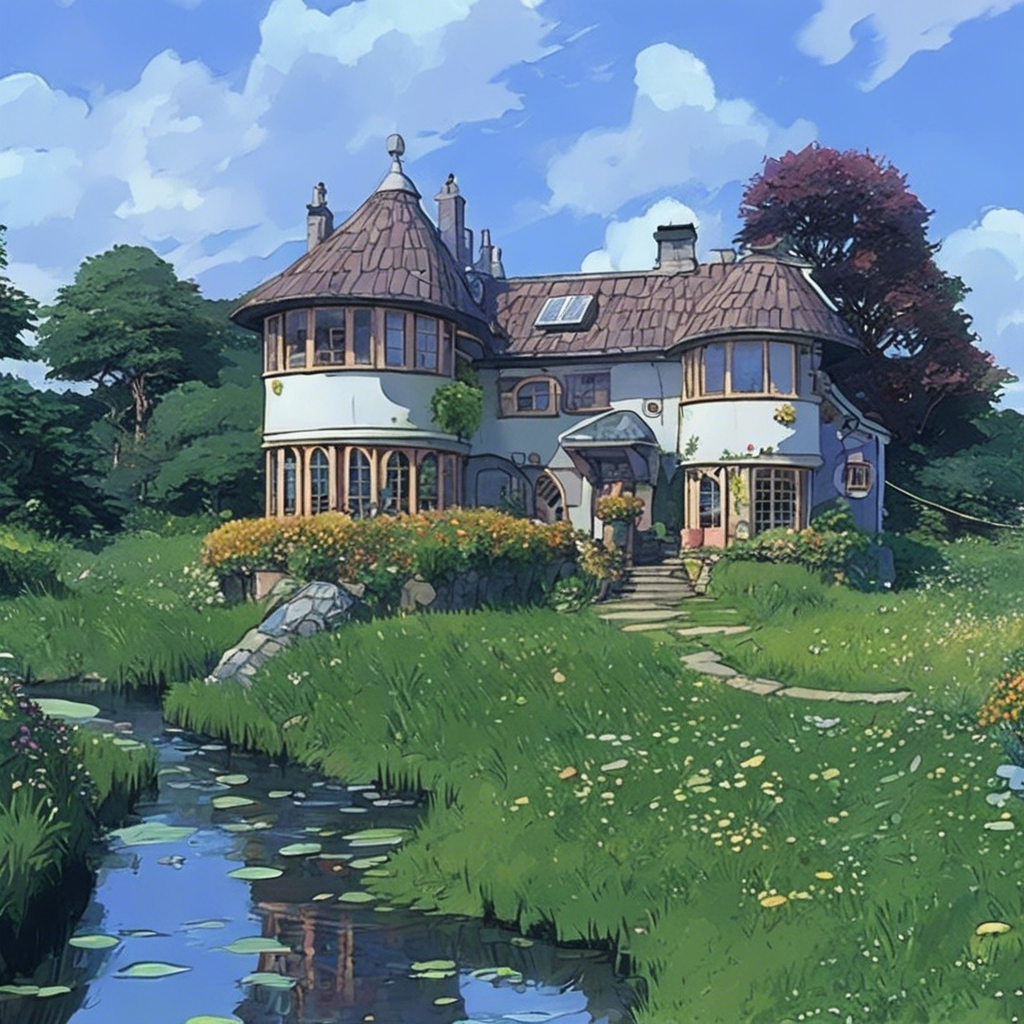
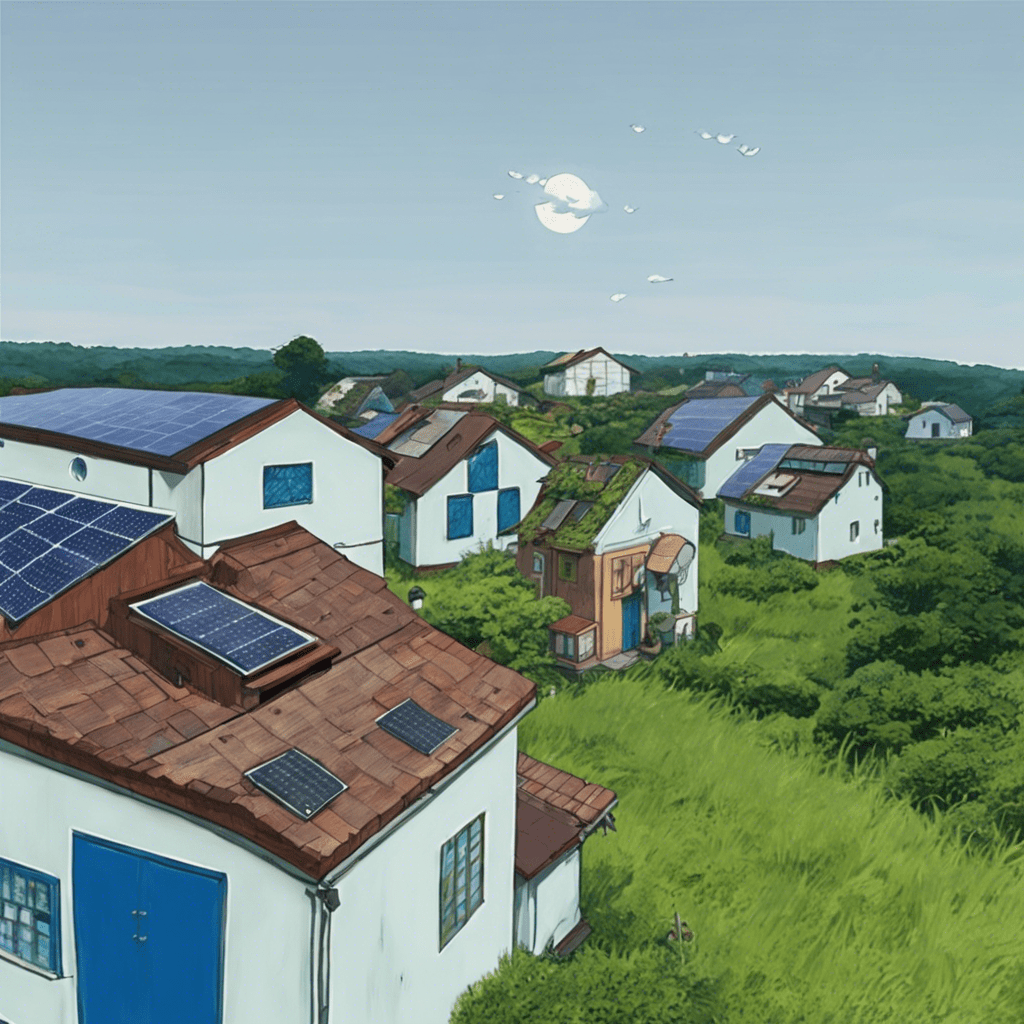
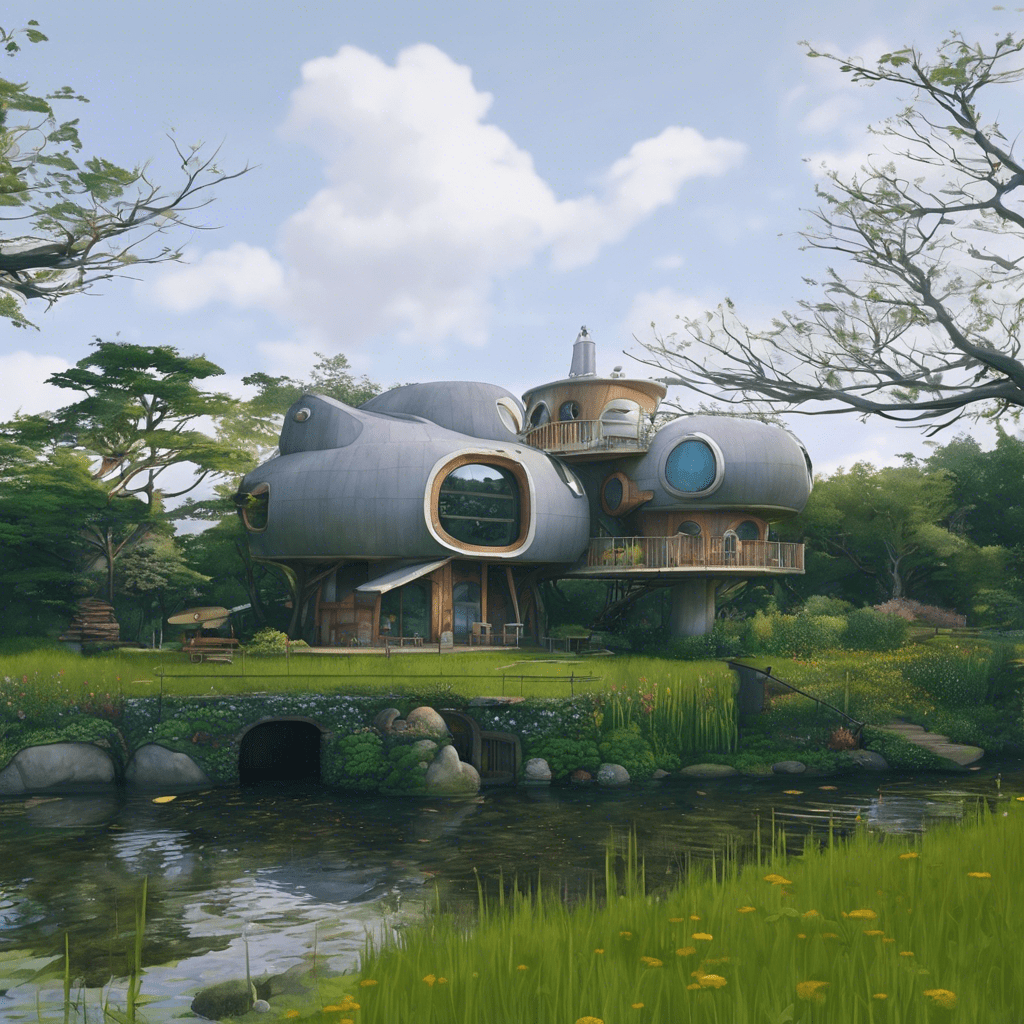
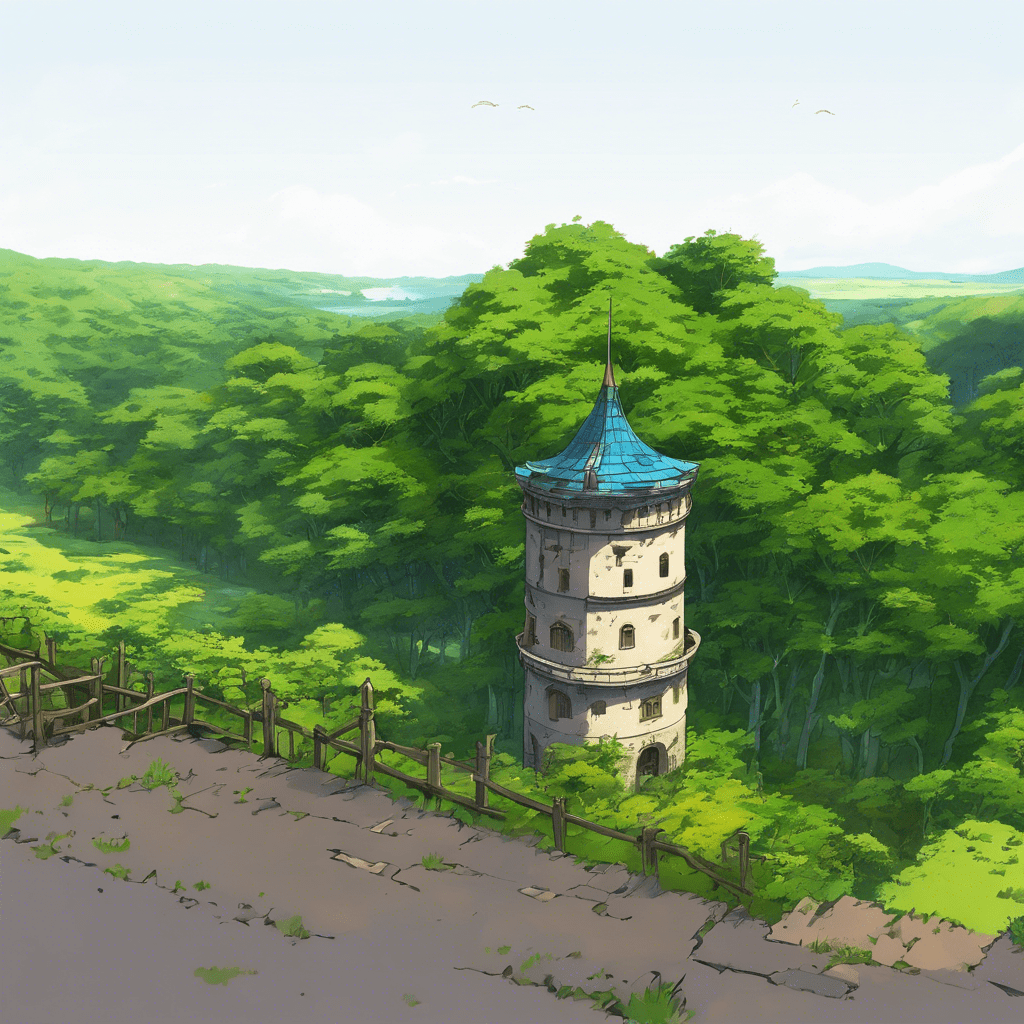
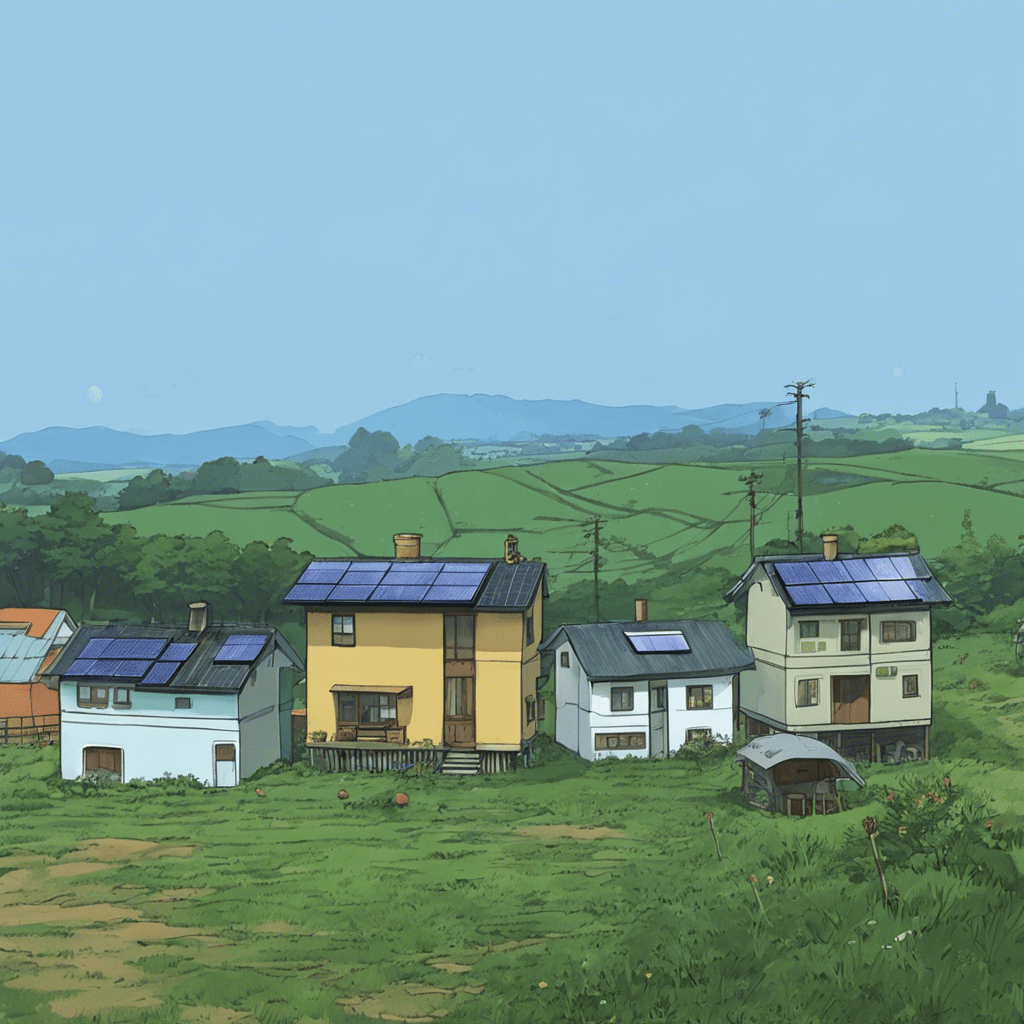
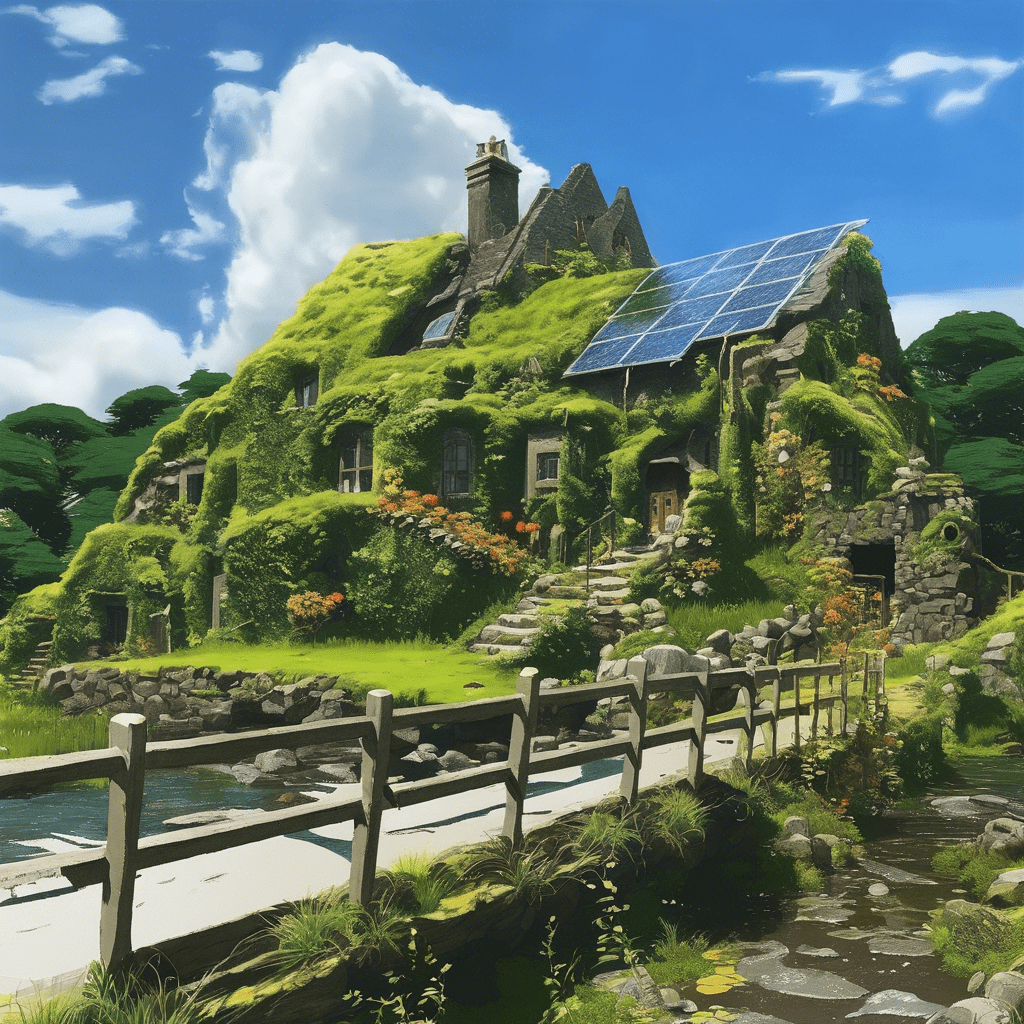
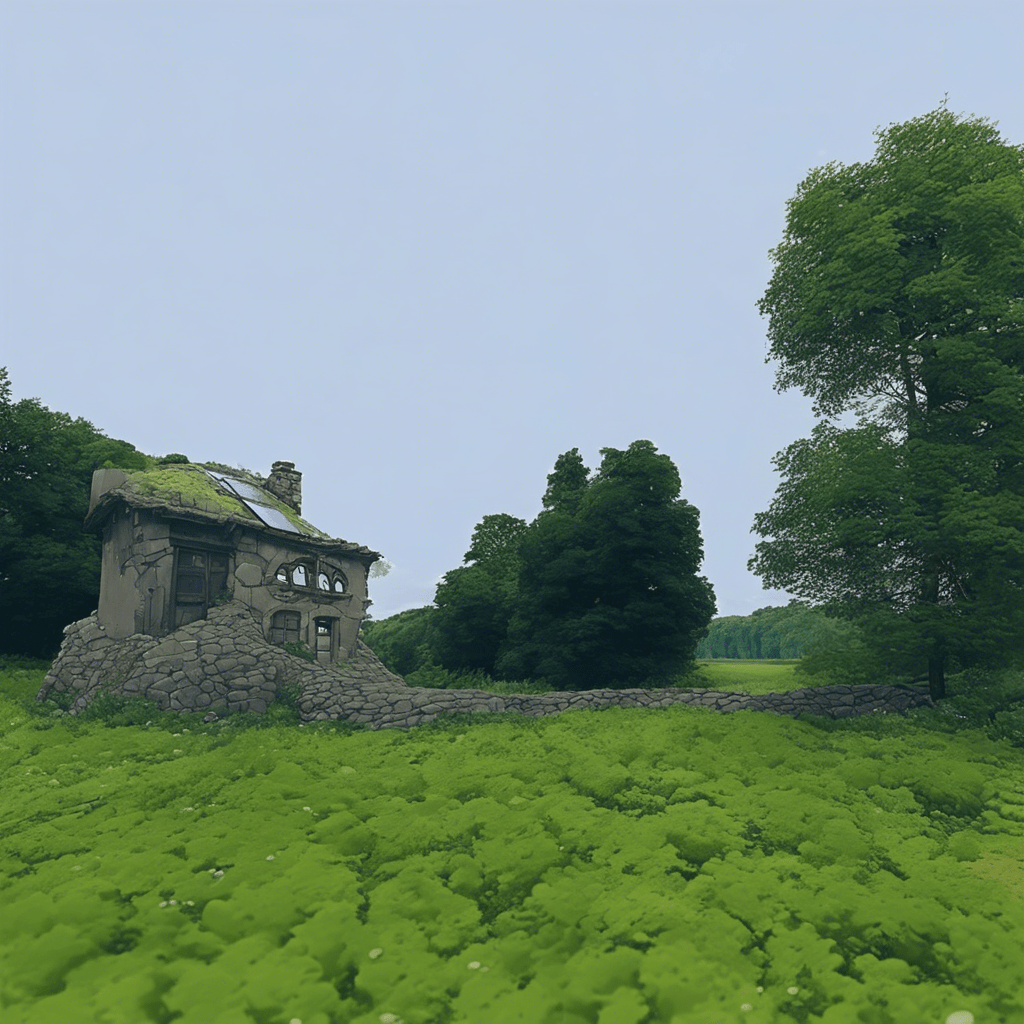
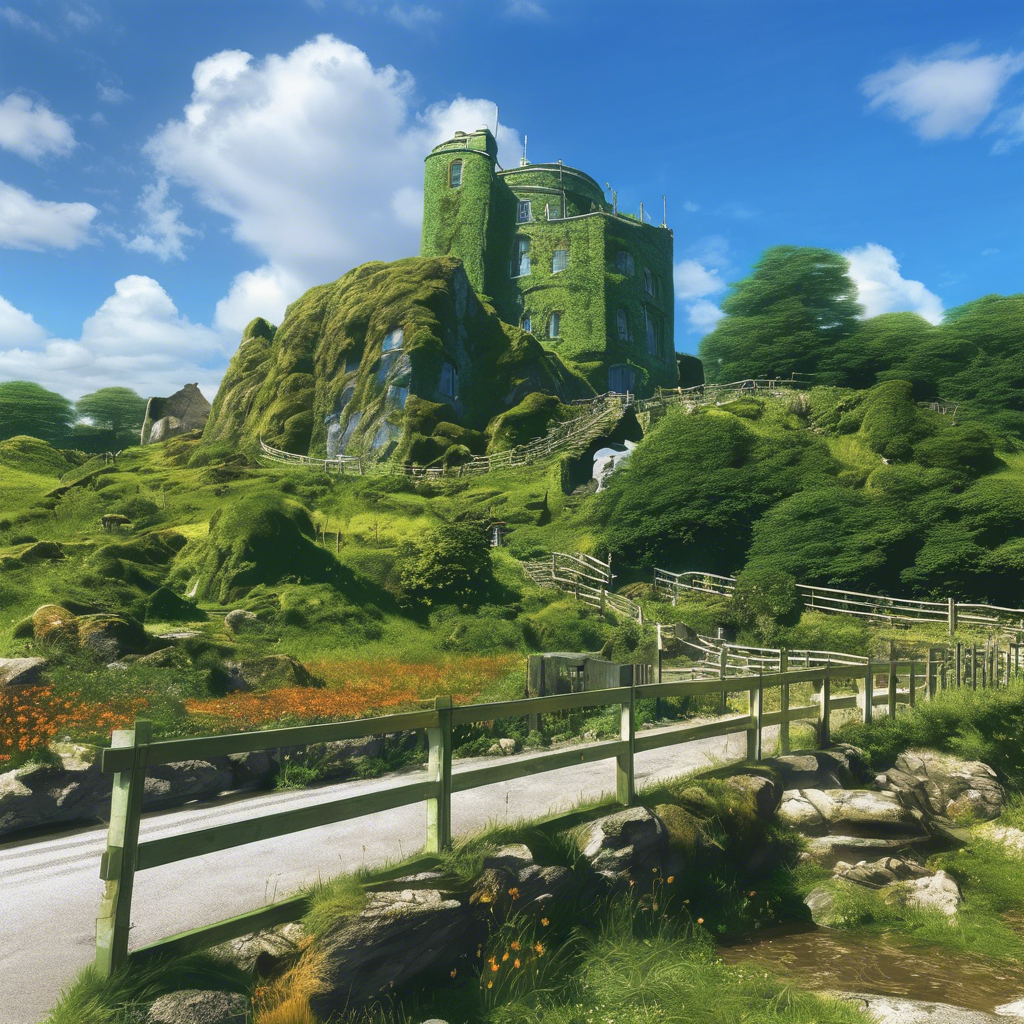
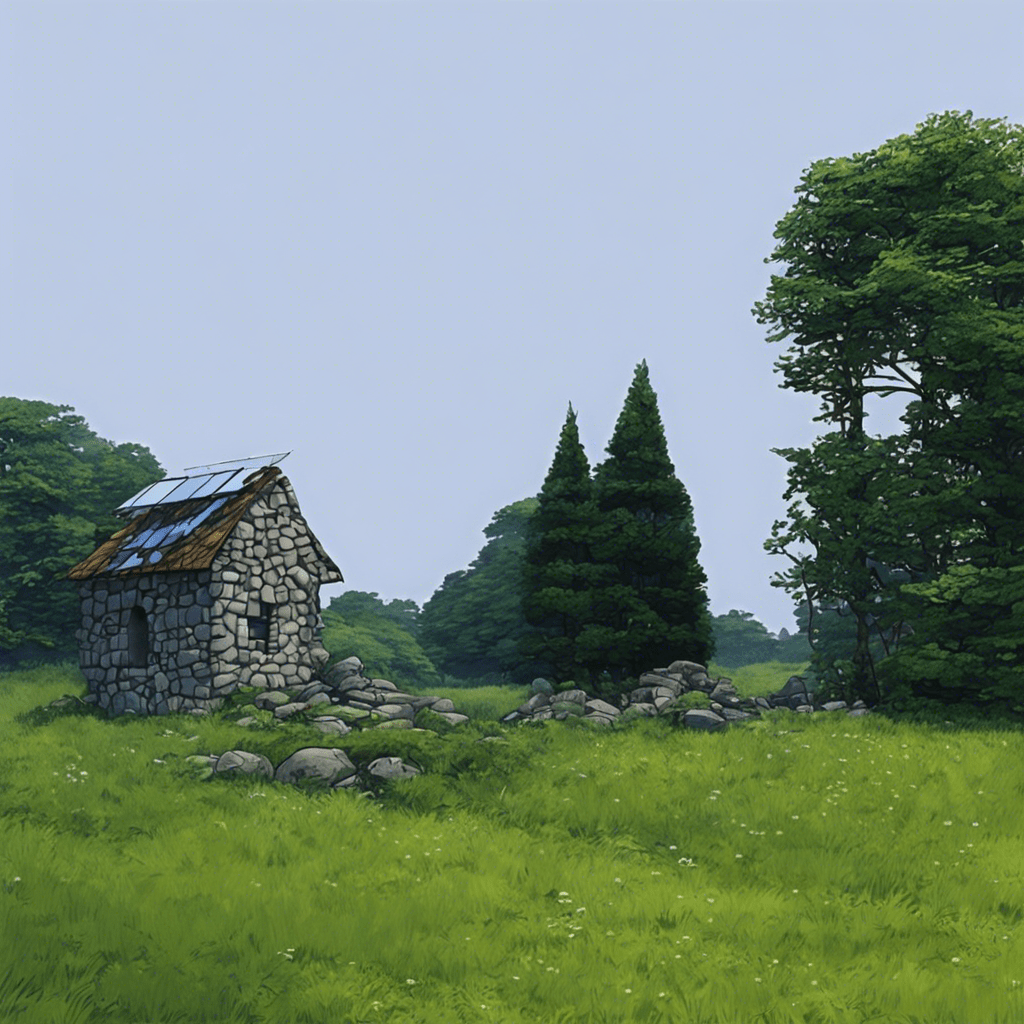
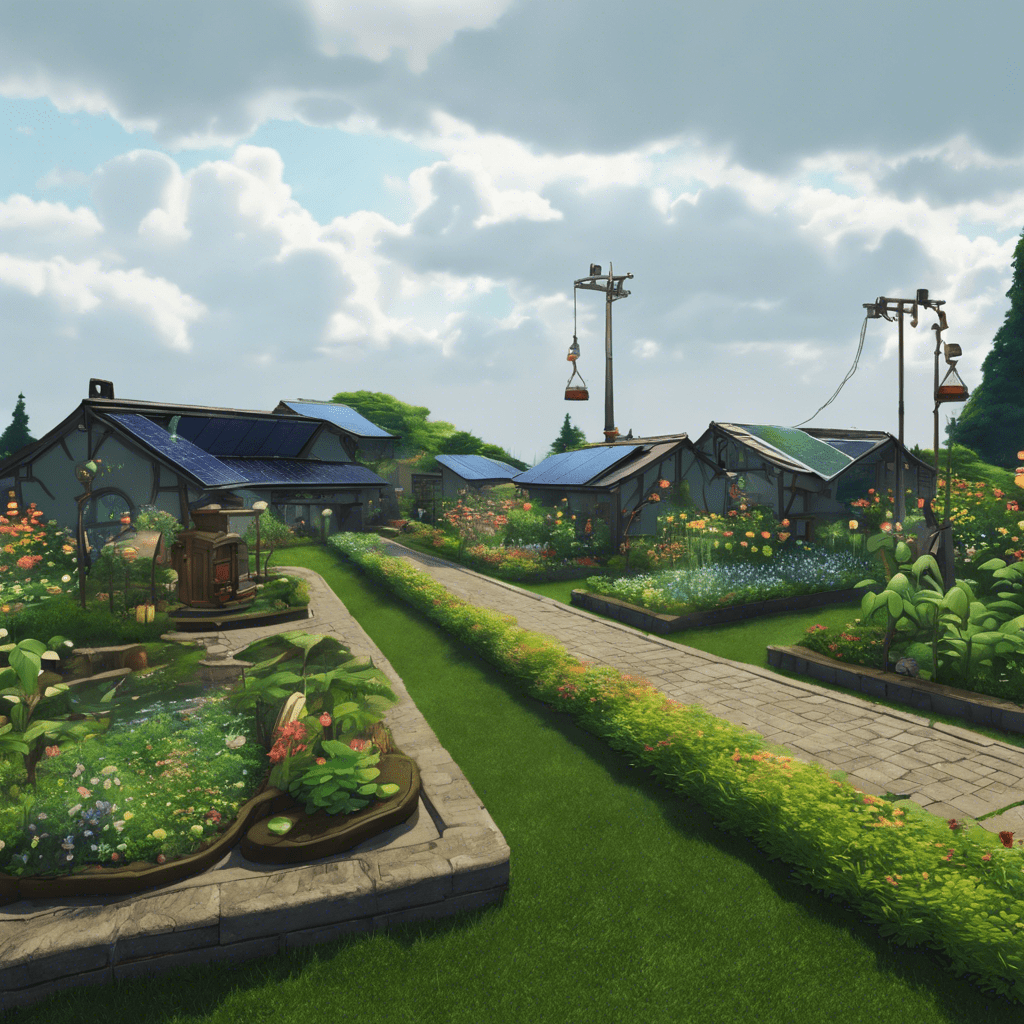
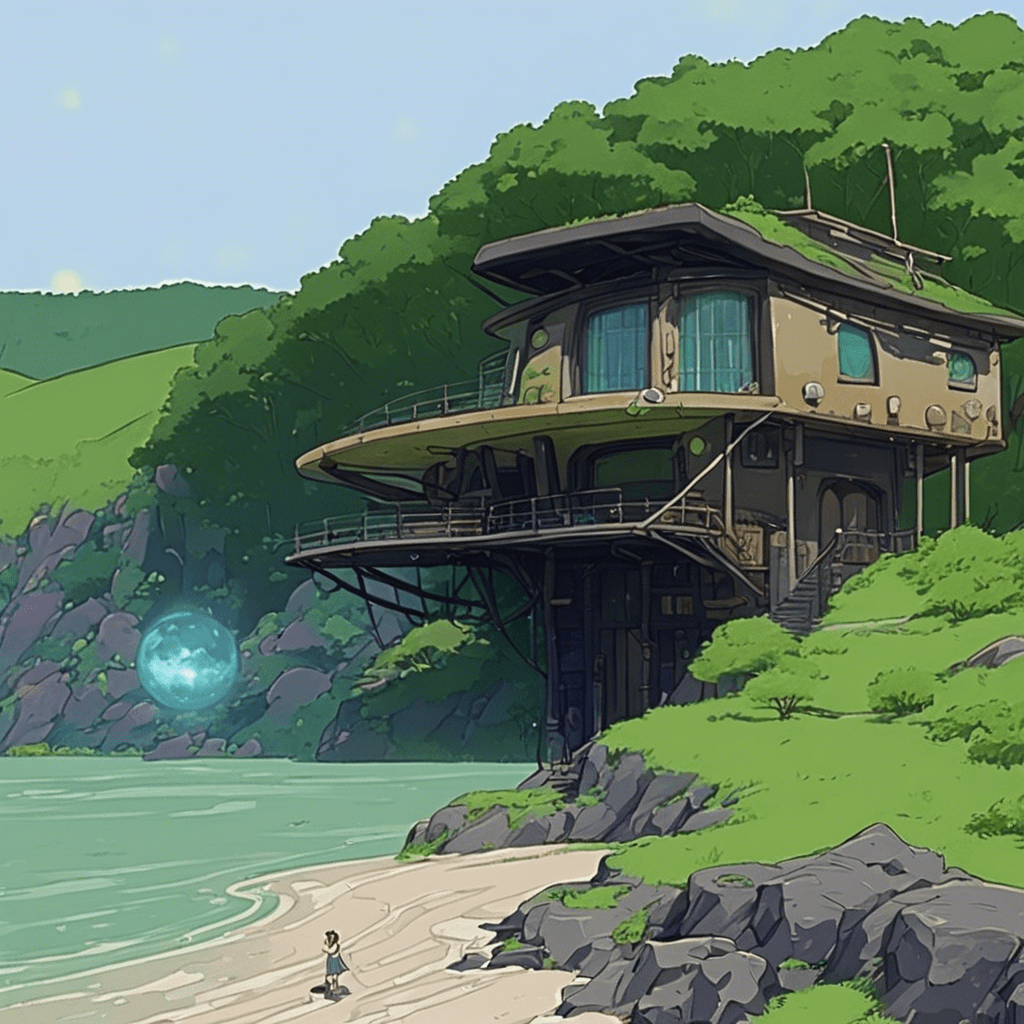
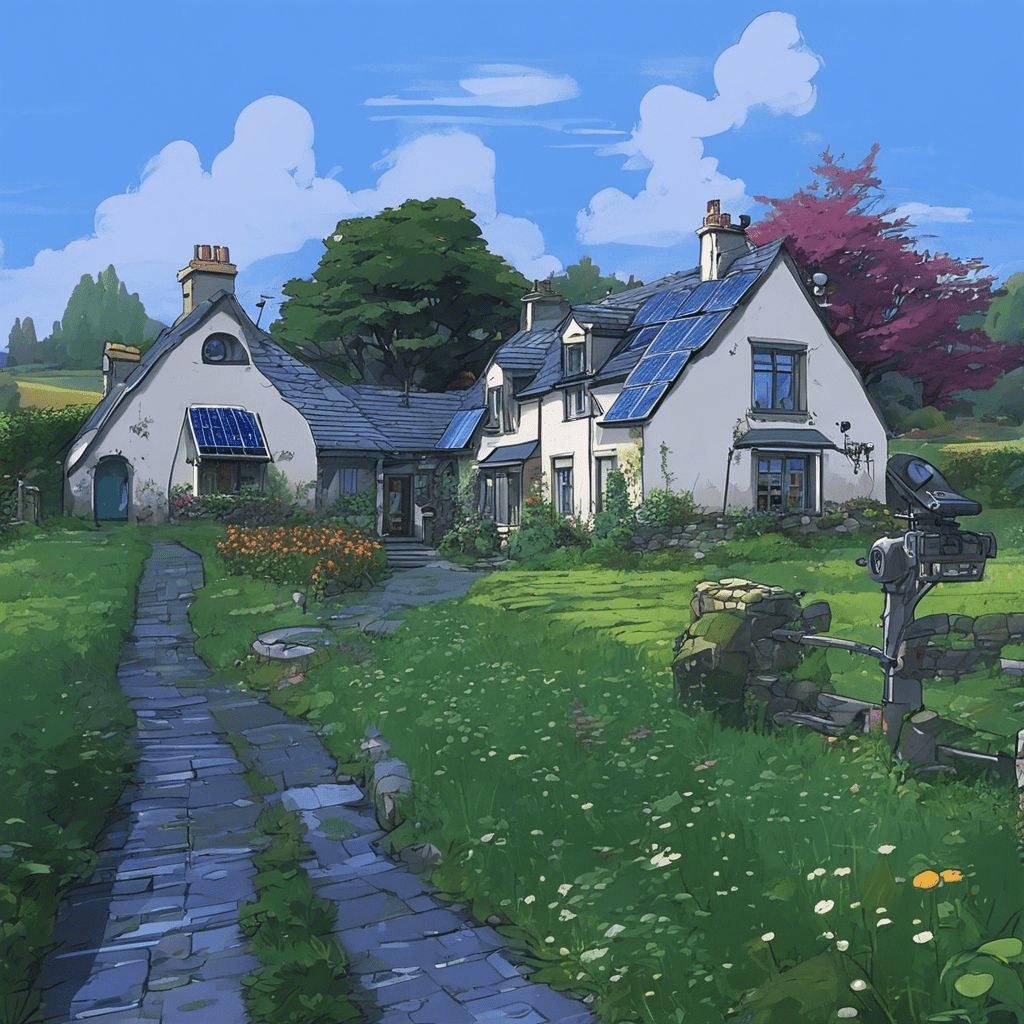
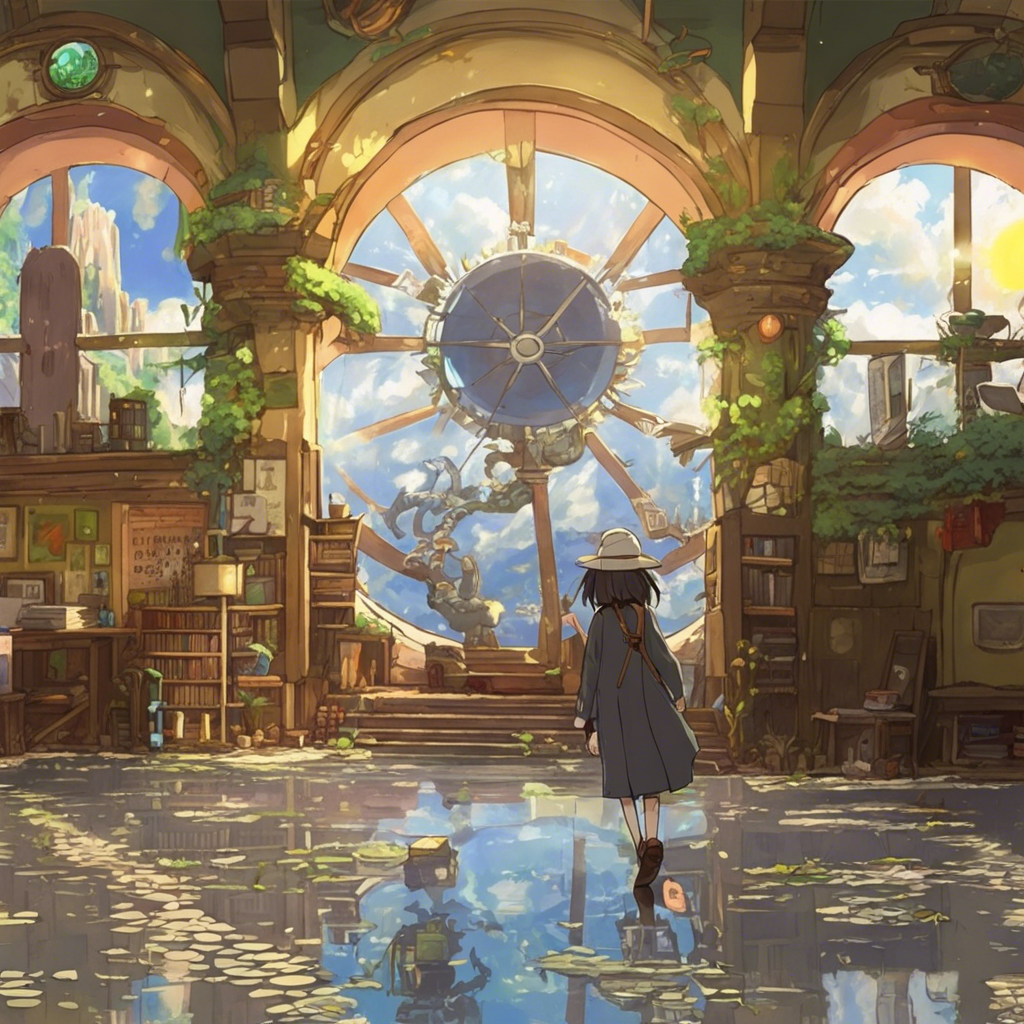
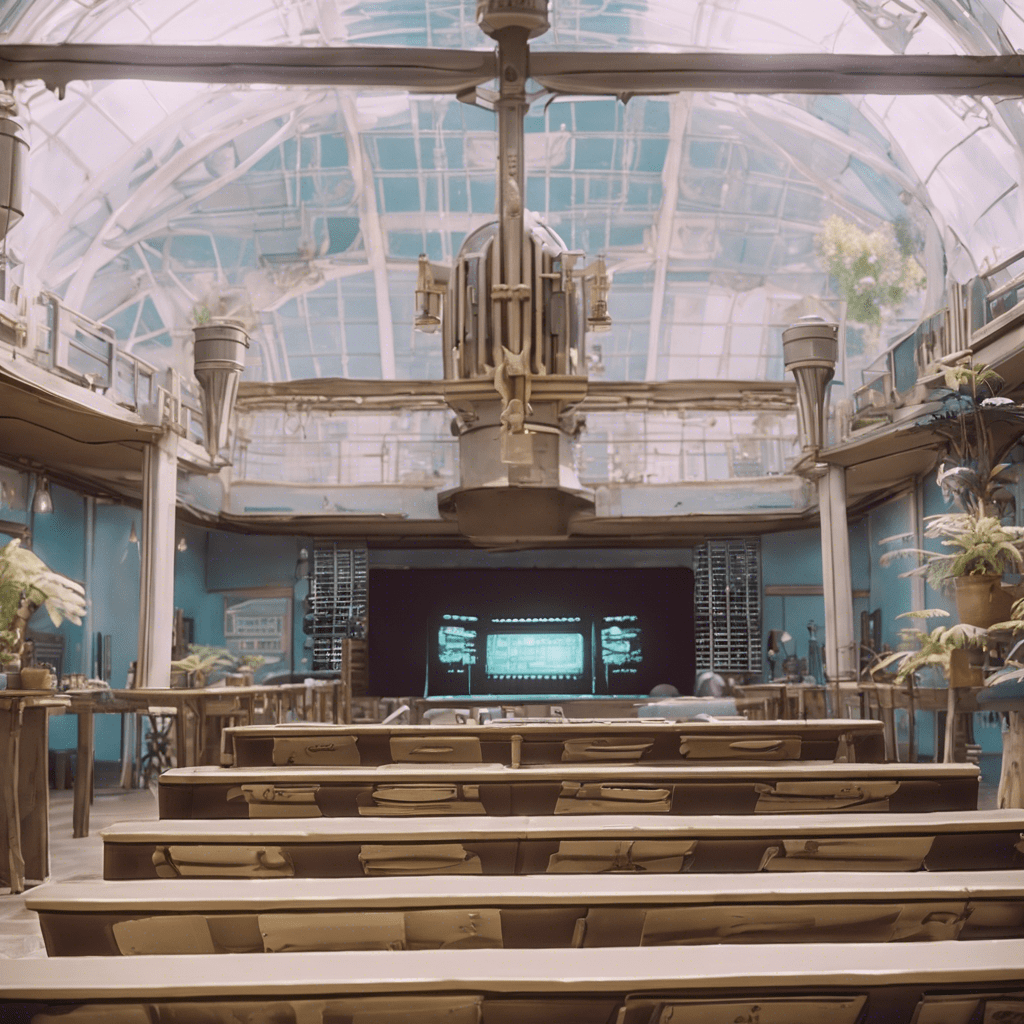
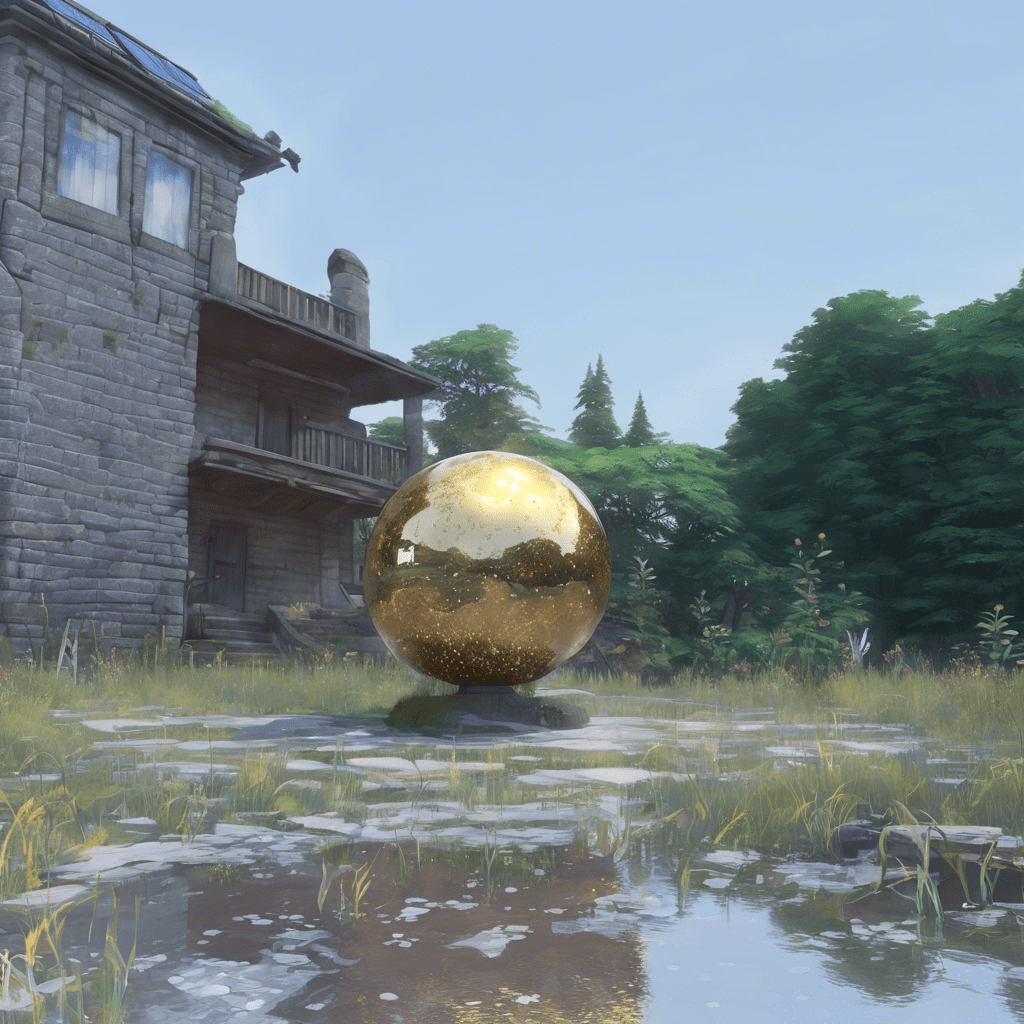
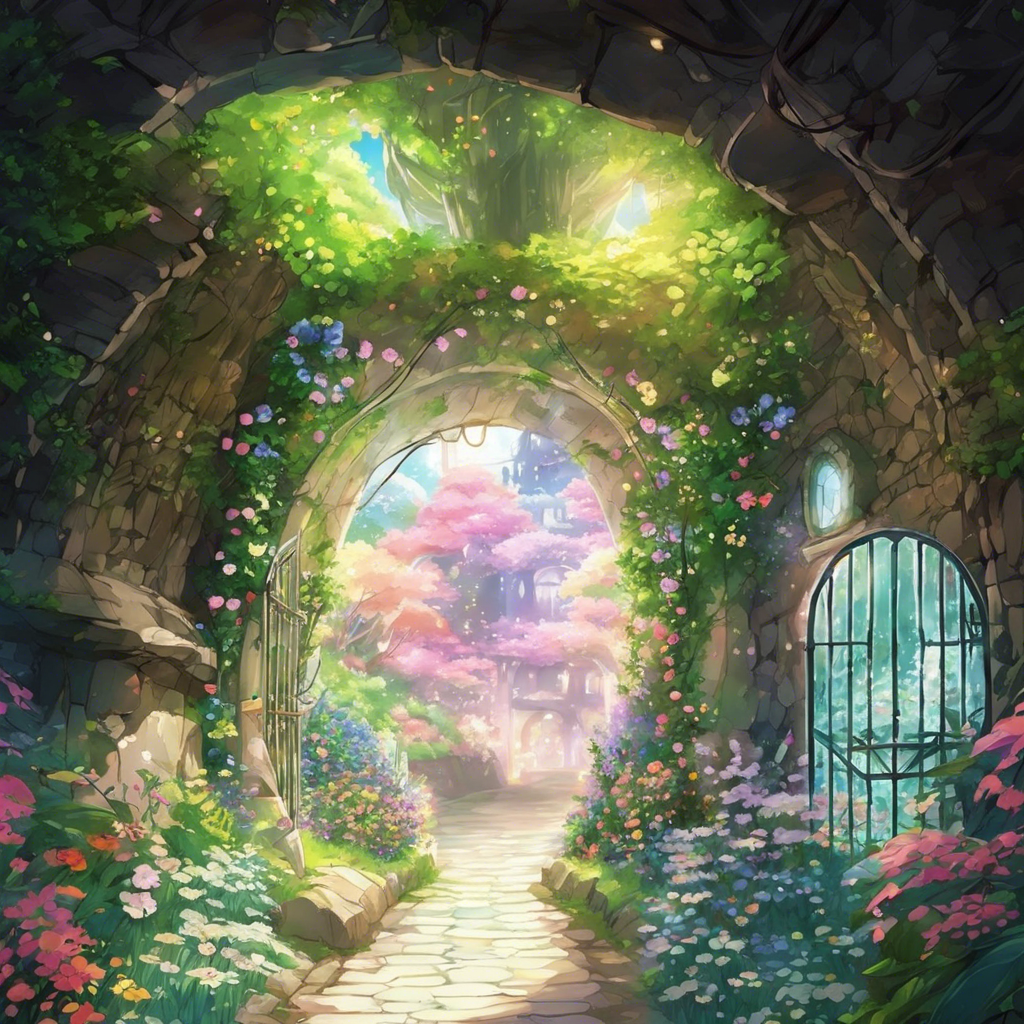
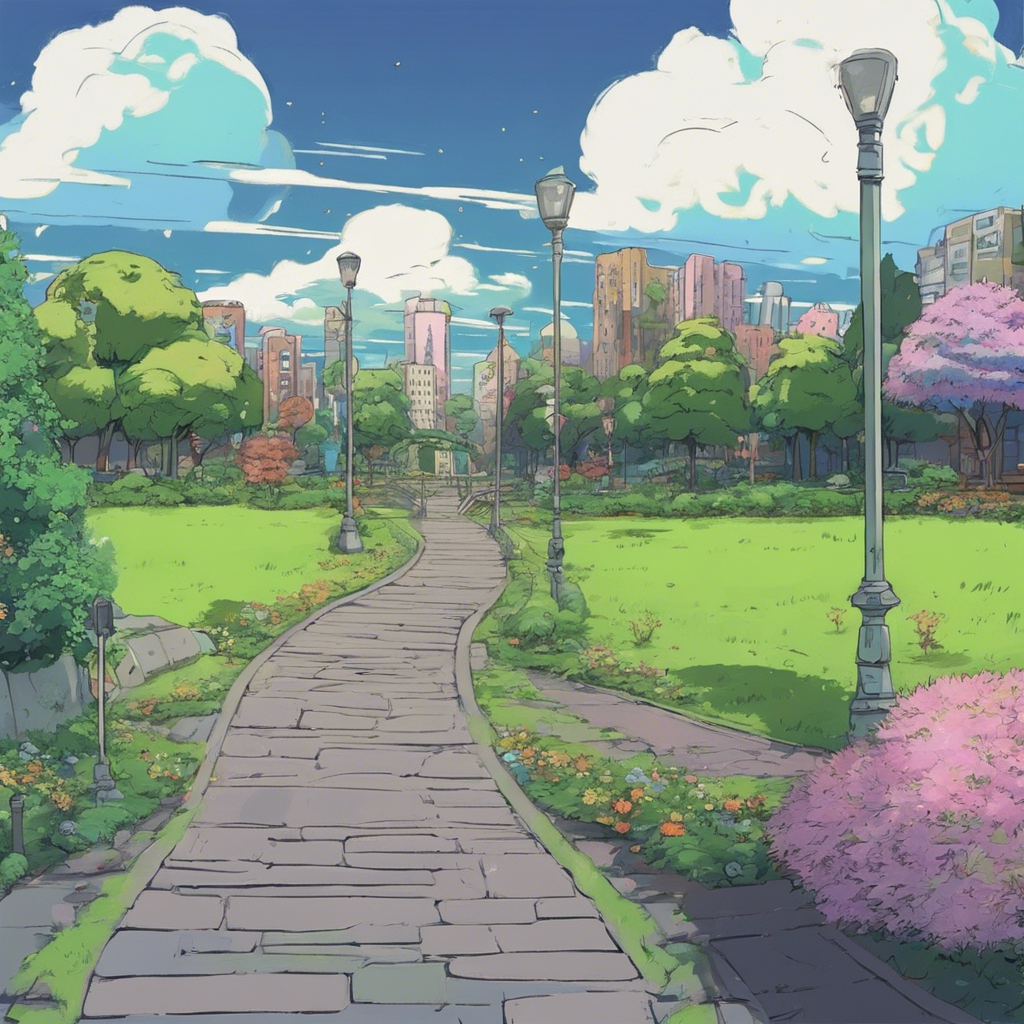
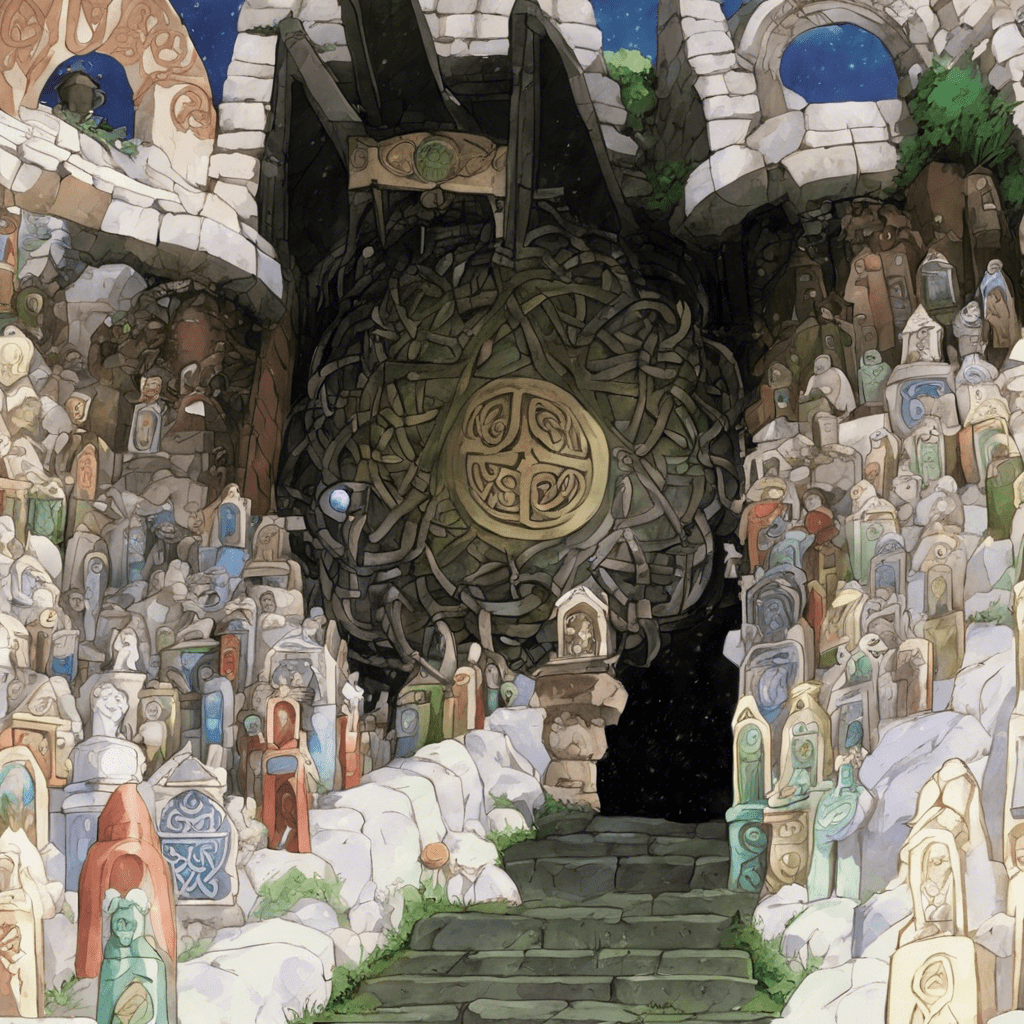
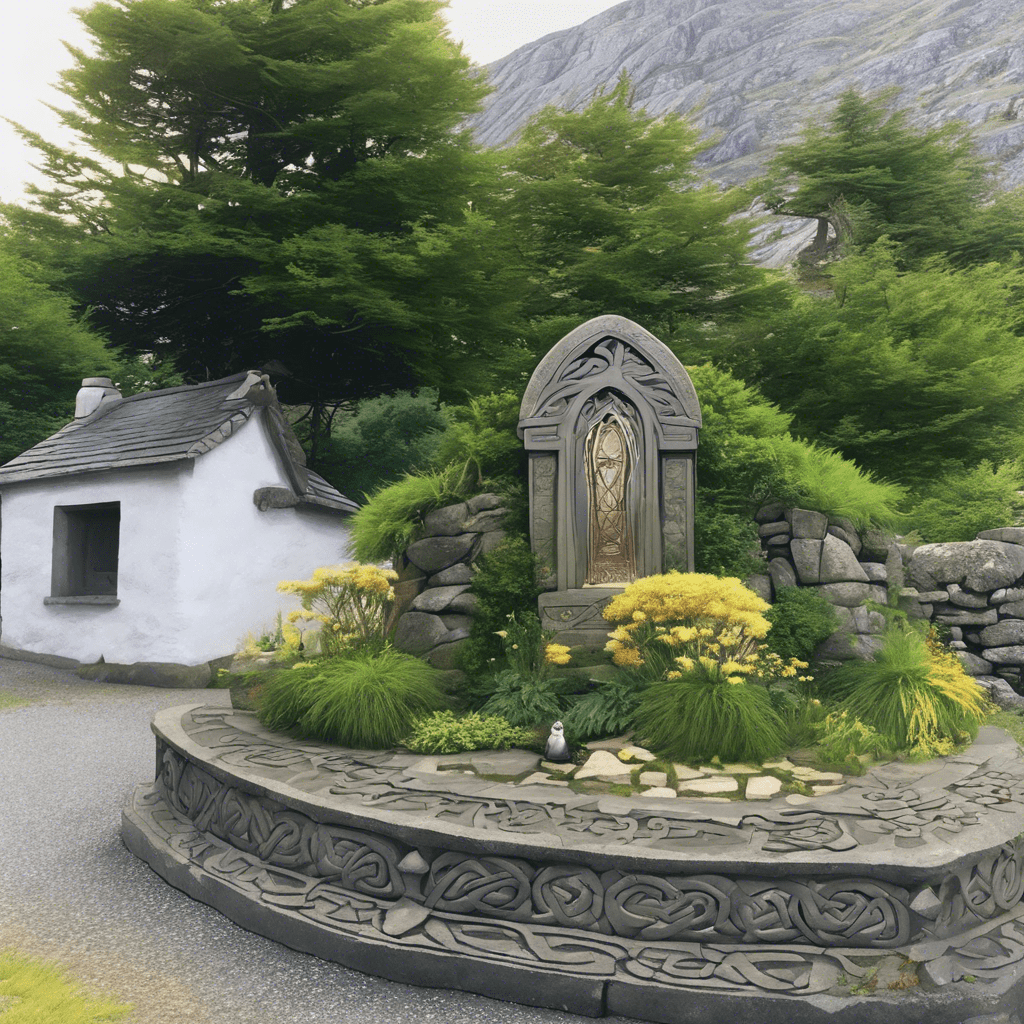
This is a collection of digital art that captures the vision of a solarpunk Ireland, along with images of a futuristic world inspired by the ancient Celts.
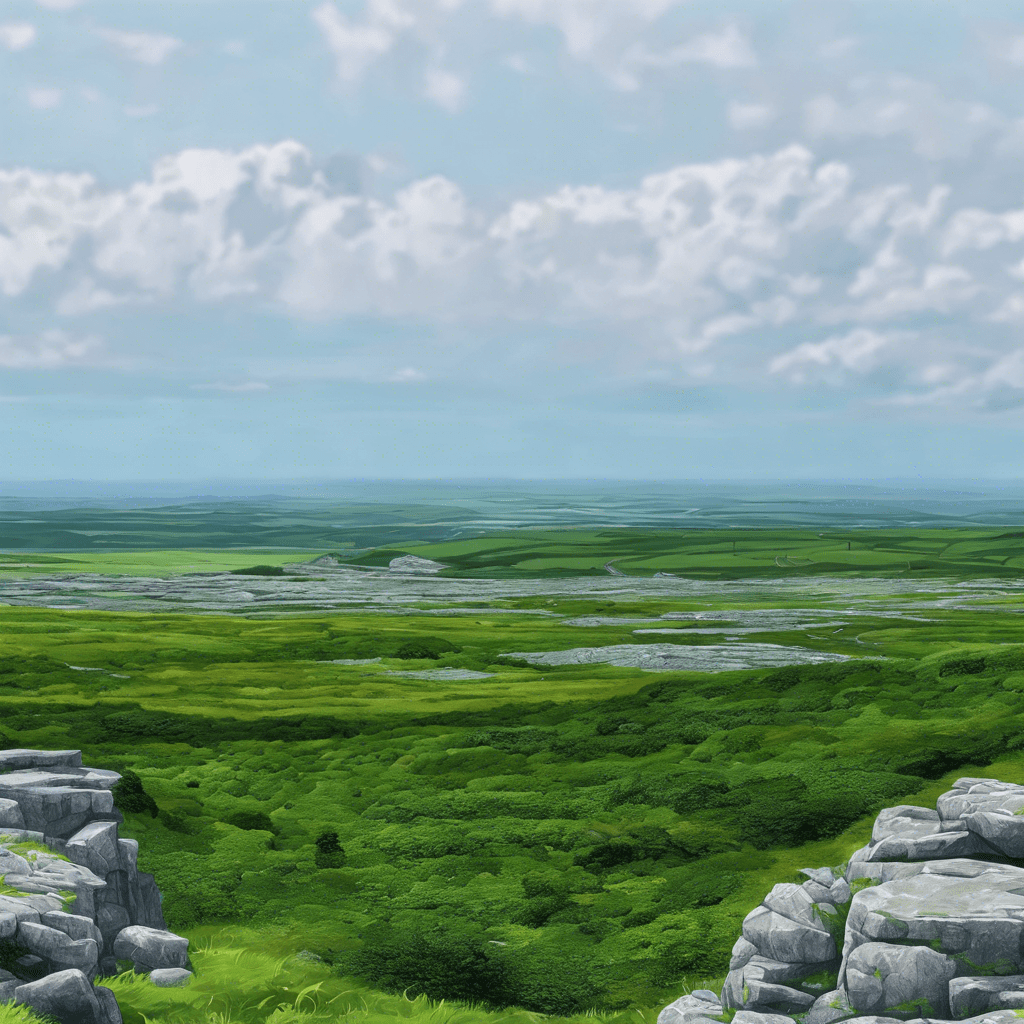
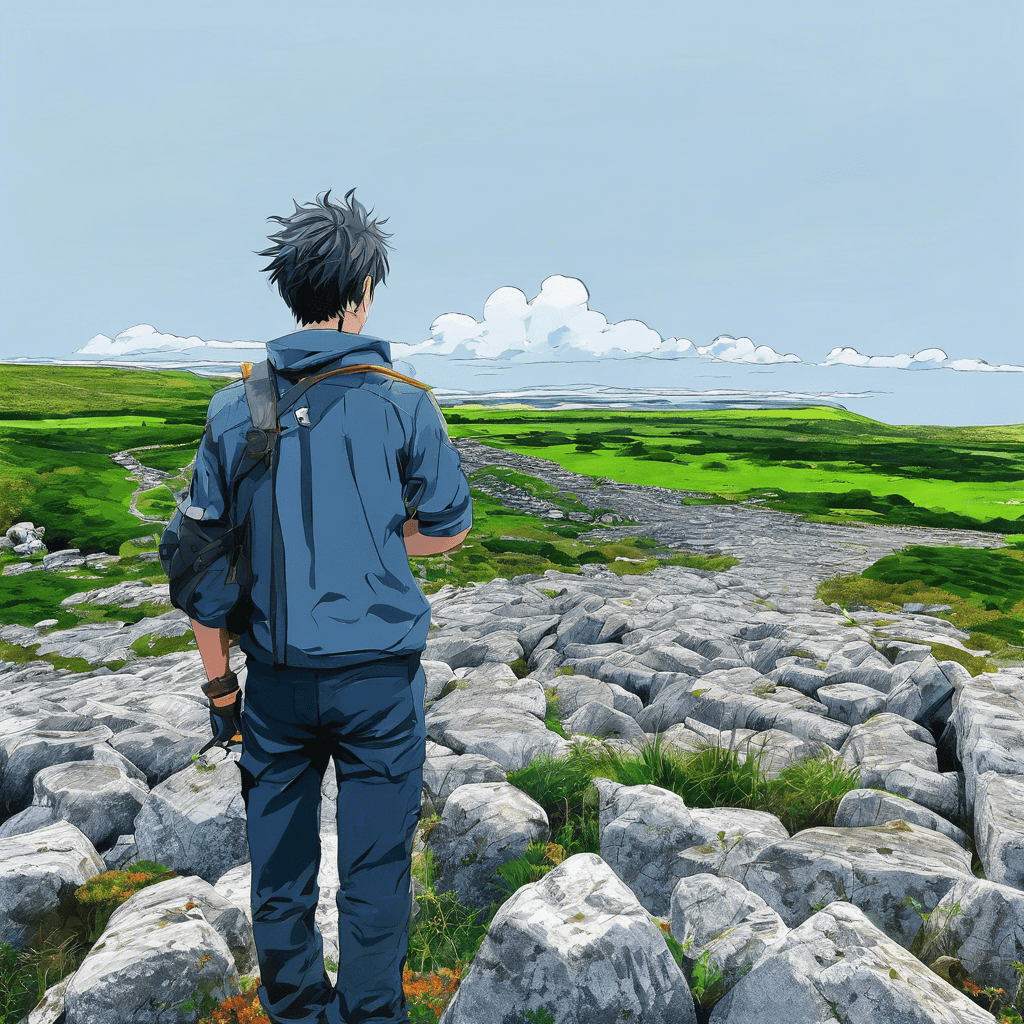
Back in May of this year, I visited Dublin, along with Western Ireland, where my ancestors are from, and took hundreds of photos of sweeping Irish landscapes, cobblestone houses in the countryside, churchs, ruins, castles, and Irish towns, such as Galway and Cork. In this collection of digital art, I used my photos of Ireland and enhanced them with Dream Studio, an AI art device. The collection below represents my experiment of enhancing pre-existing art with AI.
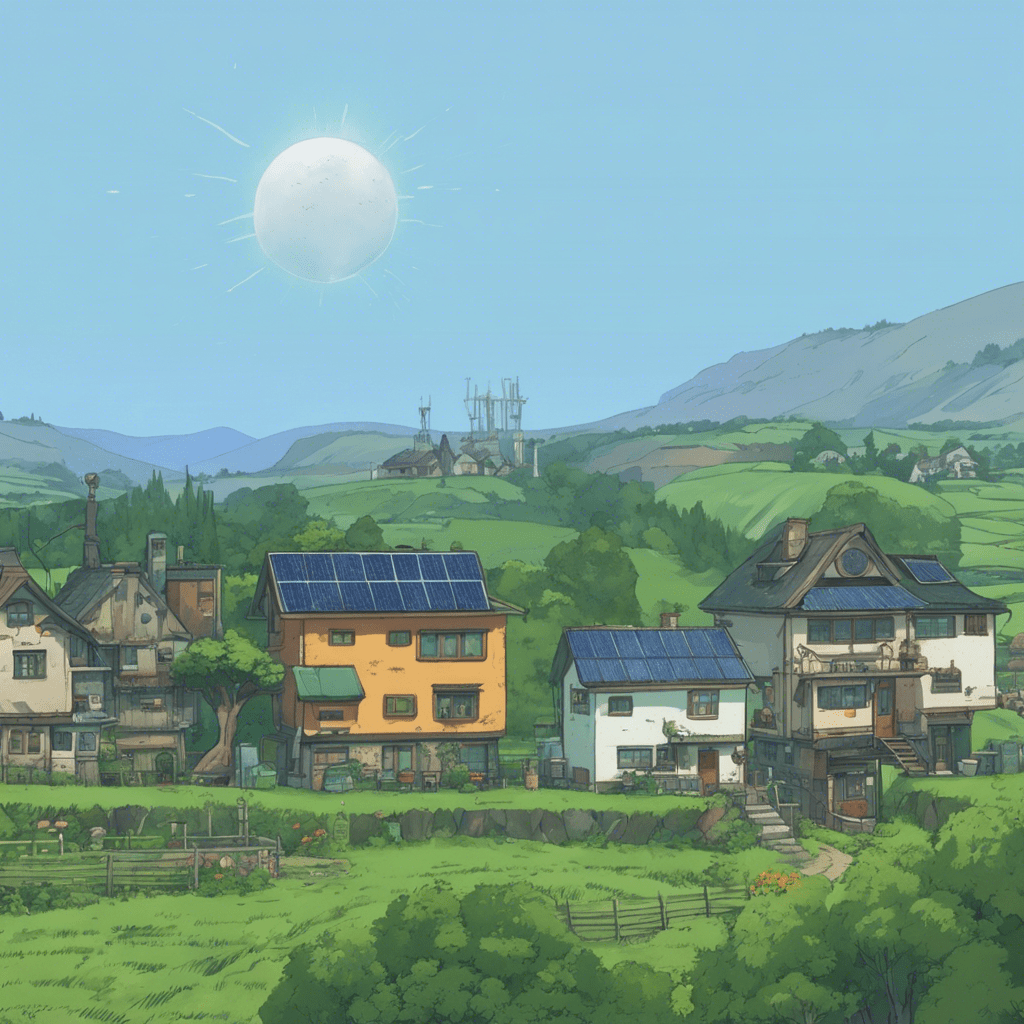
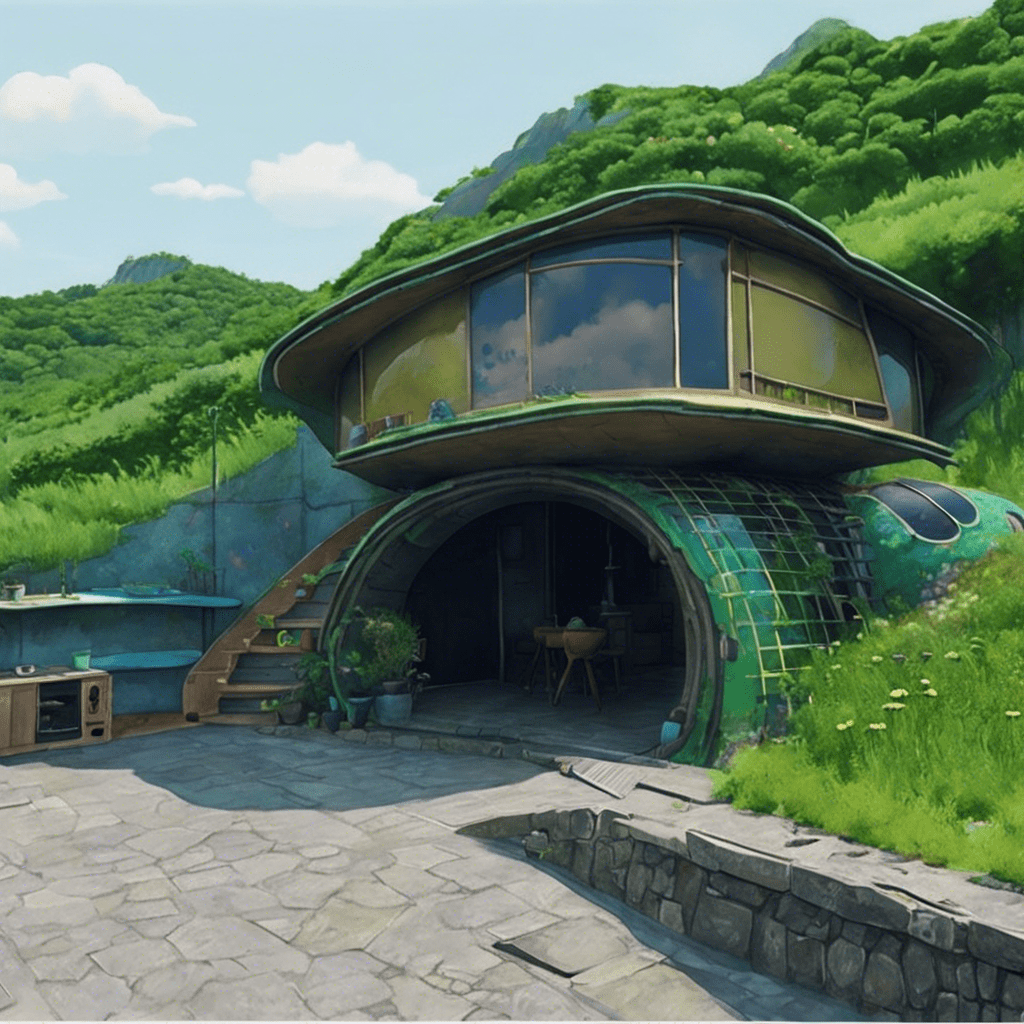
Solarpunk Ireland
Solarpunk is a literary and artistic movement that envisions and works toward actualizing a sustainable future interconnected with nature and community. The artistic genre uses the Art Nouveau style. The aesthetic also makes heavy use of bright colors and is often inspired by Studio Ghibli movies, particularly Castle in the Sky and Nausicaä of the Valley of the Wind.
Worldbuilding a Solarpunk Ireland
In a solarpunk, futuristic Ireland, the landscape is a harmonious blend of advanced technology and natural beauty, showcasing a society that has embraced renewable energy and sustainable practices. Solar panels are seamlessly integrated into the rooftops of homes and public buildings, capturing the sun’s energy even on overcast days. Wind turbines, gracefully turning along the windy coastline, provide a substantial portion of the country’s electricity, while wave and tidal energy converters harness the power of the Atlantic Ocean. Urban areas are designed with green roofs and vertical gardens, transforming cities into lush, living ecosystems that produce food and filter the air.
Agriculture in Ireland thrives on principles of permaculture and regenerative farming. Fertile fields and pastures, nurtured by Ireland’s abundant cattle, sheep, and crop rotation, yield abundant harvests without depleting the soil. Traditional farms coexist with high-tech vertical farms and aquaponic systems, ensuring a steady supply of fresh, organic produce year-round. Coastal communities sustainably harvest fish and seaweed, maintaining the delicate balance of marine ecosystems. Forests are carefully managed to provide timber and other resources, with reforestation efforts ensuring that forest cover is continually expanding, supporting biodiversity and sequestering carbon.
Alternative Celtic History
In an alternative history where the Celtic people were never conquered, their society evolves with a profound connection to nature, deeply rooted in Druidic customs and Celtic lore. This solarpunk future reflects a harmonious blend of ancient wisdom and advanced technology. The Celts, with their reverence for the natural world, develop sophisticated sustainable practices, seamlessly integrating renewable energy and eco-friendly living into their everyday lives.
The landscape of this Celtic society is dotted with roundhouses and crannogs, traditional structures made from locally sourced, sustainable materials like timber and thatch. These dwellings are updated with green roofs and solar panels, providing energy while maintaining harmony with the environment. Sacred groves, revered as places of worship and reflection, are meticulously preserved, and advanced techniques in agroforestry and permaculture ensure that agriculture supports biodiversity and soil health. Celtic knotwork and ogham inscriptions adorn public spaces, celebrating cultural heritage while embracing cutting-edge design.
In this futuristic Celtic society, Druids play a central role as both spiritual leaders and keepers of knowledge. They oversee the use of renewable resources, guiding communities in the sustainable harvest of timber, the management of waterways, and the harnessing of wind and solar energy. Education is holistic, combining ancient lore with scientific inquiry. Children learn the healing properties of plants alongside principles of renewable energy and environmental stewardship. Festivals celebrate the changing seasons, with music, dance, and storytelling reinforcing communal bonds and cultural identity.
Solarpunk Irish Towns and Cityscapes
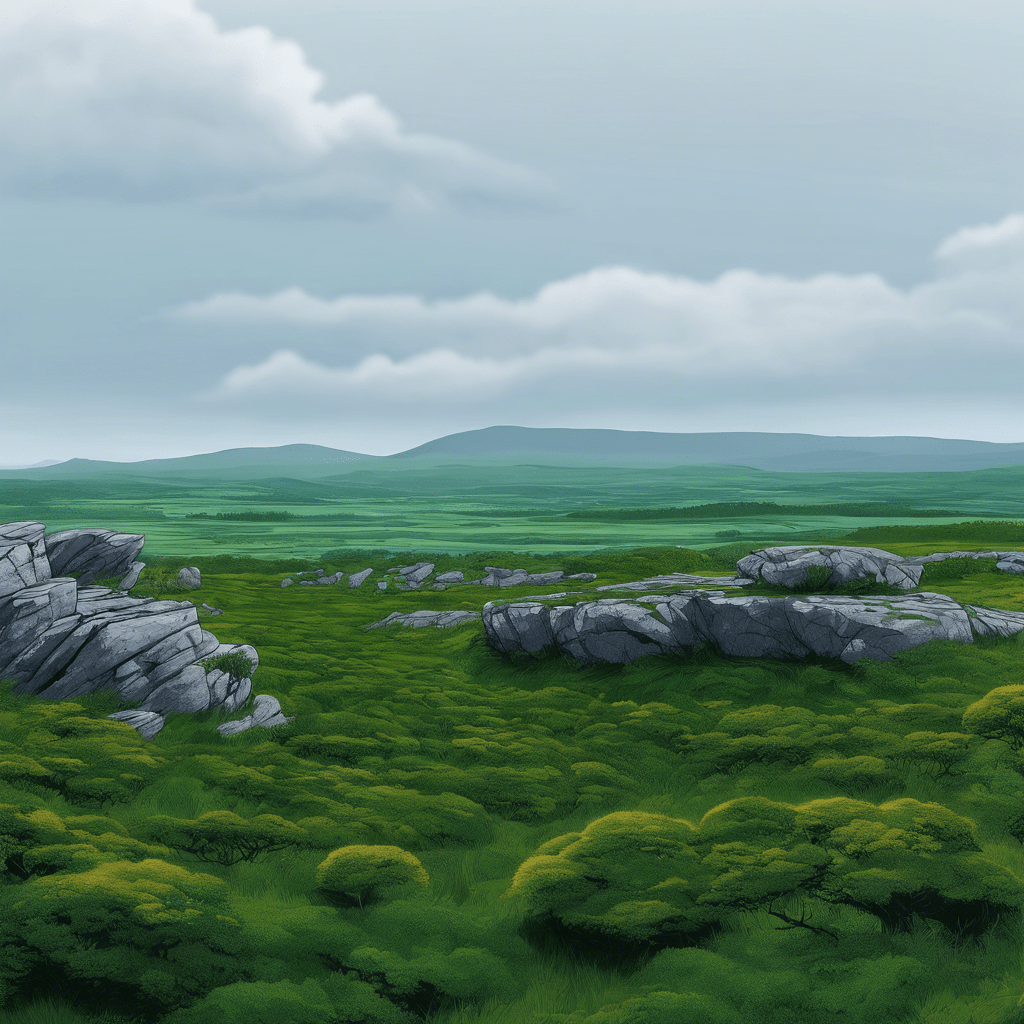
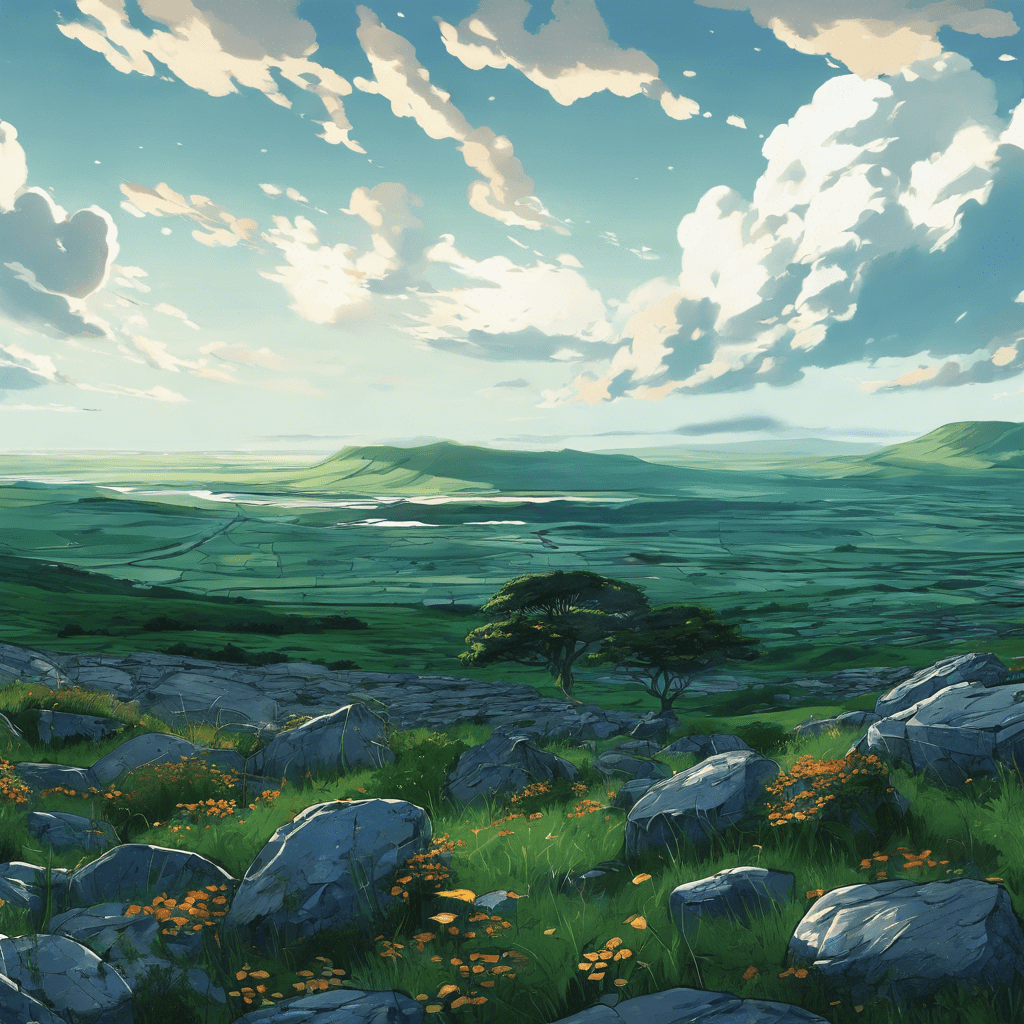
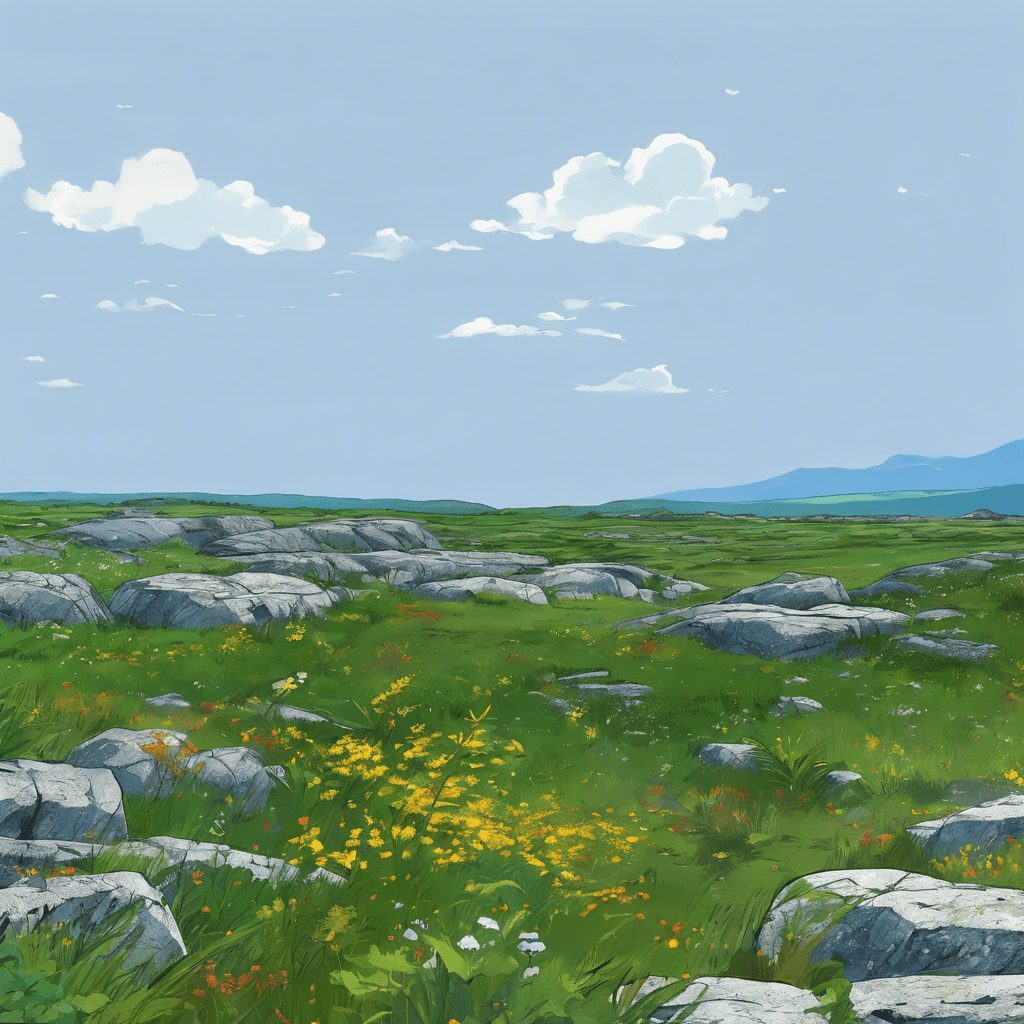
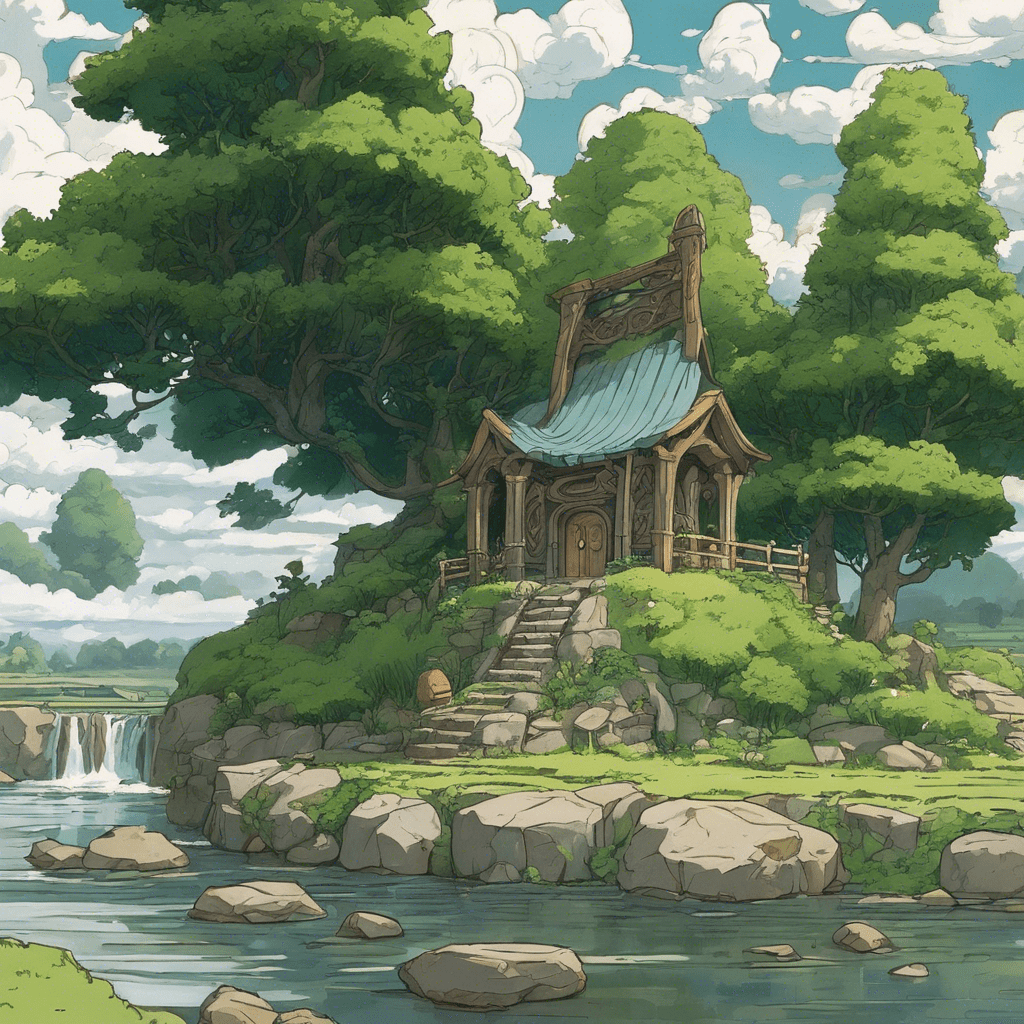
Anime/Studio Ghibli Vision of Irish Landscapes
These photos include the Cliffs of Moher, the Ring of Kerry, and the Burren National Park.
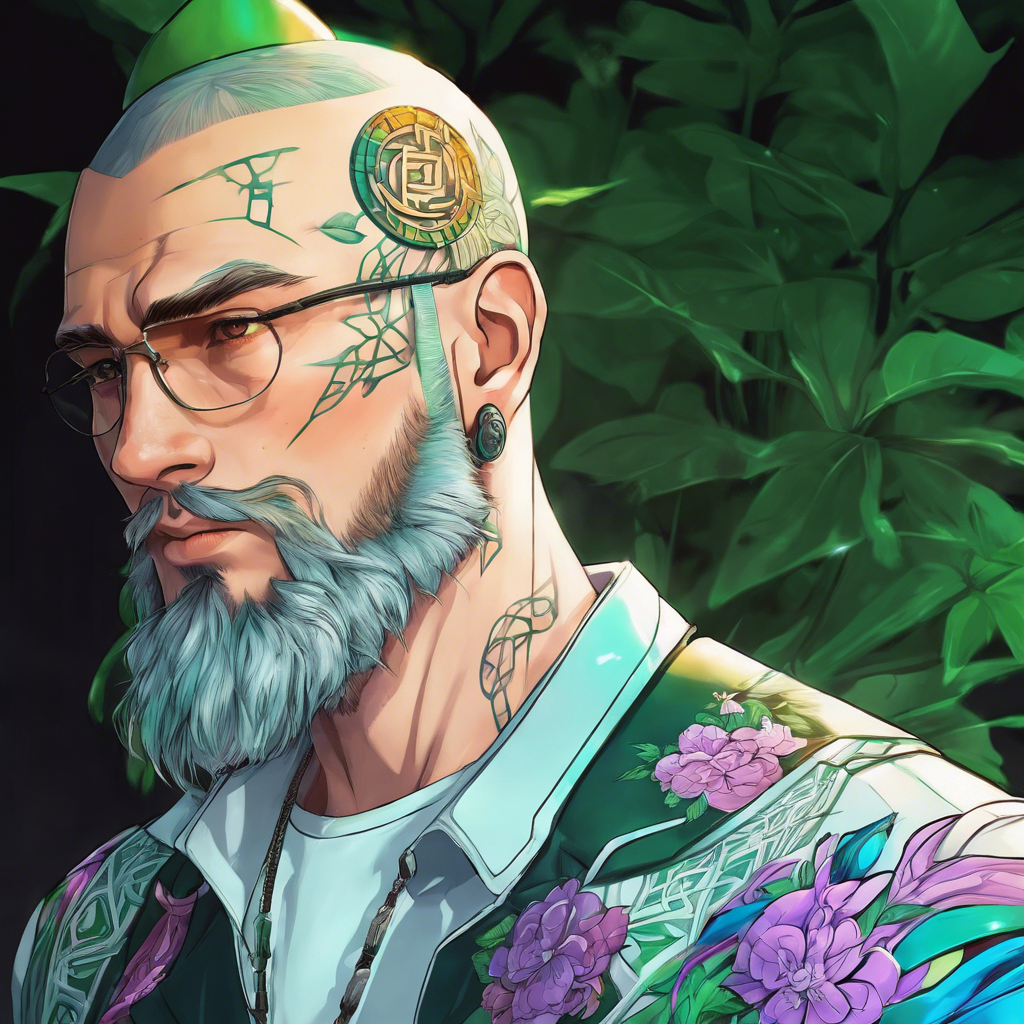
Solarpunk Celtic Style and People
Anime Meets 9th Century Book of Kells
The Book of Kells is a work of 9th century monastic art that depicts scenes in the Bible. This book was moved around quite a bit to protect it from being destroyed by the vikings. I took some photos I have of the Book of Kells and applied an anime/solarpunk/celtic filter.
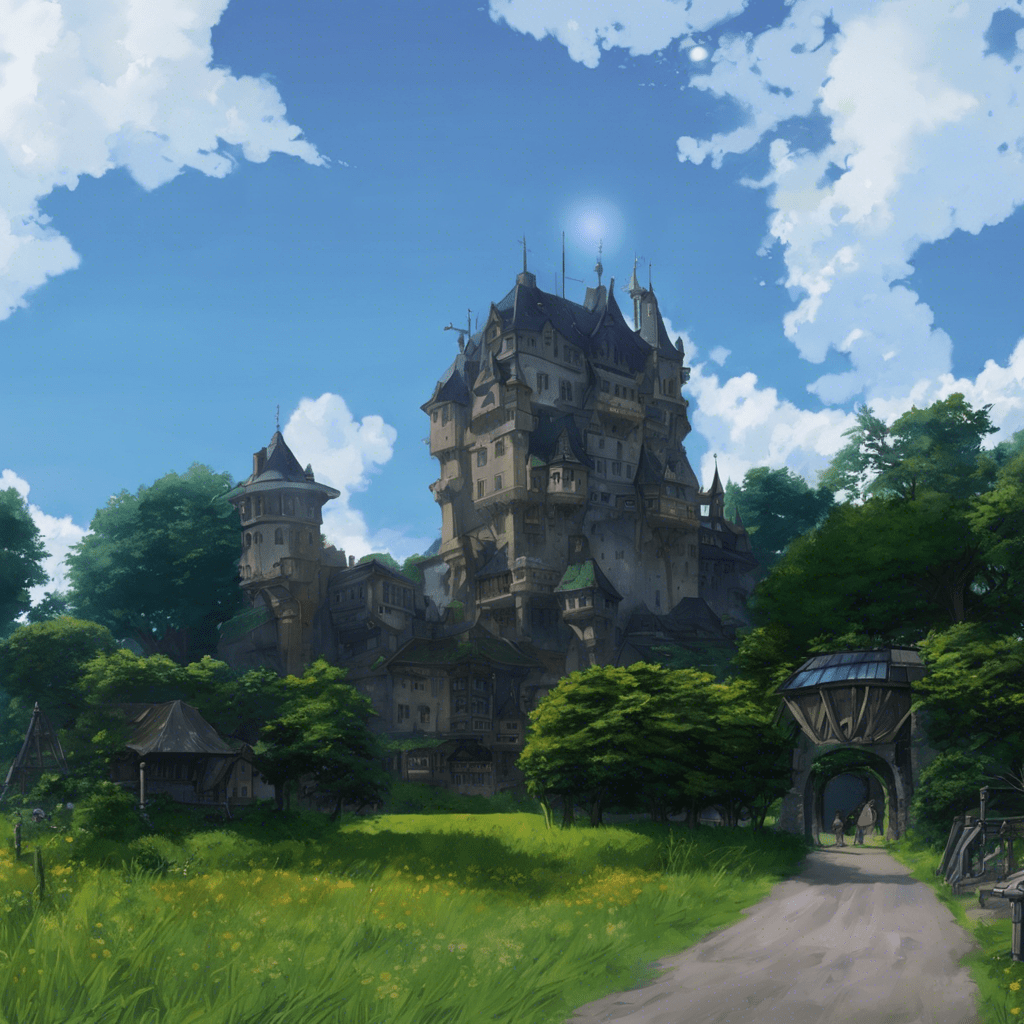
Solarpunk Castles
If there is one thing the Irish landscape has in abundance, it is medieval castles. Below is a vision of medieval castles being repurposed for vertical agriculture.
Good news, all! I recently got a flash fiction published in the scientific journal Nature.
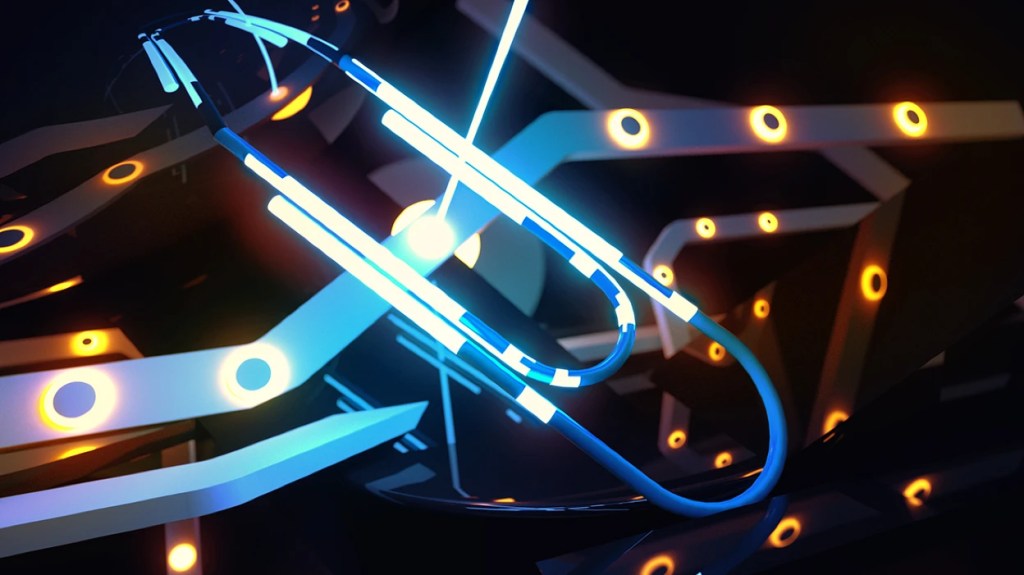
You can read it here. If you want a quick, fun, five-minute read about an eccentric vagabond on the subway who has a paper clip that could potentially enable time travel…or destroy the universe…check out my piece.
Nature magazine publishes flash fiction pieces of hard sci-fi. If you yourself are interested in getting published in Nature, check out their submissions guide.
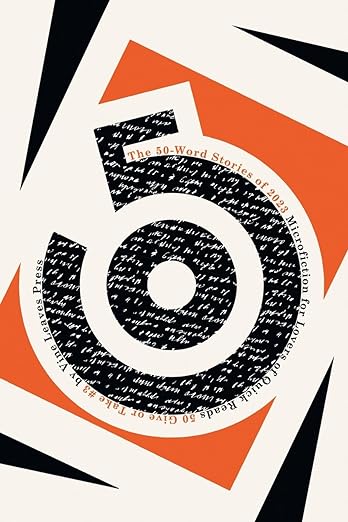
My micro-fiction on chemotherapy, “The Red Devil,” is a part of this anthology.
The anthology is a fun collection of stories to keep on a coffee table. Each story only takes about 30 seconds or less to read. For anyone looking to write micro-fiction, or for those who have limited time for reading these days, I would highly recommend you check it out.











































































































 Stories From Tomorrow - Jessica Brook's Author Site