REVIEW: Nolan’s Odyssey—Historical Liberties, Modern Themes, and Why It All Somehow Works

Filmmakers are the bards of the modern age. And Christopher Nolan, love him or hate him, is one of the most successful bards of our era, releasing cinematic tales to the globe that rake in more profits than the GDP of Fiji.

Now The Odyssey is Nolan’s highest-grossing film to date, (a literal billion-dollar global box office success surpassing The Dark Knight Rises with a 94% rating on Rotten Tomatoes).

And for the first time since I can remember, I went to a movie that actually moved me—and no, it wasn’t just the a thunderous, room-shaking, immersive surround sound experience blasting me from one seat to the next as my eardrums bled into my popcorn (Chris, your movie was a tad too loud.)

I laughed, I cried, and I felt like I went on an odyssey myself. Which was kinda the point.

But not everyone was a fan of Nolan’s historical or artistic liberties with the Homeric epic.

SPOILERS AHEAD FOR ALL YE WHO ENTER HERE!

Reviews from classicists were mixed. Emily Wilson, whose acclaimed translation of The Odyssey was a major influence on Nolan’s adaptation, called the writing in the film ‘abysmal.’

Some complained about historical inaccuracies, such as the use of Viking Age ships instead of Greek ones.

Others said the American accents broke their immersion into an Ancient Greek world. A whole series of memes have even popped up about Odysseus having a Boston accent despite being from Ithaca (New York). *Bu-dum-tss*
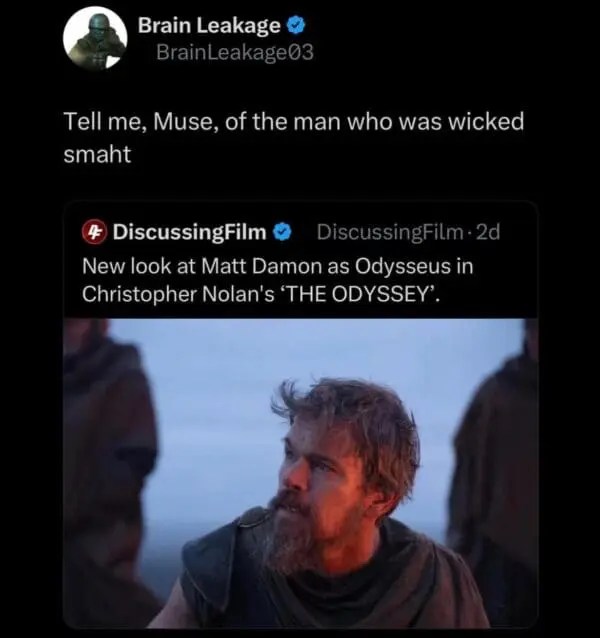
Yet as one Redditor glibly responded to this demand for historical accuracy to a fantastical myth, “I was disappointed they didn’t cast a real cyclops.”

It’s important to understand that a filmmaker as successful as Nolan is making intentional choices. I doubt he’s going against convention because he’s too lazy to read the original epic or pick up a history book.

It also needs to be pointed out that the time in which The Odyssey is said to take place (12th century B.C.) is shrouded in much mystery.

Yet there are still critics who would reply, “Okay, but why is he using Viking ships, which appeared roughly 2,000 years later? Can’t he at least stick to Greek things?”

Why the Viking Longship in an Ancient Greek Tale?
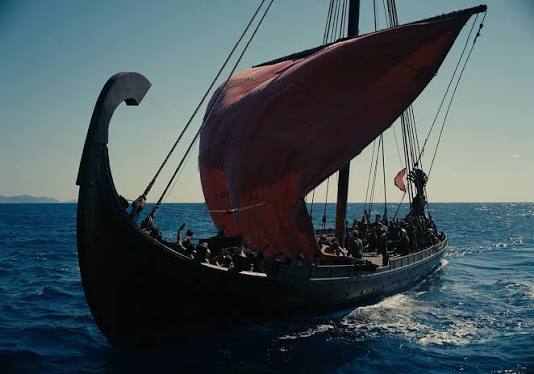
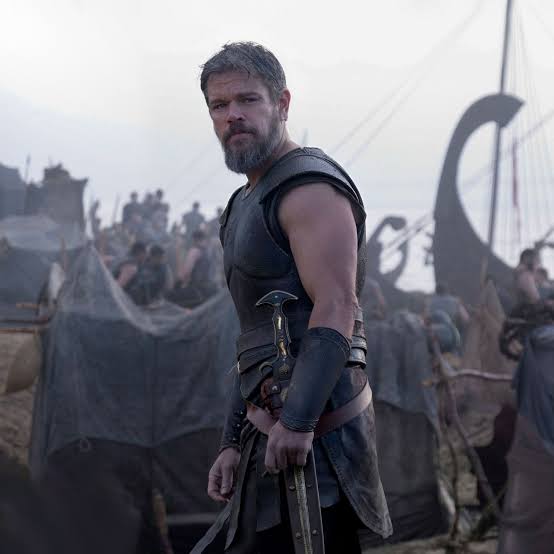
The use of a Viking longship in the movie was an intentional choice that made it easier to film the scenes on the water in real life, rather than relying on digital special effects. Specifically, Matt Damon and the rest of the crew were in the Draken Harald Hårfagre, a real-life completely functional Viking longship.

“We needed something wooden-hulled, built with ancient technology that could be out there in open ocean water, in giant swells,” Nolan told the Los Angeles Times’ Kenneth Turan. “And the Draken has crossed the Atlantic.”

So there you have it! An example of one of Nolan’s well-thought-out anachronistic choices.

Understanding Nolan’s Approach to Storytelling
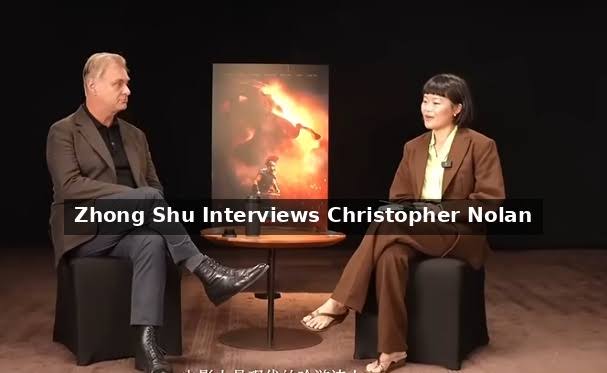
In order to understand why Nolan made the choices he did, we have to understand his approach to storytelling, and the story he was trying to tell in his version of The Odyssey.

There’s a great interview where Nolan discusses these concepts in depth: Christopher Nolan talks narrative decisions, film critics and whether he Christianized The Odyssey.

He was interviewed by political philosophy lecturer and doctoral student Zhong Shu in Beijing. She asked him challenging questions about the liberties he took with the Bronze Age epic.

Did he Christianize The Odyssey?

Did he add concepts of atonement and guilt that weren’t present in what was originally a poem quite celebratory of war?

Was this Oppenheimer’s Odyssey?

“When you talk about storytelling, you’re always in conversation with the expectations of the audience,” said Nolan. “It’s an energy that’s brought from the audience and it’s an energy that’s brought from the story itself.”

“…When we create a heroic figure as storytellers, we have to be mindful of the energy that the audience brings forward and the interaction between our intention and the way the audience receives that…Coming from a democratic or idealized philosophical state in the modern world where we want to view people as equal, do we have to apologize for greatness? Yes we do, or the audience rejects the greatness.”

In the interview, Nolan does not say that he “Christianized” The Odyssey, but that he was focused on creating a story that modern audiences wouldn’t reject. Given that our society places a high value on equality, whether that’s racial equality, gender equality, or the equality of all humankind, a hero who glories in plundering and pillaging his enemies through trickery would not be well received by modern audiences.

Bringing Timeless Archetypes to a 21st-Century Audience:
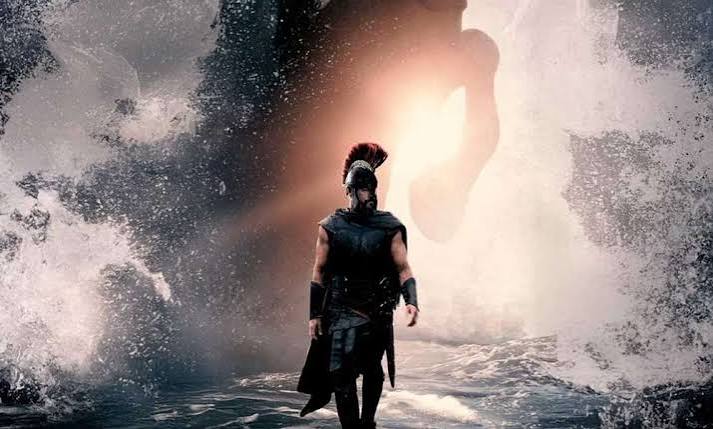
In Nolan’s interactive approach to storytelling, he’s interested in themes and archetypes that will resonate with modern viewers. Even if that means sacrificing historical accuracy on the altar of thematic impact.

It is important for us to understand the nature of archetypes and myths themselves for us to understand what Nolan was trying to do. Carl Jung viewed myths and archetypes as psychological maps: innate, universal templates residing in the collective unconscious that shape how we humans structure, interpret, and navigate reality.

In other words, archetypes are a sort of psychological shorthand to help us understand concepts that may be too complex or profound to articulate in words alone. Such as Mother Nature. Or Father Time.

Thus, more than being interested in Bronze Age historical veritas alone, Nolan is using this 3,000 year-old epic as a vehicle to transport 21st-century folks on an immersive journey through a tale of hubris, ambition, heroism, and tragedy that not only is deeply human, but resonates powerfully with our world today.

A world where politicians and billionaires are openly proud of using deception rather than decency to get ahead. Let it be known that a certain trillionaire didn’t appreciate Nolan’s “woke” Odyssey and says he’s going to use Grok to make a better one. If this strikes your fancy, similar inspiring titles you may enjoy are Paint Drying in My Basement, and Love Ballads from ChatGPT to My Fridge.

A-List Celebrities as Archetypes?
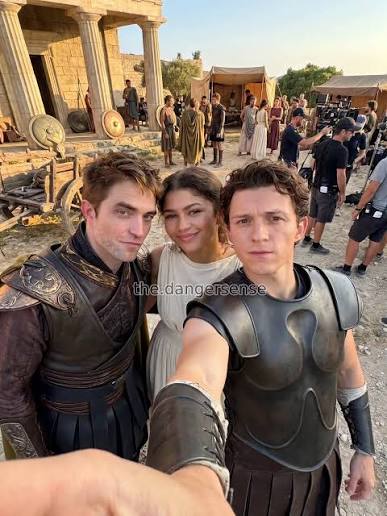
Some complained that the use of all these A-list actors with their American accents was distracting. We’re well aware that the trick the film industry uses to depict the past is British accents. Never mind the fact that Bronze Age Greeks didn’t have British accents either.

Regardless, the use of A-list actors and other celebrities who are household names with their American accents may be an intentional choice by Nolan when communicating to a 21st-century audience that lives in a world dominated by American media and has come to view many of these actors as iconic archetypes themselves. (Or maybe I’m just reading too much into this and these people all have really good representation, such as Charlize Theron, who got paid to chill on an island dressed in Survivor chic the whole time).

So what archetypes do our A-list actors represent?

Matt Damon (Odysseus) has the cinematic specialty of being trapped extremely far from home and making everyone spend enormous amounts of time and money to get him back.

Anne Hathaway (Penelope), who has also ridden off into the sunset with Matt Damon in other movies, is our archetypal smart, capable woman in an enormous situation.

Travis Scott, a world-famous rapper, is our bard who opens the movie.

Tom Holland (Telemachus) is our earnest young guy who is in way over his head but keeps going anyway.

Jon Bernthal (Menelaus) is our dangerous but damaged man who looks like he might beat you to death with his cutlery at that banquet.

Etc.
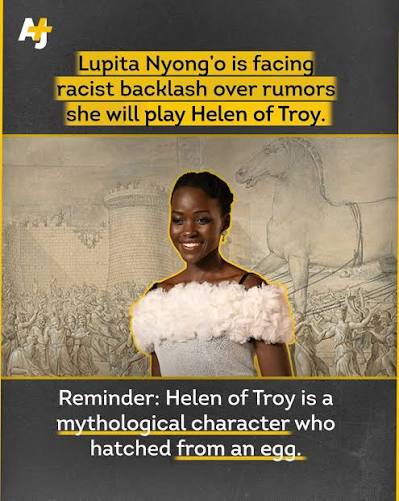
Lupita Nyong’o, recipient of People Magazine’s 2014 Most Beautiful Person award, was our Helen (our archetypal beautiful person)—much to the chagrin of Elon Musk and other perpetually online grifters who didn’t appreciate having a Black Helen. (Never mind all these pale, pasty Northern European-looking dudes who are supposed to be our swarthy Greeks).

But I digress. To me, Lupita Nyong’o as Helen was depicting someone who in addition to being physically beautiful, is also a beautiful person internally, much like Lupita Nyong’o herself who is well-known for her advocacy for women’s health and wildlife conservation.

When we see her in the banquet hall, reunited with her husband, Menelaus, he points to her face—which he’s clearly scarred half of—and, in acerbic tones, declares while this face might have once launched a thousand ships, it will now only launch five hundred.

In the movie it’s heavily signaled that Helen wasn’t “kidnapped” by Paris but went off with him to Troy as a willing lover. And that Agamemnon’s campaign to get her back was less a rescue mission than an act of political opportunism aimed at controlling Troy’s lucrative trade routes. This plays well with modern audiences who would prefer to see women as agents of their own destiny rather than mere war booty.

And here we have a thematic message that the rank opportunism and greed of Agamemnon’s war machine is scarring beauty and goodness itself. Once again, not in the original poem, but a message that resonates powerfully for the modern viewer. A message that even plays out in real time as Elon Musk decides to take time out of his day to insult Lupita Nyong’o, who never did anything to him, for the purpose of creating more outrage, gaining more views thanks to algorithms that prioritize outrage, and ultimately gaining more money at a nice woman’s expense.

What a world…

Anyways…that brings us to our next archetype.

Agamemnon—Our Aura-Maxing, Faceless Depiction of the War Machine
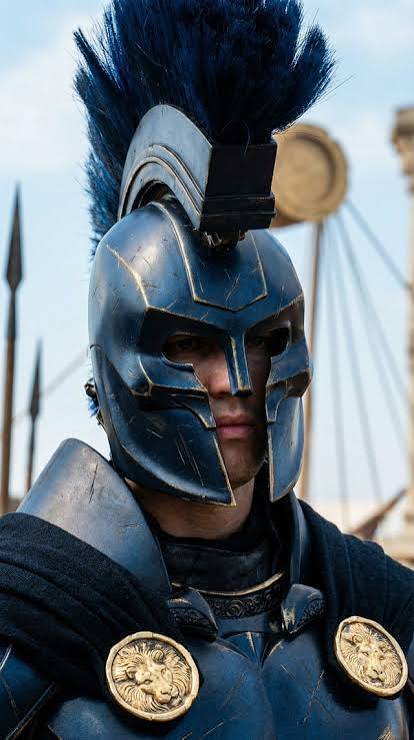
Many Reddit users noted that Agamemnon seemed to spend a good chunk of his screen time aura-maxing in his f&$king enormous black armor—mostly just standing around and making sure we got a good look at his cool fit.

Why was his face covered most of the time?

The theory is that he was supposed to represent the ominous, depersonalized face of war and the greed that can destroy entire societies (like Troy)—like some kind of Bronze Age Darth Vader.

Keeping his face covered also made him more ominous than…this guy.
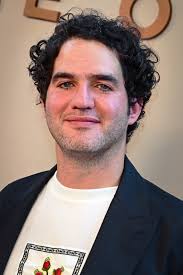
Does that look like the face of a guy who would sack Troy? I don’t think so.

Circe—The Creepiest Character I Couldn’t Help But Rooting For As a Woman

When I read The Odyssey in high school, the actions of Circe and many other divine or semi-divine characters seemed capricious and cruel. And that tracks, because much of Greek myth is s$@t happens because the Greek gods are petty, horny, bored, or some combination of the three. In many ways, KAOS on Netflix with Jeff Goldblum is more thematically on-brand with Greek myth than Nolan’s movie.

And yet in Nolan’s Odyssey, once we see the whole movie and understand the extent of what Odysseus’s men did in Troy (pillage and plunder and other sordid stuff), the series of horrors they experience afterwards comes across as a sort of comeuppance, rather than divine capriciousness. You know, like with those annoying children in Willy Wonka and the Chocolate Factory? Except instead of someone turning into a blueberry and getting a bunch of Oompa Loompas to make a song and dance about it, we get body horror with Circe cramming her fist down a man’s throat and physically sculpting him into a pig.

Although maybe when a certain trillionaire uses AI to remake his Odyssey, he’ll insert a bunch of Oompa Loompas who will sing and dance for us every time Odysseus’s men get wrecked on another island.

Interestingly enough, when Circe turns the men back into humans, she tells them to “go back to their disguises.”

The Golden Rule and Christian Morality in Bronze Age Greece?

Here’s our most prominent theme, in case you missed it after the first hundred times Zeus’s Law was mentioned.

In ancient Greece they had a concept called “Xenia,” or sacred hospitality, guest-friendship, and the moral obligation to care for travelers. This custom was overseen by Zeus, and simplified by Nolan for modern viewers as “Zeus’s Law.” In a pre-modern world where travelers were completely at the mercy of the whims of nature, which were as capricious as the Greek gods themselves, being able to rely on the decency of strangers was key to survival.

In Nolan’s interview with Zhong Shu mentioned in the beginning of this article, Nolan explains that he sees Zeus’s Law as comparable to the Golden Rule.

But wait? Isn’t the Golden Rule a Christian idea issued by Jesus who said, “Treat your neighbors as you would want to be treated?” Does this get back into the argument that Zhong Shu made that Nolan was Christianizing The Odyssey?

To paraphrase, Nolan responds that he’s not too interested in drawing a clear dogmatic line but is interested in commonality across cultures and time periods, because every civilization has had some version of the Golden Rule.

What the Greek epic poem is saying to Nolan is that civilization depends on the Golden Rule and more than that—is defined by it. He believes this ancient text speaks directly to the modern world because we live in a time where the concept of Xenia, or mutual respect, is more challenged than it’s ever been and in more obvious ways than it’s ever been, and we see the negative effects of that in terms of what defines us as a civilization and what binds us together.

What Was With the Focus on The Collapse of Civilization and the Sea Peoples? Was Nolan Making Oppenheimer’s Odyssey?

The collapse of civilization isn’t one of the central themes of Homer’s Odyssey. Nolan brings that preoccupation to the story himself. This feeds into the argument from critics that he was making “Oppenheimer’s Odyssey,” because the collapse of civilization was a key theme in that movie as well. And both movies deal with clever men who had to live with the guilt of manufacturing weapons of mass destruction—whether that weapon was an atomic bomb, or a bunch of warriors hiding in a wooden horse.

Indeed, Zhong Shu states that the time Homer’s epic poem was said to be composed (around the late 8th or early 7th century BC), Ancient Greece was experiencing quite the opposite of a collapse. This was a time of revival, when ancient Greek city-states had booming economies, populations, and even a cultural rebirth. Thus lending itself to the celebratory nature of Homer’s epic.

But in the interview, Nolan counters that while the story was composed during a celebratory period, the events that inspired the tradition of the Trojan War are generally placed around the 12th century B.C., during the Late Bronze Age collapse—a period of widespread destruction, abandoned cities, and upheaval involving mysterious groups collectively known as the “Sea Peoples.”

This is part of why the structures we see in Nolan’s Ithaca look like collapsing castles.

But who were the Sea Peoples?
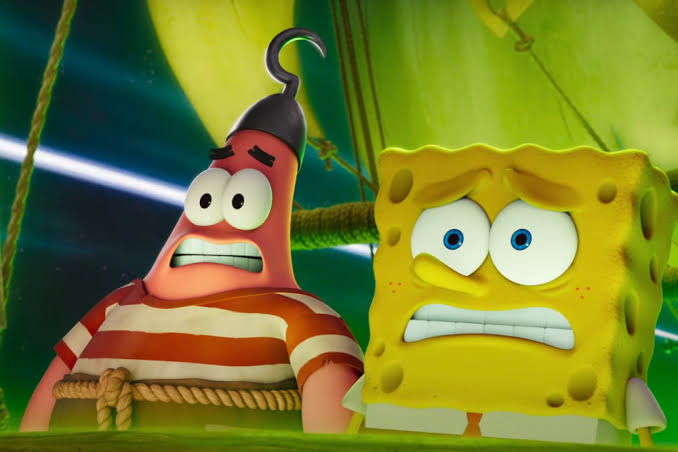
Much of the 12th century B.C. is shrouded in mystery. But the theory is that the Sea Peoples represented different groups of seafaring raiders and migrants who attacked the Eastern Mediterranean and Egypt around 1200 B.C., contributing to the Late Bronze Age Collapse.

Historians aren’t certain who the Sea Peoples were, but Egyptian records name several groups that scholars have tried to identify. Some may have been Bronze Age Greeks, while others appear to have come from places around the Mediterranean, including Anatolia, Sardinia, Sicily, and possibly Crete. One group, the Peleset, is generally associated with the Philistines, who eventually settled in Palestine.

Nolan takes an interesting liberty with this mystery of history (which definitely was not mentioned in Homer’s epic) to call Odysseus’s men “the people of the sea.”

Here, Nolan is stating a thematic truth more than a historical one. Odysseus’s men became “the people of the sea” when they violated the divine law of hospitality that kept civilization functioning. Odysseus was clever and came up with the idea of giving the Trojans a “gift” that would result in their civilization’s demise, but then he had to spend the rest of the movie living with the guilt and aftermath of this action.

Interestingly enough, it’s Robert Pattinson’s weaselly Antinous who makes the thematic statement, “Hunting is just fighting but with sneaking. Clever, but your cleverness will get you killed.” (Can we also just take a moment to appreciate what a great job Robert Pattinson did of making us hate him?)

So Were the Historical and Artistic Liberties Worth It?

For me, Nolan’s Odyssey took me on a profound emotional three-hour journey. It was raw, visceral, and you truly felt the hopelessness of Odysseus’s men lost at sea, along with the full catharsis of Odysseus’s guilt as he confesses to his wife his true actions in Troy, a confession which was made more powerful via the visuals of a burning city and the cries of its terrified citizens. And of course few of us missed the irony of Odysseus wearing Athena as a brooch while sacking her temple and killing her priestess.

Yes, Nolan did take many historical and artistic liberties with the epic for the purpose of telling a powerful story, but for me, I loved it!

Nolan turned an ancient story into a modern question about the cost of self-interest: What happens to us and to the world around us when deception becomes easier than decency and personal gain matters more than what we owe one another?
Writer Setting Guide – Y2K

“Y2K aesthetics are so hot right now – and so is the era’s existential dread.” –  Willingham, A. J.

The kids are wearing weird pants, chunky highlights are back, and silvery, space-age silhouettes are edging their way into vogue.

Like clockwork, the 20-year fashion cycle has made the late 90s/early 2000s cool again. For us millennials, this can bring back a nostalgia for our preteen/teenage years. And for the Gen Zs and Gen Alphas, this reflects a fascination with a time in which the internet did exist—but without all the doodads that make it suck (i.e. social media and smart devices).

If you’d like to write a story in this era (because you’re a Gen Z trying to impress your friends), or you’re a crusty old millennial like me who wants to take a walk down memory lane, let’s take a journey to the Y2K era. A time when dot com fever was on the rise, people messaged their friends on AIM, listened to boy bands, and liked lots and lots of plastic shiny things.

Disclaimers:

  • Don’t write toward trends for the sake of following a trend alone because trends can always change.

  • There’s only so much I can cover. I tried to cover the basics, but I’m sure there’s a lot I missed out on. I’m not writing a book y’all.

Major Events in the Year 1999:

  • Fear of the Y2K Bug: This is the obvious one to have on the list. The world experienced a widespread fear of computer shutdowns and civilization collapse due to a potential computer programming glitch known as the “Y2K Problem.” We’ll discuss this more below.

  • Bill Clinton Impeachment Trial: Let me tell ya, it was very awkward having to hear about a particular kind of white stain on the dress of the president’s intern almost constantly. The entire news cycle was dominated by talk of that stupid dress. Fun fact! My dad took me out of school to go see the president’s impeachment hearing!

  • Columbine High School Shooting: Back in 1999, school shootings were unheard of. (Oh to be back in such times, right?). So when it happened on April 20, 1999, it was all over the news. Some people were even blaming goth rocker Marilyn Manson for corrupting the youth.

  • Launch of Napster: This is a big one. On June 1, 1999, the peer-to-peer file-sharing platform was launched, forever changing music distribution. At that time, the norm was buying and listening to CDs. Napster would eventually lead to the shift in downloading music in the early 2000s. Metallica even sued Napster in 2000 for copyright infringement.

  • Big Film Releases: The Matrix, Fight Club, American Pie, 10 Things I Hate About You, and The Blair Witch Project.


What the Heck Was the Y2K Bug?

The Year 2000 Bug, or millennium bug (abbreviated as the “Y2K” bug), referred to a potential problem in computer systems.

In the early days of computers, memory was expensive, and computers generally had less of it than they do now. In order to save space, programmers abbreviated the four-digit year designation and stored only the final two digits. For example, computers recognized “98” as “1998.” So how would computers interpret “2000”?

There was a fear that when dates were moved from 1999 to 2000 that there would be massive crashes in programs that ran banking, utilities, communications, insurance, manufacturing, government, etc. There were also fears that key devices that used computer chips would fail, including medical equipment, temperature-control systems, and elevators. (Some people even said that planes would fall out of the sky!)

The theory was that when clocks struck midnight on January 1, 2000, affected computer systems, unsure of the year, would crash and worldwide chaos would ensue. Maybe civilization itself would even fall apart!

Obviously that didn’t happen (at least not in this timeline). But that would be cool if you wrote an alternative history in which it did.


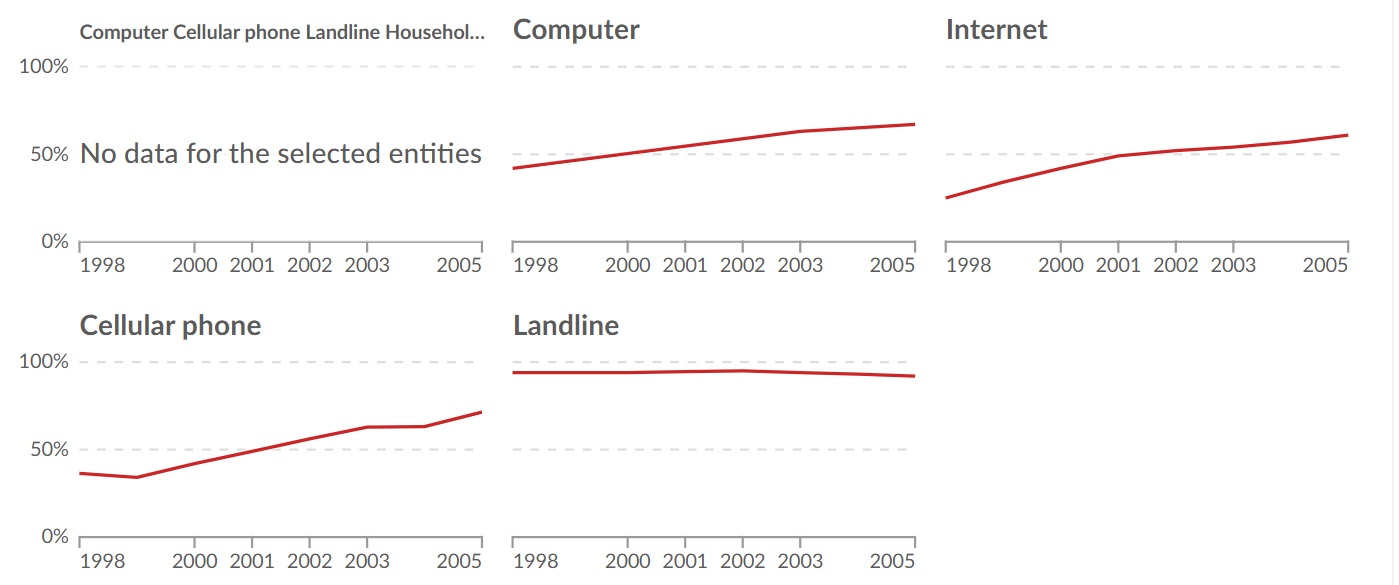
U.S. Tech Usage in the Y2K Era

(Source – Our World in Data)

Note: When people refer to the “Y2K era,” they are referring broadly to the time between 1997-2004. In this guide, my focus was prominently on the year 1999, while also acknowledging elements of the late 90s and early 2000s.

The Internet:

As you can see above, 1999 was a turning point in which internet usage started to become more common in U.S. households (it wasn’t just for nerds anymore). People began using email more (even sending out email chains that promised a curse for not continuing the chain), bidding for things on eBay, getting spam about penis enlargement pills in their inboxes (OMG you can’t believe how common that was), talking in chat rooms, sending messages to friends on AIM with abbreviations like “lol” and “brb” and emojis, searching Ask Jeeves, and many people started using websites for the first time.

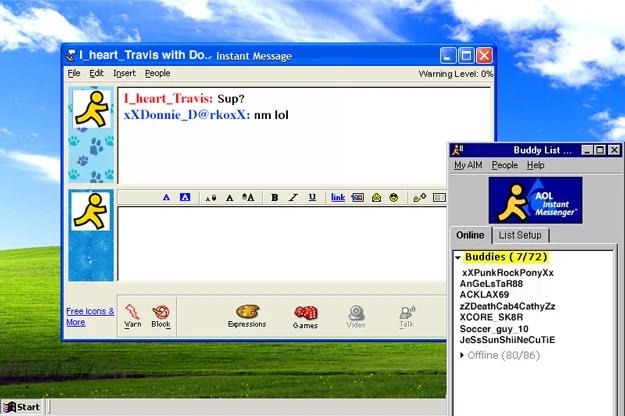
(A view of AIM from 1997 – Source)

Cyber cafes also started to emerge in this era. Though it seems they were more popular in other countries than the U.S. You could also have someone using the internet at work or school but not having access to it at home.

If you’re writing a story in the late 90s, it’s also important to understand how the internet was different than it is now. People still used dial-up, the internet came on an AOL CD, and you often couldn’t be on a landline phone and on the internet at the same time (without hearing a horrifying SCREEE EE ERRGHHH noise on the phone that sounded like a dying robot). The internet was also slower. Sometimes it could take so long for a page to load that I would get up, get a snack, and return while it was still loading. Though people were also more patient about this kind of thing since the internet was still new, exciting, and full of possibility—when it was “the information superhighway” and not a doom scrolling machine.

I think it’s significant that The Matrix came out in the year 1999, because this year marked the beginning of the shift from a more analog world to a digital one, and even an almost existential worry about where this shift could take us as a species.

SOME KEY TECH DEVELOPMENTS IN THE LATE 90s

1995 – eBay is founded.

1997 – AOL Instant Messenger (AIM) is released and becomes common by 1999.

1997 – The search engine Ask Jeeves comes out.

1999 – AOL buys Netscape. Peer-to-peer file sharing becomes a reality as Napster arrives on the internet, much to the displeasure of the music industry.

1999 – BlackBerry was introduced, a groundbreaking phone that would become an iconic device of high status businessmen and Wall Street executives.

2000 – The Y2K bug doesn’t kill us all and destroy civilization— phew!

Cellphones Were “Dumb Phones”

While cellphone usage in 1999 was still uncommon and largely dumb compared to the smart devices of today, this year represented a turning point where people were just starting to use cellphones more and cellphones were gaining more advanced features. Yet I’d say it would still be extremely uncommon for a teenager to have one. It wasn’t until the mid-2000s that it became commonplace. In general, people were more likely to call their friends on a landline, or possibly message a friend on AIM. Yet in 1999, having a device like a BlackBerry was quite a status symbol for high powered businessmen.

CDs Dominate for Music and Computer Games

(Image Source)

The CD-ROM as we know it was invented in the 80s, but it didn’t go into common use until the late 80s, when people started using it for gaming and music. In the year 1990, tape cassettes were more common for music. However, over time CDs became more prevalent than cassettes, to the point that CDs were the main way to listen to music, play computer games, and use the internet by the late 90s. Though I will mention, while use of floppy disks were becoming less common by the late 90s, people were still using floppy disks for file storage or computer programs. I remember using floppy disks up until the mid-2000s.

Also, people commonly said “CD.” Not many people casually used the term, “CD-ROM.”

VHS and DVDs

If you are wondering how people watched movies at home back then, VHS tapes were still the dominant format in 1999. However, by 2003, DVDs would finally surpass VHS.

Also, going to Blockbuster on a Friday night to rent a movie was still a popular activity among friends and family. Blockbuster is definitely a part of the Y2K era nostalgia.


Y2K Era Music

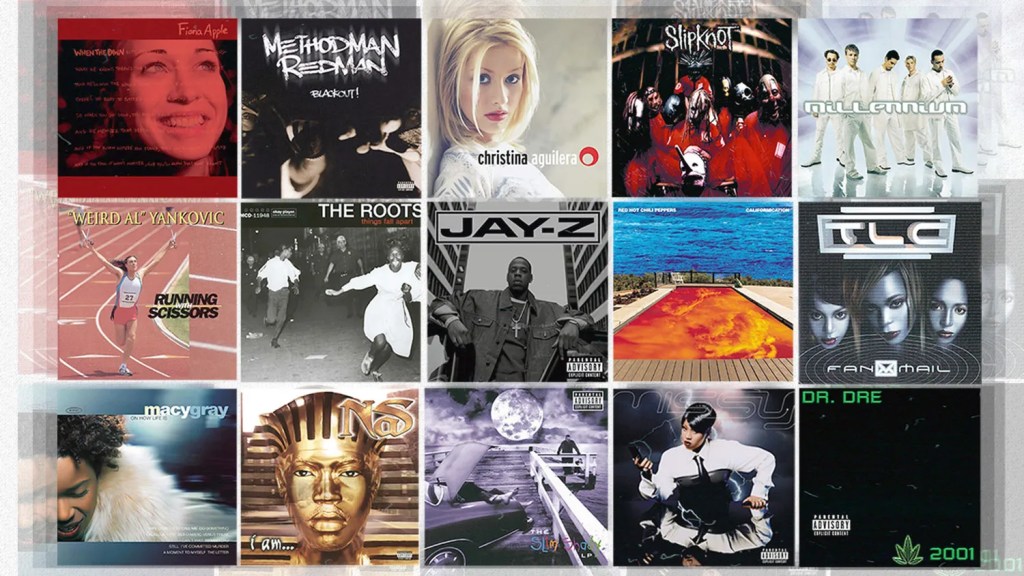
The above are hits from 1999. Image from Billoard.com.

Latin Pop Goes Mainstream: Artists like Ricky Martin, Jennifer Lopez, and Enrique Iglesias brought Latin music to the forefront of American pop culture. The year 1999 was when “Livin’ la Vida Loca” became a global phenomenon. The year 1996 is when that “Ay Macarena!” song became popular, attracting the fascination of white people everywhere (Really…I think we just stopped doing the Macarena dance at weddings like two years ago lol).

The Bling Era of Rap: By the late 90s, Hip Hop started to become more commercialized and eventually morphed into the Bling Era, which would be very popular in the early 2000s. This was a time when there were a lot of rappers wearing shiny bling and there were shiny metal backgrounds on all the MTV videos. It would be easy to mistake the sets for many of these videos for the inside of a cheese grater. In 1999 we saw the release of Eminem’s “My Name Is,” Missy Elliot’s “Hot Boys,” B.G.’s “Bling Bling,” Ja Rule’s “Holla Holla,” and Nas’s “Nas is Like.”

Pop Punk: While people have been saying “rock is dead” since the late 60s, people were really saying and feeling that by the late 90s. This sentiment was caused by the meteoric rise of pop and hip hop, along with the death of grunge by the mid-90s. And yet despite that feeling, there was an emergence of many great pop punk bands that still have staying power today. These bands include Blink-182, The Offspring, Green Day, Sum 41, New Found Glory, Good Charlotte, and Jimmy Eat World.

Nu Metal: This new form of metal began to emerge in the late 90s. Though it would really experience its heyday in the early 2000s. The most popular bands were Korn, Slipknot, Papa Roach, Staind, and P.O.D. Nu metal has elements of heavy metal, industrial music, grunge, and even rap. Technically, it’s more simple on guitar than past forms of metal (rarely featuring guitar solos), and darker in nature with lots of drop D chords (for those of you who know what that means), and guitars that even feature an extra string to accomplish a heavier/darker sound. Nu Metal can include singing, rapping, growling, and sometimes even DJs to sample elements of techno. In particular, I’m very nostalgic about this form of music because it was what I listened to as a mall crawling, Hot Topic loving goth in middle and high school.

Pop Princesses: The late 90s was dominated by the popularity of pop princesses and pop divas. There were already the established stars such as Mariah Carey, Celine Dion, Whitney Houston, and Janet Jackson. In 1996, Celine Dion’s song from the Titanic was literally everywhere—you couldn’t escape it. The Spice Girls also heavily influenced pop in the mid to late 90s. However, new teen pop icons would emerge as well. Britney Spears broke onto the scene in 1999 with her debut album Baby One More Time. Christina Aguilera emerged around the same time, establishing her own powerful voice and career. Britney Spears in particular achieved massive success with her charismatic blend of teen pop and marketable image that captured the late 90s/early 2000s zeitgeist.

Boy Bands: I kept the most obvious one last. The late 90s and early 2000s were THE golden age for boy bands. This was driven by the immense commercial success of bands like Backstreet Boys and NSYNC who dominated the airways (along with their mini-me’s such as O-Town, LFO, 98 Degrees). Part of their meteoric success was due to marketing, a focus on fashion/appearances, and even the fan clubs that popped up around the bands. Many of my friends at that time loved to talk about which guy in the Backstreet Boys or NSYNC they had a crush on (I of course was the weirdo who listened to Linkin Park and had a crush on Vegeta from Dragon Ball Z, so I didn’t care). Thanks to MTV and TRL, many young people were also watching boy bands on TV every day. For more info, check out a brief history of boy bands.


Y2K Era Looks and Fashion (1997-2004)

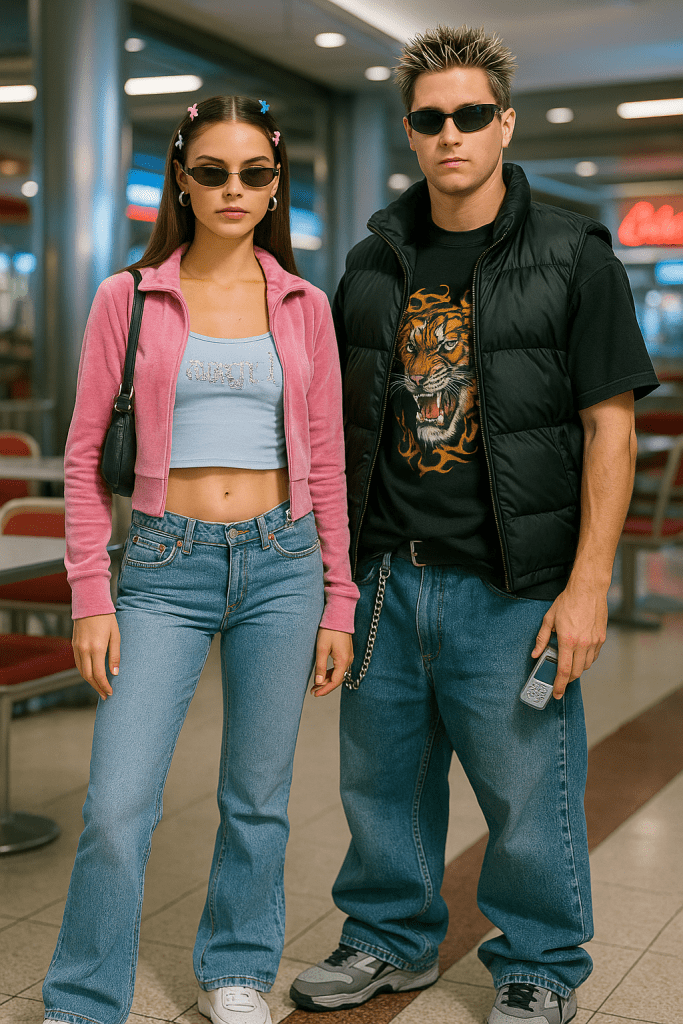
(In the image above I asked ChatGPT to capture Y2K fashion and I think it did a pretty good job. The setting at the food court is also relevant since people still hung out at malls back then).

The style in the Y2K era featured an eclectic mix of shiny metallic technological optimism with pop culture trends directly influenced by icons such as Britney Spears or the Backstreet Boys. The ideal silhouette was tight on the top and baggy on the bottom, with emphasis on showing the midriff. The ideal color palette was a futuristic shimmery, shiny, metallicness (this is a word I just made up) mixed with pop music hues of hot pink, lime green, and neon orange.

  • Fashion for Women: Low-rise jeans with a wide or flared leg, crops tops, tube tops, rhinestone/baby tees, velour tracksuits, and pants with words like “juicy” or “angel” or “princess” or “baby” on the butt.

  • Fashion for Men: Baggy jeans, graphic t-shirts, sports jerseys, and puffer vests.

  • Hair: Chunky highlights and frosted tips.

  • Makeup: Thin eyebrows (women would often wax their eyebrows), shimmery eyeshadow, lots and lots of lip gloss (you can’t underestimate how big lip gloss was!), and eyeliner was more subtle/less emphasized.

Read more about Y2K aesthetics here.


Y2K Fiction and Films

Created Recently

Y2K film (2024) – “Two high-school nobodies make the decision to crash a Y2K party. The night becomes even crazier than they could have ever dreamed when the clock strikes midnight.”

Honey a novel (2024) – “It is 1997, and Amber Young has received a life-changing call. It’s a chance thousands of girls would die for: the opportunity to join girl group Cloud9 in Los Angeles and escape her small town. She quickly finds herself in the orbits of fellow rising stars Gwen Morris, a driven singer-dancer, and Wes Kingston, a member of the biggest boy band in the world, ETA.”

10 Books to Fuel Your Y2K Nostalgia – This is a list of further books written recently, but focused on Y2K era nostalgia.

Popular Shows From the Late 90s

To understand the zeitgeist of the late 90s it’s key to watch shows like Friends and Sex and the City. Friends became popular for its timeless themes of navigating friendship (hence the name of the show), relationships, and early adulthood. It’s also experienced a re-emergence in popularity today for those who want to engage in Y2K nostalgia.

Sex and the City was also a big cultural hallmark of the time for its sex positive themes for women, which was edgy for the time. As I mentioned in my 90s Writer’s Guide, the 90s was a time in which sex positive feminism started becoming more prominent.

Popular Films

The year 1999 was when many iconic films were released such as The Matrix, Fight Club, American Pie, and 10 Things I Hate About You. While each of these films are still popular today, they also have key elements that represent something that was important at the time they were released.

The Matrix deals with greater questions about the impact of technology on reality and society.

Fight Club contends with themes of consumerism and its emptiness, masculinity or emasculation in modern society, identity crisis and alienation, and mental illness and repression.

American Pie – As I briefly mentioned in my 90s Writer’s Guide, the late 90s/early 2000s is when an era of “raunch culture” became popular, a phenomenon marked by the increased sexualization and objectification of women in the media. This can be seen in shows like The Man Show, Girls Gone Wild, and of course the film American Pie.

10 Things I Hate About You – This film is a great time capsule of teenage life in the late 90s. This includes a soundtrack that captures the pop-rock energy of the era, the fashion, the cliques and stereotypes of high school life.


Relevant Links

That’s all, folks!

If you enjoyed this guide, consider others written by Stories From Tomorrow!

Writer Setting Guide – The 90s

Game of Grunge – A Song of Rock and Hip Hop (Fanfiction on AO3)

World Building Guide for Writing Solarpunk

Here’s another article on why Y2K is hot

Y2K aesthetics are so hot right now – and so is the era’s existential dread (CNN). “The current looks scream “party,” but the vibe still whispers, “worry.” And there’s nothing more Y2K than that.”

Avatar 2 Review – Jake Sully’s Kids Need a Babysitter

(Image Source)

The Avatar sequel, The Way of Water, was overall an enjoyable movie experience. If you want three hours of breathtaking CGI along with action packed scenes, you will definitely be entertained.

However, I will say that a majority of the movie’s plot is moved forward by kids not listening to their parents.

[This review is for people who have already seen the movie. So…yes, there will be spoilers.]

Kids not listening to their parents is a common enough trope in television and movies used to move the plot forward or create tension. And if it happened once or twice in The Way of Water, I wouldn’t mind. But it happened at least 9 times!!! Let me walk you through it below. And some plot holes are detailed as well. Don’t take this as me hating on the film. I liked the film. I’m just having a bit of fun riffing on a recurrent plot problem.

  • In the beginning of the movie, we’re told that humans now want to colonize Pandora to live there. (Whatever happened to the treaty the humans made in the first movie with the Na’vi to leave the planet? Clearly the humans have violated the treaty, but…this seems to just not get addressed??? At the end of the first movie, did the humans go into cryo, go all the way back to Earth, which probably consumed immense amounts of resources and time, and then just be like…”Wait a minute!”). Anyways, Jake is valiantly leading a guerilla warfare type resistance against the humans. We see him and his people destroying a train and fighting human baddies, who have lots of cool mech armor. However, Jake’s kids are supposed to stay back and function as spotters. Instead, they Leroy Jenkins their way into battle and almost get killed. (My first thought is, if they function as spotters on a regular basis, why did they randomly do that in this battle? Is it because the plot called for it?) Regardless, Jake Sully is now pissed and tells his brood they are grounded from combat for a month.
  • After being grounded, Jake’s kids decide that this is a perfect opportunity to go wander off without adult supervision. Off in the woods all by themselves, they happen to spy the resuscitated bad guy from the first movie, Stephen Lang’s character Miles Quaritch, along with his squad. (Is there no one else in the Olo’eyktan Clan patrolling the woods?) Instead of running to safety, the kids stick around for a better look (and of course) get captured.
  • After Jake Sully and Neytiri rescue their wayward children, Jake realizes the threat to his family and abandons his post as leader of the Olo’eyktan clan (sorry not sorry Olo’eyktan clan). He decides to go into hiding . He seeks refuge with the Metkayina clan (a Maori like tribe of Na’vi who live in the water). The NUMBER ONE rule Jake tells his kids is to not get into trouble. But of course, when some of the boys in the Metkayina clan bully Kiri (Jake’s adopted daughter), her brothers step in and get into a fist fight.
  • After Jake yells at his sons once again for causing trouble, his second eldest son, Lo’ak, decides to smooth things over with the Metkayina boys by going on a excursion with them to…yes…you guessed it…a place they are not allowed to go because it’s dangerous. Lo’ak soon realizes the boys tricked him by leading him to the lair of a giant sea monster (you know, typical harmless teenage pranks, trying to get someone murdered). Lo’ak evades death by being incredibly lucky. He’s rescued by Payakan, a tulkun (a whale-shark looking species revered by the Metkayina).
  • Lo’ak’s new friendship with Payakan apparently causes tension with the Metkayina clan, because the other tulkun exiled Payakan. But of course Lo’ak doesn’t listen.
  • Meanwhile, Miles Quaritch is tasked with hunting down Jake Sully and killing him. He discovers that Jake is hiding with one of the water tribes. Miles Quaritch decides to draw Jake out by killing tulkun to anger the Metkayina. Jake Sully recognizes that this is a trap, and thus doesn’t take the bait. But of course of course of course his children don’t listen and take matters into their own devious blue hands, and once again they get captured. (I’m starting to feel like this movie should be called The Way of Not Listening To Your Parents).
  • When Jake Sully’s kids get captured, he offers to turn himself in. But as he’s making his way to the boat that contains Miles Quaritch, Lo’ak’s tulkun friend, Payakan, attacks the boat. As the humans start fighting against a tulkun, this causes the Metkayina to get angry. They loudly proclaim they are now going to battle the humans and then…valiantly disappear from the movie for the next 45 minutes, leaving Jake and his family to fight against Miles Quaritch’s forces all by themselves. The only reason I can think this happened is that the writers simply forgot that the Metkayina were in the battle.
  • Once Jake’s kids get liberated from capture, Jake tells them to go to safety, but of course, of course, OF COURSE, they don’t listen, and then get kidnapped AGAIN for a third freaking time! Is this getting repetitive yet?
  • At the end of the movie, the kids end up helping to rescue their parents by ignoring their orders to flee to safety. And then Spider (the feral human child of Miles Quaritch, rescues him in secret, and doesn’t tell anyone). Which of course opens the possibility to a third movie. I included this example with Spider because he’s like a pseudo adopted child for Jake Sully and Neytiri. It’s not so much him not listening to them, but him going against what they were trying to achieve, which is close enough.

If Jake Sully and Neytiri locked up their kids, or at least found a decent babysitter, the movie would have been about ten minutes long.

Now, despite these silly plot issues, I did legitimately enjoy the movie. I loved the environmental message. And I do think the world building was very cool. I definitely encourage people to go out and see the movie so that James Cameron can make his sequels. The Way of Water was neat because it explored a new biome in the Pandora world we didn’t see in the first movie. I would hope in the sequels we see even more diverse Na’vi and biomes. Perhaps a tundra Na’vi, or a desert Na’vi, or even Na’vi that live in caves with biolumenescent fungus. There’s many fun future possibilities to be explored. I would just recommend that Jake Sully and Neytiri get themselves a reliable babysitter before they go on any future adventures.

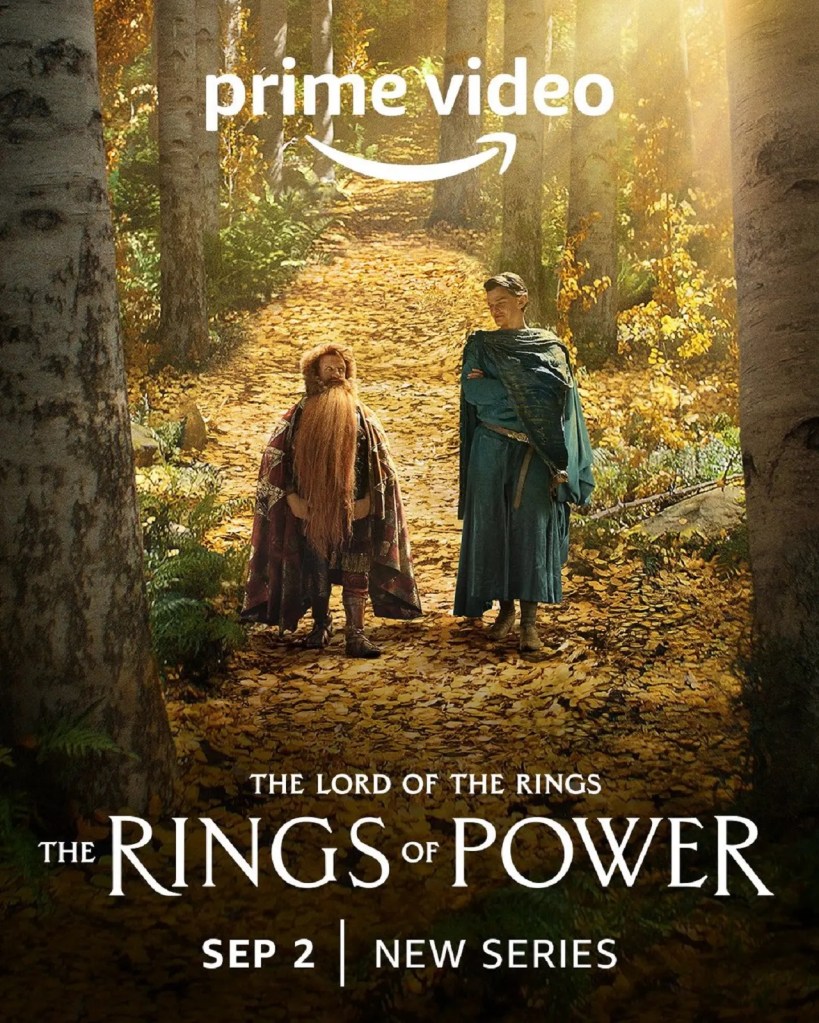
The Rings of Power is Enjoyable as Amazon Fan-fiction

There’s been a lot of hate for Amazon’s new Tolkien inspired fantasy series, The Rings of Power. ‘Rings Of Power’ Is Getting Review Bombed So Hard Amazon Suspended Reviews Entirely. On Rotten Tomatoes, while its critics score is 84%, it has a 36% audience score. This means that the Rotten Tomatoes Audience reviewers actually hated The Rings of Power more than Troll 2 (one of the most hilariously bad movies ever made).

While The Rings of Power is not the best show ever, I was honestly surprised by all the hate. I didn’t think it was Troll 2 bad.

Deciding to investigate, I scanned through about four pages of Rotten Tomatoes reviews. The reviewers said they were angry about bad writing, slow pacing and the drastic change in Galadriel’s character from wise sorceress to elf Rambo. But the biggest complaint of all was that people felt that the show was unfaithful to Tolkien’s source material.

The show itself is based on J. R. R. Tolkien’s appendices. It is produced by Amazon Studios in cooperation with Harper Collins and New Line Cinema, in consultation with the Tolkien Estate.

If you think about it, The Ring’s of Power is basically fan fiction. The show writers are using the world building Tolkien provided in his appendices, and populating it with their own plot lines and dialogue. Why? Because they are doing their work based off an appendices, not a written novel with its own dialogue and plot. So it’s just not going to be the same quality as Tolkien. We can’t expect it to be unless they can somehow bring Tolkien back from the dead and make him write it. Maybe if Amazon called the show, Amazon’s $465 Million Tolkien Fan-fiction, people would have been less upset?

If one approaches the show as fan fiction, rather than expecting it to be on the level of Tolkien, one can enjoy the show more.

While I was not blown away by the show, I was entertained enough to keep watching. I think Tolkien’s original theme of good versus evil, and corruption versus nature were intact. The New Zealand landscape was visually stunning, along with the depiction of Númenor. There’s likeable characters. I’m genuinely enjoying the friendship between Nori Brandyfoot and The Stranger (who may be Gandalf). Perhaps what the show writers are setting up is an explanation for Gandalf’s love of little people. I’m also enjoying the humorous exchange between young Elrond and the dwarf, Prince Durin. And I’m genuinely excited to see what the orcs, and their leader, Adar, are going to do next (I find them pretty interesting).

Compared to other fantasy series out there on TV, I think The Rings of Power is not bad. And given that a record breaking 25 MILLION other viewers are watching season 1 along with me, how bad could it really be? I am looking forward to watching more.

I also do think it’s getting better. Even the audience reviews (which are currently almost below freezing) seem to be thawing ever so slightly.

If I had to give The Rings of Power a rating between Valinor and the Southlands, I’d give it a rock solid Khazad-dûm.

Twilight Batman Mostly Works – Review

You’ve seen goofy Batman (Adam West), sophisticated Batman (Michael Keaton), campy Batman (George Clooney), gritty Batman (Christian Bale), and grumpy Batman (Ben Affleck).

Now in 2022, director Matt Reeves brings us emo Batman!

When I first heard that Robert Pattinson of Twilight fame was going to play the Batman, I struggled with the announcement.

Apparently I wasn’t alone. The 2019 announcement of Robert Pattinson’s casting was met with a wave of criticism by franchise fans. Over 6,800 people went so far as to sign a petition urging Warner Brothers to reconsider. Others, including Jimmy Kimmel, jumped to his defense.

For me, it was difficult imagining Robert Pattinson in a role that wasn’t a tortured emo goth. And after watching 2022’s iteration of Batman, I came away saying, “Yup! He’s still a tortured emo goth! But you know what? Oddly enough, it kinda works.”

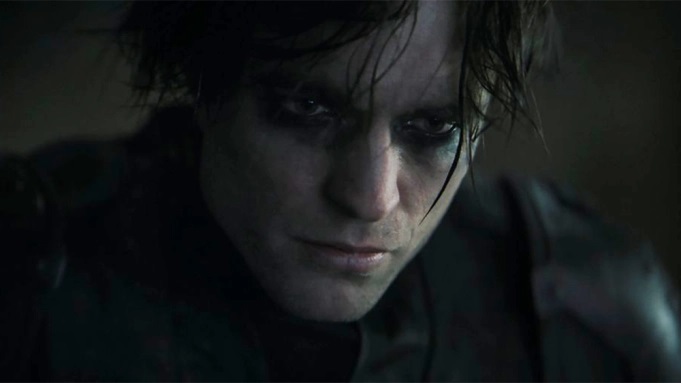
In the three hour slog of dimly lit darkness that was the darkest darkness that ever darked, I got strong Twilight vibes from Pattinson’s portrayal of a reclusive, brooding Bruce Wayne who shunned the limelight to skulk in the shadows—a Bruce Wayne with a guyliner heavy aesthetic the likes of Brandon Lee’s The Crow meets My Chemical Romance. But hey, Batman didn’t sparkle! So that’s something.

As someone who grew up watching the 1990s animated series, with a gothic, dark, somber, serious, tough and joyless Batman, Robert Pattinson’s portrayal more or less worked for me. Sure, this Batman was ’emo,’ but he was also menacing. He didn’t hold back his punches as Gotham’s ‘Vengeance.’ And the people he rescued seemed just as scared of him as the criminals he thwarted.

SPOILERS BELOW THIS LINE!

WATCH OUT!

S

P

O

I

L

E

R

S

!

Paul Dano’s Incel Riddler:

Paul Dano’s portrayal of an internet troll Riddler with his own horde of online followers ready to commit violence was something fresh, creepy and yet relatable for our time. Far different from Jim Carrey prancing around in a lime green onesie in Batman Forever, Paul Dano wears thick glasses, a home made mask, and terrorizes the citizens of Gotham with his Tik Tok esque videos. His boyish face and genuine mental illness (the likes of 2019’s the Joker) adds a creepy realism to him that made my skin crawl.

Zoe Kravitz Nails it as Catwoman

Zoe Kravitz was originally denied the role of Catwoman in Christopher Nolan’s The Dark Knight Rises for being “too urban” — in other words, for having dark skin. That was definitely their loss!

Zoe Kravitz did a great job of bringing the dangerous, simmering sexuality of Selina Kyle to the screen. While she gets saved by the Batman once or twice, she’s definitely still capable of holding her own in a fight. And yes, she has lots of cats.

Some critics say there wasn’t much sexual chemistry between Catwoman and Batman. I didn’t mind. Batman doesn’t have to be sexy. He just has to be a somber, frowning, vengeance machine in a cape and cowl. He’s lowkey attracted to Catwoman. But it’s clear that crime fighting is his first love, so he doesn’t have much room in his life for sex or romance.

Thinly Veiled Allusions to Today’s Political Reality

In the Batman universe, you have a billionaire saving the day while the people who want to overthrow the corrupt elites are the extremist bad guys. Seems like quite the plutocratic message, no?

This was why The Joker made in 2019 was revolutionary. The Waynes are actually the antagonists, while Joaquin Phoenix’s emaciated and poverty riddled Joker is shown in a sympathetic light, even if he does end up going off the deep end.

Matt Reeves’ The Batman doesn’t go nearly as far as The Joker in showing Gotham’s wealthy elite in a critical light. But it does it more so than other Batman movies in the past. Catwoman states that Batman “must be rich,” because he moralizes to her from up high on his pedestal.

One thing that was interesting about this movie is that it takes a look at the corrupt actions of Bruce Wayne’s father, while past movies have largely shown the Wayne family in a positive light.

In the end of The Batman, the protagonists are people who are trying earnestly to do their best in a corrupt system, despite the fact that reform seems like it will never come. You see this with the Batman himself, along with police commissioner James Gordon, and Bella Reál, who is running for mayor with the slogan, “Change for Gotham.” I definitely got Obama vibes from her slogan. And I suppose that allusion to the Obamas was no accident, because the actress who plays Bella Reál, Jayme Lawson, was a young Michelle Obama in The First Lady.

Bella Reál is running her campaign in a stadium that gets flooded by water (along with the rest of Gotham). The stadium becomes overtaken by the Riddlers’ army of masked internet dorks. They have given up on trying to attempt reform within the system. They just want to destroy Gotham and its elites overall, thinking it is too corrupt to be saved.

As Bella Reál’s campaign gets overtaken, you get the vibe that all hopes for reform are lost. But Batman of course triumphs. And then at the end of the movie, Batman stays in the city to help people recover from the damage. He says that he can no longer just be vengeance, but he must represent hope as well.

My Overall Rating of The Batman: B, 84%

(No, I’m not rating it ‘B’ for ‘Batman.’)

This movie did not have the stellar acting the likes of Heath Ledger or Joaquin Phoenix. So I can’t say that it was my favorite Batman. But not every movie has to be ground breaking. Overall, I did come away from it feeling entertained.

I enjoyed Robert Pattinson’s portrayal of Batman more than I expected.

I guess vampires can turn into bats after all.

New Star Trek Animated Series – Lower Decks

For the first time since 1974, there is a new animated Star Trek series, “Lower Decks.” It follows the characters who have the less glamorous jobs within Starfleet. I myself have often wondered what the rest of the crew does on the massive Enterprise ship.

Lower Decks is available on CBS All Access. It’s described as the “sillier side of Star Trek.” (Keep in mind that there is also The Orville if you want Star Trek with humor)

The reviews for Lower Decks are mixed. Some people really enjoyed it. Some people described it as out of touch baby boomers trying too hard to write humor for Generation Z. Some people asked, “Who is this show for?”

On Rotten Tomatoes the critics gave it a 61% and the audience gave it a 31%.

But of course, the only way to truly know if you like a show is to check it out yourself.

LINKS

Watch Lower Decks on CBS

Star Trek: Lower Decks makes “Second Contact” with its first episode…(Musings of a Middle-Aged Geek)

Lower Decks on Rotten Tomatoes

Lower Decks Reviews on Reddit

“Raised by Wolves” Trailer – New Post Apocalyptic Show Directed by Ridley Scott

“Mother was programmed to protect everyone after Earth had been destroyed. When the big bad wolf shows up, she is the one we must trust.”

The show is directed by Ridley Scott (at least the first two episodes) and will appear on HBO Max, September 3rd, 2020.

After binge-watching most of the good TV while stuck in quarantine, I’m experiencing a television drought. So I’m excited to see that there will finally be some new, quality television out there (I hope).

“I’m always searching for new frontiers in the sci-fi genre and have found a true original in Raised by Wolves— a wholly distinct and imaginative world, full of characters struggling with existential questions,” Scott told Deadline Hollywood in 2018 about what drew him to the project. “What makes us human? What constitutes a family? And what if we could start over again and erase the mess we’ve made of our planet? Would we survive? Would we do better?”

LINKS

Trailer for Ridley Scott’s Raised by Wolves is giving us strong Alien vibes (Ars Technica)

Raised by Wolves American TV Series on HBO (Wikipedia)

Raised by Wolves (IMDB)

Watch Trailer on YouTube

What I Learned in Dan Brown’s Masterclass

dbc_feat

By the end of this, I’m going to tell you something about myself that no one else on Earth knows…

See that, that’s an example of hooking the reader and generating suspense. This is also how Dan Brown started his Masterclass on writing, which hooked my attention immediately.

Even though I’m a Sci-Fi writer, and not a Thriller writer per se, I think there are lessons about Thriller writing that all authors can benefit from. Thrillers tend to have faster pacing and more tension than other genres, but honestly, I think all stories need tension and good pacing. It’s just a question of degree. All I know, is that when I pick up a Dan Brown novel I can’t put it down. Sometimes I’ll have issues with the characters or plot, but the man is a master of tension and pacing, there is no doubt about that.

So here is a short summary of some of the key things I learned. I’m not going to say everything, because you should pay for the Masterclass to get everything. And there’s a lot of great stuff in the class. But these are just a few of my favorite topics.


THE THREE C’S OF THRILLER: 

danbrownmovie

When writing a Thriller, or really…any novel…keep these three C’s in mind.

The Contract, The Clock, The Crucible. 

The Contract is the implied promise you make to the reader about what they’ll discover by the end of the book. For example, in Moby Dick, the promise is that the reader will find out whether or not Ahab catches the whale. It would be very disappointing if Melville left that question unanswered.

The Clock refers to the fact that adding time pressure to the character’s struggle will create higher stakes and more tension. A lot of thrillers do this by having a bomb, so there is a literal ticking clock the protagonist is working against.

The Crucible refers to your character’s struggle, a box you put them in so they have a difficult time getting where they need to be. Whenever I beta-read a story that ends up being really boring, it’s because the character doesn’t have enough (or any) struggles. Happy people doing happy things isn’t interesting. Don’t just put your character in a tree and then let them climb down to safety without struggle. What are the obstacles that make climbing down difficult for your character? Is there a beehive? Are they getting splinters? Is it a long way down if they fall? Is there something scary, and ominous waiting for them at the bottom?


GENERATING A SENSE OF MYSTERY AND SUSPENSE

dbc2

Dan Brown spoke a lot in his class about raising questions that you don’t immediately answer. Of course, there has to be a balance. Not all of us can pull a George R.R. Martin and say that “winter is coming” for like six seasons of a show before finally paying off that promise. (Does it ever get paid off in the books?)

A big mistake I see new writers doing is that they try to immediately answer every single question that pops up, or tell you everything about a main character as soon as they arrive on the page. First chapters like this read as infodumps and don’t pull me into the story. The process of pulling someone into a story is raising a question, with the tacit promise that the question will be answered in an interesting and exciting way as the reader progresses through the story.

As Dan Brown says: “Suspense is all about making promises. It’s about telling a reader, ‘I know something you don’t know. And I promise, if you turn the page, I’m going to tell you.’”


THE PURPOSE OF POINT OF VIEW (POV) – PULLING YOUR READER INTO THE STORY

angels_demons26

One thing Dan Brown said that I really like is: (I’m paraphrasing right now) well written POV makes your reader feel like they’re a character inside your story, and the reader forgets that they’re reading.

Another mistake I see from new writers is that they write in POVs that bounce all over the place. This can give the reader whiplash.

If your story needs lots of POV characters, try to have one POV per chapter, or per scene.

Personally, I like it better when there’s only one POV the whole book, but that’s just me.

If you give your POV character a strong voice and personality, this can really help to draw in the reader and provide a more colorful depiction of the world you’ve created.

Also, when choosing a POV character consider the following: Who has the most learn? Who has the most to lose? Alice in Wonderland is interesting because Alice is a stranger in a strange land. But if Alice in Wonderland was written from the perspective of the Rabbit, or the Queen of Hearts, it would be a completely different story.


HOW MANY CHARACTERS SHOULD YOUR STORY HAVE? AS FEW AS POSSIBLE

AngelsandDemons_6

Once again, not all of us can be George R.R. Martin with a cast of like a hundred something characters with impossible to remember names. It seems that High Fantasy can get away with this a little more than other genres, but most readers don’t want to think too hard, and they definitely don’t want to read a story that feels like a homework assignment.

And if one character already accomplishes a certain thing, why have two that do the exact same thing?

For example, if one character is a quirky wizard who makes sarcastic wisecracks, having two characters exactly like this would just seem redundant and unnecessary.

Or maybe you can economize. Have one character who accomplishes multiple things to downsize the need for further characters.

Too many characters is actually in the “17 Reasons Why Book Manuscripts Are Rejected.


THE NUMBER ONE MOST IMPORTANT THING – PROTECT THE PROCESS!!!

Angels-and-Demons-movie-screenshots4

“Writing a novel is not all about inspiration and craft. It is about process…about making sure that you set aside time every day to do your work.” – Dan Brown 

Protect the process and the rest will follow. 

What does Dan Brown mean by protect the process? Every successful writer has their own process. And not every writer’s process will be the same. Dan Brown’s process is that he sits down from 4am-11am everyday to write, with no connection to the internet, no distractions, and he forces himself to get up every hour to do a few brief exercises, so that he keeps himself energized.

Your process doesn’t have to be like this, but this is a process that works for him. Your job is to find what process works for you. Do you like writing in the early morning when no one else is awake to distract you? Do you like to write late at night for the same reasons? Do you jot ideas down on toilet paper and shove them into your pocket?

There’s no writer’s block. There’s simply failure to put your butt in the chair and write.

Writing is like going to the gym. We don’t always feel like doing it. But if you’re someone who is serious about getting published, you can’t just write only when you feel like it, or treat it like a hobby. You have to treat it like a job.

Also, be fiercely protective of your process. Sometimes the people you love the most will be the ones to (inadvertently) undermine your process (because they love you!). I suppose this is why a lot of writers like to write in the early hours of the morning, or late hours of the night, or go to a location where there won’t be any friends and family members around to distract them.

Of course there has to be a balance. You can’t ignore your responsibilities to your family, spouse, and friends. But if you’re serious about being a published author, you should probably try to set aside some amount of time each day (or five days a week) that are your writing time.

Dan Brown suggests committing to an amount of time rather than a word count. Some days you might feel drained, and struggle to put a mere 100 words on the page. Other days you might feel super inspired, and whip about 6,000 words together in no time flat. It’s going to vary day by day, based on your energy and creativity levels. So, it’s more important to commit to X hours, rather than X words.

Also keep in mind that it’s okay to make mistakes. You might write a scene that sucks. You might end up writing a book no one wants to read. That’s okay. You learn from your mistakes. You be kind to yourself. Reflect. Move on.

Yet the time to be tough on yourself is when it’s time to protect the process, when you wake up at the appointed time and think, I’d rather sleep in. Or when you’re struggling to write, and are tempted to binge watch the entirety of The Punisher in a single weekend. (No…I didn’t do that…Of course not.)

Mistakes will happen. And there’s no guarantee your writing will even be good. But if you commit to a habitual process, you’ll at least become a better writer than you were yesterday, and have something to show for your efforts.


If you like what you’ve read, consider getting a Masterclass subscription so you can see the rest of what Dan Brown has to say. Because he discusses much, much more, than what is merely summarized here.