“Y2K aesthetics are so hot right now – and so is the era’s existential dread.” – Willingham, A. J.
The kids are wearing weird pants, chunky highlights are back, and silvery, space-age silhouettes are edging their way into vogue.
Like clockwork, the 20-year fashion cycle has made the late 90s/early 2000s cool again. For us millennials, this can bring back a nostalgia for our preteen/teenage years. And for the Gen Zs and Gen Alphas, this reflects a fascination with a time in which the internet did exist—but without all the doodads that make it suck (i.e. social media and smart devices).
If you’d like to write a story in this era (because you’re a Gen Z trying to impress your friends), or you’re a crusty old millennial like me who wants to take a walk down memory lane, let’s take a journey to the Y2K era. A time when dot com fever was on the rise, people messaged their friends on AIM, listened to boy bands, and liked lots and lots of plastic shiny things.
Disclaimers:
Don’t write toward trends for the sake of following a trend alone because trends can always change.
There’s only so much I can cover. I tried to cover the basics, but I’m sure there’s a lot I missed out on. I’m not writing a book y’all.
Major Events in the Year 1999:
Fear of the Y2K Bug: This is the obvious one to have on the list. The world experienced a widespread fear of computer shutdowns and civilization collapse due to a potential computer programming glitch known as the “Y2K Problem.” We’ll discuss this more below.
Bill Clinton Impeachment Trial: Let me tell ya, it was very awkward having to hear about a particular kind of white stain on the dress of the president’s intern almost constantly. The entire news cycle was dominated by talk of that stupid dress. Fun fact! My dad took me out of school to go see the president’s impeachment hearing!
Columbine High School Shooting: Back in 1999, school shootings were unheard of. (Oh to be back in such times, right?). So when it happened on April 20, 1999, it was all over the news. Some people were even blaming goth rocker Marilyn Manson for corrupting the youth.
Launch of Napster: This is a big one. On June 1, 1999, the peer-to-peer file-sharing platform was launched, forever changing music distribution. At that time, the norm was buying and listening to CDs. Napster would eventually lead to the shift in downloading music in the early 2000s. Metallica even sued Napster in 2000 for copyright infringement.
Big Film Releases: The Matrix, Fight Club, American Pie, 10 Things I Hate About You, and The Blair Witch Project.
The Year 2000 Bug, or millennium bug (abbreviated as the “Y2K” bug), referred to a potential problem in computer systems.
In the early days of computers, memory was expensive, and computers generally had less of it than they do now. In order to save space, programmers abbreviated the four-digit year designation and stored only the final two digits. For example, computers recognized “98” as “1998.” So how would computers interpret “2000”?
There was a fear that when dates were moved from 1999 to 2000 that there would be massive crashes in programs that ran banking, utilities, communications, insurance, manufacturing, government, etc. There were also fears that key devices that used computer chips would fail, including medical equipment, temperature-control systems, and elevators. (Some people even said that planes would fall out of the sky!)
The theory was that when clocks struck midnight on January 1, 2000, affected computer systems, unsure of the year, would crash and worldwide chaos would ensue. Maybe civilization itself would even fall apart!
Obviously that didn’t happen (at least not in this timeline). But that would be cool if you wrote an alternative history in which it did.
Note: When people refer to the “Y2K era,” they are referring broadly to the time between 1997-2004. In this guide, my focus was prominently on the year 1999, while also acknowledging elements of the late 90s and early 2000s.
The Internet:
As you can see above, 1999 was a turning point in which internet usage started to become more common in U.S. households (it wasn’t just for nerds anymore). People began using email more (even sending out email chains that promised a curse for not continuing the chain), bidding for things on eBay, getting spam about penis enlargement pills in their inboxes (OMG you can’t believe how common that was), talking in chat rooms, sending messages to friends on AIM with abbreviations like “lol” and “brb” and emojis, searching Ask Jeeves, and many people started using websites for the first time.
Cyber cafes also started to emerge in this era. Though it seems they were more popular in other countries than the U.S. You could also have someone using the internet at work or school but not having access to it at home.
If you’re writing a story in the late 90s, it’s also important to understand how the internet was different than it is now. People still used dial-up, the internet came on an AOL CD, and you often couldn’t be on a landline phone and on the internet at the same time (without hearing a horrifying SCREEE EE ERRGHHH noise on the phone that sounded like a dying robot). The internet was also slower. Sometimes it could take so long for a page to load that I would get up, get a snack, and return while it was still loading. Though people were also more patient about this kind of thing since the internet was still new, exciting, and full of possibility—when it was “the information superhighway” and not a doom scrolling machine.
I think it’s significant that The Matrix came out in the year 1999, because this year marked the beginning of the shift from a more analog world to a digital one, and even an almost existential worry about where this shift could take us as a species.
SOME KEY TECH DEVELOPMENTS IN THE LATE 90s
1995 – eBay is founded.
1997 – AOL Instant Messenger (AIM) is released and becomes common by 1999.
1997 – The search engine Ask Jeeves comes out.
1999 – AOL buys Netscape. Peer-to-peer file sharing becomes a reality as Napster arrives on the internet, much to the displeasure of the music industry.
1999 – BlackBerry was introduced, a groundbreaking phone that would become an iconic device of high status businessmen and Wall Street executives.
2000 – The Y2K bug doesn’t kill us all and destroy civilization— phew!
Cellphones Were “Dumb Phones”
While cellphone usage in 1999 was still uncommon and largely dumb compared to the smart devices of today, this year represented a turning point where people were just starting to use cellphones more and cellphones were gaining more advanced features. Yet I’d say it would still be extremely uncommon for a teenager to have one. It wasn’t until the mid-2000s that it became commonplace. In general, people were more likely to call their friends on a landline, or possibly message a friend on AIM. Yet in 1999, having a device like a BlackBerry was quite a status symbol for high powered businessmen.
The CD-ROM as we know it was invented in the 80s, but it didn’t go into common use until the late 80s, when people started using it for gaming and music. In the year 1990, tape cassettes were more common for music. However, over time CDs became more prevalent than cassettes, to the point that CDs were the main way to listen to music, play computer games, and use the internet by the late 90s. Though I will mention, while use of floppy disks were becoming less common by the late 90s, people were still using floppy disks for file storage or computer programs. I remember using floppy disks up until the mid-2000s.
Also, people commonly said “CD.” Not many people casually used the term, “CD-ROM.”
VHS and DVDs
If you are wondering how people watched movies at home back then, VHS tapes were still the dominant format in 1999. However, by 2003, DVDs would finally surpass VHS.
Also, going to Blockbuster on a Friday night to rent a movie was still a popular activity among friends and family. Blockbuster is definitely a part of the Y2K era nostalgia.
Y2K Era Music
The above are hits from 1999. Image from Billoard.com.
Latin Pop Goes Mainstream: Artists like Ricky Martin, Jennifer Lopez, and Enrique Iglesias brought Latin music to the forefront of American pop culture. The year 1999 was when “Livin’ la Vida Loca” became a global phenomenon. The year 1996 is when that “Ay Macarena!” song became popular, attracting the fascination of white people everywhere (Really…I think we just stopped doing the Macarena dance at weddings like two years ago lol).
The Bling Era of Rap: By the late 90s, Hip Hop started to become more commercialized and eventually morphed into the Bling Era, which would be very popular in the early 2000s. This was a time when there were a lot of rappers wearing shiny bling and there were shiny metal backgrounds on all the MTV videos. It would be easy to mistake the sets for many of these videos for the inside of a cheese grater. In 1999 we saw the release of Eminem’s “My Name Is,” Missy Elliot’s “Hot Boys,” B.G.’s “Bling Bling,” Ja Rule’s “Holla Holla,” and Nas’s “Nas is Like.”
Pop Punk: While people have been saying “rock is dead” since the late 60s, people were really saying and feeling that by the late 90s. This sentiment was caused by the meteoric rise of pop and hip hop, along with the death of grunge by the mid-90s. And yet despite that feeling, there was an emergence of many great pop punk bands that still have staying power today. These bands include Blink-182, The Offspring, Green Day, Sum 41, New Found Glory, Good Charlotte, and Jimmy Eat World.
Nu Metal: This new form of metal began to emerge in the late 90s. Though it would really experience its heyday in the early 2000s. The most popular bands were Korn, Slipknot, Papa Roach, Staind, and P.O.D. Nu metal has elements of heavy metal, industrial music, grunge, and even rap. Technically, it’s more simple on guitar than past forms of metal (rarely featuring guitar solos), and darker in nature with lots of drop D chords (for those of you who know what that means), and guitars that even feature an extra string to accomplish a heavier/darker sound. Nu Metal can include singing, rapping, growling, and sometimes even DJs to sample elements of techno. In particular, I’m very nostalgic about this form of music because it was what I listened to as a mall crawling, Hot Topic loving goth in middle and high school.
Pop Princesses: The late 90s was dominated by the popularity of pop princesses and pop divas. There were already the established stars such as Mariah Carey, Celine Dion, Whitney Houston, and Janet Jackson. In 1996, Celine Dion’s song from the Titanic was literally everywhere—you couldn’t escape it. The Spice Girls also heavily influenced pop in the mid to late 90s. However, new teen pop icons would emerge as well. Britney Spears broke onto the scene in 1999 with her debut album Baby One More Time. Christina Aguilera emerged around the same time, establishing her own powerful voice and career. Britney Spears in particular achieved massive success with her charismatic blend of teen pop and marketable image that captured the late 90s/early 2000s zeitgeist.
Boy Bands: I kept the most obvious one last. The late 90s and early 2000s were THE golden age for boy bands. This was driven by the immense commercial success of bands like Backstreet Boys and NSYNC who dominated the airways (along with their mini-me’s such as O-Town, LFO, 98 Degrees). Part of their meteoric success was due to marketing, a focus on fashion/appearances, and even the fan clubs that popped up around the bands. Many of my friends at that time loved to talk about which guy in the Backstreet Boys or NSYNC they had a crush on (I of course was the weirdo who listened to Linkin Park and had a crush on Vegeta from Dragon Ball Z, so I didn’t care). Thanks to MTV and TRL, many young people were also watching boy bands on TV every day. For more info, check out a brief history of boy bands.
Y2K Era Looks and Fashion (1997-2004)
(In the image above I asked ChatGPT to capture Y2K fashion and I think it did a pretty good job. The setting at the food court is also relevant since people still hung out at malls back then).
The style in the Y2K era featured an eclectic mix of shiny metallic technological optimism with pop culture trends directly influenced by icons such as Britney Spears or the Backstreet Boys. The ideal silhouette was tight on the top and baggy on the bottom, with emphasis on showing the midriff. The ideal color palette was a futuristic shimmery, shiny, metallicness (this is a word I just made up) mixed with pop music hues of hot pink, lime green, and neon orange.
Fashion for Women: Low-rise jeans with a wide or flared leg, crops tops, tube tops, rhinestone/baby tees, velour tracksuits, and pants with words like “juicy” or “angel” or “princess” or “baby” on the butt.
Fashion for Men: Baggy jeans, graphic t-shirts, sports jerseys, and puffer vests.
Hair: Chunky highlights and frosted tips.
Makeup: Thin eyebrows (women would often wax their eyebrows), shimmery eyeshadow, lots and lots of lip gloss (you can’t underestimate how big lip gloss was!), and eyeliner was more subtle/less emphasized.
Y2K film (2024) – “Two high-school nobodies make the decision to crash a Y2K party. The night becomes even crazier than they could have ever dreamed when the clock strikes midnight.”
Honey a novel (2024) – “It is 1997, and Amber Young has received a life-changing call. It’s a chance thousands of girls would die for: the opportunity to join girl group Cloud9 in Los Angeles and escape her small town. She quickly finds herself in the orbits of fellow rising stars Gwen Morris, a driven singer-dancer, and Wes Kingston, a member of the biggest boy band in the world, ETA.”
To understand the zeitgeist of the late 90s it’s key to watch shows like Friends and Sex and the City. Friends became popular for its timeless themes of navigating friendship (hence the name of the show), relationships, and early adulthood. It’s also experienced a re-emergence in popularity today for those who want to engage in Y2K nostalgia.
Sex and the City was also a big cultural hallmark of the time for its sex positive themes for women, which was edgy for the time. As I mentioned in my 90s Writer’s Guide, the 90s was a time in which sex positive feminism started becoming more prominent.
Popular Films
The year 1999 was when many iconic films were released such as The Matrix, Fight Club, American Pie, and 10 Things I Hate About You. While each of these films are still popular today, they also have key elements that represent something that was important at the time they were released.
The Matrix deals with greater questions about the impact of technology on reality and society.
Fight Club contends with themes of consumerism and its emptiness, masculinity or emasculation in modern society, identity crisis and alienation, and mental illness and repression.
American Pie – As I briefly mentioned in my 90s Writer’s Guide, the late 90s/early 2000s is when an era of “raunch culture” became popular, a phenomenon marked by the increased sexualization and objectification of women in the media. This can be seen in shows like The Man Show, Girls Gone Wild, and of course the film American Pie.
10 Things I Hate About You – This film is a great time capsule of teenage life in the late 90s. This includes a soundtrack that captures the pop-rock energy of the era, the fashion, the cliques and stereotypes of high school life.
Relevant Links
That’s all, folks!
If you enjoyed this guide, consider others written by Stories From Tomorrow!
Why write a story in a swamp? Aren’t they smelly places full of mosquitoes, gators, and Florida Men?
Last month I put together a comprehensive guide on the fiction genre our world desperately needs—solarpunk! A genre of fiction that envisions humanity, technology, and nature all coexisting in a utopian way.
As an add on to the previous article, I wanted to write another guide geared toward writers or gamers depicting a solarpunk world in a swamp-like, or wetland setting.
Why? I don’t know. Maybe it’s my Florida Woman side shining through? Or maybe it’s because the solarpunk genre recognizes that the beauty of the natural world takes on many diverse forms. As someone who spent summers as a child canoeing through wetland environments, I am intrigued by these landscapes full of above ground roots, alligators, colorful water lilies, and towering cypress trees.
But here’s a more indepth response to the question, Why create a story in a swamp?
Swamps as a Place of Refuge: Throughout U.S. history for example, swamps have been a place of refuge for both Native Americans, and run away slaves. While swamps are not ideal places to live, both of these populations found creative ways to make it work. In a solarpunk story, this could take the form of a band of anarchists taking refuge in a swamp in order to resist the corruption of a surrounding capitalist society.
Exotic Swamp Worlds: Given that swamps and wetlands have an exotic, otherworldly quality, they can be a great way to also create an exotic world on another planet.
Natural Hazards: Swamps can be a way to create conflict in a story, given their many hazards. They can be a perilous transition zone a character goes through on a journey.
The Darker (Sludgier) Side of Nature: Solarpunk is typically sunny and full of optimism, but perhaps “Swamp Punk” could represent another necessary side of nature, the sludgy not so pleasant side that is full of peril, darkness, death, decay, and mystery. A group of humans learning to live in harmony with a swamp, or wetland environment, could show the human endeavor to coexist, and even celebrate nature’s more macabre side, not as an evil thing, but in understanding that death and decay are necessary parts of life.
So without further adieu, here you go!
First off, does “Swamp Punk” as a subgenre of solarpunk actually exist?
There aren’t many well-known “solarpunk” stories specifically set in swamps, but there are a few stories of varying genres that touch on similar ecological and aesthetic territory—lush, humid, waterlogged environments where nature is powerful and human systems must adapt.
The Drowned Cities by Paolo Bacigalupi: This book is YA dystopia. So it does not have the sunny, optimistic, utopian setting of the solarpunk genre. But it does touch on the themes of ecology and survival in a swamp or jungle-like setting. “In a dark future America where violence, terror, and grief touch everyone, young refugees Mahlia and Mouse have managed to leave behind the war-torn lands of the Drowned Cities by escaping into the jungle outskirts. But when they discover a wounded half-man—a bioengineered war beast named Tool—who is being hunted by a vengeful band of soldiers, their fragile existence quickly collapses.”
Books likeA Land Rememberedor Forever Islandby Patrick D Smith are historical fiction, rather than sci-fi. But in absolutely beautiful and intricate language, they bring the Florida wetlands to life. These books also depict the ingenuity and courage of the Seminole Indians who built a life in the swamps, engaged in a resistance against the Trail of Tears, and then later, resisted efforts of developers to steal and destroy their land. Thematically, that is quite solarpunk indeed!
There are quite a few stories written in the turn of the century by the sci-fi author, Robert A Heinlein, in which he depicted swamps on Venus. As I discussed in my World Building Science Fiction – Venus guide, early pulp science fiction (1930 -1950) often portrayed Venus as a lush paradise full of jungles, swamps, Amazonian women, and even dinosaurs. It wasn’t until the 1960s that scientists discovered that Venus was super hot and that the clouds are made out of sulfuric acid.
To write fiction in a swamp, one should be aware of what specifically constitutes a swamp, and what some of its key ecological features are.
A swamp is a type of wetland. A wetland (true to its name) is a very wet land where the ground is saturated in water either permanently or seasonably. A swamp is a forested wetland. This is the key difference between a swamp and a marsh. Swamps are dominated by trees while marshes are dominated by grasses and other non-woody plants. Swamps also have deeper standing water (a great breeding ground for mosquitoes and other fun six-legged friends!)
Swamps are considered transition zones because both water and land play a key role in this environment.
While I have to be careful to prevent this from turning into a Wikipedia entry, I just want to cover some basic, core features of a swamp.
Tree roots that protrude from the ground: A particularly interesting, and visually distinctive feature of swamps is that they have tree roots that protrude from the ground. These above the ground roots are an adaptation to waterlogged, low-oxygen soil, where normal roots wouldn’t get enough air to function. An example of this are the knobby looking “knees” of bald cypress trees (commonly seen in Florida), the vertical “snorkel” roots of Black Mangrove trees (which protrude out of the ground like a snorkel), the stilt roots of Red Mangroves, and the Buttress Roots (large, wide roots on all sides of a shallowly rooted tree) seen in African and Amazonian swamp forests.
Bugs and lots of them! You are probably already aware that these water logged environments make a great home to mosquitoes and dragonflies. Other common bugs are water striders (that skim or walk on the surface of water), deer flies (painful biters active in daylight), ants, termites, beetles, butterflies, moths, gnats, and a type of insects commonly called “No-See-Ums,” incredibly small, almost impossible to see sand flies that swarm in the humid air and love to bite. But while people may call them no-see-ums, you’ll certainly feel them when they bite!
Hammocks. No, not the kind you lie in. A hammock is a slightly elevated area of dry land—often just a few inches to a few feet higher than the surrounding wetlands—that allows different types of plants and trees to grow, usually hardwoods. These areas act as ecological islands within the swamp or marsh.
Food: For those who live in or near swamps or other types of wetlands, they can eat catfish, tilapia, frogs, alligators, crocodiles, crawfish, mussels, clams, honey, snails, duck, herons, egret, or game birds. Edible plants include cattails, wild rice, pickerelweed & arrowhead (duck potato), palmetto hearts, muscadine grapes, pecans or hickory nuts, mayhaws, and swamp apples (wild crab apples).
WARNING!!!: Some fruits, like pond apples, have poison seeds. So this is obviously not a real life survival guide. Do research elsewhere if you are going to figure out what you can eat in a swamp…Yet the poison seeds could make a great source of tension in a story.
If you are curious about traditional dishes someone might make from content they have collected from a swamp, look into Cajun/Creole cuisine, or the diets of indigenous groups that have historically lived in or near swamps.
Medicinal plants include elderberry (a great immune system booster), along with swamp milkweed which thrives in clay soil and is poisonous, but has historically been used in small amounts for purging and killing parasites…once again, don’t use this article as your guide before signing up for the Florida Redneck version of the Naked and Afraid, this is for fiction only, people!
Human activities in a swamp include hunting, trapping, and fishing. However, swamps historically have had low property values compared to fields, prairies, or woodlands because they have a reputation for being “unproductive land” that cannot be easily used for human living or farming activities.
Thus farmers commonly drain the swamps next to their fields to gain more usable land for crops. Human development has often resulted in the destruction of swamps, destroying ecologically biodiverse habitats that are home to a wide variety of plant and animal life.
Real World Places Where a Swamp Punk Story Could Take Place:
Bayou Country USA: An ecological landscape of slow-moving rivers, swamps, and cypress groves along the Gulf. The term “Bayou Country” is closely associated with Cajun, Creole, and French settler cultural groups. The term may also be associated with the homelands of certain Choctaw tribal groups.
The Everglades (Florida, U.S.) A vast subtropical wetland of sawgrass prairies, mangrove forests, and slow-moving waters stretching across southern Florida. The Everglades are home to a wide array of wildlife (such as panthers, manatees, alligators, turtles, ibis, etc.) There area is tied to the histories of the Miccosukee and Seminole peoples.
The Okavango Delta (Botswana) A sprawling inland delta of winding waterways, seasonal floodplains, and papyrus reed beds in northern Botswana. The Okavango is a rich African ecosystem that is home to elephants, hippos, crocodiles, and countless bird species. The Okavango Delta peoples consist of five ethnic groups: The Hambukushu, Dceriku, Wayeyi, Bugakhwe, and ǁanikhwe.
The Sundarbans (India/Bangladesh) A mangrove forest area in the Ganges Delta straddling the border of India and Bangladesh. This region is home to dense networks of rivers, mudflats, and salt-tolerant mangrove forests, as well as Bengal tigers, crocodiles, and migratory birds. People who live in the Sundarbans include Bengali communities, the Munda, and Mahato. Life involves adapting to the region’s shifting tides and monsoon rhythms.
The Pantanal (Brazil) The Pantanal encompasses the world’s largest tropical wetland area. It is located mostly within Brazil, but also extends to parts of Bolivia and Paraguay. The region is home to jaguars, capybaras, caimans, giant otters, and several bird species. The Pantanal has been home to a variety of different indigenous peoples who have historically been resourceful at adapting to this semi-aquatic environment. This includes the Paiaguá “Canoe Indians”, the Terena who were accomplished farmers, and the Guaicurú.
Powerful Uses of Swamps and Other Wetlands in a Solarpunk World:
Anti-flooding defense: Swamps and other wetlands are a natural defense against flooding and provide great flood management. For instance, when flooding occurs, swamps are like a natural sponge that absorbs and use the excess water in the wetland, preventing it from spreading to the surrounding areas. Thus in a solarpunk story, it could be interesting to show a more advanced and empathetic humanity cultivating swamps as a defense against flooding (especially flooding caused by global warming).
Water, pollution, and carbon purification: Wetlands act as natural water purifiers. They filter sediment and absorb pollution. Development and agriculture contribute extra nutrients, pesticides, and silt to local waterways. Wetlands trap and filter these impurities, helping to maintain healthy rivers, bays, and beaches. Salt marshes, seagrass beds, and mangroves also play an important role in addressing climate change by removing greenhouse gases like carbon dioxide from the atmosphere and storing them in plants and in the soil. “Coastal blue carbon” is the term used for carbon that is stored in these coastal habitats.
Sustainable fisheries: If you love seafood, thank a coastal wetland for your favorite dish. Coastal wetlands are some of the most productive ecosystems on Earth when it comes to seafood. In 2018, U.S. commercial and recreational fisheries supported 1.7 million jobs and contributed $238 billion in sales. Thus in a solarpunk setting, wetlands could be a useful source of sustainable seafood.
Tourism, Recreation, and Spiritual Reflection: In a solarpunk world, the natural world isn’t seen a tool for human use. Humans and the natural world learn to coexist. Humans in this setting would also learn to appreciate the deep awe and beauty of a place like the Everglades. They’d find ways to explore and engage with that beauty without harming the ecosystem. This could include canoeing along quiet waterways, hiking on raised boardwalks, birdwatching among mangroves, or sitting in stillness beneath moss-draped cypress trees.
Tech, Infrastructure, Clothing, and Other Useful Items in a Swamp Punk Setting:
As I mentioned in my original Solarpunk Worldbuilding Guide, solarpunk doesn’t have to be high tech. It can often come in the form of a “low-tech renaissance,” or “cottage core.” If there is a simple, low tech way for people to live in harmony with the environment without exploiting too many resources, then all the better.
So some of these are not high-tech solutions. They are simply looking at what has worked for cultures that were historically connected to wetland areas. However, there is also some high tech thrown in here as well.
🛖 Housing and Settlement
Stilt Houses and Raised Platforms
Built on stilts or mounds to stay above seasonal floodwaters.
Found among the Bayou tribes (e.g., Chitimacha) and in Amazonian wetland cultures.
In the Sundarbans, people build homes on slightly elevated earthen platforms.
Dealing With Mosquitoes
In any wetland setting, mosquito netting will be essential for preserving a character’s sanity.
Mosquito-Repelling Gardens: Swamp homes could be surrounded by plants like citronella, lemongrass, marigold, lavender, and basil to create natural bug buffers.
Bioluminescent Bug Lures: Lights powered by algae or fungi could draw bugs away from dwellings and toward trap zones or pollinator gardens.
According to the Orlando Sentinel, the Seminole Indians (the indigenous people of Florida) used a variety of methods to repel mosquitoes which included throwing certain plants into a fire and standing in the smoke, rubbing gar fish oil on the skin, migrating during peak mosquito season (May and June), and potentially developed a tolerance over time.
Solar Canopy Roofs
Broad, angled roofs equipped with solar panels that double as shade structures and water collectors. Panels could be bifacial to absorb light from above and the reflected water below.
Rainwater Harvesting and Filtration
Gutter systems feed into cisterns below the house, paired with natural filtration units using sand, charcoal, and local wetland plants.
Chinampas (Floating Gardens)
Used by the Aztecs in swampy areas of central Mexico.
Constructed from layers of mud, vegetation, and reeds to create fertile floating plots.
Alligator or Crocodile Farms
Alligator or crocodile farms would be a way to breed and raise alligators/crocodiles for meat, leather, and other goods. In the solarpunk story, “A Field of Sapphires and Sunshine” by Jaymee Goh, published in Glass and Gardens: Solarpunk Summers, a crocodile farm is used in a controversial way to dispose of bodies (great tension!).
Mound Building
Tribes like the Muskogee (Creek) and Mississippian cultures created large earthen mounds for ceremonial and residential use in flood-prone areas. The mounds could also be used to preserve important items from flooding, such as seed libraries or conventional book libraries.
🛶 Transportation and Mobility
Canoes and Dugouts
Swamps are naturally difficult to traverse by foot, socanoes built from hollowed logs or woven reeds are useful for transport. The Miccosukee and Seminole people of Florida are known for using dugout canoes in the Everglades.
Airboats:
Many people today in wetland areas also use airboats, which glide over the waterline. Gliding allows them to do less damage to the environment and animal life.
Solar Powered Boats:
Since 2016, the Indigenous Achuar people have navigated solar-powered boats along the Amazonian waters of eastern Ecuador. These boats are large canoes covered with a roof of glossy black solar panels that soaks up the bright light of the Amazonian sun. The solar panels on these boats also help power the electricity in Amazonian rainforest villages. This has been a critical way to offer development without deforestation, because the people can travel by river instead of cutting down trees to build roads.
Raised Walkways or Log Paths
Temporary or seasonal paths laid with logs, brush, or woven mats made out of palmetto fronds to allow foot travel across wet areas.
🧵 Swamp Punk Clothing: Materials & Features
Woven reeds or cattails – for belts, sandals, basket-armor, or lightweight hats.
Palm or palmetto fibers – used like raffia to make breathable skirts, wraps, or hooded capes.
Moss-dyed linen or hemp – cool, breathable plant-based fabric grown on hammocks or traded from highland zones.
Mycelium leather – water-resistant, compostable, and grown from fungi—used for boots, satchels, or armor plating.
Water hyacinth fibers – invasive in many swamp areas, but can be spun into rope, mats, or textiles.
Layered wraps and drapes – allow airflow while protecting from bugs and sun.
Arm and leg gaiters – made from waxed cloth, moss-treated fiber, or mycelium to keep leeches, mosquitoes, and swamp debris off.
Wide-brimmed hats and neck veils – woven from palm fronds or reed fibers, often coated in natural insect repellents.
Knee-high boots or foot wraps – made from sealed plant fibers, fish skin, or upcycled rubber for navigating muck.
Gator or snake hide for leather clothing, hats, and boots.
Scavenged animal feathers, teeth, and claws for decoration.
⚡ Energy
Floating Solar Rafts
In my article, Five Real Life Examples of Solarpunk?, I discussed the real life use of solar islands, floating solar islands that collect sunshine and convert it to energy. Wetlands areas with vast waterways, and plenty of sun exposure, could use these to collect energy.
Biogas from Anaerobic Soil and Swamp Grass
As mentioned above in this article, swamps and other wetlands have been often dubbed as poor areas for human development due to the fact the soil is low in oxygen, or is anaerobic. Thus, not much traditional agricultural activity can take place. However, this would make swamps a great place for a process called anaerobic digestion, which can be used to produce biogas. This is a process in which microbes break down organic matter and release methane. Methane gas can be used for used for cooking, heating, and even small-scale electricity generation.
Swamp grasses like elephant grass, cattails, and giant reeds are excellent resources for biogas production. They produce a large amount of biomass per unit area, which translates to a significant amount of biogas. The organic matter in these grasses is easily broken down by anaerobic microorganisms, resulting in efficient biogas production. They also don’t compete with food crops for land, making them a sustainable option for bioenergy production.
Compact, dome-shaped biogas collectors could be nestled near homes or community kitchens, and fueled by compost, swamp vegetation, swamp grass, or waste.
Turn Mud Into Energy!Plant Microbial Fuel Cells
Plant-Microbial Fuel Cells create electricity using living plants and the bacteria in the soil. As plants grow, they make food through photosynthesis. Some of that food—up to 70%—is sent out through their roots into the soil. Bacteria eat this leftover material and, in the process, release tiny electric charges called electrons. Scientists place special electrodes near the roots to collect those electrons and turn them into usable electricity.
Swamps are especially well-suited for Plant-Microbial Fuel Cells (PMFCs) because their natural conditions already support the key elements these systems need to work well. They are wet, which provides good electron conductivity and bacterial growth. The anaerobic soil in swamps is also great for bacterial production. See more at Turn Mud into Energy With a Microbial Fuel Cell.
Kinetic and Water-Based Systems
Canoe docks, fishing platforms, and suspended walkways could be outfitted with kinetic pads or treadle-powered devices that convert foot traffic and movement into usable energy.
Micro-hydro turbines hidden in slow-moving creeks could provide continuous trickles of power without disturbing aquatic life.
I hope you enjoyed this guide!
Feel free to comment if you feel like there are any important points I missed or should add.
If there are other solarpunk biomes you’d like me to create guides for, please suggest some.
And as always, don’t forget to share, like, and subscribe.
Ever since cyberpunk took off, there’s been more literary “punk” genres than you can throw an oversized—but super cool looking—pair of goggles at. Steampunk, Dieselpunk, Atompunk, Solarpunk, and even something called Clockpunk. I was thinking about writing a post on this topic, but then found that Sorcerer of Tea already put together a pretty comprehensive guide. (Impact-Site-Verification: 6abe77d2-3f5b-4cac-88cd-70d0d609798b)
For those of you who are interested in reading or writing military fiction (the same genre which brought us Starship Troopers and Ender’s Game), check out Bullet Points Magazine! They are accepting submissions!
They are a military fiction magazine that captures the complexity, tragedy, and hope of warfare and violence in human and nonhuman society.
My story, “The Bee Wrangler,” just made it into their AI edition.
The 9th edition of Bullet Points Magazine explores AI in warfare from multiple angles: AI run amok (in some very unexpected ways), the loyalty of AI on the battlefield, or more reflective uses of AI after the fighting has stopped, and sometimes, the real fighting begins (as explained in the magazine’s introduction). There’s also a funny story about sentient bullets.
“The Bee Wrangler” depicts the tale of a former drone operator trying to overcome the trauma of war by using the military tech installed in her brain in a quite unexpected way—to save the bees!
In honor of Earth Month, I wanted to put together a guide for the literary genre our world needs right now. Solarpunk!
Right now we’re living in an era where it’s hard not to feel gloomy. The term “doom scrolling” is popular for a reason.
But what if instead of using our mental energy to doom scroll, we used our imaginations to conceive of a better future, where nature, technology, utopia, and human compassion came together to build a better world, a brighter world full of hope and optimism.
Enter Solarpunk. Solarpunk is a literary and artistic movement that envisions a sustainable future interconnected with nature and community. Contrary to the tech and capitalist heavy themes of Cyberpunk, Solarpunk imagines a world where we’ve evolved beyond hyper consumerism, and we have learned to live with nature in harmony. For this reason, Solarpunk is not just a fun read, but it’s often a call to action in our world to build a better future.
The term “Solarpunk” was coined in 2008 in a blog post titled “From Steampunk to Solarpunk.” The term combines the words “solar” and “punk”: “Solar” represents a world more reliant on solar energy, but the connotation of the word can also evoke a bright and sunny world full of vibrant colors and optimism. The word “punk” alludes to a grouping with other fiction subgenres, such as cyberpunk, dieselpunk, and steampunk; it also refers to a DIY (Do it yourself) counter culture.
(The above image is creative commons licensed and can be found here)
Impactful Quotes About Solarpunk:
“Dystopian stories surely have a place, as a warning, but sometimes I feel like I’ve been warned enough. I want to know what to do in the face of despair, to not only avoid being crushed, but to reach for brighter skies. In times like those, I look for books that are part of an expanding genre — and a growing social movement — a counternarrative that has infused my days with hope. More and more lately, I find myself reading solarpunk.”
A new movement in SF that examines the possibility of a future in which currently emerging movements in society such as green movement, Black Lives Matter movement, and certain aspects of Occupy Wall Street coalesce to create more optimistic future in a more just world.
The ethos of Solarpunk represents a world that has evolved beyond material capitalism.
It is a world in which knowledge sharing and resource sharing are encouraged. Technology has an open-source model.
The focus of this genre is often on local communities rather than globalism. Businesses often have a worker-owned model.
Popular Themes:
The following themes are popular in the world of Solarpunk.
Environmentalism
Renewable energy and sustainable tech.
DIY (Do It Yourself), ingenuity, localized resilience
Social justice
Feminism
Optimism
Historically marginalized communities, such as BIPOC and LGBTQIA+ folk are highlighted. Non-Western cultures are also highlighted
Animal rights
Localism over globalism, decentralization
Long term designs over built in obsolescence
Eco-anarchism and eco-socialism
Post capitalist, post scarcity societies, universal basic income, anticapitalism, anti-greenwashing
Antiwar
Artistic Inspiration:
The artistic genre of Solarpunk often uses the Art Nouveau style. Art Nouveau, which means “new art” in French, is an international ornamental art style that flourished from about 1890 to 1910, characterized by flowing, organic lines, floral and plant-inspired motifs, and a focus on integrating art into everyday life. “In particular, Art Nouveau became an aesthetic touchstone for solarpunk…not only because of its penchant for earthy, organic forms, but also because it’s both ornate and approachable, according to Rosie Albrecht, editor of solarpunk zine Optopia (source)”
The Solarpunk aesthetic also makes heavy use of bright colors and is often inspired by Studio Ghibli movies, particularly Castle in the Sky and Nausicaä of the Valley of the Wind.
1800s age-of-sail/frontier living (but with more bicycles)
Jugaad is a concept of non-conventional, frugal innovation in the Indian subcontinent. It includes innovative fixes or simple workarounds, solutions that bend the rules, or resources that can be used in such a way. It is considered creative to make existing things work and create new things with meager resources.
Stained glass windows used as solar panels.
Solarpunk Fashion
Sustainable
Thrift clothes
Recycled uniforms and armor
A love of nature shines through (flowers, animals, plants)
Practical
Includes diversity of cultures
Ideas for Tech:
When thinking about how tech functions in a solarpunk world, it’s not merely enough to slap some solarpanels on a roof and call it a day. Technology does not exist in a vacuum. We must also consider how it’s used and extracted by the culture of the society it exists within. For instance, under an imperialist-fascist state, solar panels do nothing to change the exploitative relationship between humans and the planet. Plundering the natural world and using abused workers to create electric batteries or solarpanels is not solarpunk.
So technological solutions within a solarpunk literary world must be integrated into ideas of humane relations with our fellow human beings and the planet. Solarpunk also isn’t always high or low tech. It depends upon the context and the culture it exists amongst. Much like our current world, the applications of the technology could be extremely diverse.
Solarpunk isn’t “anti-tech”, but it doesn’t romanticize technology either.
Two criteria for uses of solarpunk tech are the following: Is it equitable Is it sustainable?
Examples of solarpunk tech:
Below I’m going to generate a collection of ideas you can expand upon in your own stories. I’m not claiming the list is perfect. I’m sure there are ways that some of the items here could potentially be used in an exploitative way if it gets in the wrong hands, but such is human nature. Humans are gonna human. If anything, that could be a great source of tension in your story.
⚡️Energy Tech
Transparent Solar Panels – integrated into windows or even wearable fabrics.
Personal Wind Turbines – compact vertical-axis turbines for urban rooftops or balconies.
Algae Bio-reactors – used on buildings to generate energy and purify air.
Piezoelectric Flooring – captures energy from footsteps in public spaces.
Smart Energy Grids – decentralized and powered by community-run solar or wind co-ops.
Kinetic Batteries – store energy generated from human motion (e.g., walking, cycling, or dancing) for personal or community use.
Hydro Projects – small-scale, ecologically sensitive water turbines and current harvesters used in rivers, streams, or coastal flows to produce clean energy.
Wind Farms – large-scale turbine networks strategically placed on land or offshore, managed by local cooperatives or bioregional councils.
Solar Arrays – fields or rooftops lined with solar panels, often community-owned, that feed into local grids or energy commons.
Biogas Fuel Systems – anaerobic digesters convert organic waste (like food scraps or manure) into methane-rich biogas, which can be used for cooking, heating, electricity, or as vehicle fuel—closing waste loops and providing clean energy in both rural and urban settings.
🌬️ Low-Tech Renaissance
A redditor brought up a great point that my guide leaned toward the high-tech side of the genre, but that solarpunk can also be a return to low-tech. A return to low-tech doesn’t mean regression; it means refinement. Solarpunk societies embrace tools and techniques that are sustainable, repairable, and human-scaled. These technologies are rooted in harmony with the earth and designed for long-term care rather than short-term gain.
Sail & Ship Networks – Instead of high-emission air travel, long-distance journeys could rely on ships that sail across the ocean.
Windmills & Waterwheels – Time-honored energy sources could make a comeback, quietly powering villages, artisan workshops, and micro-grids. Designed with elegance and ecological sensitivity, they are living symbols of regeneration and place-based resilience.
Village Tailors & Community Cobblers – Clothing and shoes may no longer be mass-produced but crafted with skill and care by local artisans using natural fibers and recycled materials. Fashion becomes personal, circular, and expressive of shared values.
Open-Air Workshops – Community workspaces powered by pedal, solar, or hand tools offer locals the means to build, mend, and make with intention. From bicycles to furniture, goods are created to last—and meant to be passed down, not thrown away.
Slow Roads – Pathways made for carts, bicycles, walking, and animal companions invite slower travel and deeper connection. These routes are dotted with rest stations, food gardens, and communal gathering spaces.
Craft Guilds & Apprenticeships – Knowledge transmission happens face to face, generation to generation. Skills like blacksmithing, herbalism, fermentation, and textile arts are cherished as both livelihood and culture.
Off-Grid Sanctuaries – Healing retreats and study centers located deep in forest clearings, deserts, or mountain valleys rely on low-tech tools, local foods, and deep ecology to support recovery from burnout, grief, and disconnection.
Vertical Forest Towers – skyscrapers covered in trees and gardens for food production and air purification.
Smart Permaculture Systems – using sensors and AI to manage polycultures and water flow.
Hydroponic & Aeroponic Wall Gardens – growing food in apartments, on balconies, or on public buildings.
Mushroom-Based Packaging & Materials – biodegradable and grown locally.
Community Food Printers – 3D-printing meals from organic, local paste materials.
Biotech Gardens – genetically tailored plants grown for specific nutrients, climates, or medicinal properties, often co-designed with local healers or AI.
Clean Water Silos – vertical reservoirs that collect, filter, and store rainwater for irrigation and drinking, often integrated into garden infrastructure.
Ecogrid Interfaces – digital dashboards that allow communities to monitor soil health, water usage, crop readiness, and pollination data in real time.
Purification Plants – decentralized, eco-engineered water purification facilities that use layers of sand, charcoal, aquatic plants, and engineered microbes to clean greywater and storm runoff for reuse in agriculture and homes.
Harvester Titans – towering, solar-powered automata that tend and harvest large-scale vertical farms and biodiverse fields with delicate precision.
Pollination Drones – gentle, bee-sized drones that assist in crop pollination in balance with natural pollinators, guided by AI to avoid ecosystem disruption.
Cannabis and Hemp Systems – widespread cultivation of hemp and cannabis for sustainable textiles, biodegradable plastics, building materials (like hempcrete), oils, medicine, and soil regeneration—integrated into closed-loop agricultural and industrial systems.
Shift to Plant-Based Diets – many solarpunk communities could emphasize vegetarian or vegan lifestyles to reduce land use, emissions, and animal suffering, while celebrating culinary creativity and plant diversity.
Insect Farming – small-scale, ethical insect farms could provide high-protein, low-impact nutrition and compostable byproducts, used in community kitchens or food printers with minimal environmental footprint. (For more on solarpunk about insect farming, check out this story here).
🚲 Transportation
Solar-Electric Bikes – charge themselves while parked in the sun.
Hyperloop-like Community Transit – ultra-efficient intercity tubes powered by renewables.
Maglev Cargo Drones – clean, quiet deliveries between green rooftops or decentralized hubs.
Glider Roosts – launch and landing platforms for solar-gliders and personal winged transport, often built into cliffs, towers, or floating pads above green cities.
Shared Mobility Pods – electric, autonomous, and summoned via a community-run app.
Mass Transit – high-capacity, clean-energy transportation systems (like electric trams, solar subways, and suspended railways) that connect neighborhoods, eco-villages, and bioregional hubs with seamless accessibility and zero emissions. Mass transit is more ecofriendly than individual transit because more people are using the same vehicle, reducing waste.
Mobile Homes and Nomadic Lifestyle – compact, solar-powered dwellings on wheels or tracks that allow people to live nomadically while minimizing ecological impact; often shared among communities, artist collectives, or seasonal workers and parked in rotating eco-zones with resource-sharing hubs. A nomadic farmer lifestyle (if carbon free) could be more ecofriendly, as farmers aren’t using the same land over and over, and giving it a chance to replenish itself.
Community Mesh Networks – free, decentralized internet not reliant on big corporations.
Augmented Reality for Nature Education – overlaying info on plants/animals/eco-systems in real time.
Digital Seed Libraries – sharing open-source genetic data and growing guides.
Localized Learning Pods – tech-enabled home or neighborhood schools with flexible, community-based curricula.
🏛️Architecture & Infrastructure
Green Cities – urban areas designed around nature rather than over it, featuring dense canopy cover, integrated food forests, rooftop gardens, car-free zones, and buildings that act as part of the local ecosystem.
Green Avenues – wide, plant-lined boulevards that prioritize pedestrians, cyclists, and wildlife over vehicles, with integrated water channels, edible landscapes, shaded walkways, and solar lighting.
Vertical Gardens – living walls and stacked growing systems that provide food, purify air, and insulate buildings, often integrated into homes, schools, and public spaces.
Living Buildings – structures made from bioengineered materials that self-heal, grow, and clean the air.
Solar Paint – coats walls/roofs with light-absorbing nanomaterials.
Water-Harvesting Facades – designed to collect and purify rain or fog water.
Bioluminescent Pathways – glowing moss or engineered plants that light walkways at night without electricity.
Guerrilla Gardening – grassroots planting efforts in abandoned lots, roadside medians, or neglected corners of the city—transforming forgotten spaces into thriving gardens and biodiversity pockets, often without official permission.
🏘️ Eco-Architecture & Local Tech
Earthships – off-grid homes made from natural and recycled materials, with built-in water harvesting, passive heating/cooling, food growing, and waste systems.
Localized Material Tech – using regional materials (e.g., adobe, bamboo, volcanic rock, clay, algae) for construction, tech housing, and tools—optimized by AI to ensure durability and ecological harmony.
Modular Green Micro-Hubs – plug-and-play, solar-powered pods used for mobile clinics, education, or maker spaces, built from local biocomposites.
🌳 Integration with Nature and Forests
In solarpunk societies, nature is not something to be tamed or walled off—it is home, teacher, and ally. Landscapes are cultivated with reverence, cities and ecosystems coexist, and human responsibility is rooted in reciprocity and regeneration.
Land Conservation – expansive zones of protected wilderness co-managed by local communities, scientists, and indigenous caretakers, often monitored with eco-drones and supported by regenerative land use practices.
Integrated Forests – forests designed in collaboration with local ecosystems to blend food production, wildlife corridors, spiritual spaces, and climate resilience into the heart of every city, village, or biome.
Ranger Stations – solar-powered, earth-integrated outposts where ecological stewards live and work, tending forest health, assisting with wildlife care, and offering eco-literacy education to travelers and residents.
Food Forests – layered, self-sustaining ecosystems of edible plants, fruit trees, herbs, and fungi that mimic natural forest systems while providing abundant nourishment for humans and wildlife alike.
Coppicing and Pollarding – traditional woodland management techniques revived for sustainable timber, fuel, and craft material harvesting—encouraging long-term tree health and biodiversity while maintaining human-nature reciprocity.
♻️Waste & Circular Economy
A focus on extending the life span of tech, or utilizing waste, will be key in a solarpunk society, rather than the planned obsolescence we have in our current consumer society.
Smart Composting Toilets – odorless, clean, and turns waste into garden fuel.
AI-Driven Material Recyclers – neighborhood hubs that auto-sort and repurpose everything.
Upcycling Fabricators – small home devices that remake broken objects into new tools.
Blockchain for Zero-Waste Supply Chains – transparent tracking of materials from source to product to reuse.
Repair Garages – community-run workshops where people fix appliances, clothing, furniture, and tech together, sharing tools, knowledge, and skills to extend the life of every object.
Nuclear Reclamation Zones – long-term environmental healing projects that use biotech, fungi, and solar-powered robotics to detoxify and restore areas damaged by nuclear waste or meltdown sites, turning them into future sanctuaries or research gardens.
Ocean Plastic Harvesters – elegant marine drones and floating fungi rafts that collect microplastics and waste from the ocean, breaking them down into usable materials or feeding them into offshore bio-processing stations for reuse in construction, textiles, and tools.
Upcycled Tech Nodes – tech made from e-waste and scrap, locally repaired or refabricated using open-source designs and local knowledge.
Solar Forges – community workshops using intense solar reflectors to melt and reshape metals or glass without fossil fuels.
Biodegradable Tech Shells – devices (like phones or tools) made with organic exteriors that decompose safely once obsolete.
Repurposed Ruins – abandoned buildings, infrastructure, and industrial sites creatively transformed into gardens, homes, maker spaces, or cultural centers—honoring the past while reclaiming space for regenerative community use.
🤖 Tech & Robotics
In a solarpunk world, technology is decentralized, open-source, and designed for harmony with nature—not profit. Robotics and digital tools serve communities, not corporations, and often integrate with biology, local materials, and ecological systems.
Tech Markets – open-air or digital marketplaces where inventors, tinkerers, and communities exchange custom tools, code, micro-devices, and repair parts; often local, open-source, and governed by mutual aid.
Bot/Machine Shops – cooperative workshops where communities design, build, and maintain helpful robots and devices for farming, energy, caregiving, and exploration. Often part of neighborhood maker hubs or education centers.
AI Companions – emotionally intelligent digital beings trained to support mental health, creativity, memory-keeping, and spiritual reflection. Designed with ethical boundaries and community oversight.
Mycelium-Based Processors – living fungal circuits that process data slowly but sustainably, used for long-term ecological modeling, local computing, and communication with environmental systems.
Caregiving Robots – gentle, adaptive machines designed to assist the elderly, children, or those with disabilities in daily life, programmed with kindness, cultural sensitivity, and open-source ethics.
Nature Monitoring Drones – small, quiet aerial or aquatic drones that help track soil health, forest regrowth, air quality, and pollinator movement—designed to observe, not disrupt.
Trash Sorter Bots – helpful home or community-level bots that automatically sort waste for compost, reuse, recycling, or repair, integrated with circular economy platforms.
Collaborative Exosuits – lightweight robotic exoskeletons used for farming, building, or caregiving—shared through community tool libraries for people who need a little extra strength or mobility.
🦠Symbiotic & Regenerative Organisms
Engineered Plant-Partners – crops adapted to local conditions that also fix nitrogen, purify air, or glow softly at night.
Living Walls & Roofs – genetically enhanced mosses, lichens, and vines that clean pollutants, capture water, and self-regulate temperature.
Bioluminescent Organisms – light-producing algae or trees replacing street lamps and interior lighting in public areas.
Bio-Integrated Wearables – skin-safe sensors grown from bacteria or fungi, used for health tracking or plant-human communication.
Mycelium Neural Nets – fungal-based computing systems that process information like a natural brain and interface with environmental sensors.
Biocircuitry – genetic “wiring” for low-energy devices, potentially replacing silicon-based tech with self-growing organic materials.
⛏️Ethical Resource Extraction
In a solarpunk society, even the most industrial processes are reimagined to honor the Earth. Resource extraction is rare, deliberate, and done with maximum respect for ecosystems, often guided by indigenous wisdom, systems thinking, and community oversight. Extraction methods are low-impact, decentralized, and deeply integrated with land healing practices.
Agromining – the use of hyperaccumulator plants to draw metals like nickel or zinc from the soil; once harvested, metals are extracted from plant matter, creating a closed-loop alternative to traditional mining. Agromining can also be used to remove heavy metals and toxins from polluted ground, healing the land as it produces usable resources. Though less common today due to higher costs, solarpunk communities invest in it for its ecological benefits.
Biological Prospecting – using fungal networks, soil bacteria, and deep-rooted plants to detect mineral concentrations underground without destructive drilling.
Geothermal Access Wells – small-scale, carefully drilled wells that tap geothermal energy or access deep-earth minerals using low-impact, community-approved tech.
Robotic Micro-Miners – autonomous, solar-powered bots that extract minerals from abandoned waste piles, tailings, or post-industrial ruins rather than virgin ecosystems.
Salvage Rights Collectives – community-led groups that reclaim and process materials from old tech, ruins, or infrastructure—essentially mining the past instead of the planet.
Crystal Harvest Sanctuaries – ceremonial zones where rare minerals (like quartz or lithium) are harvested by hand in slow, respectful ways—often paired with offerings, story-sharing, or rituals to maintain balance with the Earth.
☁️ Sky Tech
Solar Blimps & Dirigibles – slow, serene airships for travel and cargo, powered by solar panels and algae biofuel; low-impact and panoramic.
Wind-Surfing Drones – lightweight transport or delivery drones that glide on natural wind currents, needing minimal propulsion.
Sky Gardens – floating platforms or tethered aeroponic systems that grow food and purify air high above dense cities.
🌍 Climate Control
This section may be controversial, because humans “controlling” the climate goes against the ethos of humans living in harmony with nature. However, this could also be a source of tension in the story, such as in the story ‘Weather Duty,’ by Kristine Kathryn Rusch.
Moisture Balloons – large, solar-inflated aerial devices that collect humidity from the atmosphere and release it as gentle rain over arid or drought-stricken areas.
Climate Satellites – orbital systems that monitor weather patterns, carbon levels, and ecological shifts in real time, guiding adaptive land use and early warning systems for natural disasters.
Habitation Domes – sealed or semi-sealed environments that maintain ideal living conditions in extreme climates (desert, tundra, post-industrial zones), incorporating regenerative agriculture, water cycling, and passive energy systems.
Cloud Seeding Drones – eco-safe drones that deploy mineral-based compounds to encourage rainfall in areas affected by prolonged drought, coordinated with local weather councils.
Forest Fire Prevention Nets – sensor-equipped mesh systems strung through high-risk areas to detect early signs of heat, smoke, and dryness, releasing moisture or alerting ground teams.
AI-Guided Climate Modeling – advanced simulations that blend indigenous knowledge with real-time environmental data, helping communities adapt agriculture, construction, and migration to shifting climates.
Thermal Buffer Zones – areas designed with plant layers, wind tunnels, and reflective surfaces to cool urban heat islands and stabilize microclimates.
🌐 AI & Adaptive Systems
This is another section that may be controversial. Today many people in humanist spaces are against AI because of the exploitative way it is being created and used. However, keep in mind that this is the use of AI within the framework of our exploitative, capitalist society. In a more humanist, egalitarian society, AI would be utilized differently.
AI Ecosystem Managers – constantly monitor soil health, water use, and plant life; advise communities on how to optimize their local ecosystem.
AI-Designed Buildings – use natural principles (biomimicry) and local materials, designing structures adapted to microclimates and community needs.
Companion AIs – spiritual/creative collaborators rather than productivity tools—helping people write poetry, tend gardens, or maintain emotional well-being.
Community Memory Archives – AI-curated oral histories, recipes, indigenous knowledge, and collective dreams, accessible in every neighborhood.
🧬 Medicinal & Healing Tech
Gene-Sharing Seed Banks – containing both heritage crops and newly bred species resistant to climate extremes and rich in nutrients.
Personalized Herbal Bio-Synthesizers – small, AI-assisted devices that grow, extract, and combine medicinal compounds on demand.
Adaptive Immuno-Gardens – plants engineered to detect airborne viruses and release natural immune boosters into the air.
🤝 Governance & Community Tech
Solar Credits & Energy Sharing Apps – neighbors can trade extra solar power peer-to-peer.
Consensus Decision-Making Platforms – decentralized apps that help communities vote and prioritize projects.
Time Banking Apps – track hours of community service as currency.
Augmented Co-Design Tools – AR/VR platforms that let citizens collaboratively design parks, buildings, etc.
A reddit user pointed out that rather than having a tech heavy solution, people in a solarpunk setting could even go back to a much more participatory democracy, as was practiced in Athens. See a YouTube video about it here.
⚖️Ethical Frameworks
Cooperative Genetic Commons – open-source genetic blueprints maintained by communities rather than corporations, respecting indigenous and ecological wisdom.
Consent-Based Biodesign – ecosystems and species are “consulted” (through observation, AI translation, or ritual) before engineering is done, emphasizing harmony over domination.
Biotech Literacy Education – every citizen understands the basics of bioethics, systems biology, and ecological interdependence.
For another list, check out the comprehensive picture Reddit user “OtherAtlas” put together. You can see their original post here.
Sources of Tension Within a Solarpunk Setting?
This video here by the Cleric Corner examines great questions about how to create compelling stories and world building within the Solarpunk setting.
Combating ecological threats
Competing views on how to get to utopia
Competing world views (i.e. a solarpunk society versus a cyberpunk society)
Contrasting ways of life
Two different solarpunk communities with competing views
Threats of greenwashing (pretending to be ecofriendly for publicity while engaging in destructive ecological practices
Alternative Social Structures to Modern Capitalism?
Solarpunk worldbuilding is an amazing place to explore reimagined social structures—especially ones rooted in equity, care, cooperation, and ecological consciousness. Below is a list of social structures that could govern (or gently guide) a solarpunk society, branching off from anti-capitalist, anti-patriarchal, and post-work themes. This could be useful food for thought in your stories or RPGs.
Solar Credits & Energy Commons – people trade solar power or other renewable energy units in a localized, non-profit grid.
🚩Eco-Anarchist & Eco-Socialist Structures
Autonomous Bioregions – communities are organized by ecological regions (watersheds, forests, coastlines) instead of national borders.
Anarchist Syndicates – non-hierarchical collectives that handle specialized functions like healthcare, education, and resource distribution.
Eco-Councils – rotating representatives chosen by consensus to manage common resources, guided by ecological science and local knowledge.
🏘️ Localism & Systems Thinking
Resilient City-States – urban hubs surrounded by regenerative agriculture zones; decisions made at the local level with inter-city cooperation through federations.
Holonic Governance – nested systems of decision-making (e.g., family pod → neighborhood circle → city assembly → regional council), where each level handles only what it must.
Community Circles – regular gatherings where people of all ages deliberate local issues, share meals, and reconnect.
In a solarpunk society, reuse isn’t just a personal habit—it’s a cultural and economic cornerstone. By building systems that prioritize second lives for objects, communities reduce waste, foster creativity, and deepen respect for the natural world.
Circular Education Initiatives – community programs that teach skills in repair, composting, material science, and conscious consumption, often tied to local schools or makerspaces.
Reuse Marketplaces – local platforms or town-square-style events where people trade surplus tools, parts, furniture, or salvaged materials, fostering a vibrant sharing culture.
Thrift Stores – secondhand shops embedded in community ecosystems, focused not just on resale but on upcycling, repair, and storytelling behind reused goods.
♀️ Anti-Patriarchy & Feminist Structures
Matriarchal or Matrilineal Societies – wisdom, inheritance, and leadership pass through maternal lines; power lies in care, relationship-building, and communal memory.
Queer Communal Families – chosen families and multi-parent households are common; care and parenting roles are distributed.
Feminist Tech Stewardship – technology is evaluated not by profit or scale, but by its capacity to nourish, liberate, and reduce harm—especially for women and marginalized people.
🌀 Spiritual & Indigenous-Inspired Model
Council of All Beings – decisions are made in ceremony that invites members to speak as animals, plants, rivers, ancestors—honoring the rights and voices of all life forms.
Dream Governance – dreams, intuition, and spiritual insight play a formal role in guiding decisions, often through dreamers, poets, or seers.
Elder Circles – wisdom keepers, often elders or tradition-bearers, hold space for long-term thinking, remembering histories, and resolving disputes with ancestral and ecological awareness.
🌻 Post-Work & Liberated Labor
End of Wage Labor – automation, AI, and biotech reduce the need for grueling labor, allowing people to choose meaningful roles instead of jobs.
Care Networks – caregiving (for people, animals, and land) is honored as sacred work; often rotated communally with full societal support.
Ritual-Based Rhythms – daily life is shaped by natural and seasonal rhythms rather than a clock; work is occasional, purposeful, and often celebratory. People celebrate the seasons, along with the lunar and solar cycles.
Alternatives to Policing & Prisons in a Solarpunk Society
🕊️ Transformative Justice
Community Accountability Circles – when harm occurs, the person who caused harm, the person harmed, and trusted community members meet in facilitated circles to process the event, name the harm, and co-create a plan for repair.
Restoration Hubs – peaceful, garden-like spaces where people come to reflect, learn, and heal after causing or experiencing harm. These are staffed by trained mediators, counselors, elders, and spiritual guides.
Conflict Weavers – respected community members who specialize in de-escalation, mediation, and long-term relationship repair; they’re trained in communication, psychology, and cultural traditions.
🛠️ Systems of Prevention & Repair
Harm Prevention Teams – nonviolent, trauma-informed groups trained in crisis intervention, mental health first aid, and de-escalation; called upon in emergencies instead of police.
Accountability Apprenticeships – individuals who’ve caused harm may be mentored by elders or former wrongdoers in regenerative roles (e.g., farming, healing, community service) to re-earn trust and learn care-based values.
Circle of Needs Assessments – when community tensions rise, councils use systems thinking to identify unmet needs behind behavior—like hunger, grief, or isolation—and build communal solutions.
🌱 Abolitionist Principles in Practice
No Prisons, Just Pathways – instead of incarceration, people who’ve done harm are invited into long-term, immersive programs focused on therapy, skill-building, ancestral reconnection, and spiritual healing.
Restorative Memory Gardens – places that honor and remember harm that has occurred (such as intergenerational trauma or ecological devastation) as part of collective healing and learning.
Public Truth-Telling Ceremonies – storytelling and ritual where people speak openly about harms they’ve caused and received, witnessed by community with compassion, not condemnation.
🧠 Rebuilding Social Safety Nets
Universal Care Networks – wraparound systems that support people before crises happen, including housing, mental health care, food sovereignty, and community mentoring.
Early Signal Monitoring – AI and local data cooperatives track rising stress factors (like hunger, isolation, air quality) and alert community responders before harm escalates.
Neighborhood Guardians – rather than enforcing rules, these gentle figures provide protection and support by building relationships, noticing tensions early, and facilitating trust between groups.
Recommended Viewing and Reading for Inspiration
Jessica’s Note on Recommendations Below: I’m not trying to compile a list of every Solarpunk anthology, novel, or movie below. That would take too long. Here is just a sample selection of a few to help give you a start with exploring the genre.
On this post, I wanted to share some potential real life examples of solarpunk to help get you inspired, and to show that these ideas are potentially possible in real life if we dare to dream big.
This is a collection of digital art and ideas that captures the vision of a solarpunk Ireland, along with images of a futuristic world inspired by the ancient Celts.
This is a collection of digital art and ideas that capture the vision of a solarpunk Spain, along with images of a futuristic Al-Andalus from an alternative timeline in which the Moors were never thrown out.
Brazilian editor Gerson Lodi-Ribeiro proposed, and the authors in this anthology took the challenge to envision hopeful futures and alternate histories. The stories in this anthology explore terrorism against green corporations, large space ships propelled by the pressure of solar radiation, the advent of photosynthetic humans, and how different society might be if we had switched to renewable energies much earlier in history.
An anthology that broadly collects solarpunk short fiction, artwork, and poetry. Focuses on solutions to environmental disasters, sustainable energy used by societies that value inclusiveness, cooperation, and personal freedom.
The seventeen stories in this volume grapple with real issues such as the future and ethics of our food sources, the connection or disconnection between technology and nature, and the interpersonal conflicts that arise no matter how peaceful the world is.
“It’s been centuries since the robots of Panga gained self-awareness and laid down their tools; centuries since they wandered, en masse, into the wilderness, never to be seen again; centuries since they faded into myth and urban legend.” But then…
“Twenty years have passed since Northern California, Oregon, and Washington seceded from the United States to create a new nation, Ecotopia…”
Solarpunk Films:
Some people may debate whether some of these films truly are “Solarpunk” or not. But my purpose is simply to share some works that potentially have Solarpunk themes.
Try your hand as a global planner of a future society. Play with a wide range of technologies and policies spanning different fields and ideologies. Will you lead the world to ecological utopia or planetary ruin?
“Solarpunk is a survival game in a technically advanced world of floating islands. Alone or together with your friends, you can construct buildings, grow food, craft gadgets and hop on your airship to explore distant islands in the sky.”
I hope this was both helpful and inspirational for you. If there is anything else you feel is important for me to include, please feel free to share in the comments below!
A recent exposé by The Atlantic states that Meta is using works from the Library Genesis (LibGen) database to train its AI models. The problem is that LibGen apparently has over 7.5 million pirated books and 81 million pirated research papers.
The Atlantic shares court documents showing that Meta discussed licensing books for its AI training material, but instead decided to use pirated work because it was faster and cheaper.
Meta argued that it could then use the US’s ‘fair use exception’ defense if it was challenged legally.
In this article, I’m going to be having a conversation with Nathan W. Toronto, the editor of Bullet Points Magazine. This is a magazine that publishes Speculative Military Fiction, Science Fiction & Fantasy, and Anti-War Military Science Fiction.
WHAT IS SPECULATIVE MILITARY FICTION?
Jessica: First, I wanted to ask: How do you define speculative military fiction, and what sets it apart from other speculative genres?
Nathan: Bullet Points hews to a broad definition of speculative military fiction. Most people focus on combat or tactical considerations to define the subgenre, but for Bullet Points, “military” fiction encompasses stories that explore some aspect of the organization or management of violence. Usually, war or warfare are pivotal to the setting or story. The story can revolve around someone who is affected by war or warfare and who is not actively participating in it, or it can be set in war’s aftermath, but if there is no organized application of violence, then there is no story.
Likewise, the story could revolve around insurgents or other irregular forces, but this is a matter of relative scale, since even insurgents do not operate in a state of nature; they organize their operations to some extent. The question is how this organization and management of violence matters. Being “military” doesn’t mean there has to be spit and polish, but it does mean we need to learn something new about war.
The beautiful thing about this subgenre is that it allows us to ask, given conditions that we don’t or can’t observe in our world, what would humans do in that most terrible human activity, war? There’s something powerful for me in this type of thought experiment.
Jessica: For anyone who is new to the genre, what books, stories, shows, or video games would you recommend?
Nathan: I’m not much of a gamer, at least not outside strategy board games like Risk and Axis & Allies, but there are three books that anyone new to the genre should start with: Orson Scott Card’s Ender’s Game, Robert Heinlein’s Starship Troopers, and Joe Haldeman’s The Forever War. These three books are foundational and offer different ideas about the organization of violence in society, be it through training and small group leadership (Ender’s Game), nationalistic propaganda (Starship Troopers), or isolating purveyors of violence from civilians (The Forever War). These novels go well beyond these themes, but together they paint a rich canvas for the dynamics of organizing violence for war.
These are the traditional starting point, but I wouldn’t stop there. Heinlein’s The Moon Is a Harsh Mistress, Frank Herbert’s Dune, the Star Wars movie Rogue One, and the Andor series explore the political, psychological, and institutional dynamics of rebellion. Understanding rebellion and insurgency is at least as important as understanding how a highly institutionalized military force operates. Weapons, destruction, and blowing things up are still a source of excitement in insurgent stories, but the subtle and not-so-subtle differences between the organization of formal military forces versus informal or irregular forces tell us a great deal about ourselves and offer plenty of avenues for building compelling stories.
I believe that the definition of speculative military fiction should be broader than the conventional wisdom currently dictates, but it’s also about more than violence in society generally. Murder mysteries and spy thrillers are not military simply because people get hurt. Military discipline and training matter for what we expect military forces to do, and it behooves authors to demonstrate that they know why these military institutions matter. The point is that speculative military fiction can appeal to a broader demographic than it currently does while maintaining its roots in a genuine understanding of that most terrible human institution, war.
Jessica: What role does speculative military fiction play in reflecting or shaping public discourse about veterans and modern warfare? What are some concepts that you believe are important for the public to understand about these topics?
Nathan: The traditional publishing industry has pigeon-holed speculative military fiction such that it can’t shape public discourse about veterans and modern warfare in a meaningful way. The Washington Post bestseller list rarely has science fiction or fantasy titles and almost never has speculative military titles (and none in the last year). This is one reason I started Bullet Points, to expand the reach of this wonderful, powerful subgenre.
The potential of the subgenre is massive. We have had a volunteer military force for fifty years in the United States. By now, too many lifelong civilians do not really understand the military experience. I never served, but I see how critical this civil-military connection is. We need stories to help us understand the post-traumatic stress, homelessness, and substance abuse that ravage those who fight our wars. Too many of us don’t understand the human costs of war. Too many of us don’t understand the effects of war on those on the home front, or those who are refugees or displaced because of it. If speculative military fiction can enlighten us in some way about these critical societal issues, then it will have done some good.
In the 1920s, Erich Maria Remarque’s All Quiet on the Western Front was pivotal in changing the way the public understood and viewed war. Total war, with entire societies mobilized for violence, has gradually receded in prominence over the last hundred years. Wars are still vile and deadly, but the scope and scale of destruction has decreased. More and more people around the world work to lessen the terrible effects of war and to reduce the political viability of war. Ultimately, speculative military fiction can help make war less deadly and less likely.
Jessica: Are there any trends you’ve noticed in speculative military fiction that are influencing what readers want?
I see two main trends. First, military technology is changing dramatically. Innovations in drones, hypersonic missiles, electronic warfare, information technology, and artificial intelligence are changing the battlefield. In Ukraine, for example, it is a lot harder for combatants to hide on the battlefield than it used to be, making it easier to find, fix, and destroy targets. The so-called “storm of steel” is no longer the most lethal aspect of the battlefield. Mobilizing soldiers for war and justifying violence politically has changed in the information age.
Readers are much more nuanced today than they used to be because of these changes, so speculative military fiction authors need to adapt in response. Second, interest in speculative military fiction is expanding significantly beyond the traditional core demographic of those who played with army men and read military history when they were boys. I am in this core demographic and I’ve seen a larger number of women and those who think about war differently demonstrate interest in the subgenre. I am pleasantly surprised by the diversity of stories that I find in the Bullet Points slush pile. This suggests that the subgenre is on the cusp of dramatically increasing its reach.
BULLET POINTS MAGAZINE:
Jessica: Can you share the origin story of Bullet Points magazine? What inspired its focus on speculative military fiction?
For years I submitted my work to traditional science fiction outlets. I was starting to develop a bit of an inferiority complex, but I knew I wasn’t that bad of a writer. I looked high and low but couldn’t find outlets for my short military science fiction, so I started asking around for stories and published the first annual anthology in 2021, with only seven stories. Over time, the pipeline grew and 2024 was the first year with quarterly issues. While the website has evolved over time, becoming more of a database and less of a blog, I have created print issues from the beginning. I’ve learned a LOT about this process, from using Canva to create covers and LaTeX to typeset interiors to navigating Kindle Direct Publishing and IngramSpark. I’m still pretty bad at marketing, but I’m here, right?
I feel like authors and readers are inspired by the mission of Bullet Points, which is to build appreciation for the military experience through short speculative military fiction. I’ve always been a war geek, reading military history and playing with GI Joes from a young age. I earned a PhD in international relations and wrote my dissertation on how militaries become professional, a critically important trend in human history. I have taught military operations and strategic decision-making to dozens of military officers over the years and I wrote an academic book called How Militaries Learn. When I was in grad school, I read Ender’s Game, which sucked me irretrievably into space. I’ve been a military science fiction addict ever since. I’ve written three military science fiction novels but still work full-time in a field I’m passionate about. Frankly, I have to work pretty hard to support my writing addiction.
Jessica: What themes or perspectives are you most interested in showcasing in the magazine?
Stories in Bullet Points must have both a speculative and a military element. Military fiction stories that do not have a speculative element? No dice. Science fiction stories without a military element? Nope. Stories that appear in this magazine must have both, and they must do it well. Bullet Points commits to being thoughtful: stories must teach us something about war. If prospective authors are in doubt about what this means, they can read a few of the 61 stories in the Bullet Points database (which has over 100 stories) that are open-access. I received 147 submissions last year and accepted 27; the most common reason for a story being rejected was that it lacked either a military or a speculative element (and sometimes both), so I clarified in the annual report what “military” and “speculative” mean for Bullet Points.
By far the most important characteristic of stories in Bullet Points is that they say something novel about war or warfare. “War,” in this case, refers to violent political struggle (why we fight) and “warfare” to tactical or operational considerations (how we fight). This is a pretty broad range of human activity for authors to work with, and in my mind, this could include the effects of war on civilians and the role of military members in combat support or rear echelon roles.
Jessica: Are there any standout pieces or authors in the magazine’s history that you feel represent its vision?
Do you have kids? That’s like asking me who my favorite children are. I love all the stories in Bullet Points. That said, there are a few stories that stick with me long after having read them, mostly because they are brutally honest about the complexity of the human condition at war. These are listed below with bullet points (of course) and in alphabetical order by author last name:
Joe Haldeman, “Time Piece” —A forever war across relativistic distances threatens humanity. (This story eventually became the seminal novel The Forever War.)
Jessica: Thank you for taking the time to answer my questions and give such in-depth, thoughtful answers! That was all very informative. The most impactful sentence in this interview for me was, “Too many of us don’t understand the human costs of war.” I think that’s very true. It’s interesting to consider the ways in which military fiction could change the public consciousness about war and promote peace.
When chronic tardiness meets quantum physics—and it all goes horribly wrong.
“Always Late? It might not be your fault. Conducting a study in the field of quantum physics. Tardy folks needed. You will be compensated. – Professor Green”
The flyer for the study was in Mia’s hand. She was always about thirty minutes late wherever she went. It was starting to become a problem at work and in her dating life. In desperation, she agreed to volunteer for the study and planned to show up at the professor’s house at 3:00pm. It was weird the professor had her come to her home instead of the university. Yet if the professor could fix Mia’s chronic tardiness, she supposed location didn’t matter much.
Of course, Mia arrived at the woman’s house at 3:30pm. Before Mia could even knock, the door swung open. A middle-aged woman in pajamas answered. Mia wondered if she had gone to the right address.
“Ah, perfect!” The woman beamed. “You’re late. I’m Professor Green. Nice to meet you, Mia. Please. Come in.”
“You’re happy I’m late?” Mia stepped inside.
“It’s not your fault.” Professor Green winked. “At least, that’s the working hypothesis.”
Without wasting any time on small talk, the professor led Mia downstairs. Once they reached the basement, Mia’s muscles went rigid. It was dark, the only light being the white glow of a computer monitor. There was a mess of wires connecting the CPU to a headset on the desk. The headset looked like a mechanical crown of thorns.
Mia took an involuntary step backward. “What is all this crap?”
Professor Green patted one of the computer chairs next to the desk. “Let me explain to you how all this crap works, my dear.”
Mia told herself she wasn’t afraid of some kooky pajama-clad professor. She took a seat. “You said it’s not my fault I’m always late?”
Professor Green sat in the other chair. “Your chronic tardiness may have to do with your brain’s perception of time. It may be out of sync with the rest of the universe.”
It was true that Mia always felt out of sync. Apparently, it was all the universe’s fault. Stupid universe. “What could I even do about that?” Mia asked.
Professor Green grabbed the crown of wires. “I believe I can use my temporal enhancer to get you in sync.” Professor Green placed the temporal enhancer lightly atop Mia’s head and typed a long string of equations on her computer that looked like another language.
“You better not fry my brain,” Mia said, trying to sound braver than she felt.
The professor didn’t respond.
“So how does this thing work?” Mia asked.
“Have you heard of the Observer Effect?”
“No.”
“It’s the idea that quantum phenomena is affected by the observer.” Professor Green inspected the connection the temporal enhancer had with the computer. “If I change the way your brain observes time, hopefully I can not only change the way you interact with time, but the way time interacts with you.”
Mia swallowed. “Have you tried this on anyone else?”
A ghost of a smile tugged at the professor’s lip. “You’re the lucky first.”
“The hell I am.”Mia’s fingers went to the crown of wires.
Professor Green clucked her tongue. “I wouldn’t take that off if I were you. I’m doing some very fine calibrations. At the Planck level in fact. It’s a unit of time so small it’s ten to the negative twentieth power the size of a photon. If I’m even one digit off, you could end up—” Professor Green scratched her head. “Hmm, I guess I don’t know what would happen to you if I was that far off.”
Sweat trickled down the back of Mia’s neck. Professor Green didn’t seem to notice her discomfort. The professor clacked away at her keyboard, humming contentedly. A light static zapped different parts of Mia’s head. Mia realized she had been wrong. Some experiment that messed with her brain wasn’t the answer to overcoming her bad habits. It was insanity.
“Screw this.” Mia grabbed the temporal enhancer.
“Stop that!” The professor clutched at Mia’s wrists before she could pull the device off.
“Get off of me!” Mia shoved the professor’s hands away. The woman’s elbow flew backward, hitting the keyboard. Numbers spooled rapidly across the screen.
Professor Green’s eyes went wide as hubcaps.
Shit. That’s not good. Before Mia could ask what was happening, a powerful burst of electricity exploded outward from the crown of wires, filling the room with blinding light.
Mia screamed. She was no longer in Professor Green’s basement. She was now lying on cracked, burning Earth. Mia’s skin turned red and blistered against the ground. She jumped to her feet. It was hard to see or breathe because the air was thick. It tasted toxic too. She coughed and struggled for breath as she squinted up through the haze, jumping from foot to foot on the scalding Earth. Through the mist, she made out the sun. The now red and enormous sun.
A horrifying fact from school came to her unbidden. A description of the death of the sun. The death of the solar system. The end of time.
Professor Green’s calculations were indeed off. Very off. Mia was no longer just thirty minutes late.
She was now five billion years too late.
The End:
Author Note: Thanks for reading my story! I have struggled with chronic tardiness throughout my life. To the point where one of my doctors even called me, Little Miss Suzie Late Pants (btw my name’s not Suzie).
Upon learning about how our observations can potentially impact reality, I have often wondered just how far this could go.
I just read a helpful article From NY Book Editors about some fundamentals for turning your self-publishing into a full-time job. This is not a guarantee or a get rich scheme, but they just cover a couple of basics that all aspiring self-published authors should know:
Treat it as seriously as a full-time job, not a hobby



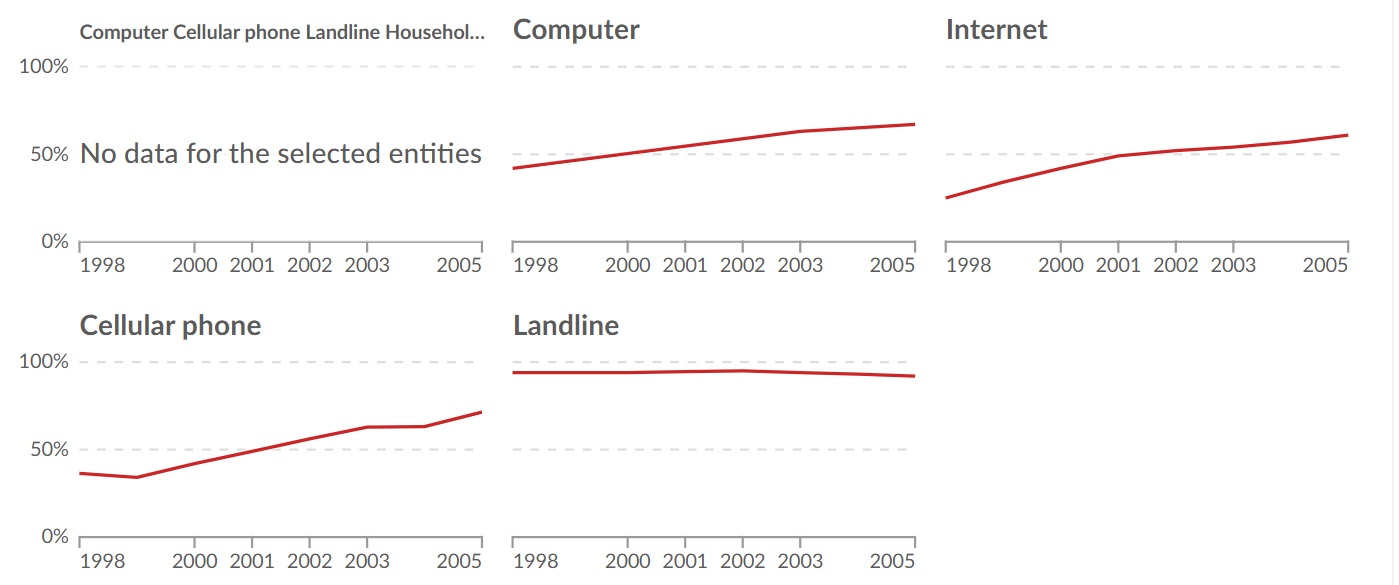
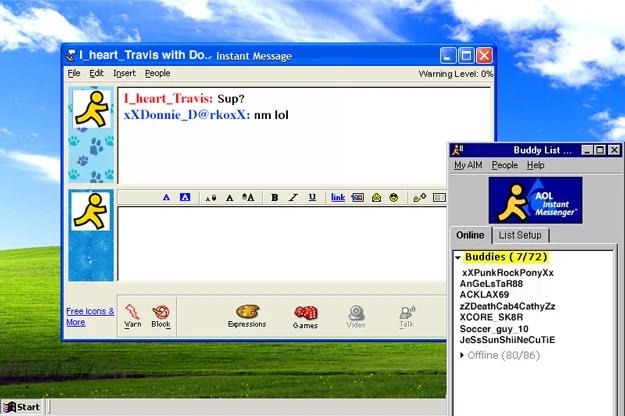


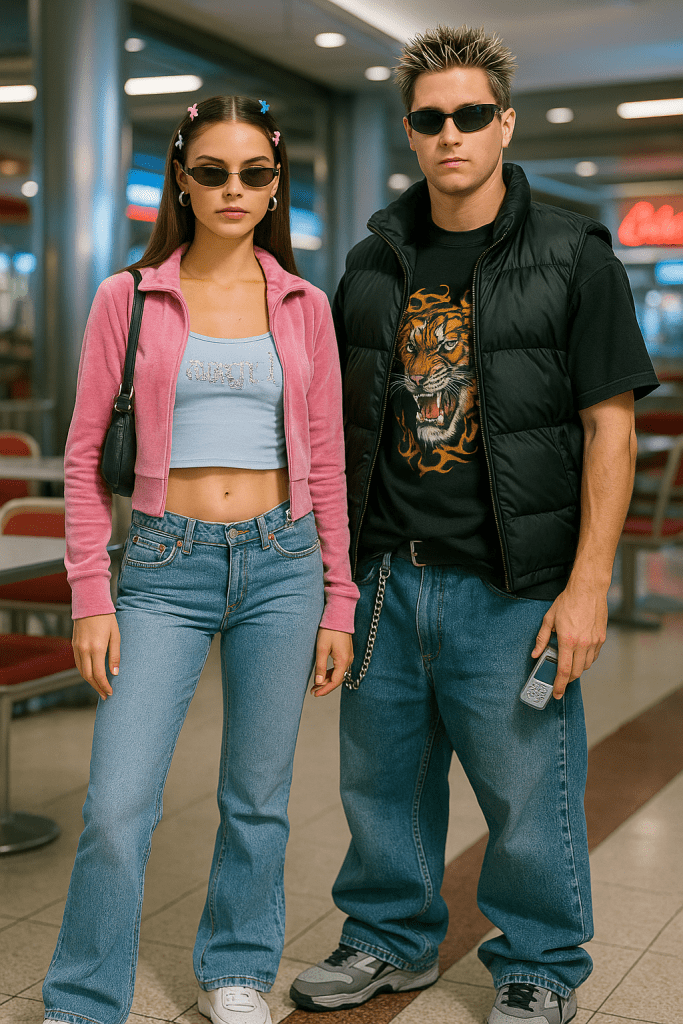


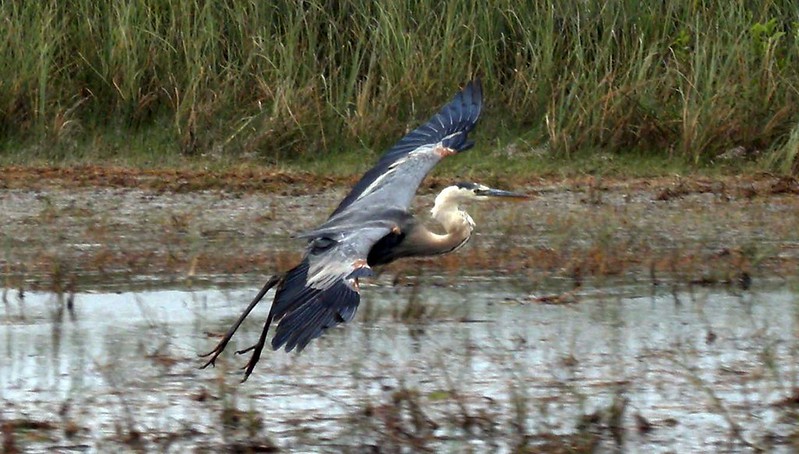

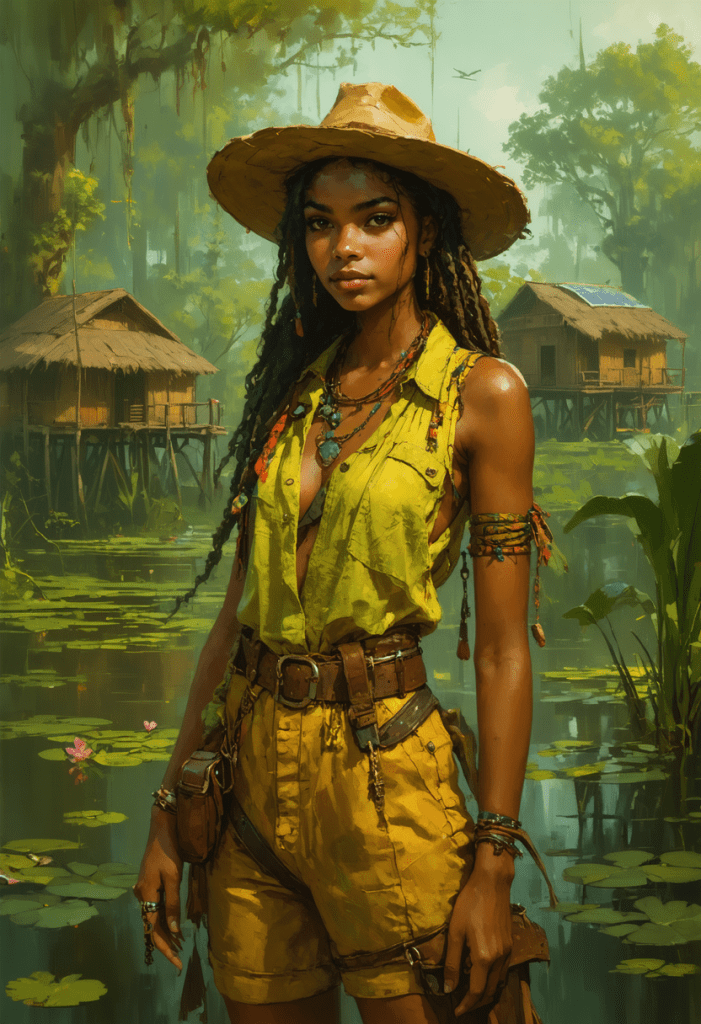


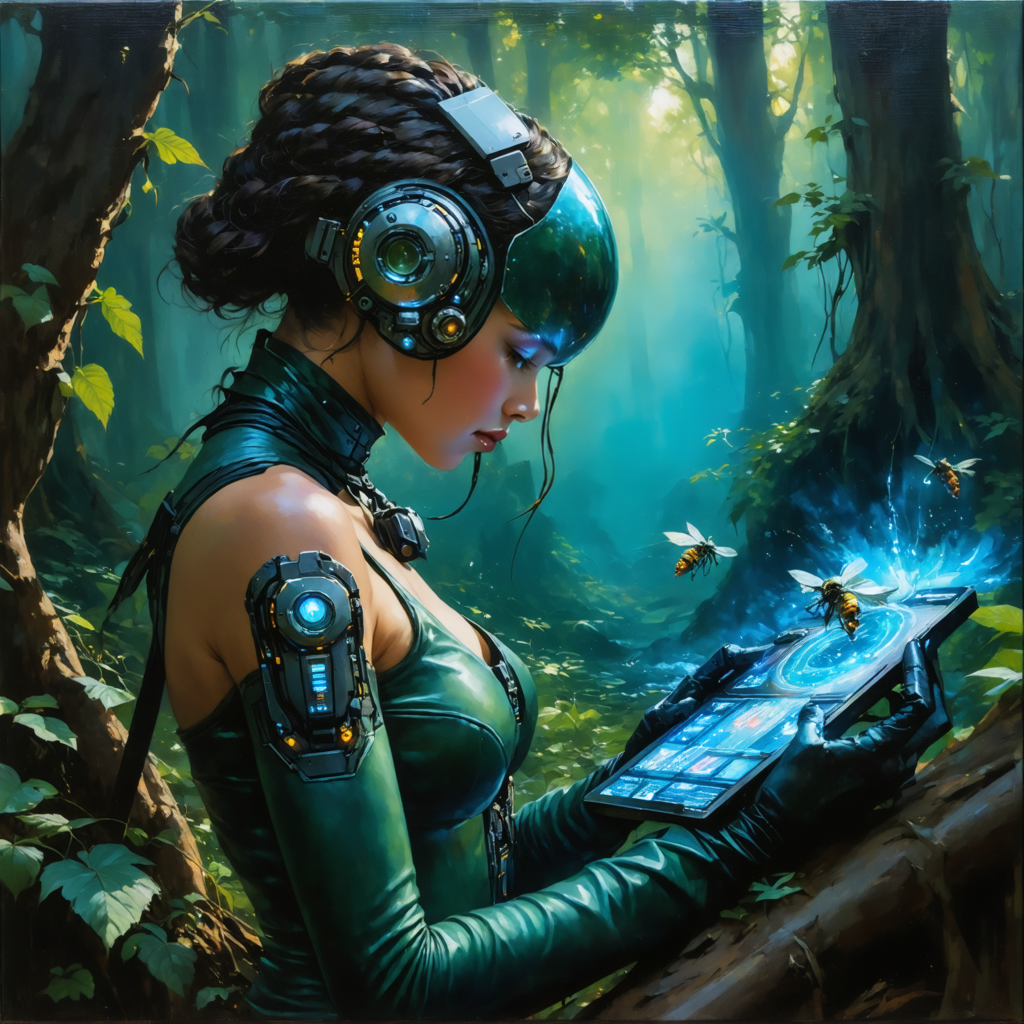
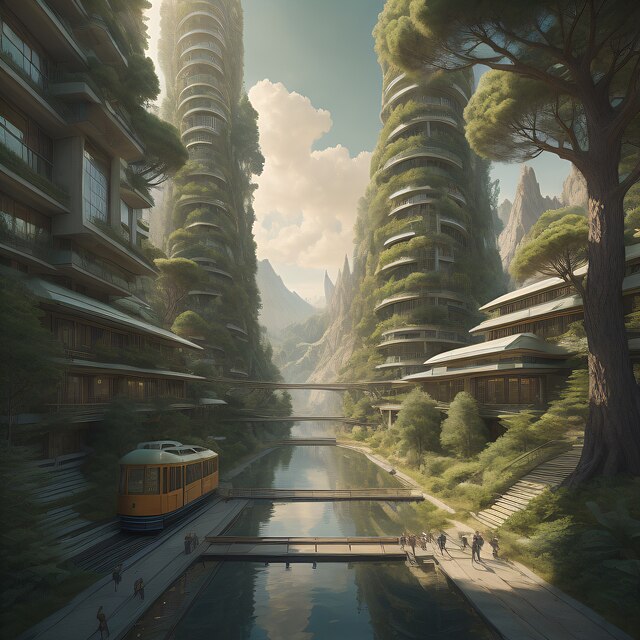

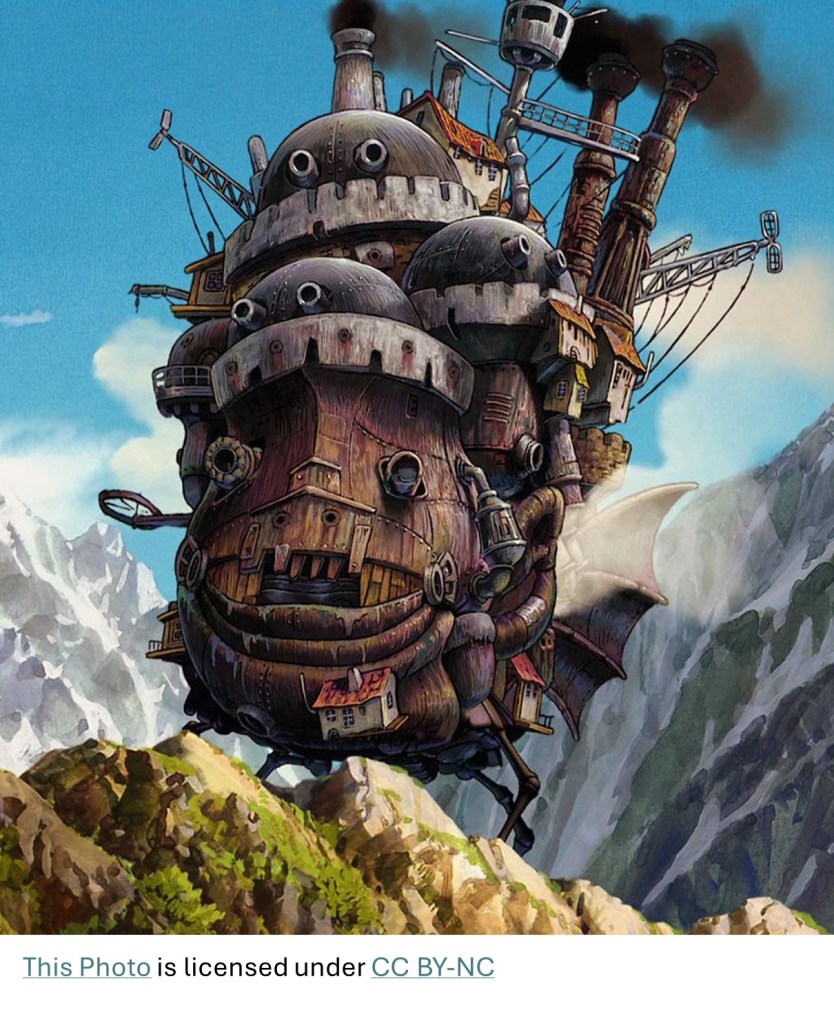
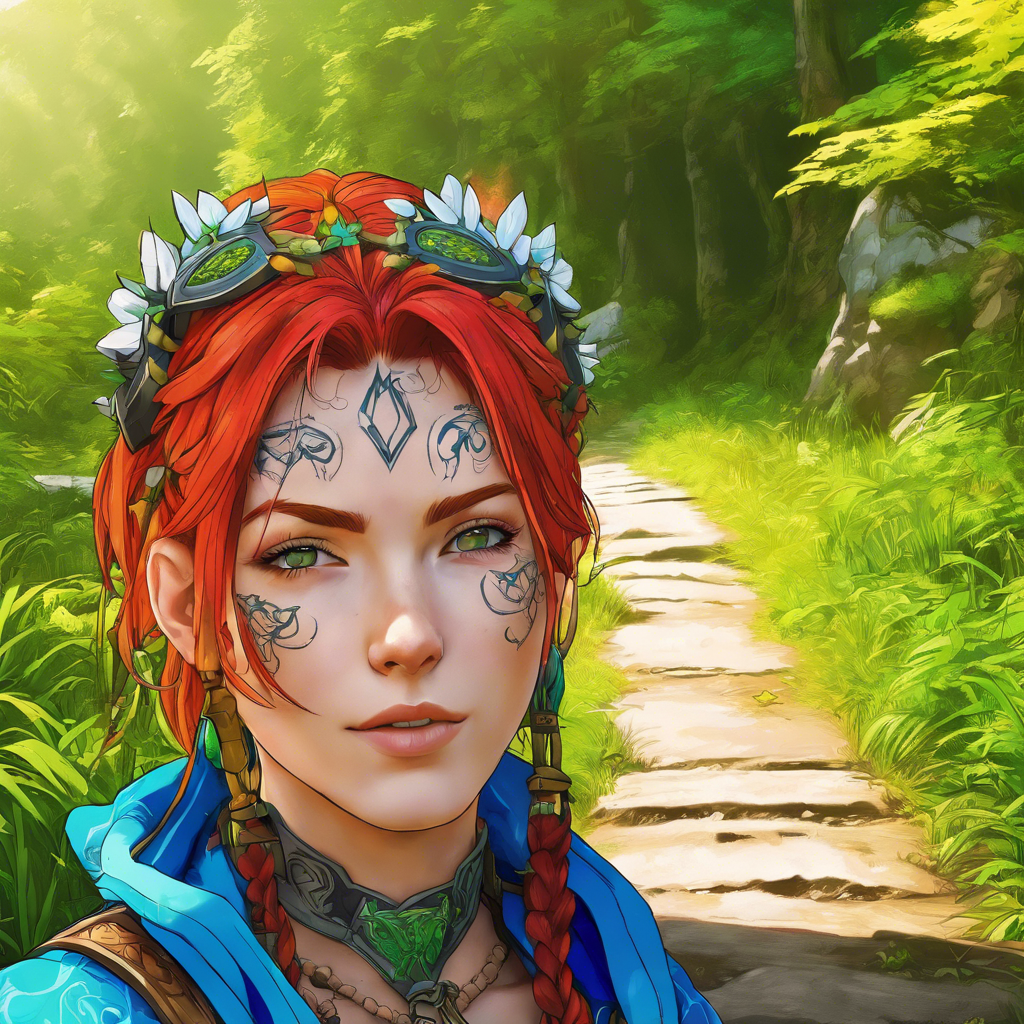
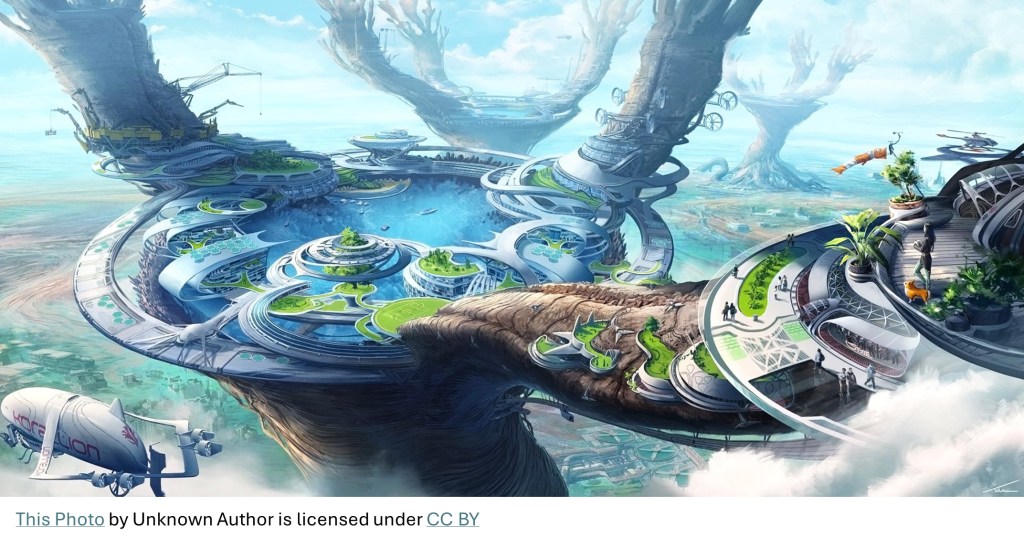

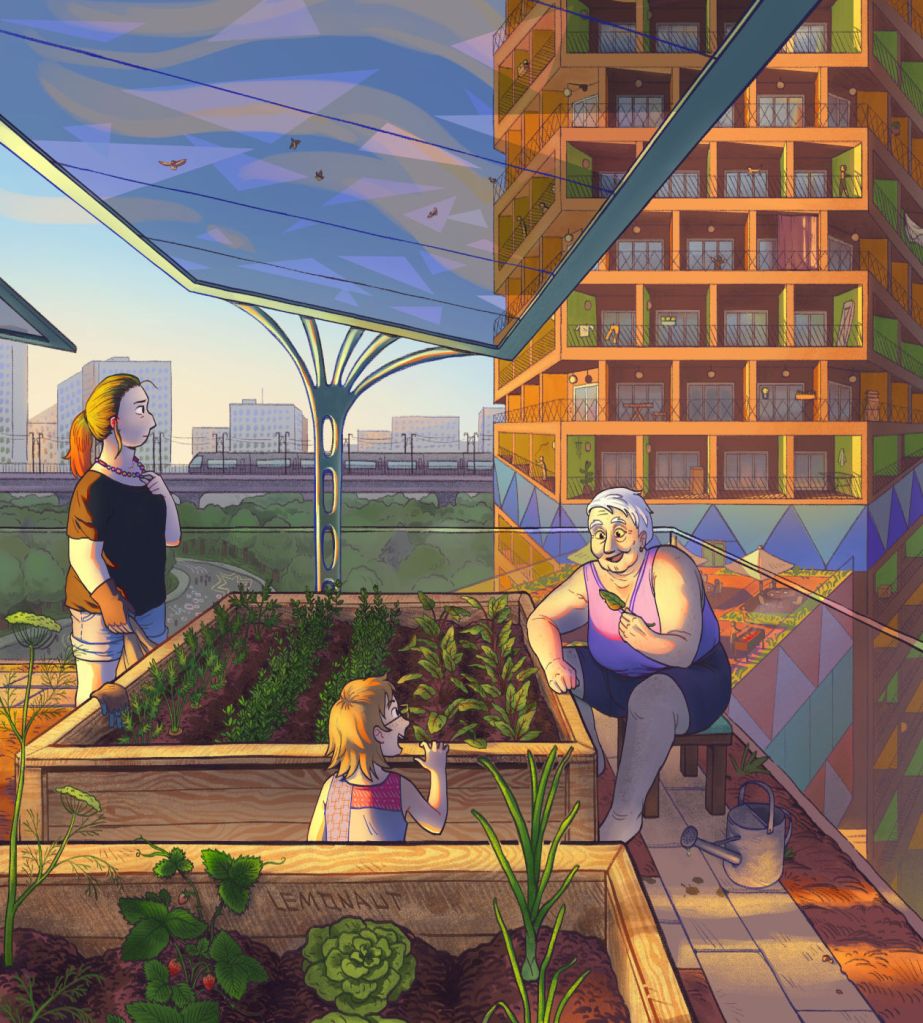




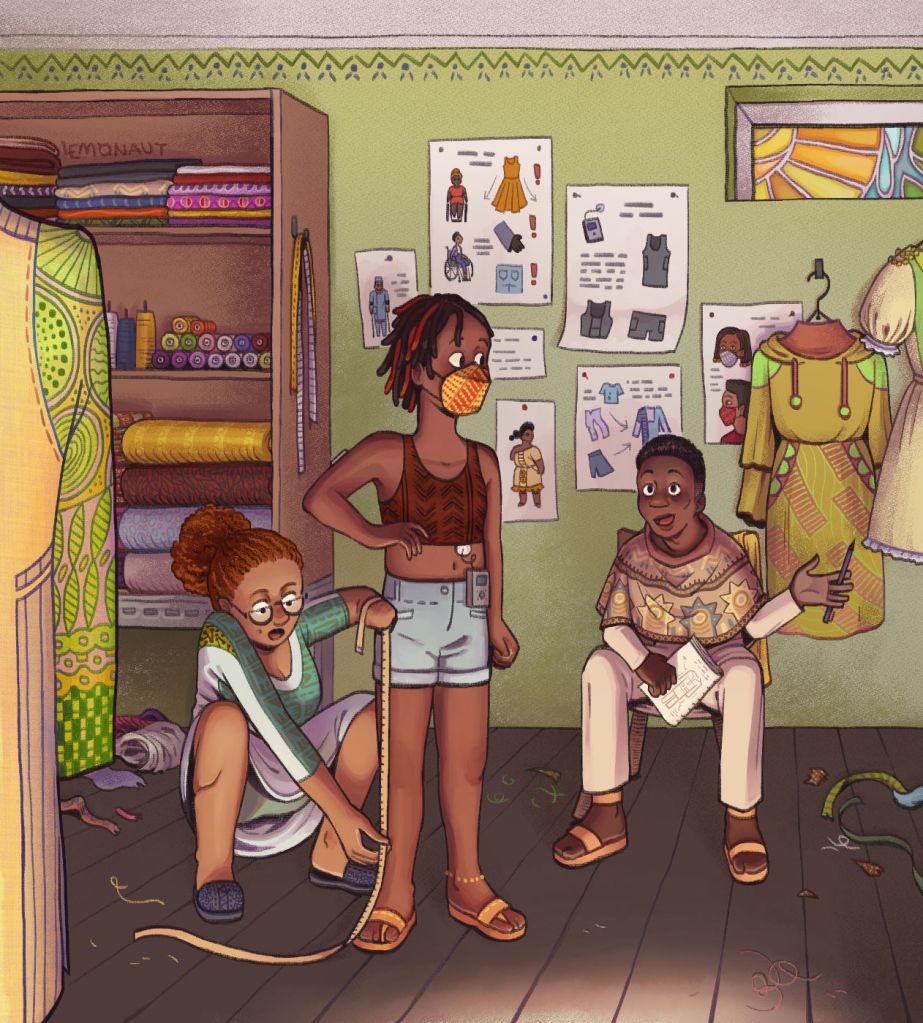

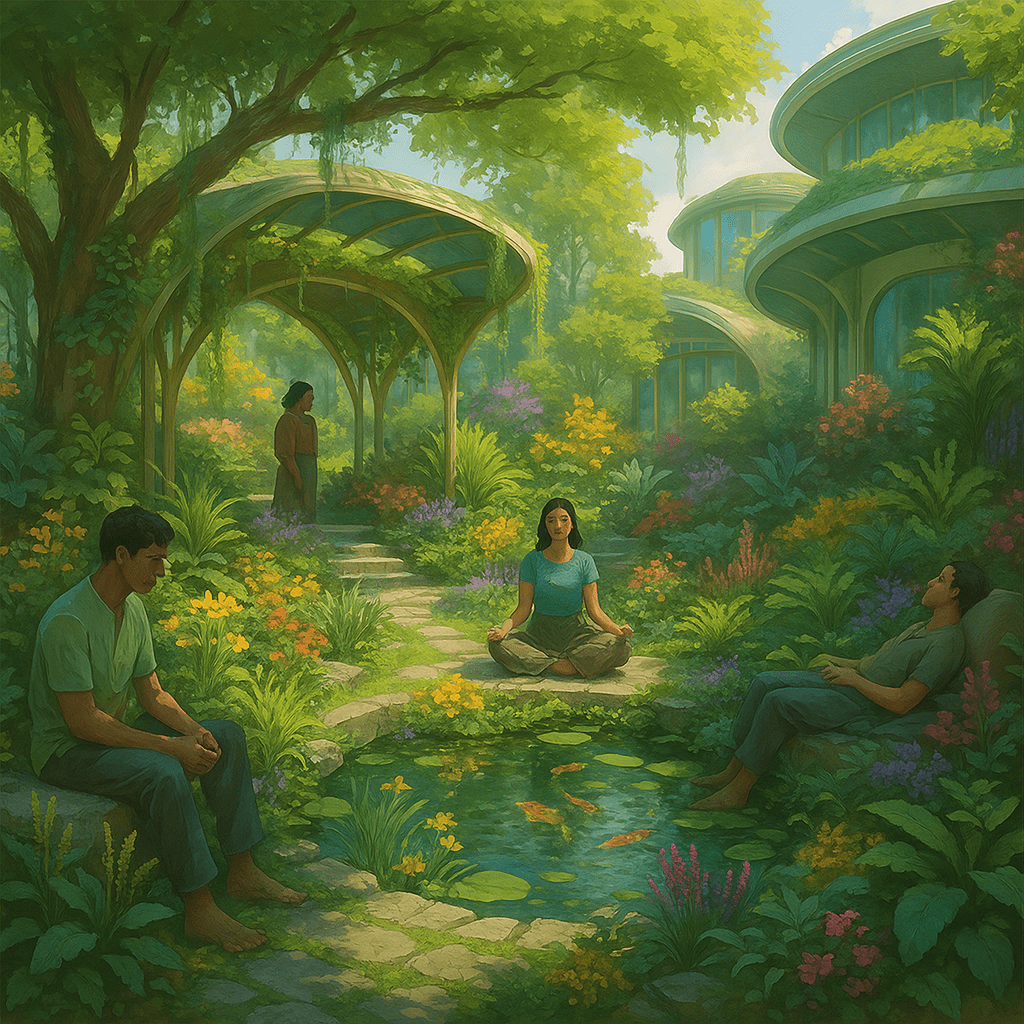
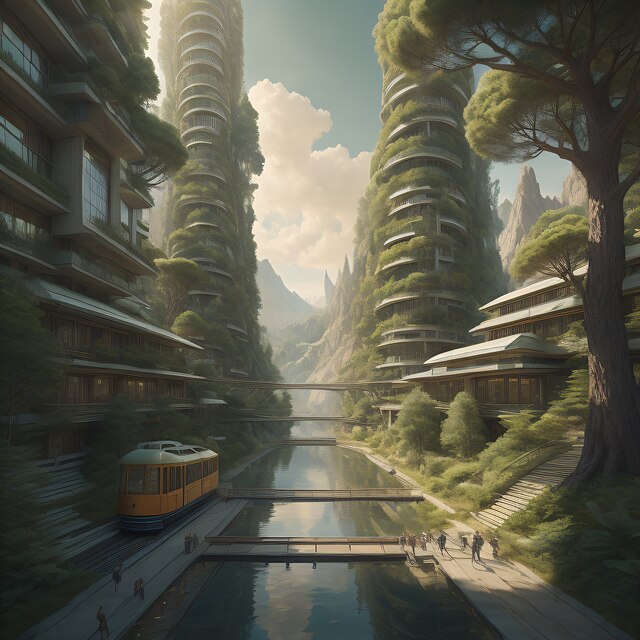

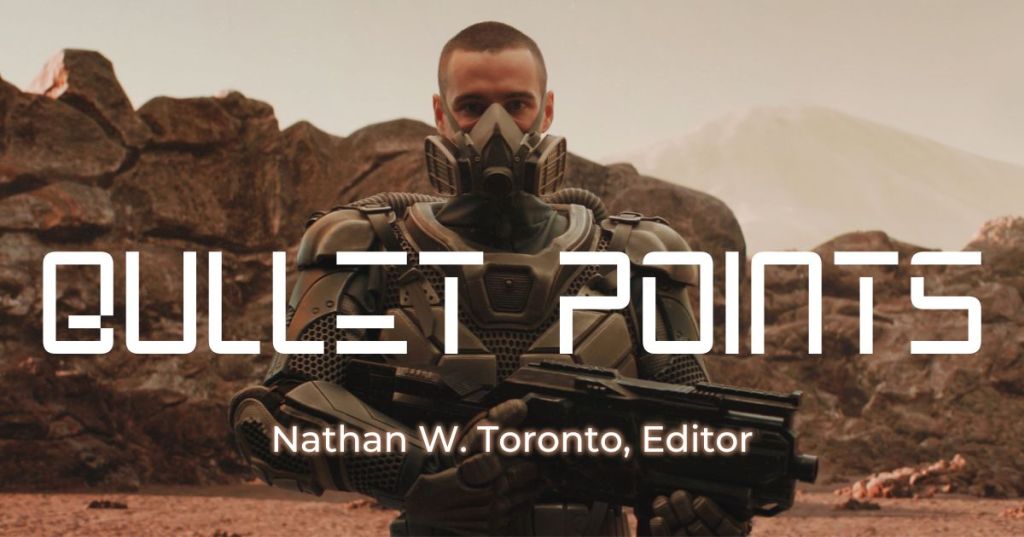



 Stories From Tomorrow - Jessica Brook's Author Site


.png)

