Analog is a magazine of science fiction and science facts.
They are currently calling for emerging black writers to submit their work.
If this applies to you, submit by May 31st!
See more details here on Analog’s website.

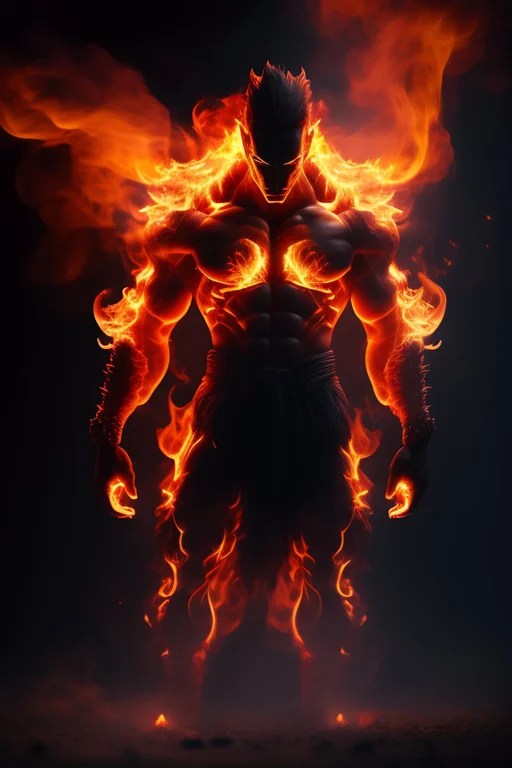
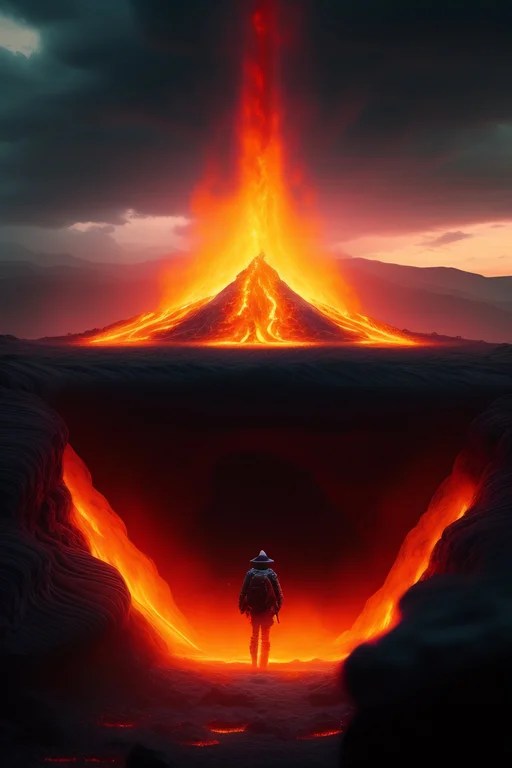
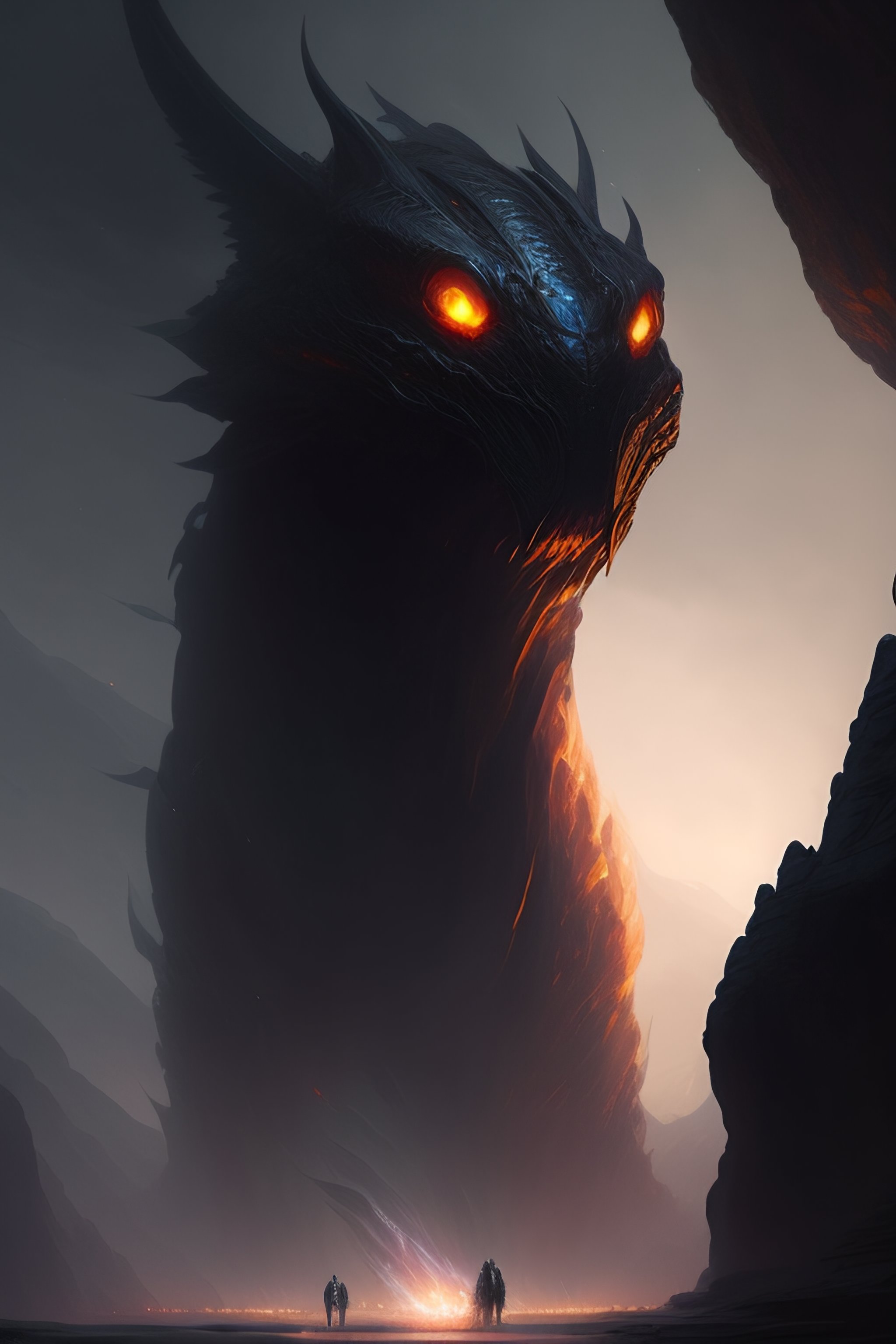
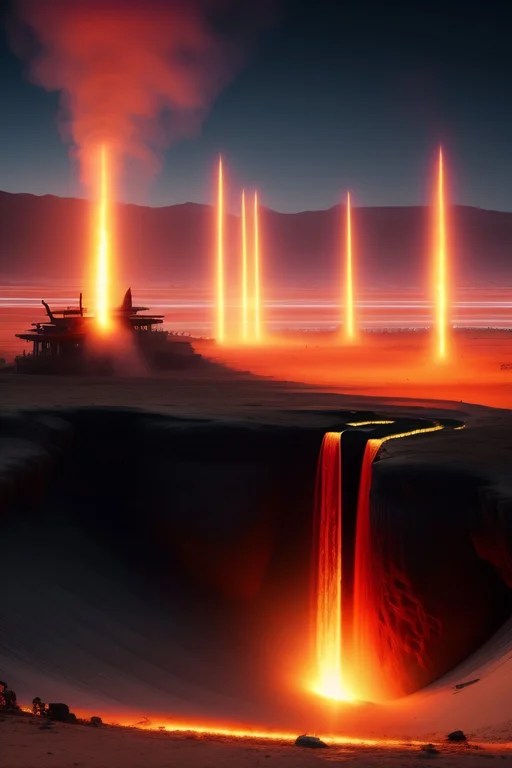
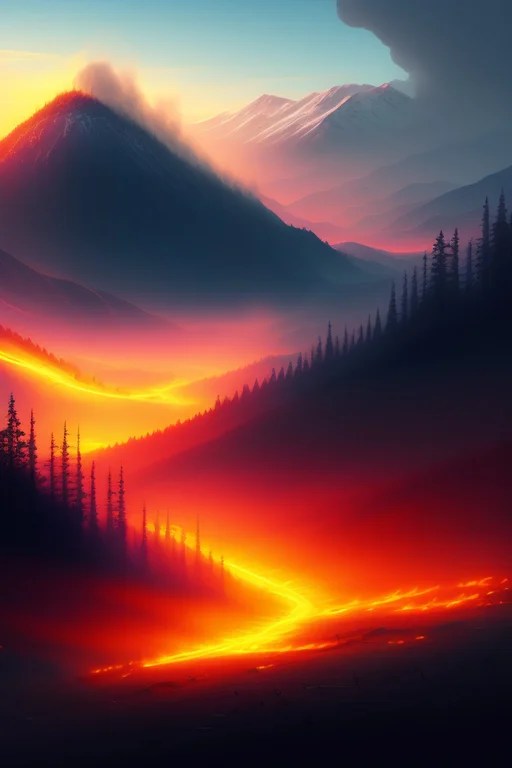
Above is a fan art concept I generated for Varang, the female leader of the Volcanic Na’vi clan of ash people.
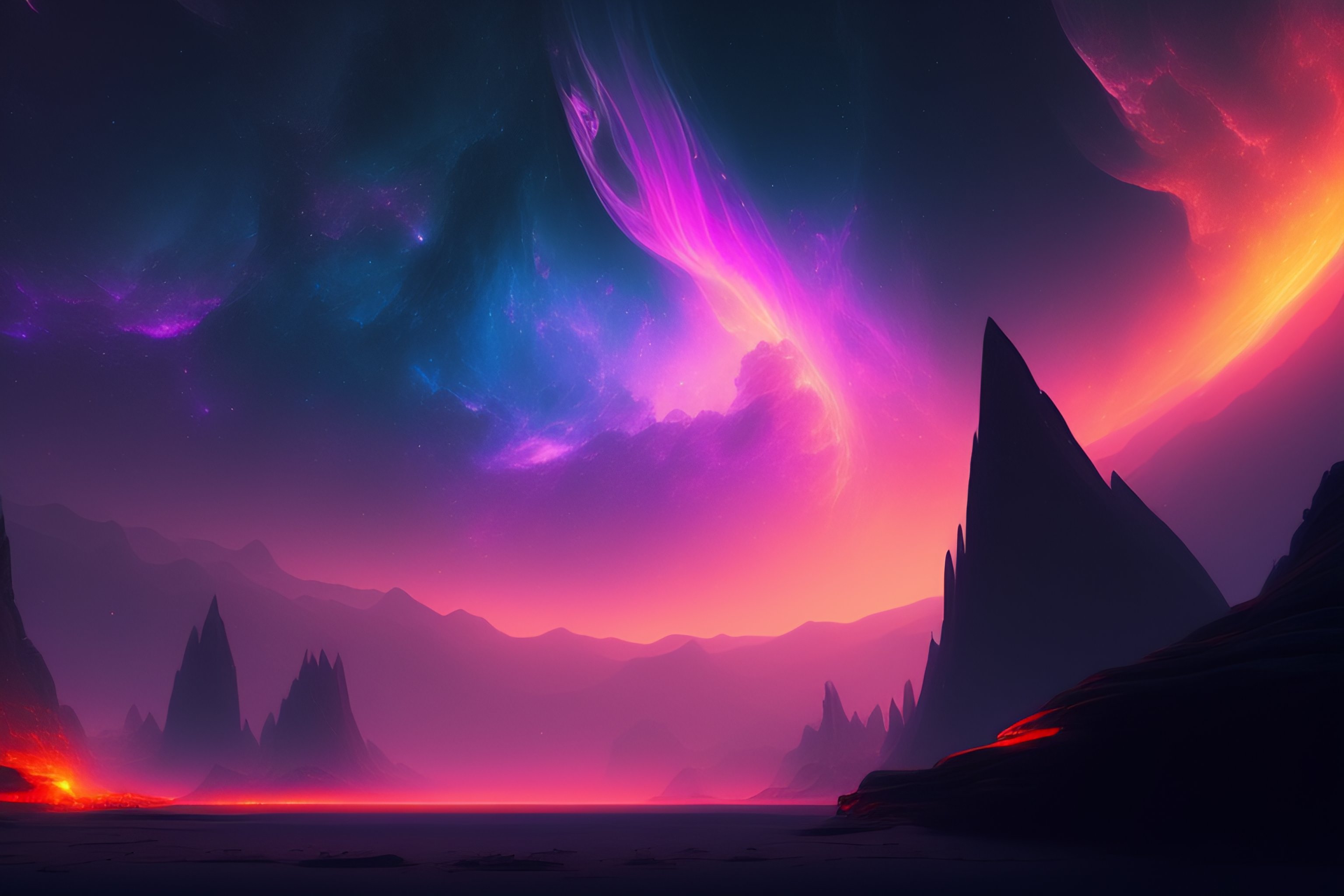
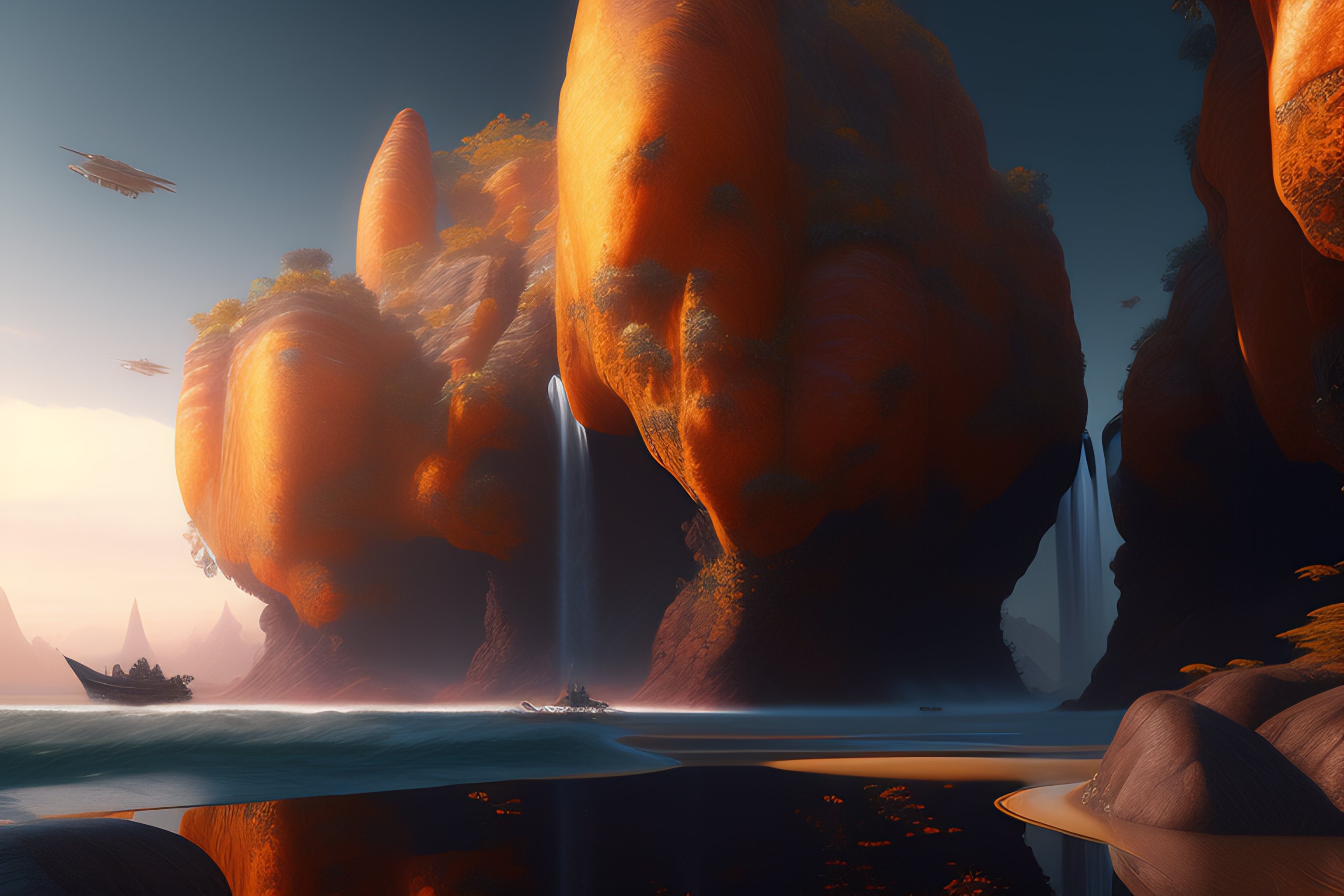
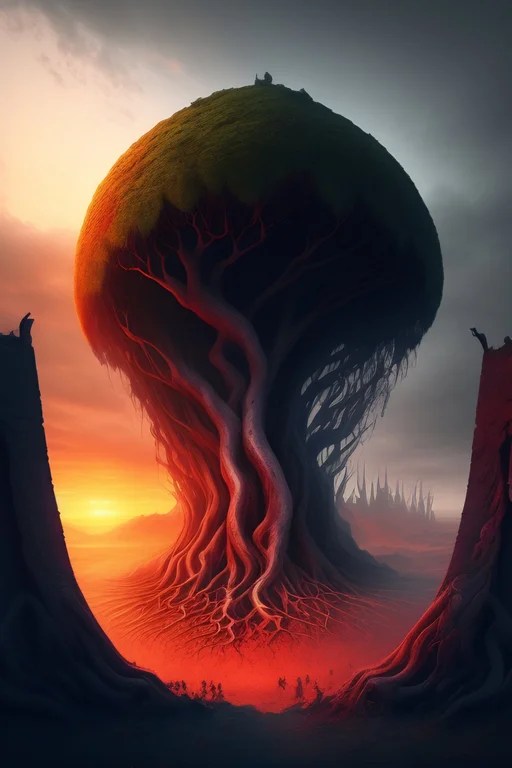
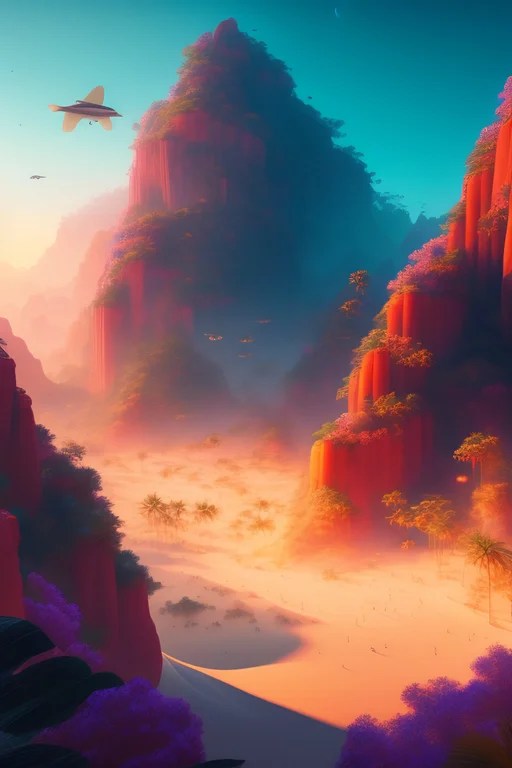
After seeing Avatar The Way of Water in 2022, I wondered what other kind of Na’vi lived on the moon Pandora. And my next thought was Fire Na’vi, Desert Na’vi and a Subterranean Na’vi who live in a fungal biome. Above you can see a gallery of fan art based on the fire concept.
I produced the art with Lexica, an AI art generator. See more fan art for Volcanic Na’vi here.
Apparently two of my three Na’vi predictions were correct. According to the Avatar Wiki, there are plans in the works for the third movie to focus on the element of fire. The Na’vi in this movie are supposed to be “ash people,” or an aggressive volcanic clan led by a female Na’vi known as Varang. And unlike the first two movies where the Na’vi are portrayed in a positive light, Avatar 3 will show the opposite.
There are also plans for an additional culture known as the Windtraders who come from the desert and trade items.
See Avatar 3 Wiki for more information.

Some of you may have noticed several plot holes in the most recent season of The Mandalorian.
ScreenCrush on YouTube does a great job of explaining possible answers to these plot holes. For the video, watch here. There’s also the bonus of seeing a cute dog.
I wrote down some of what was said below for those who don’t feel like watching a video.
SPOILER ALERT! If you do not want to see spoilers. Leave this page now.
For more season 3 plot holes and answers, check out Screen Crush’s video.
The art on this page was made by kikishiomi.
Feel free to comment on any other plot holes you may have noticed, or react to some of these answers.
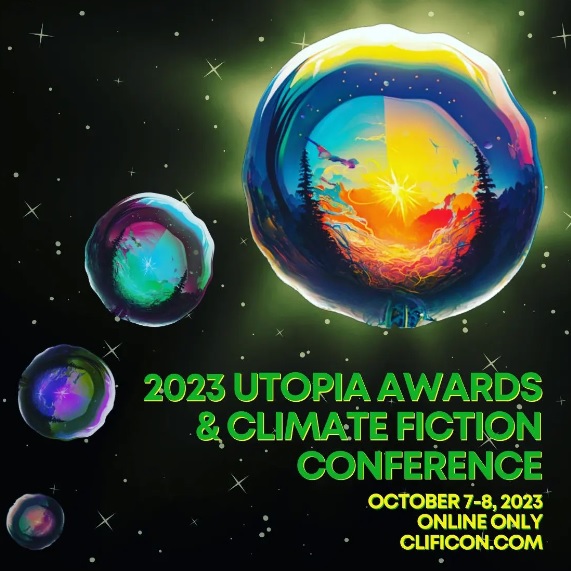
Explore and learn with paradigm shifting CliFi authors, artists, film makers, and world-builders.
The 2nd annual Utopia Awards will highlight and honor authors, artists, and other creators producing works focused on hopeful outlooks, solutions to climate change and related social problems, and building a better future.
The Climate Fiction Conference will host panel discussions and workshops on a range of related topics, including but not necessarily limited to

Writing is a field where you can do everything right and still (most likely) get rejected. Even having a well written character, setting, and plot is not always enough.
Many writers are aware of why bad stories get rejected: grammatical errors, boring, cliche, weak passive language, confusing plot, too much or too little description.
But why does a good story get rejected?
The Sci-fi magazine, Fusion Fragment, has a really helpful twitter thread on this topic.
I’ll summarize their reasons here:
Aside from the reasons Fusion Fragment gave, I’ll also add a few of my own.
I hope this was helpful for you. Remember. You can’t control the outcome of who publishes your work. But you can commit to the process. If you commit to getting better and submitting content on a regular basis, you will increase your chances of success.
If you have any comments on this topic, feel free to leave them here.
Links
What I Learned in Dan Brown’s Masterclass (Stories From Tomorrow)
Color Coding Rejection (Stories From Tomorrow)

“Beth lay in bed looking out the window, listening to Mr. and Mrs. Miller arguing in the house across the street. Suddenly she heard a scream and saw a spray of red splash across their curtains…”
Read the rest of the story here at 101words.org.

Do you like science fiction? Do you like your fiction bite sized (around 100 words)?
If so, check out this magazine full off science fiction drabbles.
And if you are a science fiction writer, definitely try your hand at submitting some of your own work to Martian Magazine.

Erica Verrillo on Medium was kind enough to put together a list of over 7 dozen calls for submissions. These are paying markets and none are charging submission fees. Every genre, style, and form is wanted, from short stories to poetry to essays.
Check out her April list here.

Have you ever wondered if the people in a world like that of Altered Carbon ever downloaded into the wrong body by accident? Maybe after a few too many drinks?
An instance of, “Dude, where’s my body?”
Check out my short, 100 word story on the premise below:
BODY SHARE MICRO FICTION
“Shit. Not again.” The body Avery woke up in this time had BO that smelled like moldy onions. But that wasn’t the worst part. The worst part was the little black hairs protruding from every pore, like a forest of sweaty spider legs.
What was that phrase they taught you in college? Don’t body share while intoxicated? Next time she’d be more responsible. She’d only have one, or two drinks max before she downloaded.
Avery called Body Share tech support. She went straight to voicemail. That’s right. It was Sunday.
She rubbed her face. She did like the beard though.
NOTES FROM THE AUTHOR
Originally the story was published here on Martian Magazine’s website with non-exclusionary publishing rights (meaning I can also publish it elsewhere). However, the site unfortunately is not around anymore, hence me posting my story above. Many people started asking how to access it or were trying to see it, so I finally posted it here on my author website.
The image source for this post is here.

Getting traditionally published is an uphill battle which is getting harder and harder each year. Several factors have made the game harder for authors, including increased competition from self-publishers, less people reading, and increased financial risks for mainstream publishers.
Thus as writers, it’s important for us on a grass roots level to support publishers who are helping to promote new authors and diverse forms of fiction.
Martian Magazine is doing what they can to publish quality sci-fi microfiction. They share great works from both new and experienced authors from around the world.
Micro-fiction (fiction of 100 words or less) doesn’t get much attention in the world of fiction, let alone sci-fi micro-fiction. It needs more support. Martian Magazine may not survive if they don’t get the funding they need.
More funding equals more micro-fiction, and more publishing opportunities for authors such as yourselves.